@claudeai
Instagram · Talking Head Edit
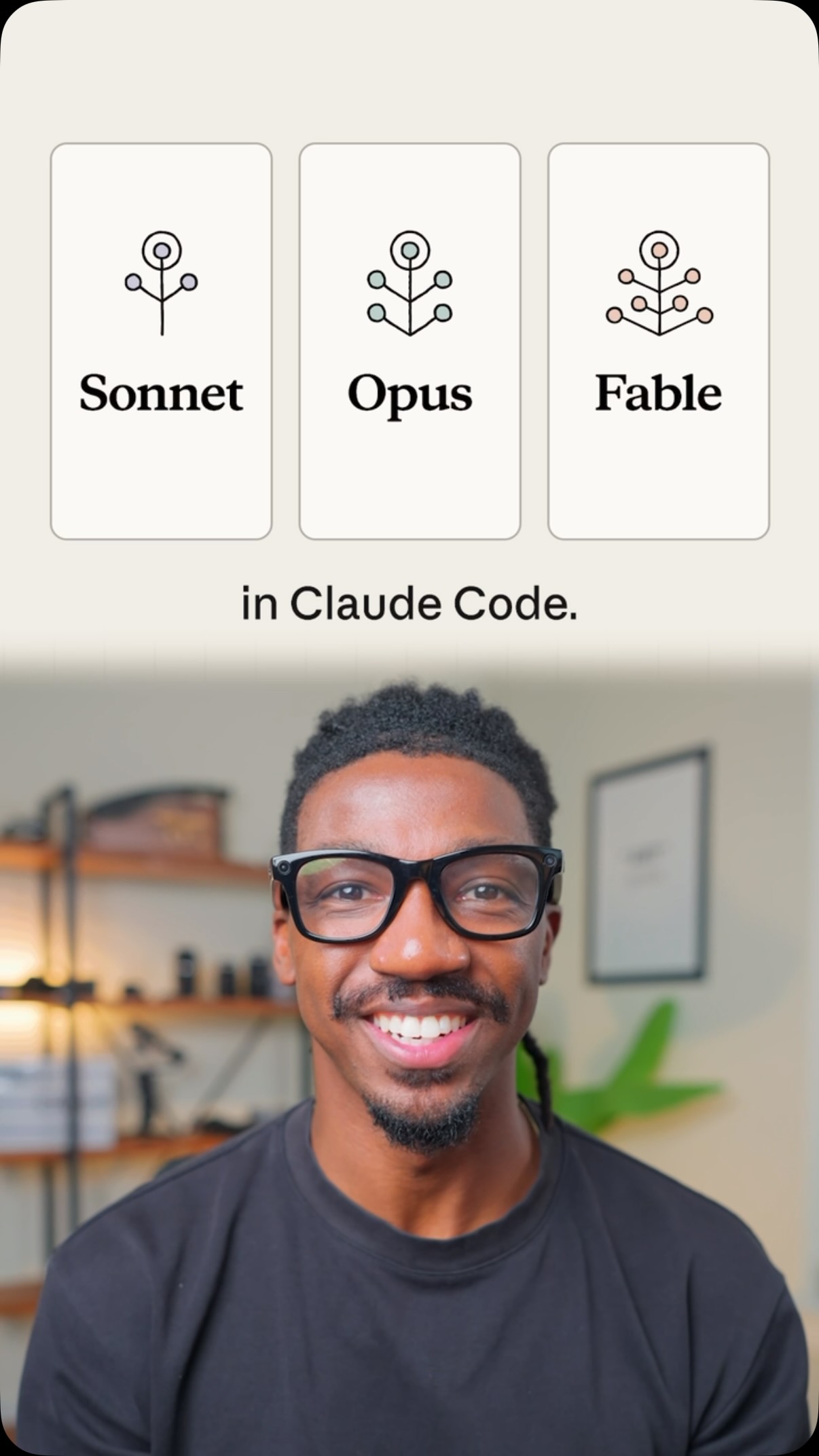
@claudeai Choose a Claude model based on the complexity of the task. Then adjust the effort level to move between faster or more thorough results.

@claudeai
Instagram · Talking Head Edit
@claudeai Choose a Claude model based on the complexity of the task. Then adjust the effort level to move between faster or more thorough results.
Performance
Video #39928 · Talking Head Edit
[01]
The speaker explains how to choose the right AI model in a tool called Claude Code by breaking down the specific use cases for three different models: Sonnet (everyday default), Opus (complex reasoning), and Fable (hardest work with less guidance). He then explains an additional 'effort level' setting that controls the speed and thoroughness of the AI's response, and concludes by asking the audience which model they use most.
[02]
[03]
 644.1K100.3×AI problem and council solution@jasoncooperson · Breakdown
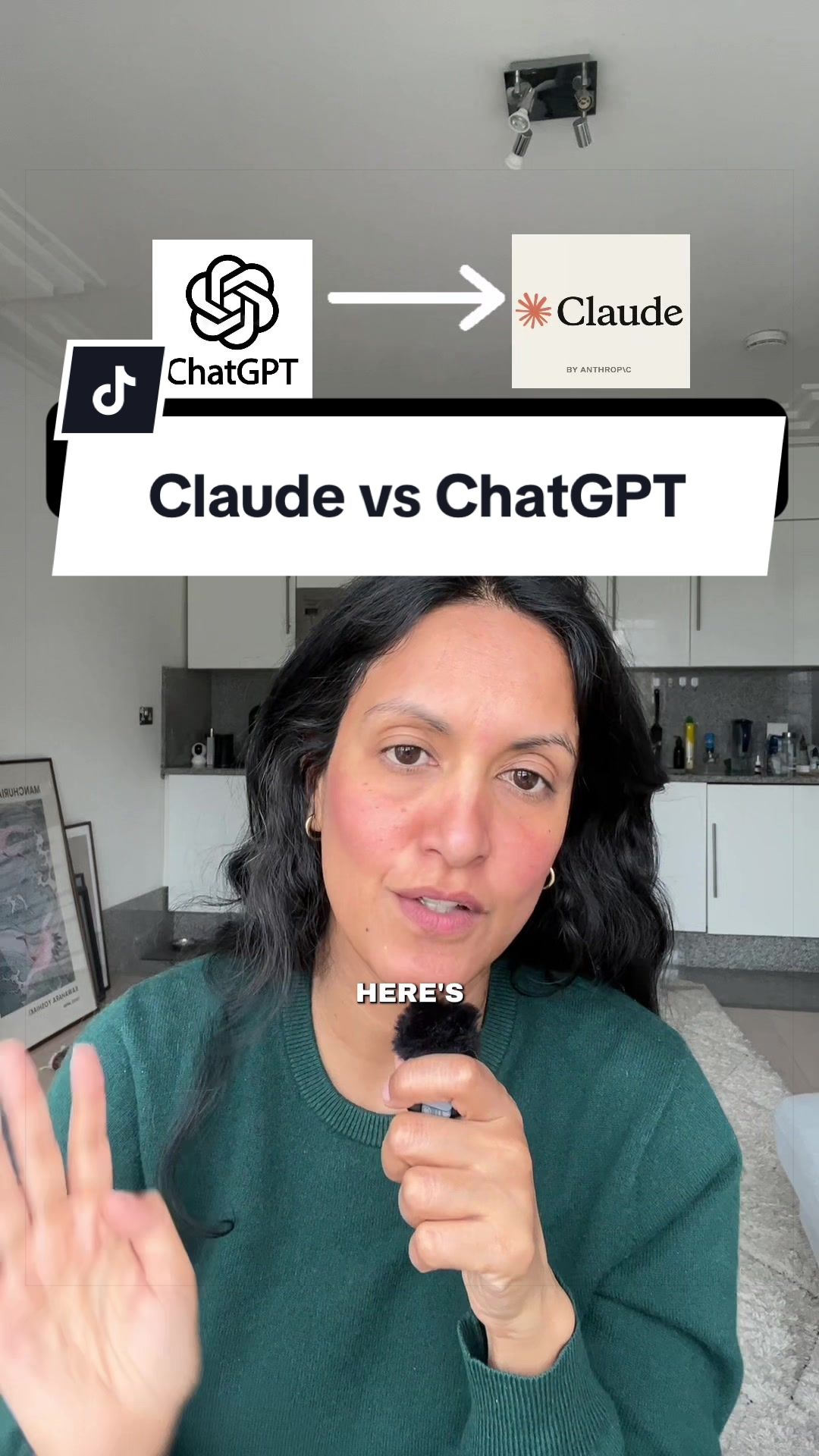 1.9M3711.6×Claude vs ChatGPT simplified breakdown@bigpictureclub · Breakdown
 503.3K17.3×Creator gives 5-step AI setup guide@itsmariahbrunner · Tutorial / How To
 3M76.3×Expert ranks AI tools tier list@rony · Rapid Fire Listicle
 359.8K9.5×Explains better way to use AI tool@softgirlnocode · Opportunity Explainer
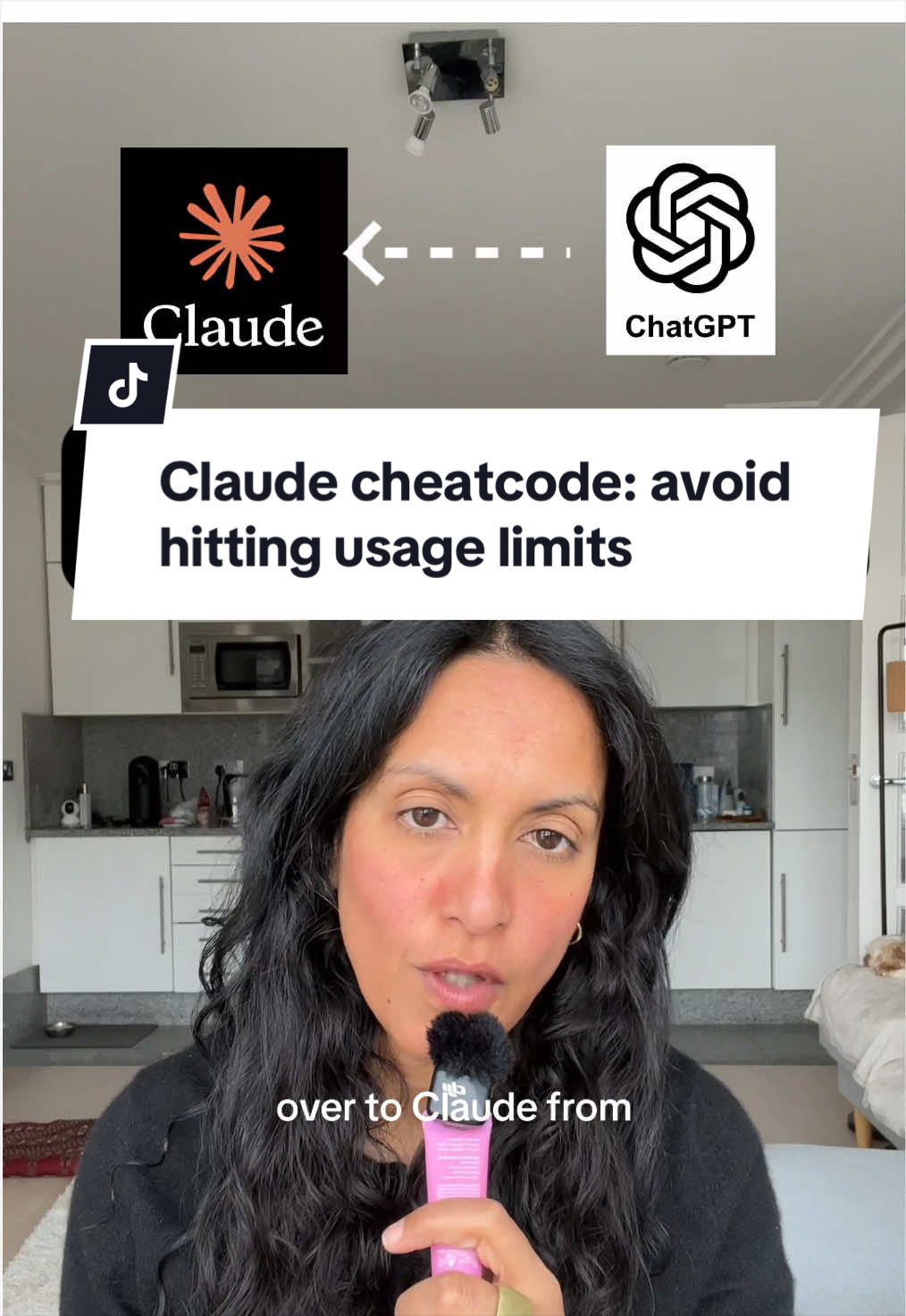 1.7M3090×Four tips to avoid usage limits@bigpictureclub · Tutorial / How To
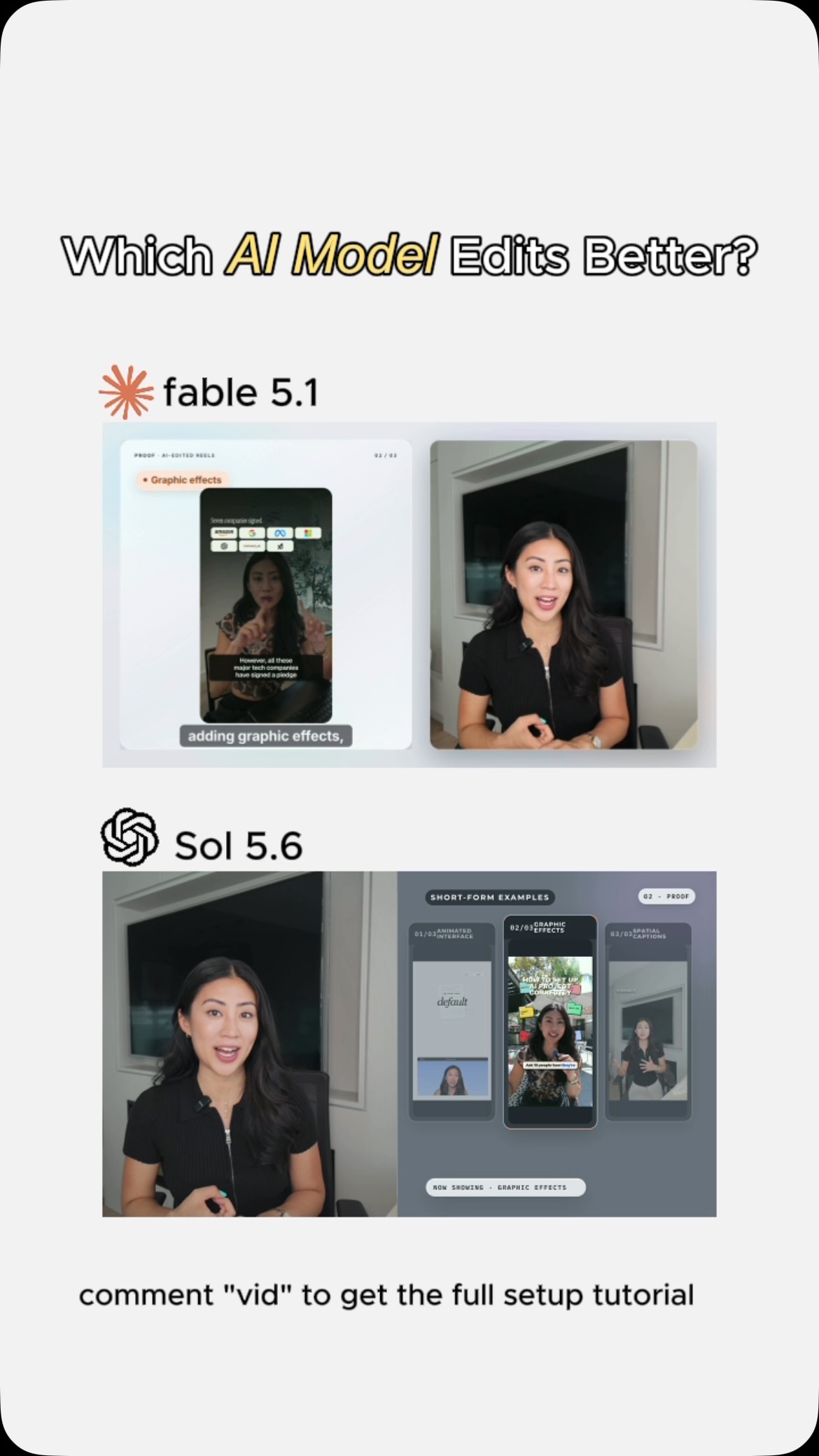 383K15.1×AI video editor side-by-side comparison@softgirlnocode
 144.2K3.8×Tutorial for AI app self-improvement@angus.sewell · Tutorial / How To
 115.9KExplains three-layer AI script system@bradfordmarais · Opportunity Explainer
 649.3K6.3×Creator explains AI mom's system@rony · Case Study Breakdown
 2.9M22×AI product launch with safety story@claudeai · Product Promo
 229.3KCreator lists top five AI plugins@aiwithsachi · Rapid Fire Listicle
[04]
[05]
What stops the scroll in the first 3 seconds
Title hook · 35%
Here's how to pick
Verbal hook · 50%
Here's how to pick the right model in cloud code.
Visual hook · 15%
A speaker looks directly at the camera while two animated graphic cards labeled 'Sonnet' and 'Opus' appear above his head.
[06]
Steal this for your own video
Here's how to pick the right in .
[07]
The promise the opener makes, and how the video pays it back
Hook
A direct promise to solve a common selection or decision-making problem for the viewer.
Payoff
A direct question to the audience, prompting them to share their own usage or preference, thereby driving engagement.
[08]
The structural pattern this video runs on
Framework
The Tiered Solution Blueprint
Systematically presenting a set of options ranked by a single escalating metric (e.g., complexity, power, price), then revealing a secondary variable that modifies how all options perform.
The Baseline Tier
Introduce the first and simplest option, establishing it as the standard or default choice for everyday tasks.
The Advanced Tier
Introduce the second option as a step-up, designed for more complex situations that the baseline option can't handle.
The Apex Tier
Introduce the final and most powerful option, positioned as the solution for the most difficult and demanding tasks.
The Pivot & Reveal
A transitional beat that reframes the initial problem, stating that the tiered options are only part of the solution before introducing a new, crucial variable.
The Secondary Mechanic Explained
Detail the function of the newly revealed variable, explaining how it provides an additional layer of control or customization across all previously mentioned tiers.
Choose a Claude model based on the complexity of the task. Then adjust the effort level to move between faster or more thorough results.
informational · beginning
Sonnet
informational · beginning
Opus
title · beginning
Here's how to pick
informational · beginning
Fable
contextual · beginning
in Claude Code.
informational · beginning
everyday default.
informational · middle
Great for jobs
informational · middle
to tackle your hardest work.
contextual · end
Effort High
contextual · end
Effort Medium
contextual · end
Effort Ultracode
Here's how to pick the right model in cloud code. Sonic is the everyday default. It's best, and it's a great generalist for jobs like checking chunks of code before you ship it. But when the work begins to get a little more complex, I start using Opus. Great for jobs like trying to solve tricky bugs or even poking holes in system designs before I even start building. And that's because Opus is really good at deep reasoning, which is why most of my planning starts here. But next up, there's Fable, which is designed to tackle your hardest work. The difference between Fable and Opus is that Fable needs way less step by step guidance. Give it a big task like add a user settings page to my app, which sounds simple, but every toggle has to map to a real database field and user permissions. Fable understands that complexity and will put a plan in place, work through that plan, and deliver you a finished feature. But picking the model is only half of it. If Cloud Code's responses aren't landing the way you hope they would, try tweaking the effort level. This controls how thorough Cloud Code should be and how long it should work on your request. So slide it towards low when you need a fast answer, and up the effort when you want Cloud Code to think longer, run tests, and double check its work. So what model do you find yourself using most?