@theoparisi__
Instagram · Talking Head Edit
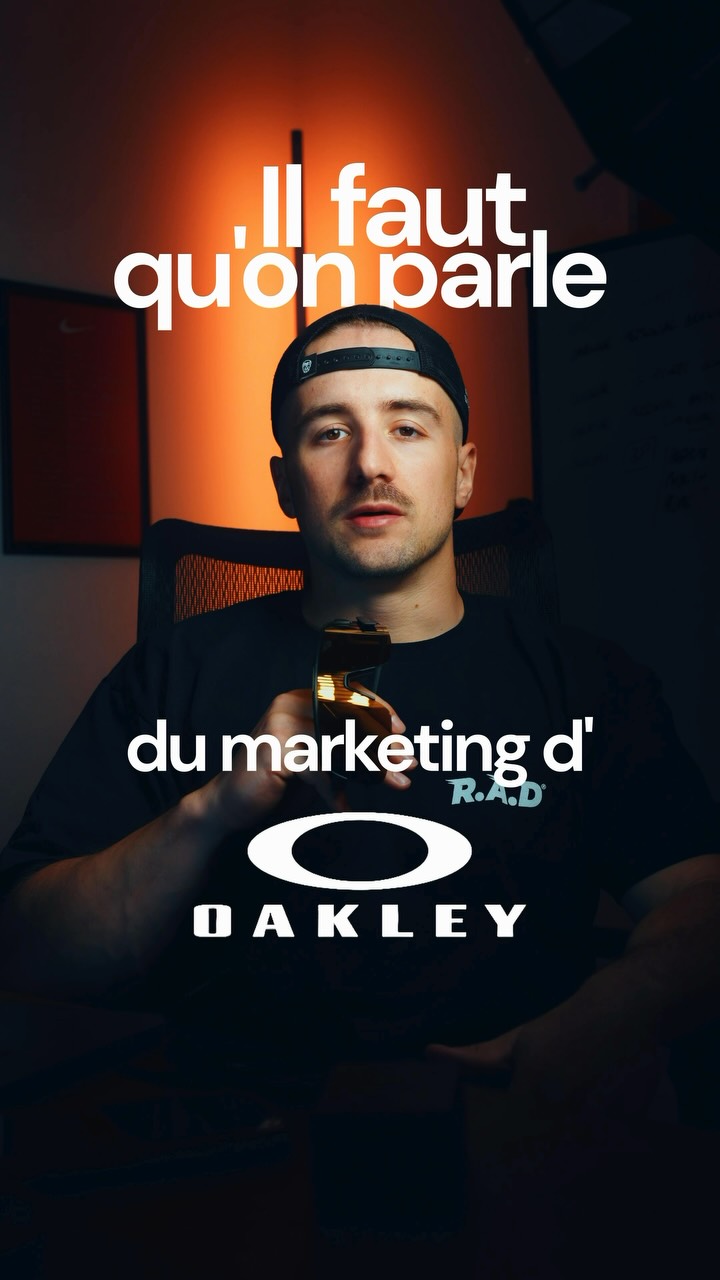
@theoparisi__ Il faut qu’on reparle du marketing d’ @oakley

@theoparisi__
Instagram · Talking Head Edit
@theoparisi__ Il faut qu’on reparle du marketing d’ @oakley
Performance
Video #40120 · Talking Head Edit
[01]
The creator provides a detailed historical analysis of the Oakley brand, starting with a failed 2004 product and tracing its origins back to 1975. He explains how the founder, Jim Jannard, pivoted from motocross grips to creating the first sports sunglasses, which gained massive popularity after being worn by Tour de France winner Greg LeMond. The video then chronicles Oakley's rise to cultural icon status through strategic endorsements with athletes and celebrities like Michael Jordan and its appearances in major films, concluding with the brand's recent resurgence and pioneering technological innovations.
[02]
[03]
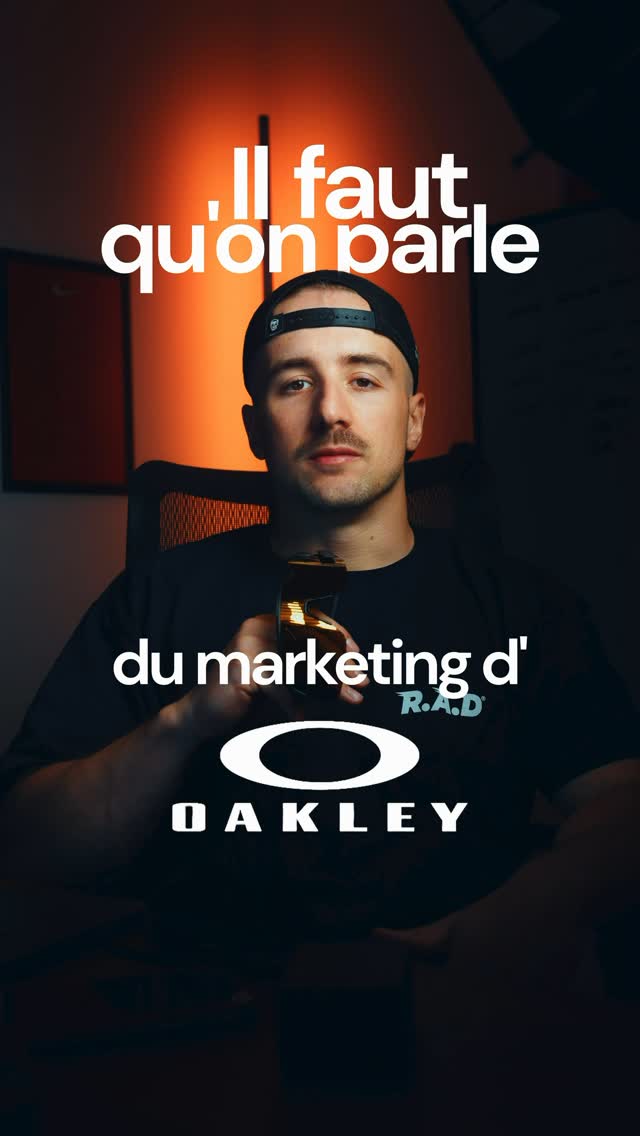 199.3K18.5×Brand history and marketing breakdown@theoparisi__ · Case Study Breakdown
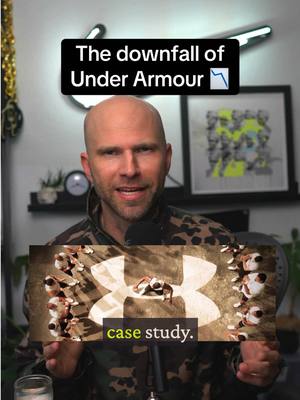 683.1K89.8×Brand's downfall explained with examples@jordanrogers2626 · Case Study Breakdown
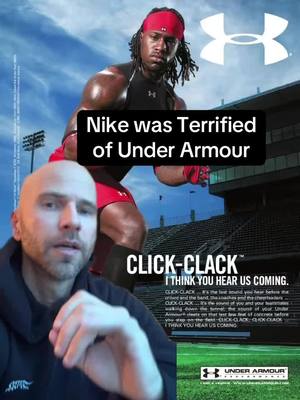 356.1K53×Brand's rise and fall explained@jordanrogers2626 · Case Study Breakdown
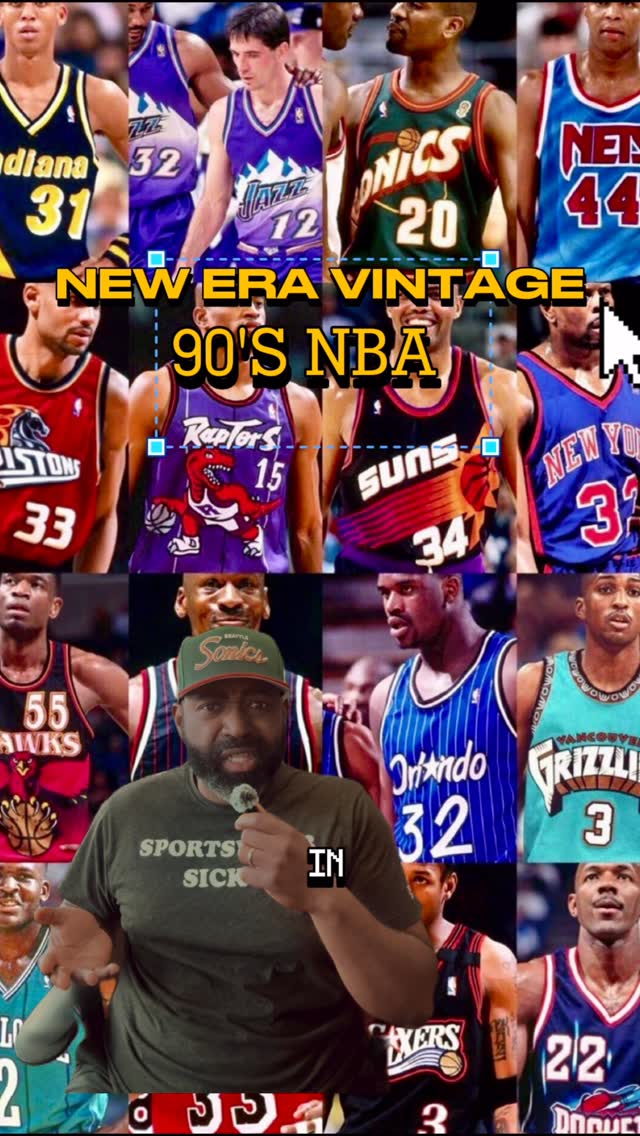 366.4K94.3×Explaining 90s NBA branding strategy@gamedaygrails · Breakdown
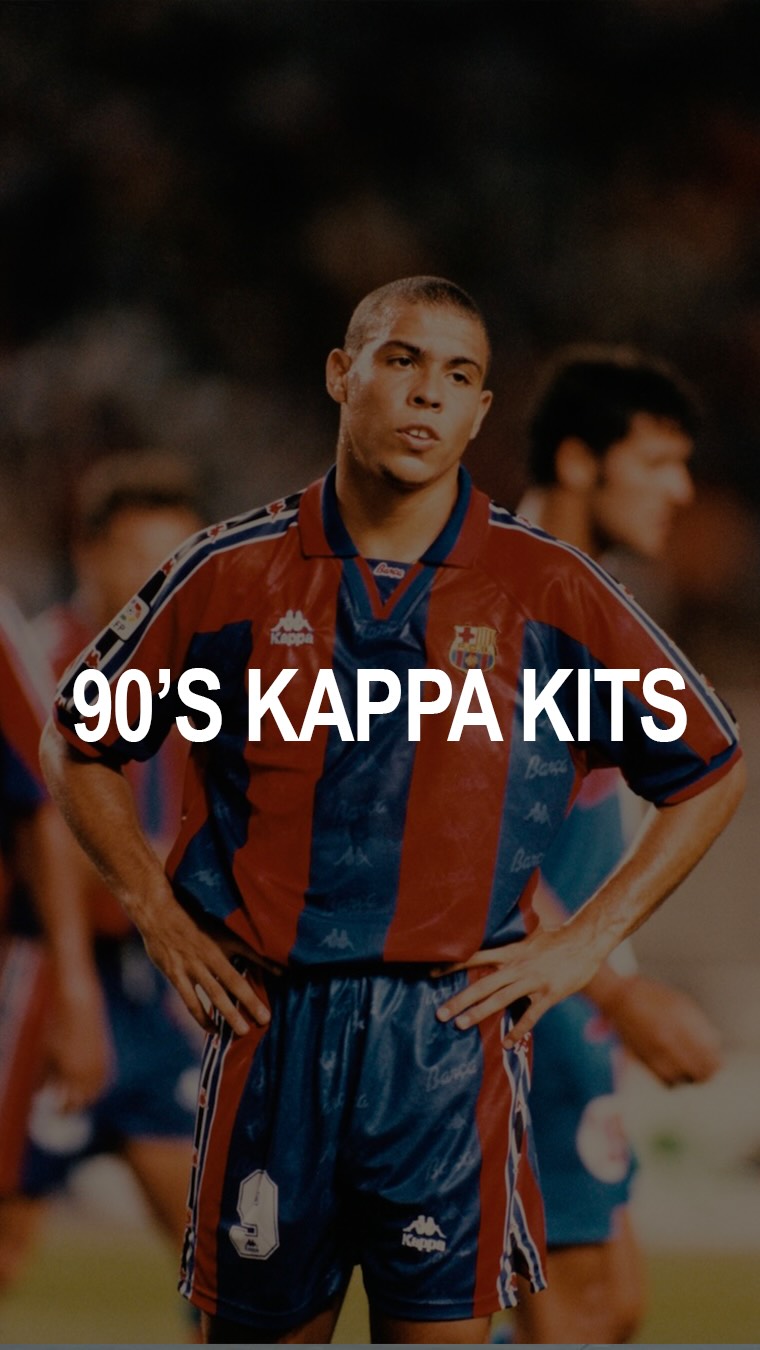 190.9K18.9×Explaining a brand's cultural history@gsnwilliams · Origin Story
 118.7K19.6×Brand history explainer with trivia@gamedaygrails · Origin Story
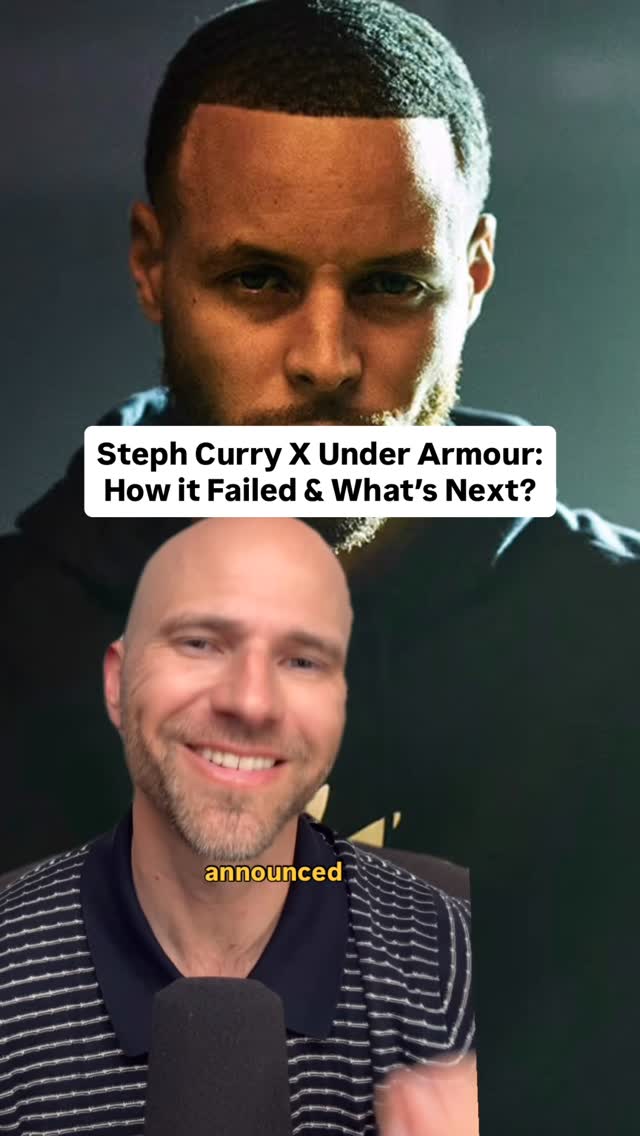 440.4K13.3×Brand partnership failure breakdown@jordanrogers · Breakdown
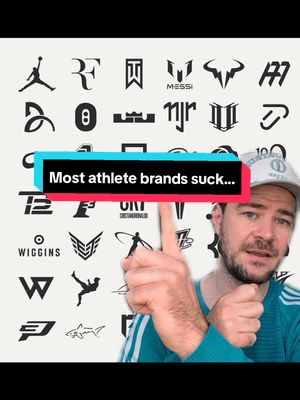 86.7K1.1×Explaining an athlete branding case study@sportsmarketing_ · Case Study Breakdown
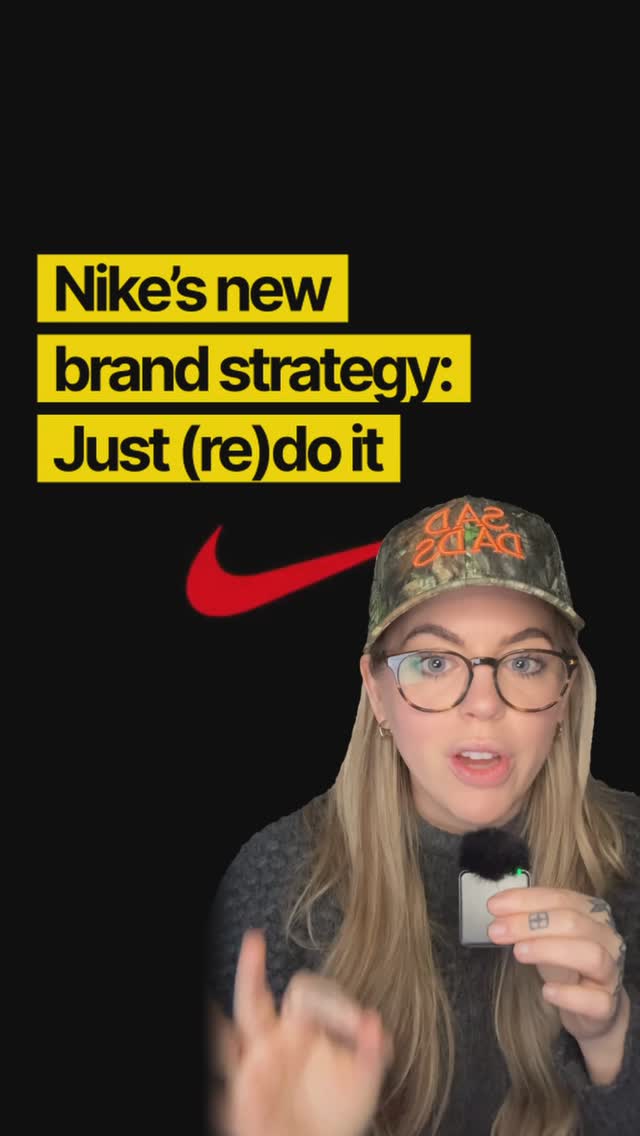 155.9K4.6×Creator explains Nike's new strategy@tatumbrandt · Headlines
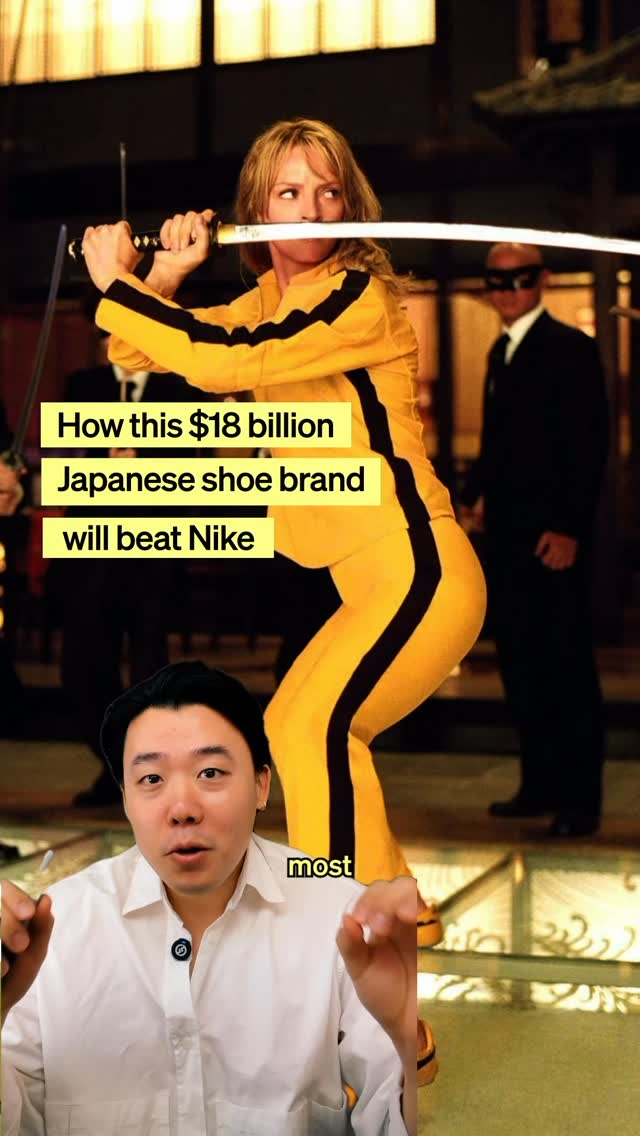 348K42.4×Brand founder origin story breakdown@davidkylechoe · Origin Story
 117.5K26×Historical brand marketing breakdown@theoparisi__ · Case Study Breakdown
 279.3K26.1×Connecting basketball past to fashion@articlesofstyle · Origin Story
[04]
[05]
What stops the scroll in the first 3 seconds
Title hook · 50%
L'ancêtre des Meta Glasses en 2004
Verbal hook · 45%
En 2004, on assiste à l'un des plus grands flops de l'histoire d'Oakley.
Visual hook · 5%
A close-up of the creator wearing large, futuristic, reflective sunglasses with dramatic, high-contrast lighting against a dark background.
[06]
Steal this for your own video
L'ancêtre de en
[07]
The promise the opener makes, and how the video pays it back
Hook
The Prescient Failure Hook: Juxtapose an old, failed version of a product with its modern, successful counterpart to establish the theme of being 'ahead of its time' and create an immediate 'why?' question.
Payoff
The Vindicated Vision Payoff: Close the narrative loop by returning to the 'failed' idea from the hook, reframing it as a successful prophecy to prove the brand's long-term, visionary status.
[08]
The structural pattern this video runs on
Framework
The Vindicated Visionary
To tell the history of a brand by framing an early failure as a prescient vision that was simply ahead of its time, then chronicling the journey of rise, fall, and redemption that ultimately proves the initial concept was correct.
The Scrappy Genesis
Establish humble and unconventional origins (e.g., small investment, unexpected first product) to build a relatable underdog story.
The Founder's Epiphany
Narrate the specific 'aha!' moment that led to the core innovation, grounding the brand's purpose in a personal, problem-solving story.
The Tipping Point Moment
Showcase the single cultural event or high-profile endorsement that triggered mass adoption and catapulted the brand into the mainstream.
The Cultural Blitz
Deploy a rapid-fire montage of A-list celebrity, athlete, and pop culture associations to demonstrate the brand's peak cultural dominance and desirability.
The Apex of Audacity
Highlight the brand's most extreme, memorable, and polarizing design to cement its reputation for fearless, boundary-pushing innovation.
The Uncoolness Crisis
Introduce the central narrative conflict by showing how the brand's cultural meaning shifted negatively, becoming associated with an undesirable demographic or stereotype.
The Hype-Culture Revival
Demonstrate the brand's strategic comeback through modern, culturally-savvy tactics like limited-edition collaborations and partnerships with contemporary tastemakers.
Il faut qu’on reparle du marketing d’ @oakley
title · beginning
L'ancêtre des Meta Glasses en 2004
contextual · beginning
2004
contextual · beginning
flops de l'histoire d'Oakley
contextual · beginning
2025
branding · beginning
Meta
contextual · beginning
1975,
informational · middle
"Thermonuclear Protection"
branding · end
Théo Parisi
call-to-action · end
FOLLOW