@gsnwilliams
Instagram · Talking Head Edit
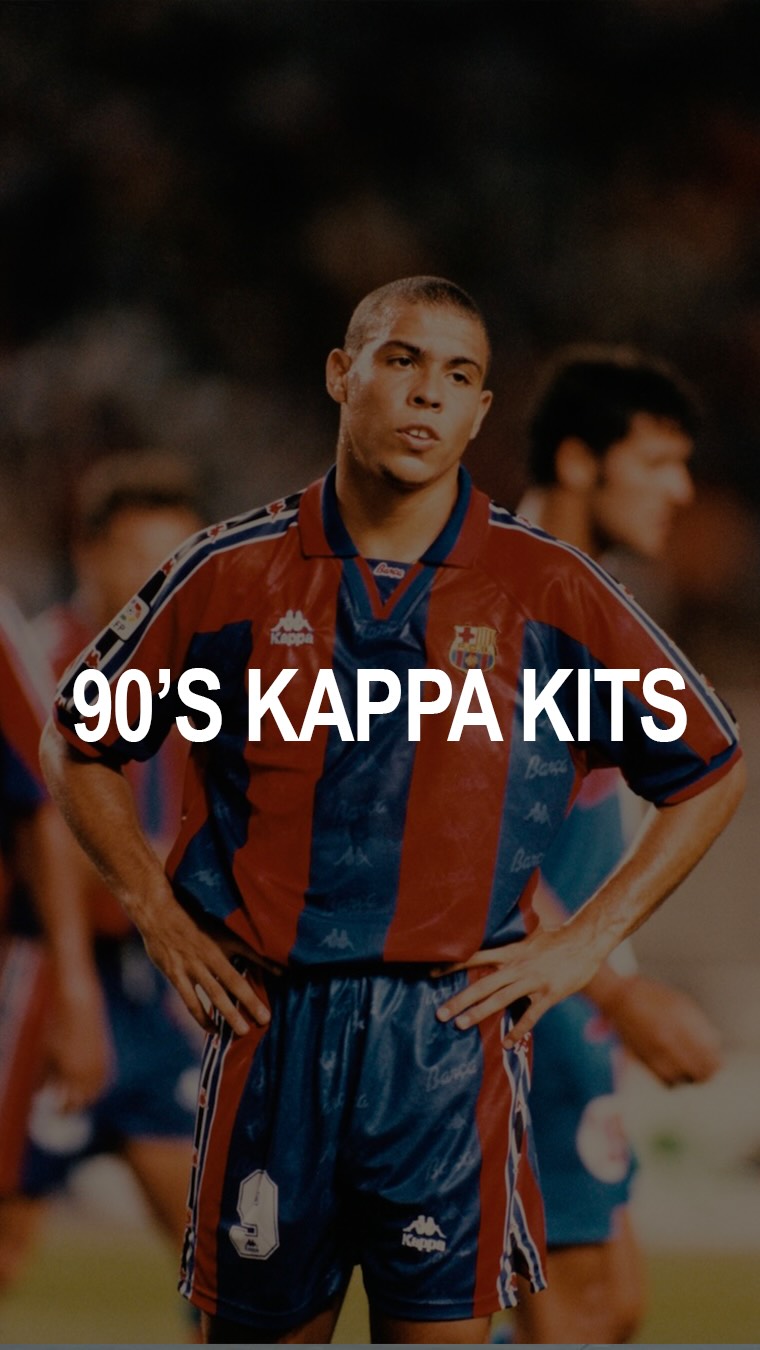
@gsnwilliams We need Kappa to remake their retros ASAP. #kappa #sportswear #90sfashion

@gsnwilliams
Instagram · Talking Head Edit
@gsnwilliams We need Kappa to remake their retros ASAP. #kappa #sportswear #90sfashion
Performance
Video #35372 · Talking Head Edit
[01]
The creator explains the history of the sportswear brand Kappa, starting with its accidental origin from defective socks and the creation of its iconic logo. He then chronicles its rise to dominance in football by sponsoring legendary teams like Juventus, AC Milan, and Barcelona during their peak years, and discusses its subsequent cultural decline before highlighting its current resurgence as a popular vintage brand.
[02]
[03]
 371.4KBrand founder explains rip-off irony@frontoffice.co · Origin Story
 187.8KSibling rivalry creates two brands@alextwma · Origin Story
 103.4K26.2×Analyzing a soccer club's rebrand@lukas.mullen · Case Study Breakdown
 1.3M3.5×Explaining a famous logo's origin@alextwma · Origin Story
 118.7K19.6×Brand history explainer with trivia@gamedaygrails · Origin Story
 348K42.4×Brand founder origin story breakdown@davidkylechoe · Origin Story
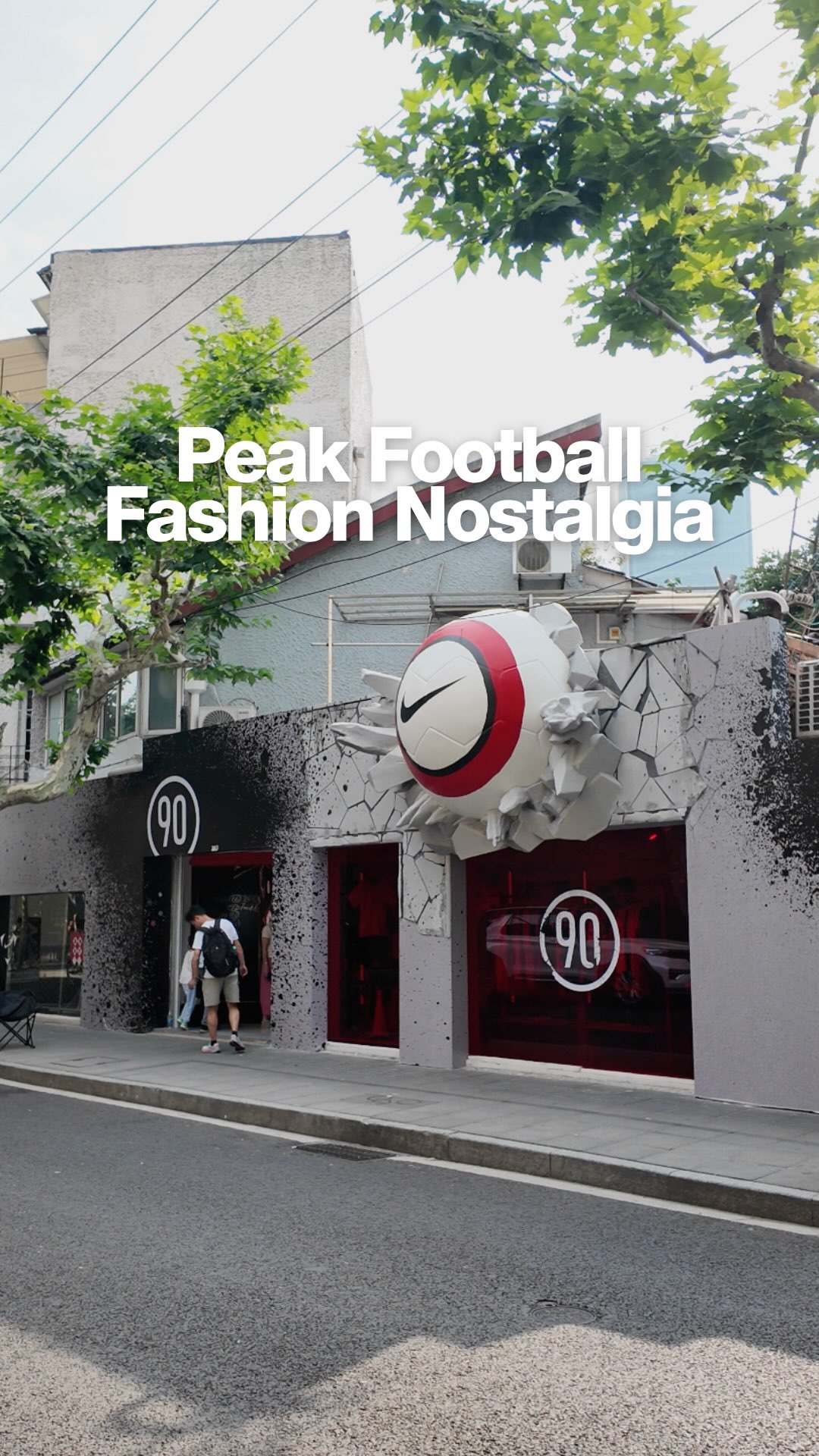 955.2K25.4×Nostalgic football fashion trend commentary@yaw_majesty · Event Showcase
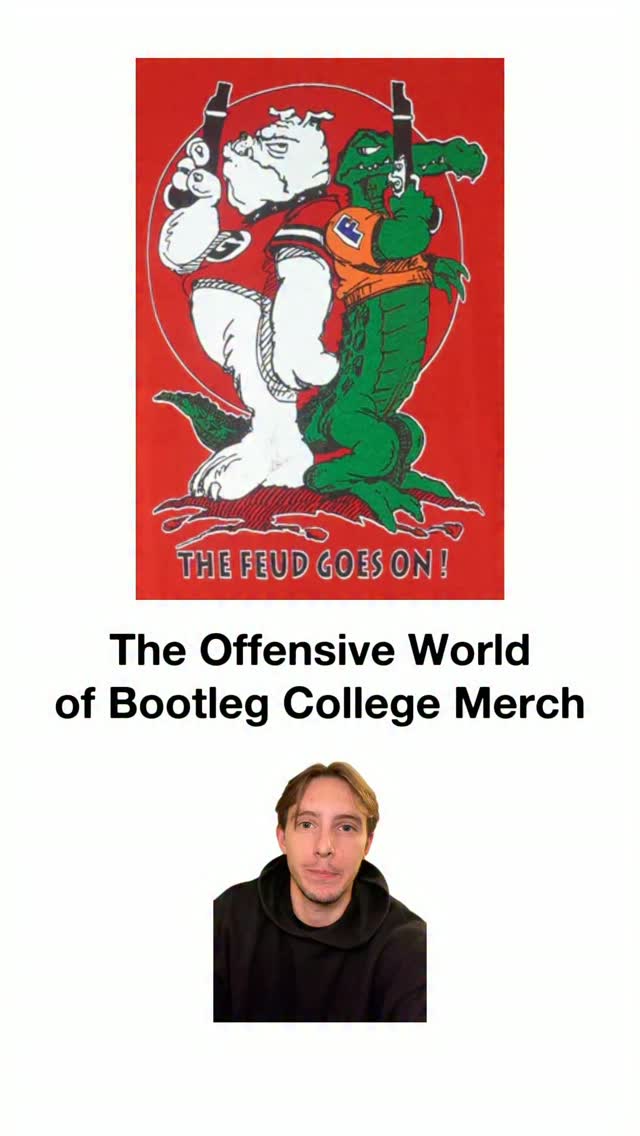 640.7K181.1×Comparing old vs new merch@lukas.mullen · Nostalgia Highlight
 199.3K18.5×Brand history and marketing breakdown@theoparisi__ · Case Study Breakdown
 360.2K45.5×Brand marketing strategy case study@theoparisi__ · Case Study Breakdown
 337.6K19.7×Brand marketing win breakdown@jordanrogers · Headlines
 162.6K1×Surprising brand origin story explained@jeffchen333 · Origin Story
[04]
[05]
What stops the scroll in the first 3 seconds
Verbal hook · 75%
There was a time when Kappa was the biggest kit sponsor in football.
Visual hook · 25%
A direct-to-camera shot of the speaker in a visually interesting striped beanie and jersey, followed by a quick cut to archival footage of a football player.
[06]
Steal this for your own video
There was a time when was the in .
[07]
The promise the opener makes, and how the video pays it back
Hook
The Counter-Intuitive Claim: Start with a bold, surprising statement about the subject's past dominance that directly contradicts its current public perception, creating an immediate curiosity gap.
Payoff
The Legacy & Resurgence: Conclude by demonstrating the subject's enduring legacy through the modern-day demand for its classic work, and showcase its current, ongoing relevance through new projects, bringing the story full circle.
[08]
The structural pattern this video runs on
Framework
The Cult Hero Chronicle
To reframe the legacy of a once-dominant but now niche entity by tracing its complete historical arc: a surprising rise from accidental origins, a golden age of influence, a dramatic fall from grace, and a modern-day resurgence.
The Relatability Anchor
The narrator establishes a personal, relatable connection to the subject's modern, less-prestigious state, grounding the grand historical claim in a familiar context.
The Serendipitous Origin
Recount the subject's humble, often accidental, and surprising origin story. This provides 'secret knowledge' and an underdog narrative that builds viewer investment.
The Strategic Ascent
Detail the first key partnerships or moves that propelled the subject from obscurity to legitimacy within its field, showing intentional growth.
The Golden Age Montage
Provide rapid-fire visual proof of the subject's peak influence by associating it with iconic figures, moments, and successes of that era, using borrowed credibility to cement its importance.
The Innovation Showcase
Isolate and explain a specific, game-changing innovation or contribution the subject made during its peak, proving its worth beyond just popularity or luck.
The Inevitable Decline
Explain the dual forces that led to the subject's fall: both the rise of powerful external competitors and a specific internal or cultural event that damaged its public image.
We need Kappa to remake their retros ASAP. #kappa #sportswear #90sfashion
Was a time when Kappa was the biggest kid sponsor in football. I started noticing it when I was scrolling through old photos of legend. And in almost every single photo of these guys is a Kappa logo running down their sleeve. As a kid, I had their bum bags and track jackets, but tier were always the budget option at shops, so I did some digging. Kappa started because of a batch of defective songs. A production error in the nineteen sixties caused a large order to get rejected, so the company started marking quality tested products with a k, and that k became Capa. In 1969, a photographer called Sergio Breddo was shooting a male and female model sitting back to back. During this shoot, his camera flash jammed, but Capa loved the silhouette that it created so much that it became their logo. One of the most recognizable logos in football was created from a mistake. Capa's first move in the football world was Juventus in 1979. Capa is a Turin based rank, and Juventus were the biggest club in Turin at the time. They also began working with AC Milan in '19 tier ever assembled was wearing Capa during their peak. And the thing about being a kit sponsor, if a team is successful while they're wearing your badge, that uniform becomes immortalized. This success allowed them to land tier. And at this point, they had no front of shirt sponsor. So outside of the club's badge, Capa was the only logo on the shirt. This deal so happened to coincide with r nine's Ballon d'Or year. Fair luck was so good that from 1979 to 2000, there was eleven years where the Ballon d'Or winner was wearing their logo. But it wasn't only about the names on the pick. The kids themselves worse genuinely ahead of their time. They were creating innovative designs and aesthetically pleasing ones. And the peak of tier innovation was probably their combat show. Italy gave Kappa the national team deal in 1999, and they created a skin tight lycra jersey designed to stop opponents from pulling shirts. And that was probably the biggest moment for Kappa because after that came the emergence of Nike and Adidas' total dominance of the football market. Not to mention in The UK, the brand took a cultural hit that was almost impossible to recover from. Little Britain in 2004 had a character playing into the chav stereotype wearing a pink Kappa tracksuit. They were making a caricature out of the exact type of person associated with the brand. This shifted public perception overnight, and it's similar to what was happening with Burberry in the February. But Capa's story doesn't end there because the demand for their vintage football gear is higher than better, and they're still making moves. The Tunisia Worse Cup kit is clean, and if you haven't seen what they've been doing with Fiorentina recently, go check it out. They're making to meet. But what they built from 1979 to 2000 leaves them in football cult hero status forever.