@holistic.grenade
Instagram · Split screen
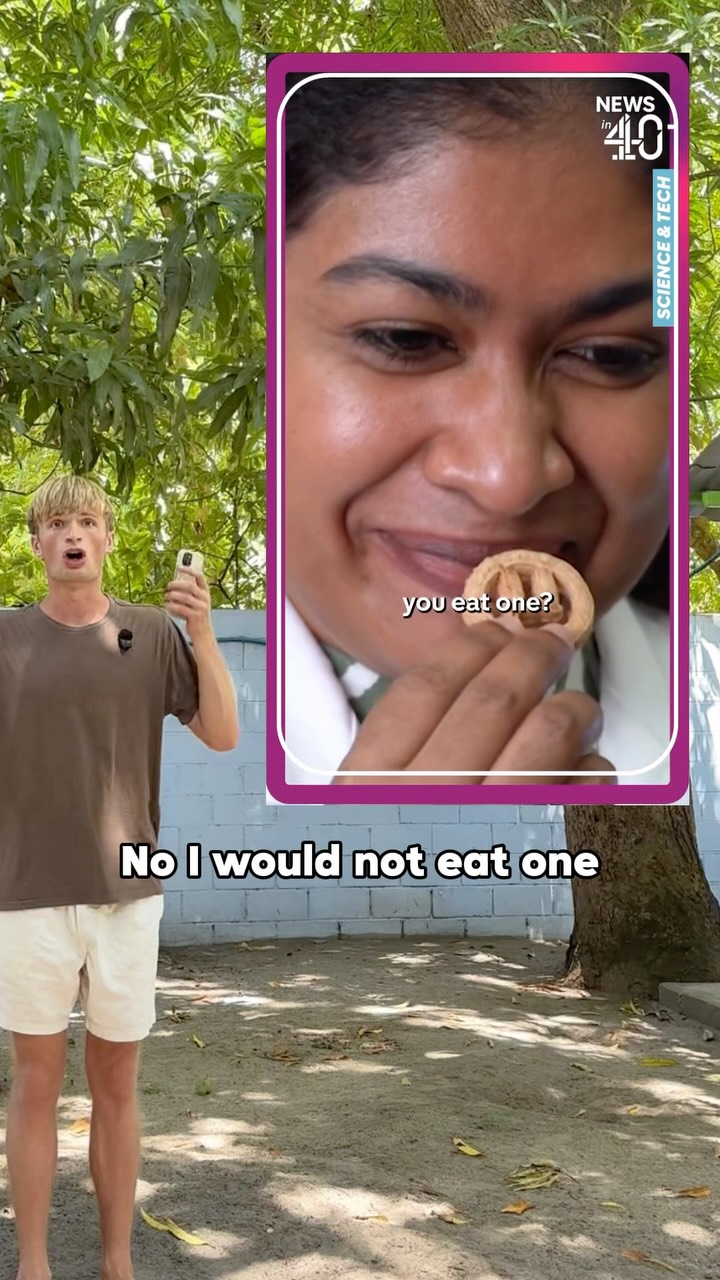
@holistic.grenade Plastic protein biscuits ☕️ #holistic #organic

@holistic.grenade
Instagram · Split screen
@holistic.grenade Plastic protein biscuits ☕️ #holistic #organic
Performance
Video #40390 · Split screen
[01]
The creator watches and reacts to a news report about a scientific innovation that turns plastic waste into edible, 3D-printed biscuits. He begins with sarcastic praise for the idea as a solution to plastic pollution, but as the report details the process and its secondary goal of solving food scarcity, his tone shifts. He concludes with a harsh rejection of the concept, denying the existence of a global food scarcity problem and stating he would not eat the product.
[02]
[03]
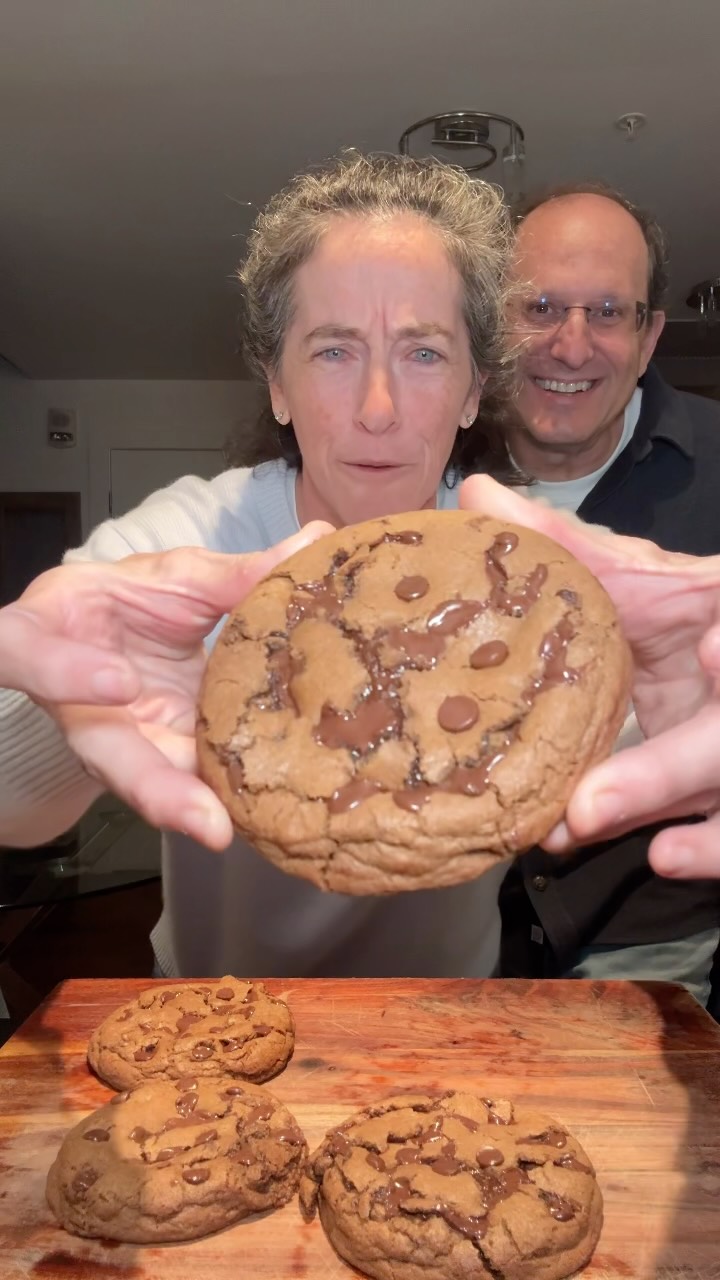 2.9M10.5×Creator uses witnesses for proof@arsenioeats · Social Proof Showcase
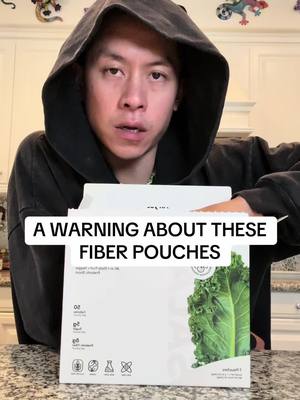 250.3KMisleading warning promotes fiber pouches@alanlinplus · Surprise Reveal
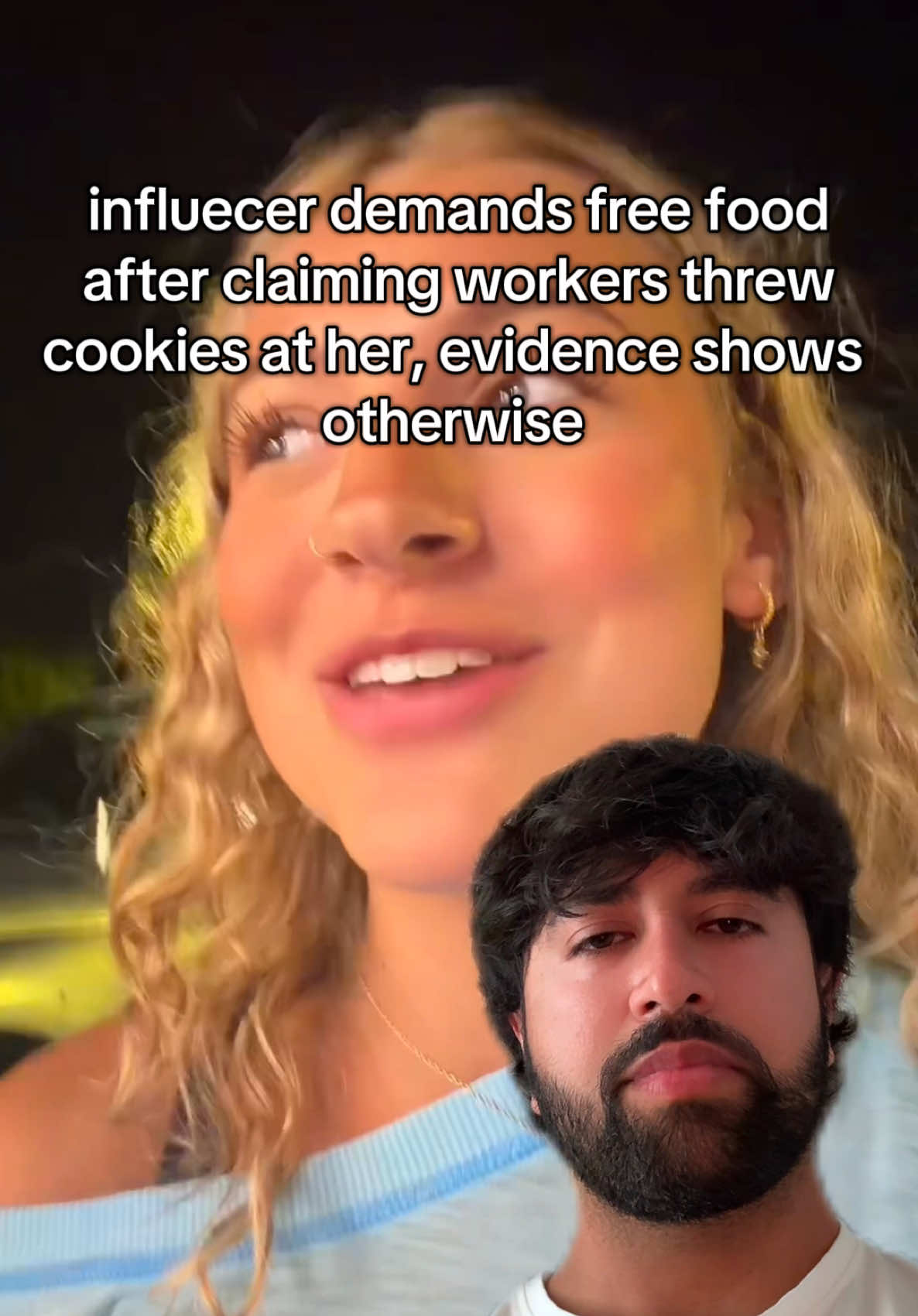 6.1M3.1×Commentator debunks influencer's false claim@daadisnacks · Breakdown
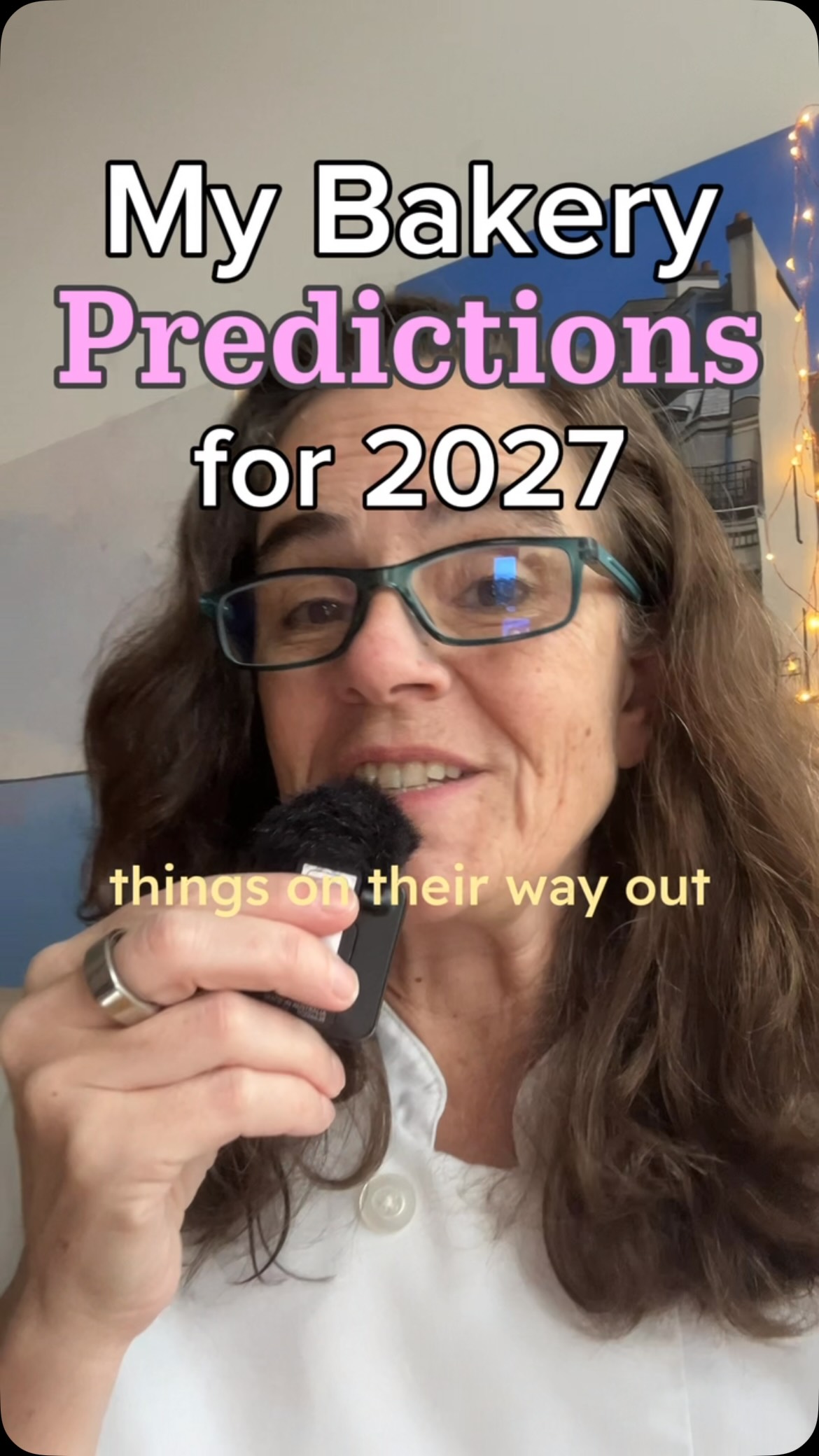 62.5K15.1×List of dying food trends@bellevillevt · Predictions
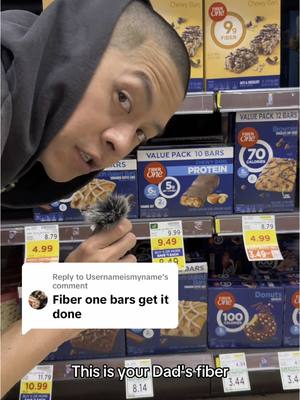 306.3KOld fiber product vs. new alternative.@alanlinplus · Good vs Bad
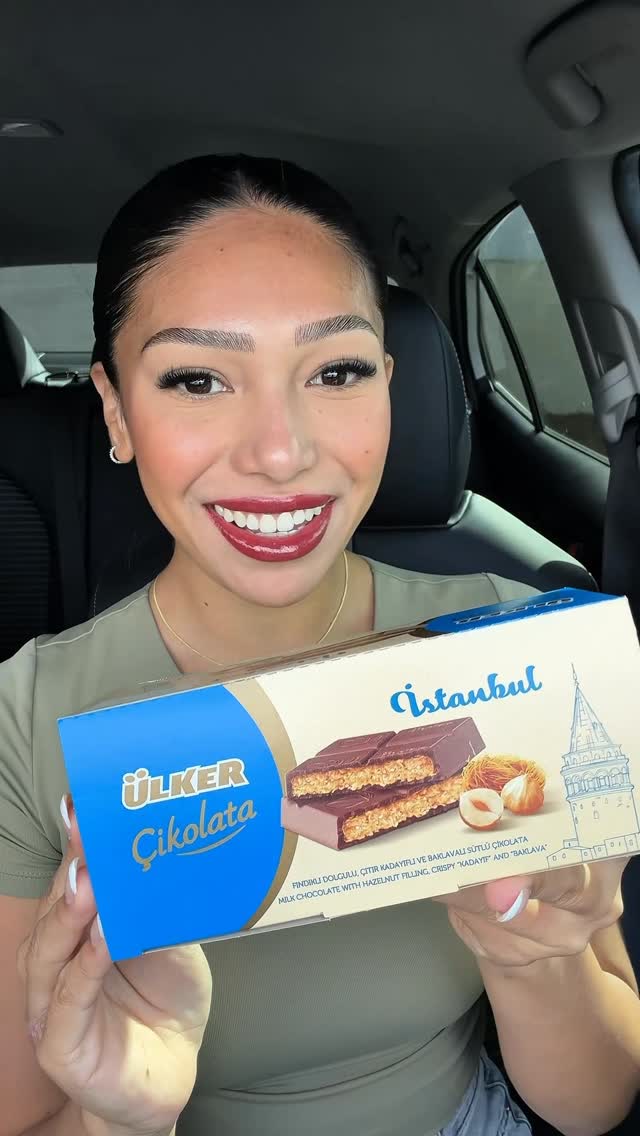 1.7M1×Finding and trying a hyped chocolate@keilapachecoeats · Review
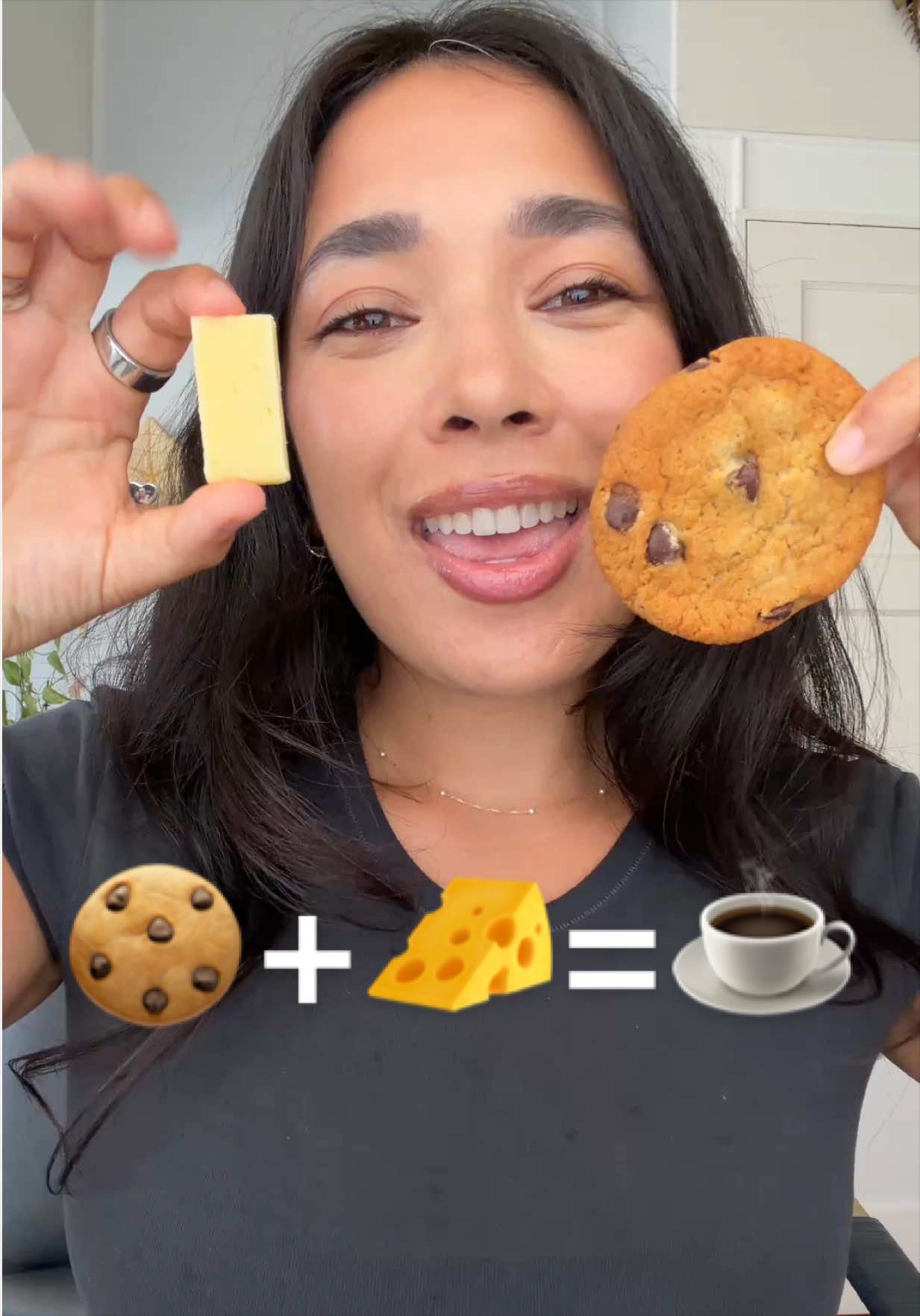 552.9K926.2×Testing weird food combination claims@itspeanutbutterjamietime · Will It X?
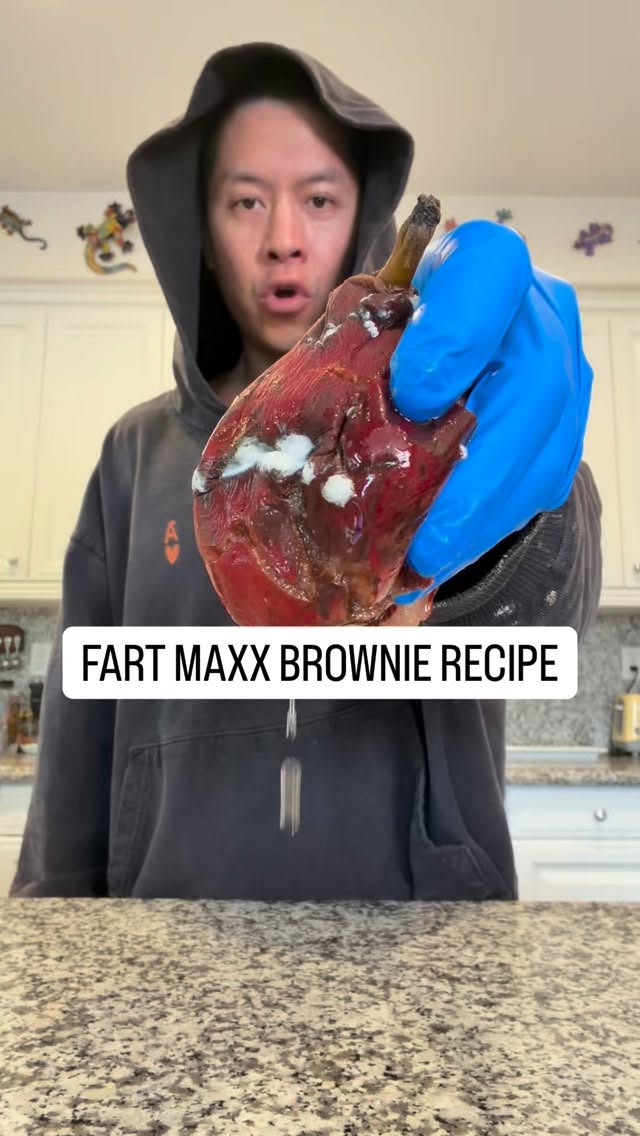 205.4KComedic high-fiber brownie recipe tutorial@alanlinplus · Satirical Expertise
 1.7M13.6×Fiber advice to prevent colon cancer@alanlinplus · Breakdown
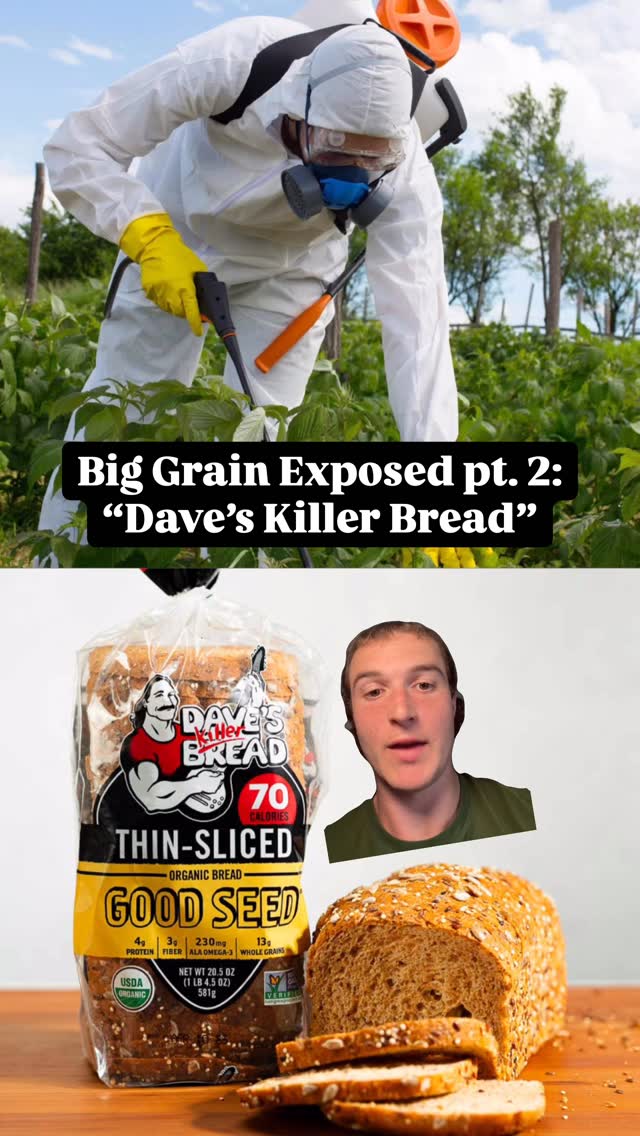 172.6K5.3×Exposing a healthy food brand@zephzoid · Breakdown
 511.4K22.6×Protein bar macro and taste review@livvjordann · Product Showcase
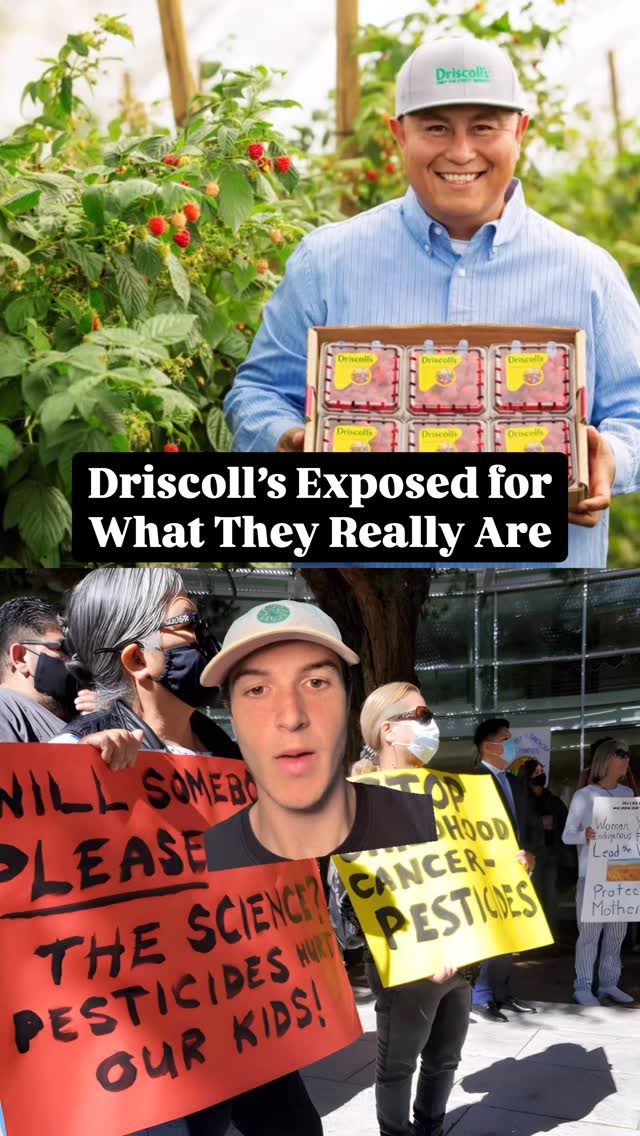 1.1M46.1×Exposing a brand with evidence@zephzoid · Breakdown
[04]
[05]
What stops the scroll in the first 3 seconds
Title hook · 42%
Would you eat biscuits made from plastic waste?
Verbal hook · 38%
Would you eat biscuits made from plastic waste?
Visual hook · 20%
A split-screen view showing a man on the left and an extreme close-up of unusually shaped, textured, 3D-printed biscuits on the right, creating immediate visual curiosity.
[06]
Steal this for your own video
Would you made from ?
[07]
The promise the opener makes, and how the video pays it back
Hook
An external source presents a provocative, counter-intuitive, or absurd question or statement that immediately challenges the viewer's common sense.
Payoff
The Common Sense Takedown. The creator drops the sarcastic persona, delivers a blunt and definitive rejection of the premise, and offers a simple, logical counter-argument that reframes the original problem correctly. This provides both a comedic punchline and a satisfying intellectual resolution.
[08]
The structural pattern this video runs on
Framework
The Absurdity Takedown
A creator reacts to an external piece of content that presents a bizarre or logically flawed premise. The creator initially feigns agreement through sarcasm before delivering a final, common-sense rebuttal that validates the audience's skepticism.
The Absurd Proposal
The external content lays out its core, unbelievable premise, establishing the central topic of disbelief.
The Ironic Endorsement
The creator reacts with exaggerated, sarcastic praise, treating the absurd idea as a genius solution. This establishes a comedic tone and builds anticipation for the inevitable reversal.
The Altruistic Justification
The external content provides a secondary, often noble-sounding, reason to support its flawed premise, adding another layer for the creator to deconstruct.
The 'How It Works' Interlude
A brief, pseudo-scientific explanation is offered by the source material to lend a veneer of credibility to the absurd idea, further heightening the contrast with the creator's impending rebuttal.
The Direct Challenge
The external content re-poses the initial question directly to the audience, teeing up the creator's final response and creating a moment of direct confrontation with the premise.
Plastic protein biscuits ☕️ #holistic #organic
title · beginning
Would you eat biscuits made from plastic waste?
informational · beginning
Wow what a great solution
informational · beginning
so let's just start eating the plastic
informational · beginning
this lady is a genius
contextual · middle
Sandhya Jayasekara Southern Illinois University
informational · end
No I would not eat one
informational · end
the world is not facing a food scarcity issue
informational · end
the world is facing a plastic waste issue
Would you eat biscuits made from plastic waste? Researchers are developing a way to turn plastic bottles into protein rich three d printed snacks. We are providing a solution for plastic waste accumulation in the environment. Wow. What a great solution. There's too much plastic in the worse, so let's just start eating the plastic. This lady is a genius. Let's keep watching. Secondly, we are providing, an alternative food source to answer the food scarcity issues currently the world is facing. They use engineered yeast to break down PET, the plastic found in many water bottles, and agricultural waste. This is then converted into protein and other food ingredients. The biscuits aren't approved for tasting yes, and they're a long way from supermarket shelves. But researchers hope the technology could help produce food in extreme environments. So would you eat one? No. I would not eat one. I'm not retarded. The world is not facing a food scarcity issue. The world is facing a plastic worst.