@fdotinc
Instagram · Talking Head Edit

@fdotinc what would your cyberdeck look like? #cyberdeck #tech #engineering #history

@fdotinc
Instagram · Talking Head Edit
@fdotinc what would your cyberdeck look like? #cyberdeck #tech #engineering #history
Performance
Video #40540 · Talking Head Edit
[01]
The creator explains the history of cyberdecks, tracing their origins from rugged military field computers of the 1970s and 80s. He connects this to William Gibson's 1984 sci-fi novel "Neuromancer," which coined the term, and then shows how modern-day makers have brought this fictional concept to life by building their own portable computers from military surplus and everyday upcycled items, turning it into a form of artistic expression.
[02]
[03]
 254.8K26.8×Relatable Y2K nostalgia commercial skit@clayxscott · Nostalgia Highlight
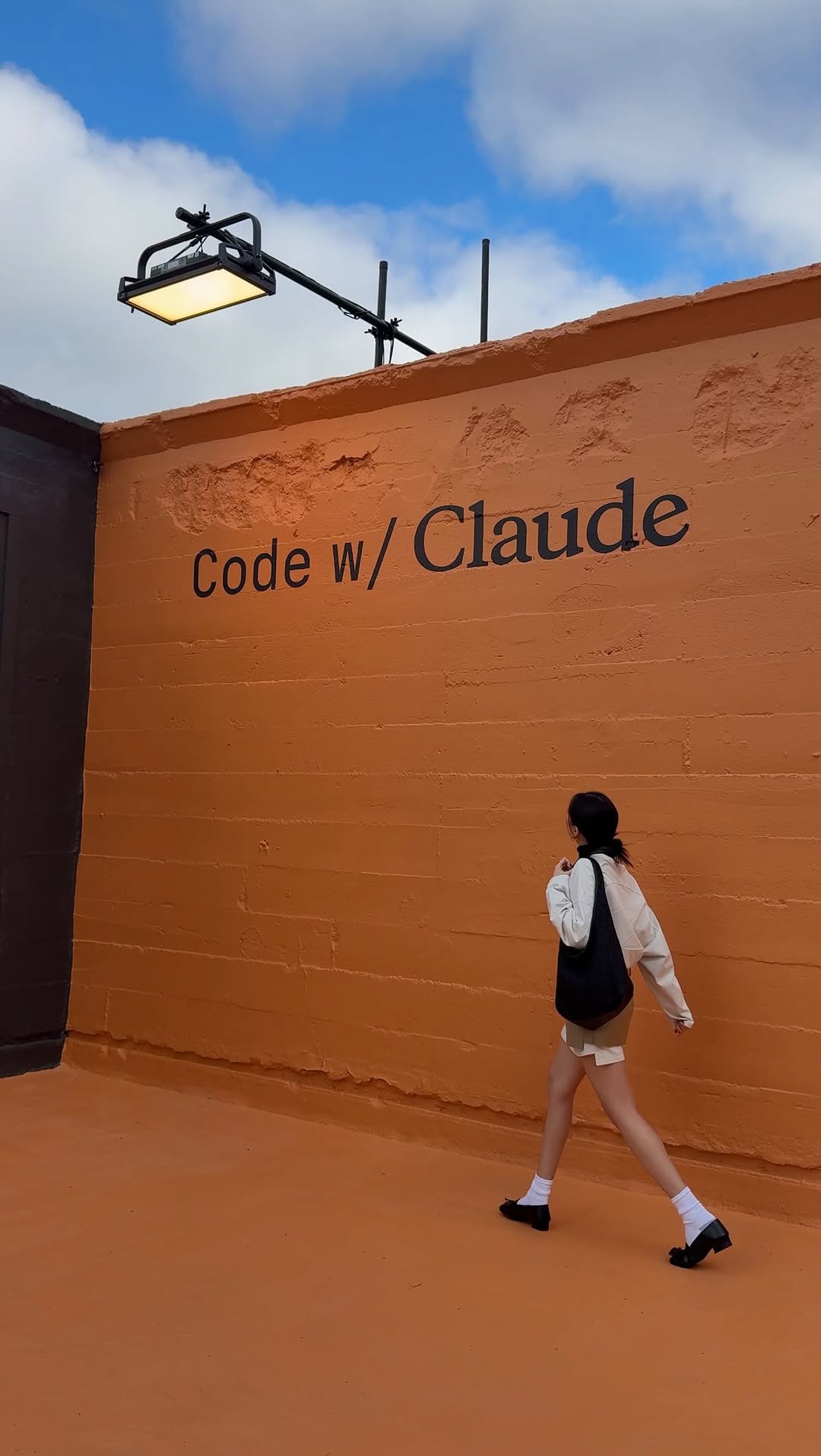 2M12.7×List of cool conference features@meshtimes · Event Showcase
 493.7K67.6×Nostalgic deep dive on 90s show@mike_sunday · Nostalgia Highlight
 366.7K22×Explaining old Japanese phone culture@mike_sunday · Nostalgia Highlight
 767.5K12.1×Showcasing a retro car gadget@flock_mfg · Show and Tell
 887.3K9.1×Found ancient computer while moving@bberkleyyy · Relatable One Shot
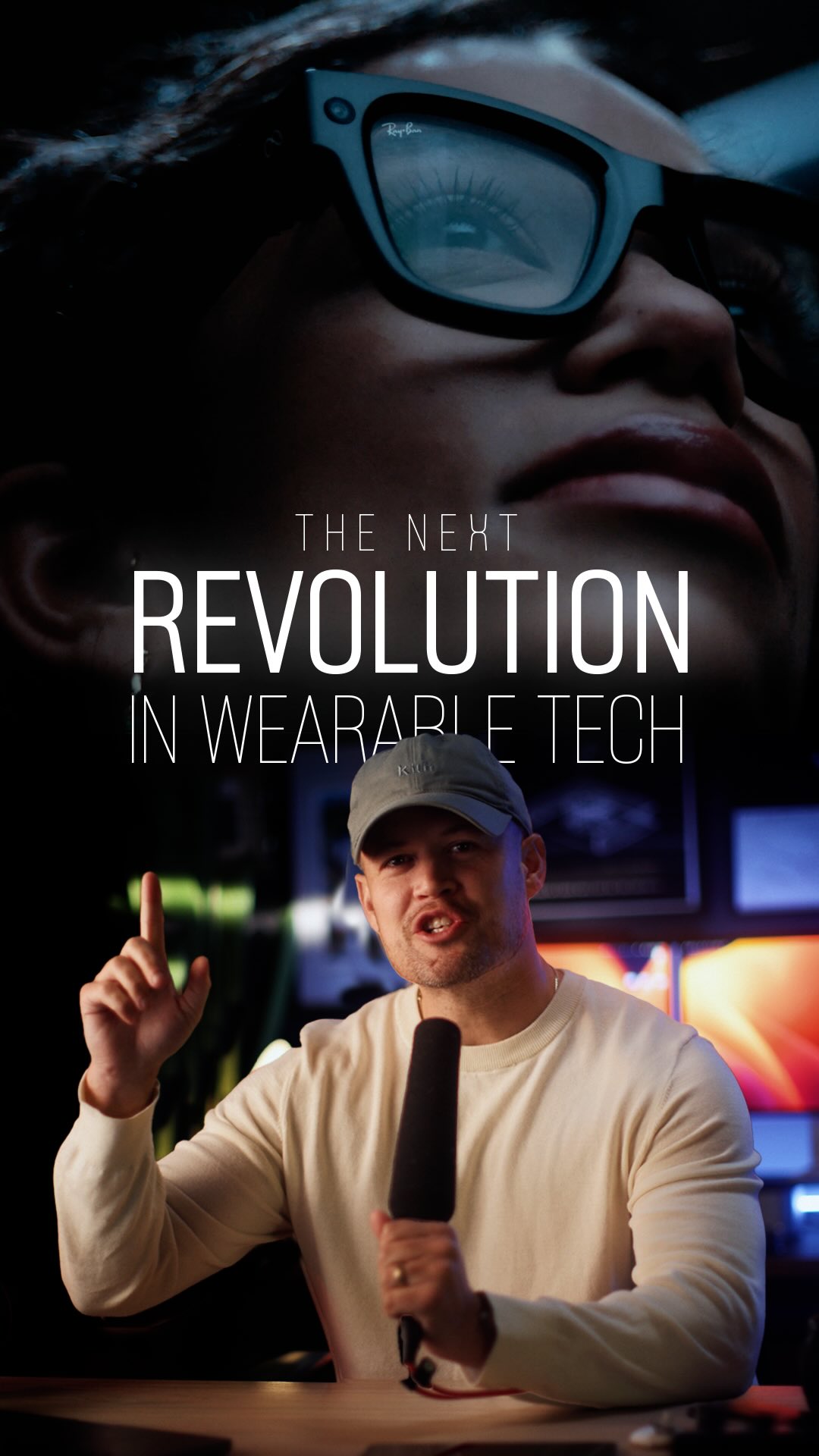 9.5M6.2×Split-screen tech product showcase@rpn · Product Promo
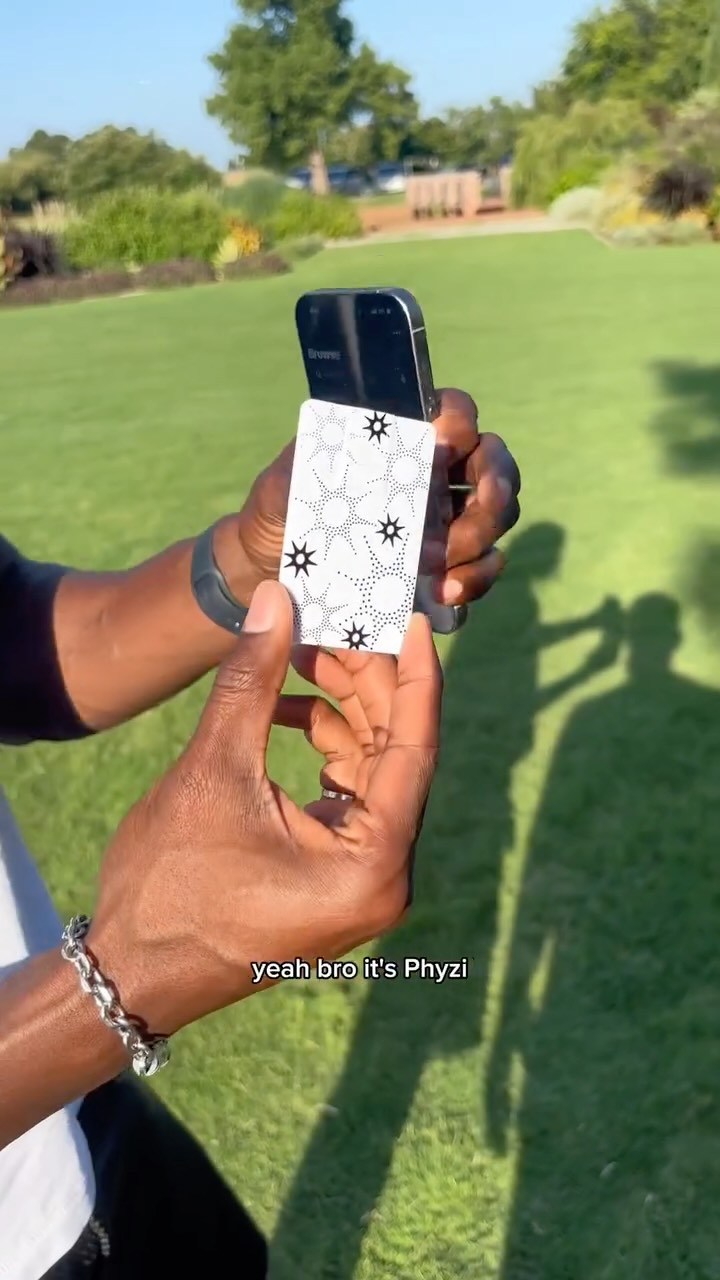 111.7K308.7×Skit demonstrates new music product@kwetheartist · Product Demo
 1.9M2.7×Build and skate custom keyboard board@skateshapez · Process
 274.8K21.4×Founder introduces custom engineered product@screwellis · Origin Story
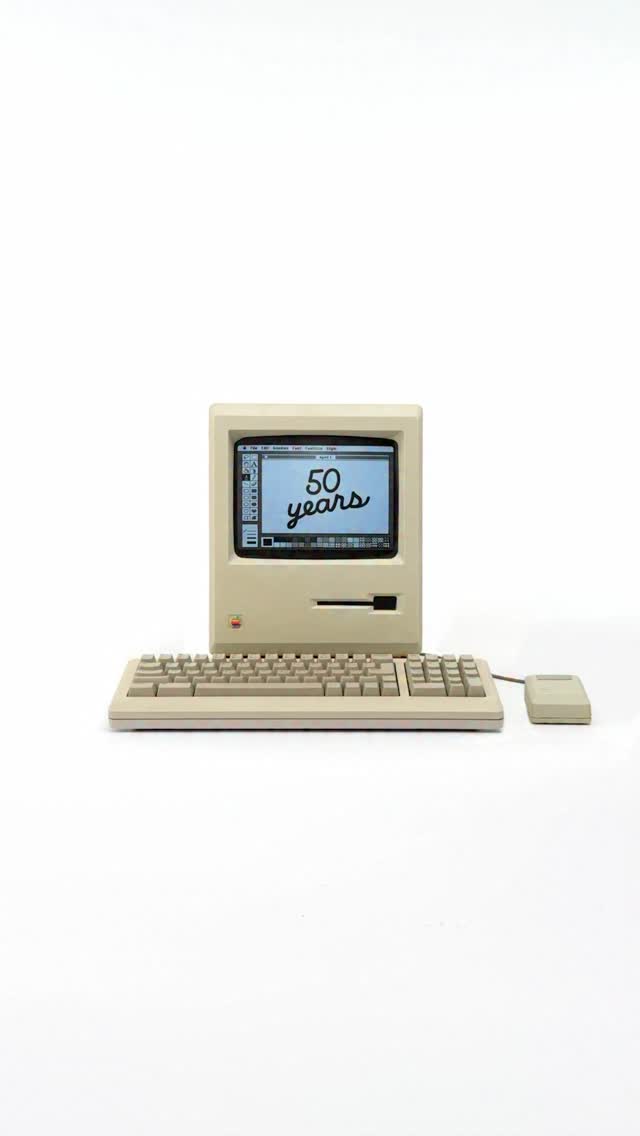 5.4M11.1×Vintage computer is actually cake@apple · Strange but True
 472.5K390.5×POV digital CD app demo@jeongyoon.design · Product Promo
[04]
[05]
What stops the scroll in the first 3 seconds
Title hook · 35%
post-apocalyptic
Verbal hook · 50%
This post apocalyptic resource from war zones is now a modern day form of techno artistic expression.
Visual hook · 15%
A close-up shot of a rugged, military-grade computer displaying a topographical map, with a gloved hand using a stylus on the screen. The tactical aesthetic and specialized equipment immediately create intrigue.
[06]
Steal this for your own video
This resource from is now a modern day form of .
[07]
The promise the opener makes, and how the video pays it back
Hook
The Transformation Thesis: A bold statement that juxtaposes an object's gritty, functional past with its creative, expressive present, creating immediate intrigue.
Payoff
The Philosophical Purpose & Call to Imagination: Articulates the deeper meaning or 'why' behind the modern movement (e.g., personal expression over utility) and directly invites the viewer to participate creatively by asking an open-ended, imaginative question.
[08]
The structural pattern this video runs on
Framework
The Historical Evolution Blueprint
Tracing the journey of a niche concept from its functional, real-world origins, through a pivotal cultural catalyst (like a book or film), to its modern-day creative reinterpretation by a community.
The Utilitarian Origin
Establishes the original, practical purpose and real-world context of the subject, grounding it in a functional reality.
The Cultural Catalyst
Introduces a key piece of media or a cultural moment that redefined, named, or popularized the subject, shifting it from pure function to a conceptual idea.
The Modern Realization
Demonstrates how a community has brought the new, culturally-defined version of the subject to life, often using accessible modern tools and referencing the original form.
The Creative Expansion
Showcases how the concept has evolved beyond its initial reinterpretation, incorporating a wider range of styles and materials to prove its versatility and accessibility.
what would your cyberdeck look like? #cyberdeck #tech #engineering #history
contextual · beginning
post-apocalyptic
contextual · beginning
resource
contextual · beginning
techno-artistic expression
contextual · middle
Neuromancer
contextual · middle
the cyberdeck
contextual · middle
Raspberry Pis
contextual · end
hardware deeply personal
branding · end
Insights by @fdotinc
This post apocalyptic resource from war zones is now a modern day form of techno artistic expression. Back in the seventies and eighties, the military had these rugged boxy field computers best to withstand combat conditions like dust, shock or extreme heat. One One of them even went into space. But in 1984, science fiction writer William Gibson wrote a book called Neuromancer in which he imagined hackers building their own portable computers from military and black market scraps. He called them cyberspace decks which was shortened to the cyberdeck. But fast forward forty years and people, like we tend to do, have brought fiction into reality. Makers and builders everywhere have hunted down actual military surplus like old radio cases, ammo boxes, and pelican cases to then combine with cheap computer boards like raspberry pies to create their own cyberdecks in real life. But the curious thing is that it doesn't even stop at military gear anymore. Everyday people are upcycling anything from purses to toolboxes to even briefcases into their own cyberdecks because these bulky lovable mini computers were never about their utility, but about making building hardware deeply personal and accessible to anyone. No, what will you build your cyberdeck out of?