@thegilliamfam
Instagram · Vlog
@thegilliamfam Drop in the comments did your parents teach you to notice or did you have to figure it out on your own? #parenting #marriedlife #marriage #married #fathers

@thegilliamfam
Instagram · Vlog
@thegilliamfam Drop in the comments did your parents teach you to notice or did you have to figure it out on your own? #parenting #marriedlife #marriage #married #fathers
Performance
Video #40626 · Vlog
[01]
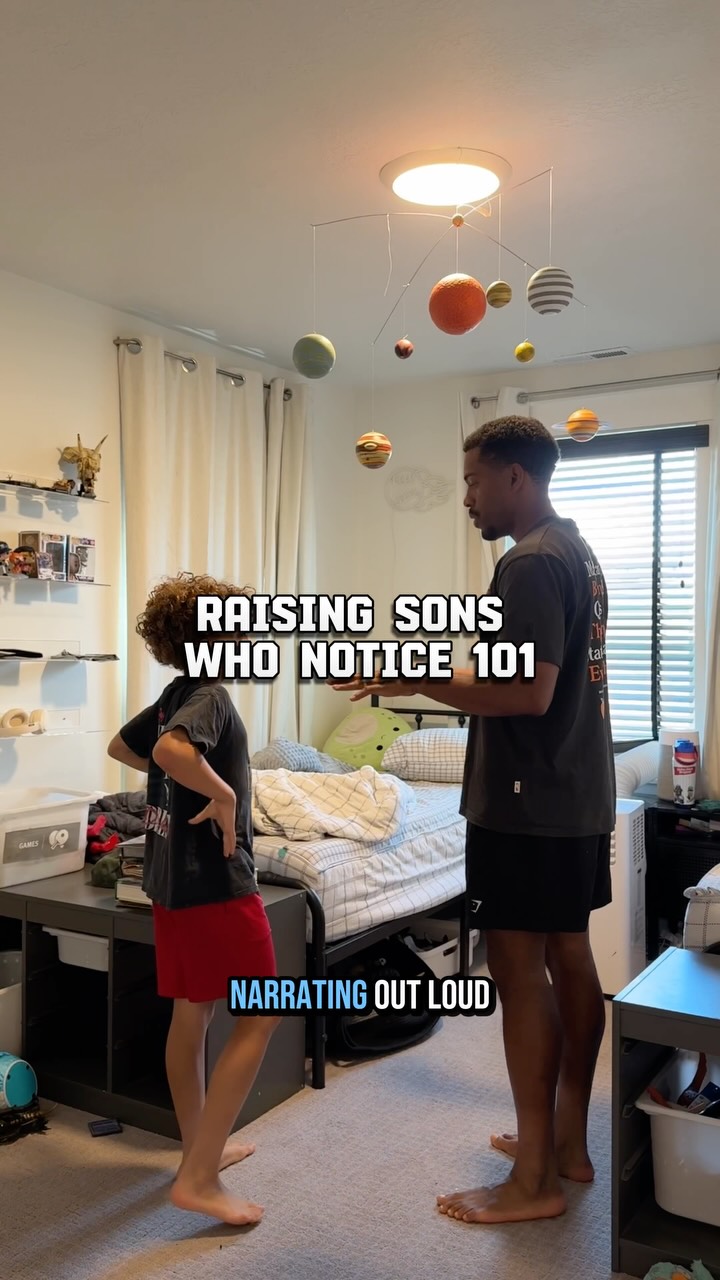
The creator, a father, presents the second part of his series on "Raising Sons Who Notice." He explains and demonstrates his two-step method for teaching children to be more observant and proactive with household chores: first, by narrating his own actions out loud (recapped from part one), and second, by prompting his son to scan a room and identify what needs to be done without direct instruction. The video shows the father and son cleaning the son's bedroom together, with the father's voiceover explaining the psychological goal is to build the skill of observation, not just to complete a chore.
[02]
[03]
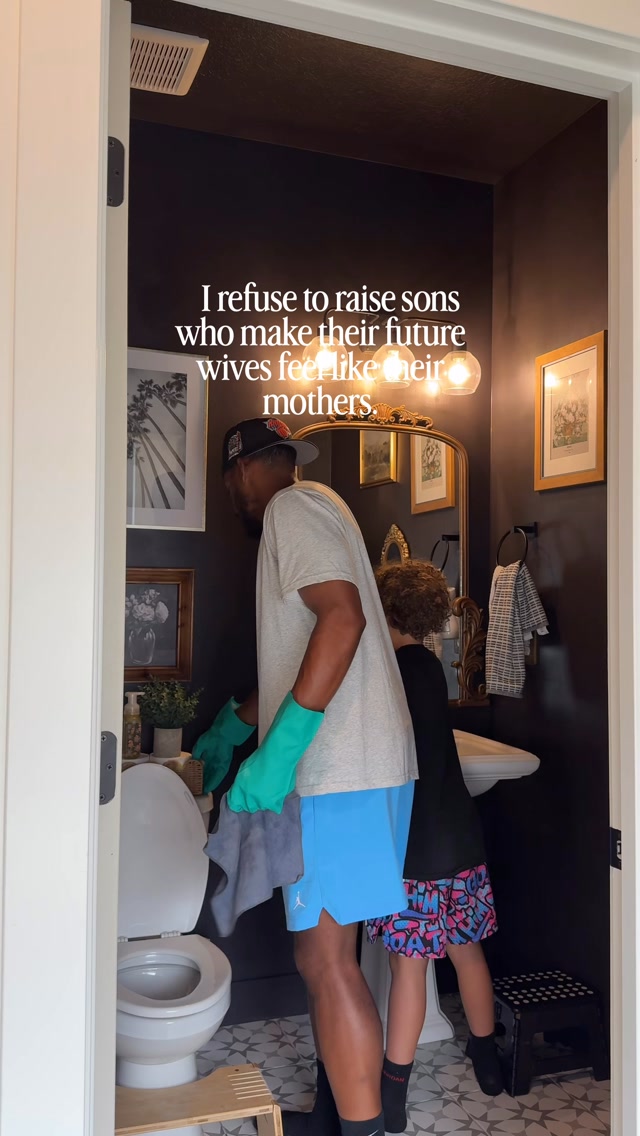 743.5K296.8×Montage of family cleaning together@thegilliamfam · Lifestyle Showcase
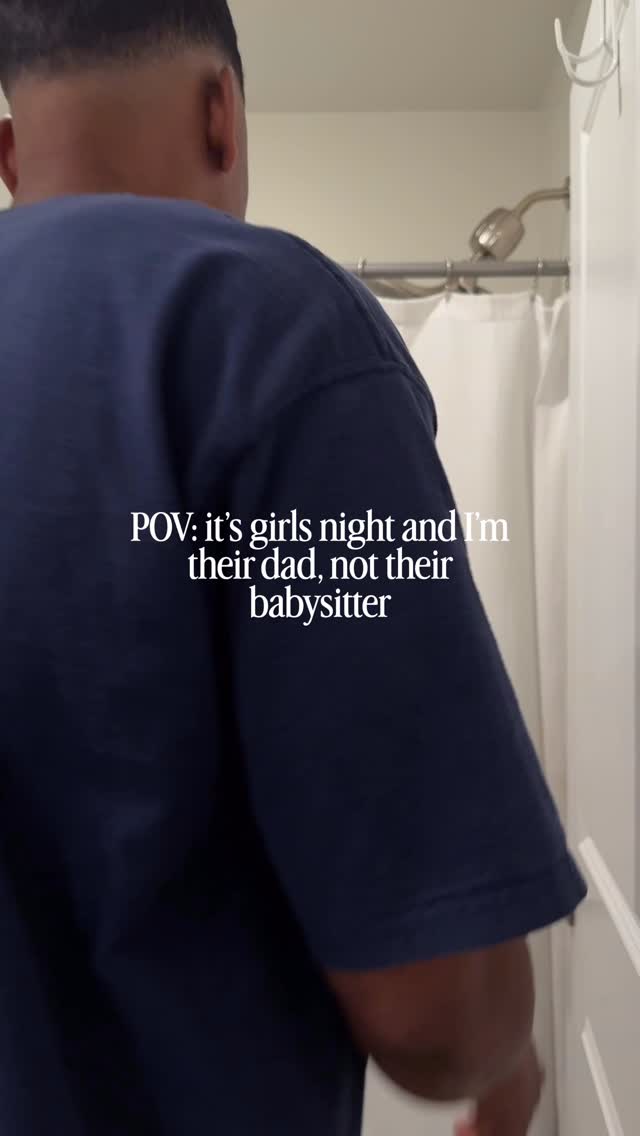 179K22.5×Father showcases evening kid routine@thegilliamfam · Lifestyle Showcase
 279.5K58.1×Song celebrating dads cleaning habits@pinesol · Archetype Performance
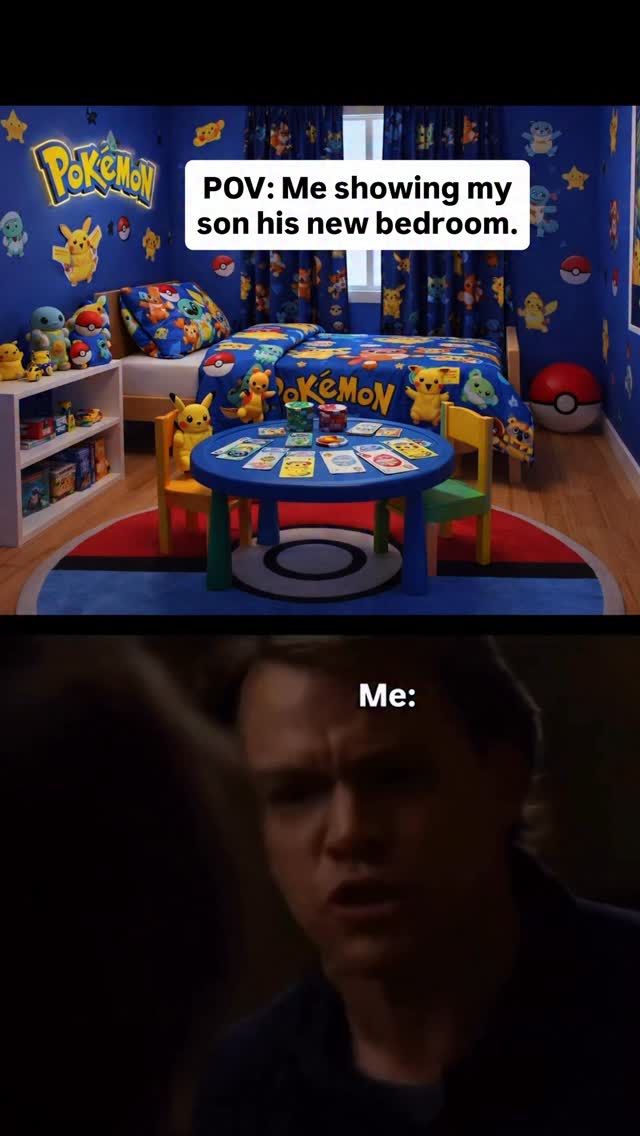 696.1K5.4×Relatable meme about parenting dreams@tradeshopcc · Relatable Skit
 2.1MDad's indirect apology skit@remyzeee · Relatable Skit
 349.1K59.7×Dad character product review skit@nicky.cass · Relatable Skit
 162.8K262.2×Toddler doing laundry chore montage@sanjukecyy
 217.8K4.6×Son helps dad demo product.@noble.design.dessau · Product Demo
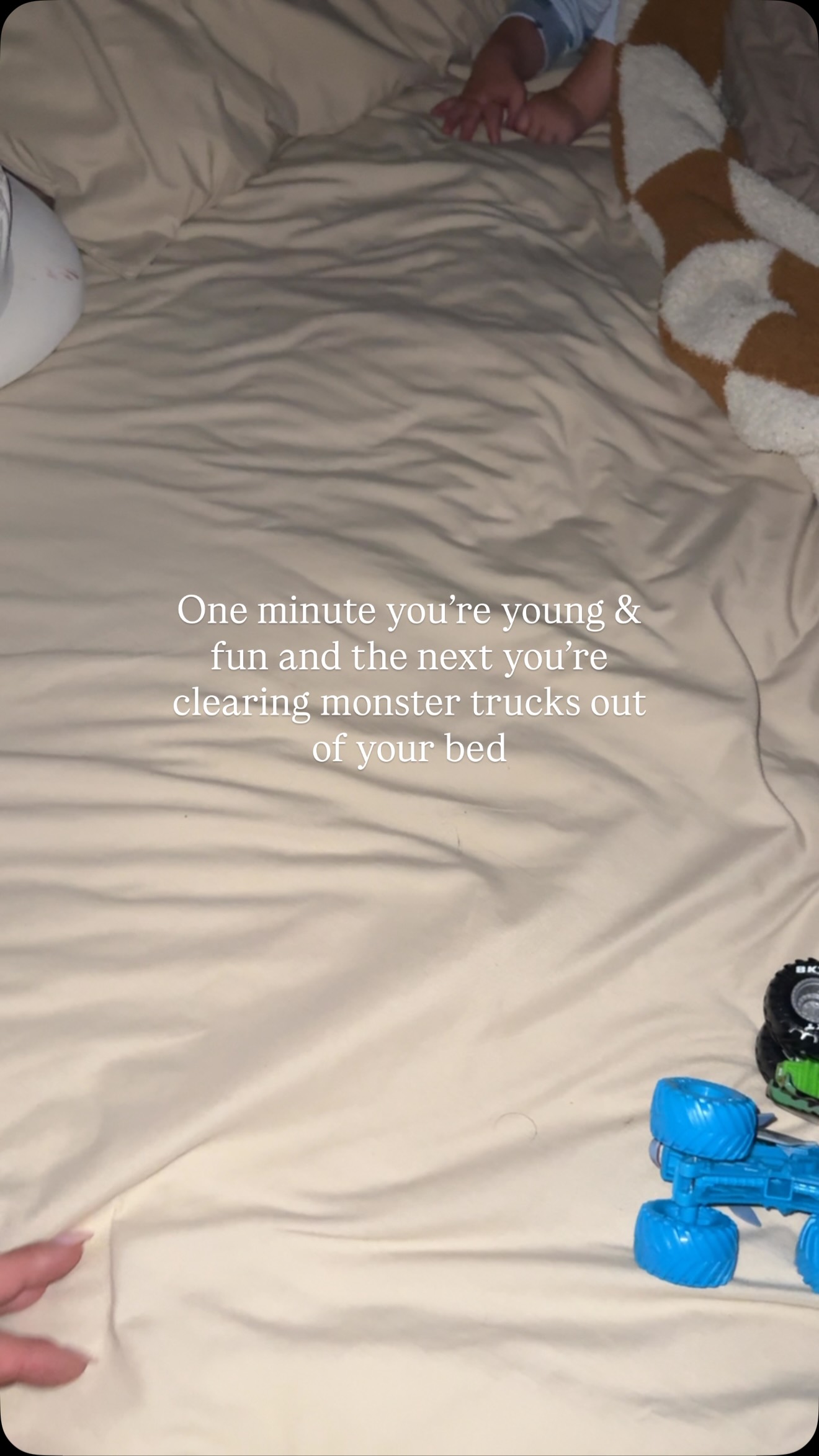 289.6K152.4×Relatable text over clearing toys@stephdavisgraves · Relatable One Shot
 1.1M2.2×Soap transforms girl into stereotype@specializedgerman · Relatable Skit
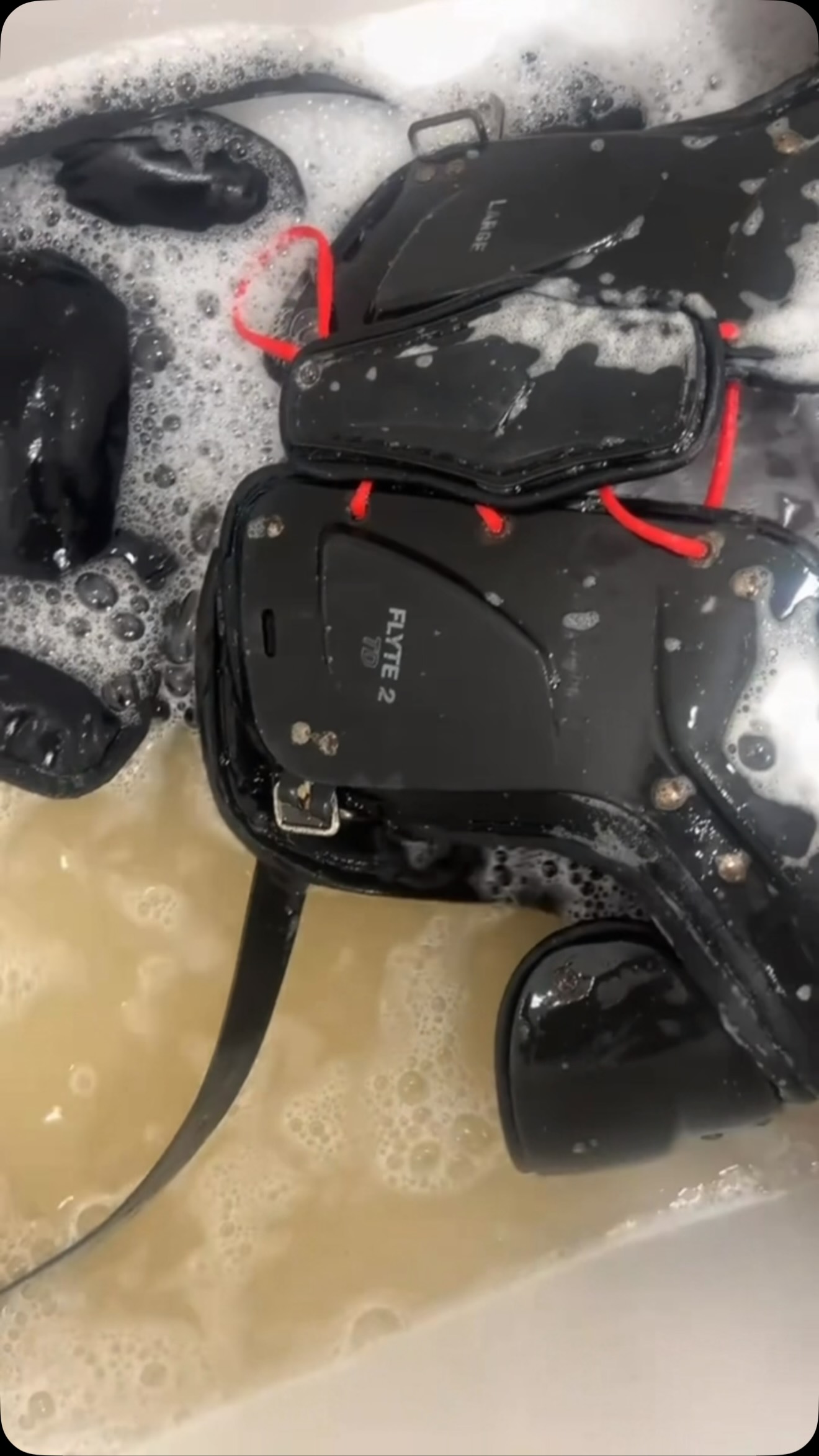 787.1K11×Comedic reaction to washing football pads@champwroteit · Reaction
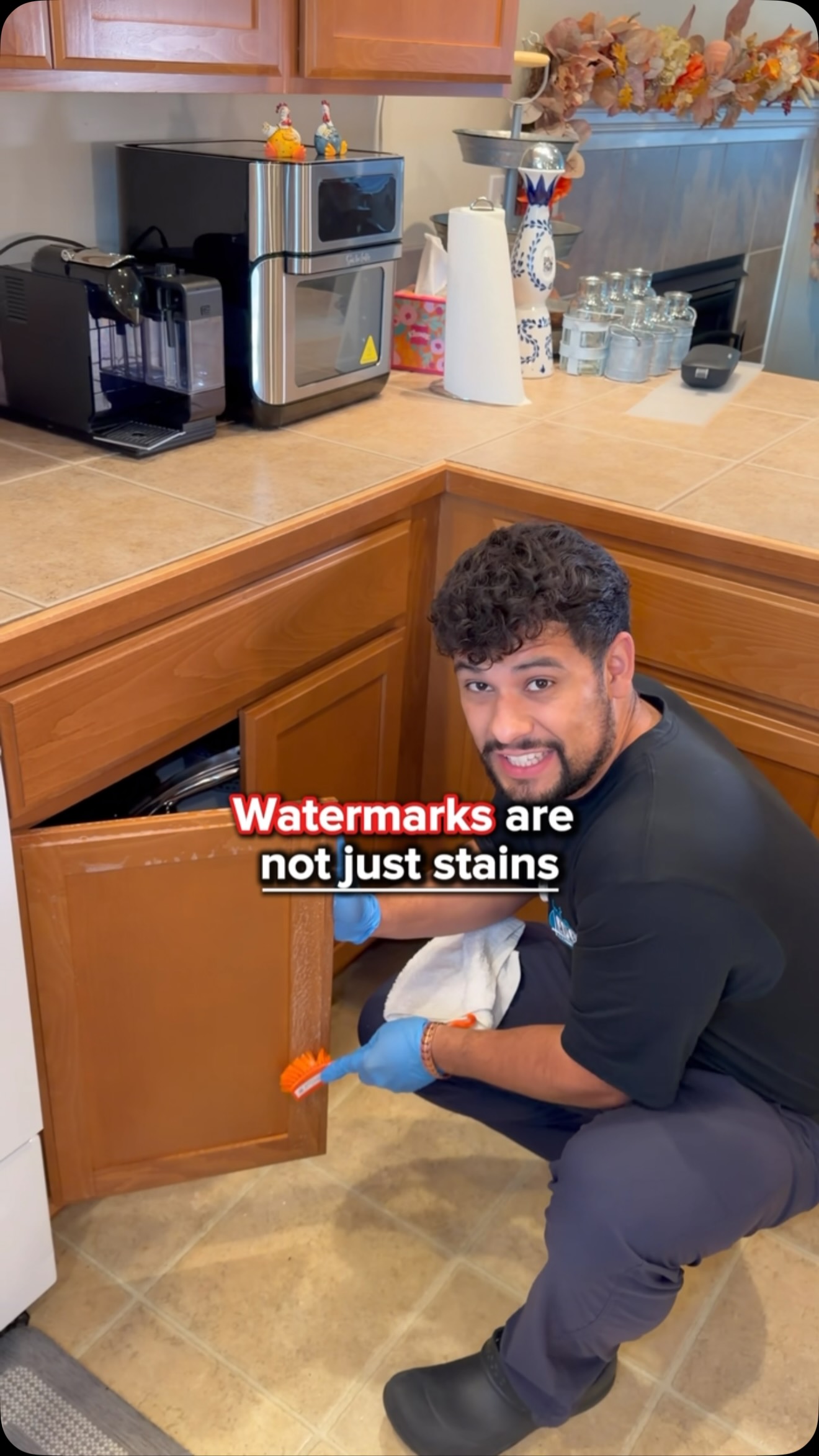 1M14.2×Problem and solution cleaning hacks@edgecleaningwa · Rapid Fire Listicle
[04]
[05]
What stops the scroll in the first 3 seconds
Title hook · 35%
RAISING SONS WHO NOTICE 101
Verbal hook · 55%
So you tried narrating out loud and you don't think your kids are picking it up.
Visual hook · 10%
A father and his young son stand in a doorway, establishing an immediate parent-child dynamic and a theme of guidance and teaching.
[06]
Steal this for your own video
So you tried out loud and you don't think your is picking it up.
[07]
The promise the opener makes, and how the video pays it back
Hook
Directly addresses the audience's frustration with a common, but often ineffective, solution, creating immediate relevance and promising a better way forward.
Payoff
Defines the aspirational, long-term outcome of applying the method. The payoff isn't just a completed task, but the eventual obsolescence of the method itself, signifying true mastery has been achieved by the subject.
[08]
The structural pattern this video runs on
Framework
The Two-Step Mastery Guide
To establish authority and provide value by framing advice as a sequential, two-part process. It validates the audience's initial efforts (Step 1) before introducing a more advanced, counter-intuitive technique (Step 2) that builds a deeper skill rather than just solving a surface-level problem.
The Bridge & Recap
Frames the content as the next installment in a series, recapping the previous 'step' to establish context and reinforce the creator's systematic approach. This makes the work feel like a structured lesson plan.
The New Principle
Clearly and concisely states the new, advanced principle ('Step 2'). This acts as the video's core thesis statement, telling the viewer exactly what new skill they are about to learn.
The Method Demonstration
Provides a concrete, actionable demonstration of the new principle. It explains the 'how' by detailing specific actions to take and, crucially, what actions to avoid, adding a layer of expert nuance.
The Skill-Building Clarification
Elevates the advice by reframing the objective. It clarifies that the true goal is not the immediate outcome (a clean room) but the development of a long-term, underlying skill (observation), which increases the perceived value of the lesson.
The Practicality Proviso
Anticipates and neutralizes potential audience objections (e.g., 'this is too much work,' 'this is micromanaging') by providing realistic guidelines for implementation. This makes the advice feel more achievable and less demanding.
The Core Formula Summary
Distills the entire two-step process into a simple, memorable mantra that summarizes both the previous and current lessons, making the key takeaway easy to recall and apply.
Drop in the comments did your parents teach you to notice or did you have to figure it out on your own? #parenting #marriedlife #marriage #married #fathers
title · beginning
RAISING SONS WHO NOTICE 101
call-to-action · end
FOLLOW ALONG BECAUSE
No you tier narrating out loud and you don't think your kids are picking it up. Keep going. But now it's time to make them do the work. This is episode two of Raising Sons Who Noticed. Last time I talked about narrating your own actions out loud. Not just so your kids can hear how you think, but so the work stops happening silently in the background. Because when it's invisible to them, it doesn't exist to them. Step two is making them use their own eyes. And the way I do that is by asking questions. Before one of my boys leave a room, I'll stop him and ask, before you leave, do you notice anything? Is there anything in here that you could take with you in another room? I'm not pointing at anything. I'm not giving them a hint. I want their eyes to scan a room on their own because that's the actual scale I'm building. Not clean a room, not a completed chore. Just the ability to look around a space and see what needs to be done without being told. You don't have to do this every single time they leave a room. This isn't about micromanaging every moment. It's about using the right moments consistently enough that their brain starts doing it on its own. Narrate what you do no they see the work. Ask questions so they learn to see it themselves. The goal isn't for them to answer the question right every tier. The goal for them is to eventually stop needing the question at all. Follow along because we're just getting started.