Viral Hooks
Trending short videosExplaining a cultural history connection
F

@fraim.world

Instagram · Faceless

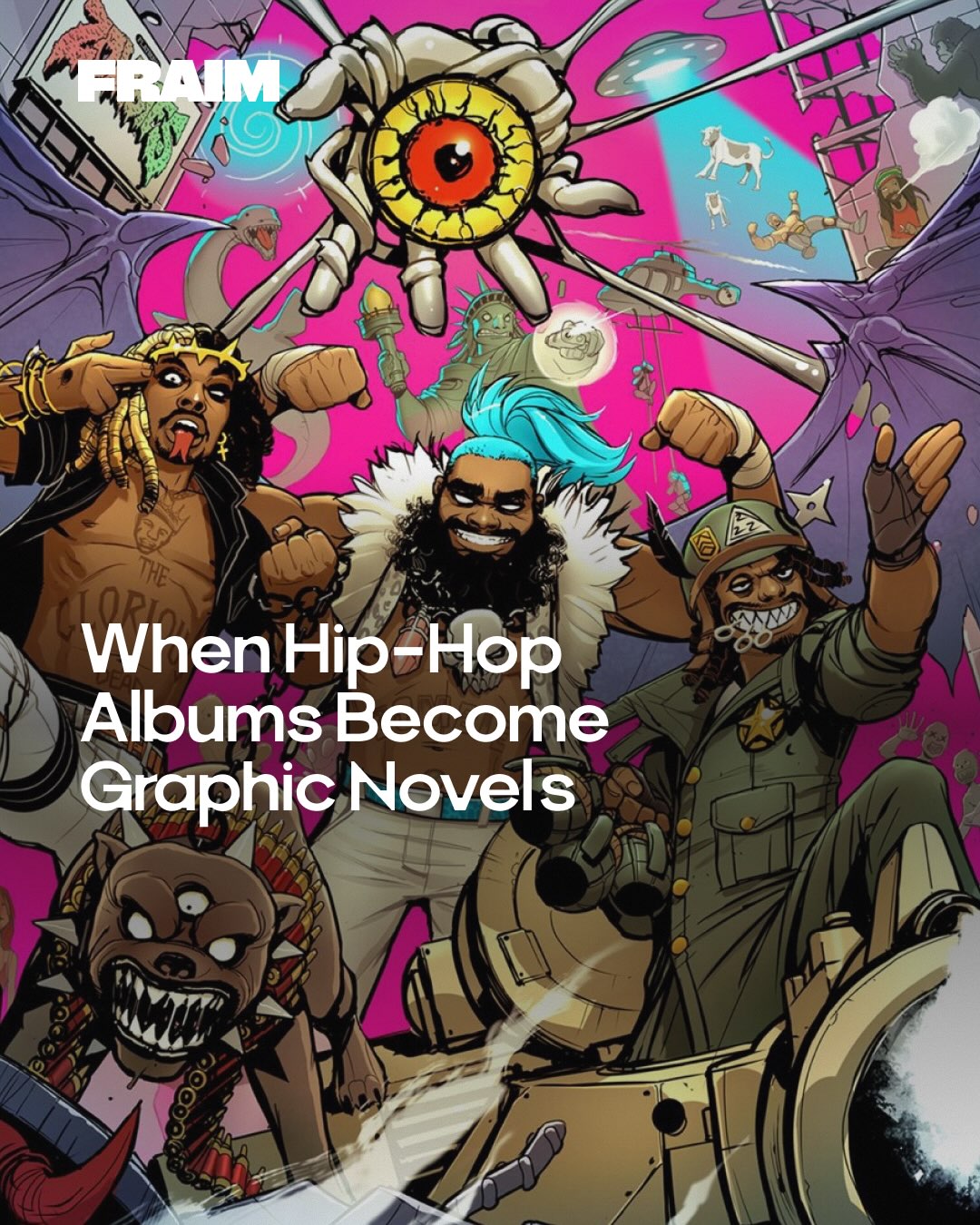
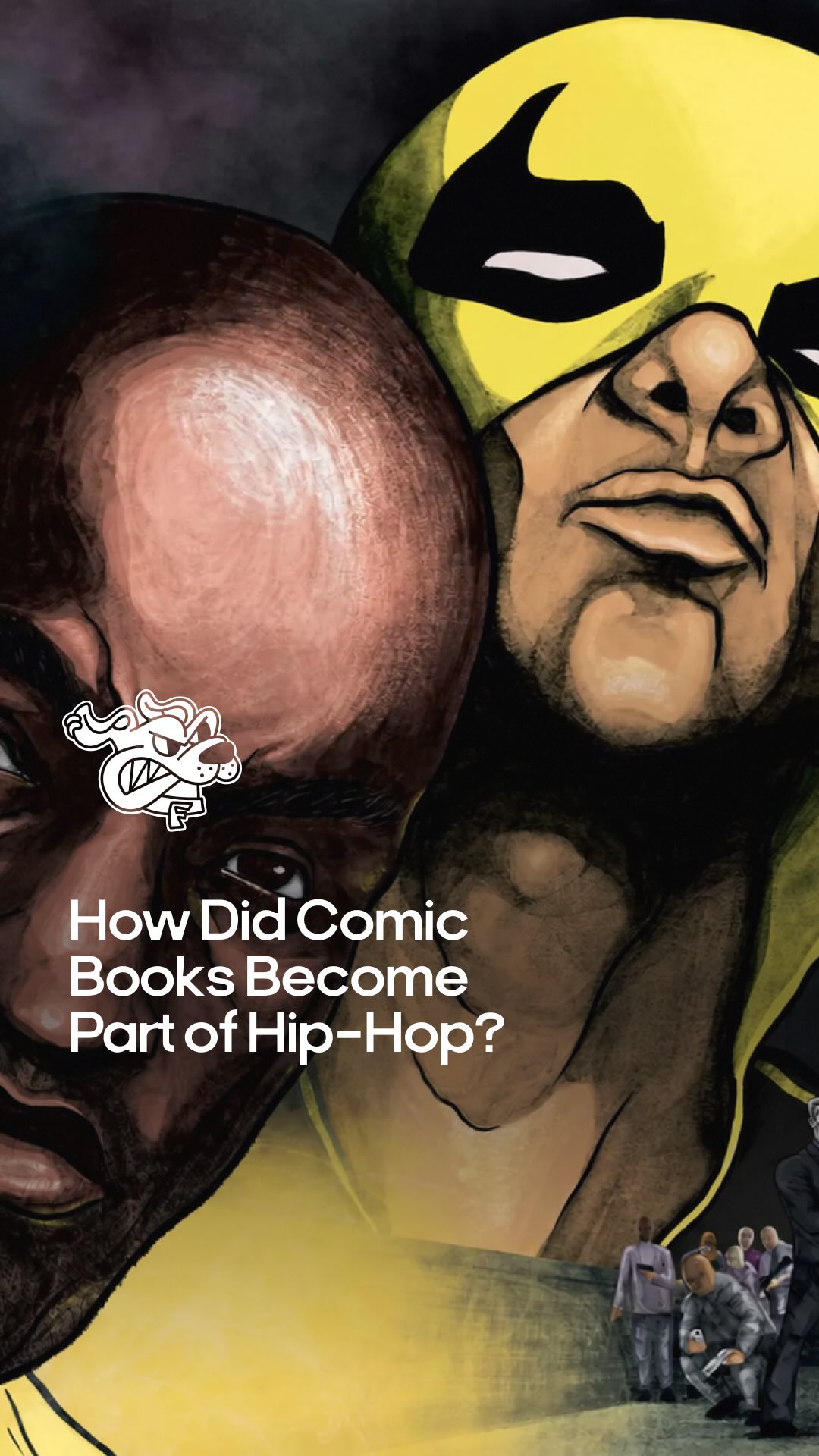
@fraim.world How Did Comic Books Become Part of Hip-Hop? Comic books and hip-hop might seem like two completely different cultures, but they have been connected since the early days of the genre. Superheroes gave graffiti writers and rappers a visual language for creating characters and larger-than-life identities. Over time, that influence went both ways, with hip-hop eventually becoming part of Marvel’s own storytelling. In this video, we trace how that connection developed, from New York graffiti and rap personas to Marvel’s growing relationship with hip-hop. #comicbooks #hiphop #massappeal #czarface #fraimworld

View original on Instagram

The edit1 shot · 7 text
Shots Text1:51

Performance

Views
54.1K
Likes
4.5K
Comments
35
Engagement
8.4%
Length · 7 Sept 2026
1:51

Video #41602 · Faceless

Explaining a cultural history connectionfrom @fraim.world

[01]

Overview

The narrator explains the historical connection between comic books and hip-hop culture, starting with the influence of comics on 1970s New York graffiti artists and early hip-hop pioneers. The video details how rappers like MF DOOM, Ghostface Killah, and Big Pun adopted superhero personas, and highlights DMC's passion for comics, which led him to create his own comic book company. The narrative continues by discussing other rappers like Method Man and Eminem, and concludes by showing how the influence became reciprocal, with Marvel Comics launching hip-hop variant covers and collaborating with Mass Appeal on a comic series.

[02]

Simple outline

  1. 1Pose intriguing cultural question
  2. 2Trace origin of influence
  3. 3Show evolution through examples
  4. 4Reveal influence reversing
  5. 5Conclude with final synthesis

[03]

Related videos

[04]

Classification

Format
Concepts
Origin StoryBreakdown
Elements
Archival FootageVoiceoverMontage EditingText Overlay
Account

[05]

Hook analysis

What stops the scroll in the first 3 seconds

Title hook · 45%

HOW DID COMIC BOOKS BECOME PART OF HIP-HOP

Verbal hook · 40%

How did comic books become part of hip hop?

Visual hook · 15%

An abstract, colorful, and blurry comic book-style graphic with fast-moving red lines creates immediate visual intrigue and energy.

[06]

Hook template

Steal this for your own video

HOW DID [SUBCULTURE OR MEDIUM A] BECOME PART OF [SUBCULTURE OR MEDIUM B]?

  • — HOW DID VIDEO GAMES BECOME PART OF FASHION?
  • — HOW DID JAZZ BECOME PART OF STREETWEAR?
  • — HOW DID ANIME BECOME PART OF BASKETBALL CULTURE?

[07]

Hook and payoff

The promise the opener makes, and how the video pays it back

Hook

A direct, curiosity-stoking question that posits a surprising link between two distinct subjects, creating an immediate knowledge gap the viewer wants filled.

Payoff

A concise summary that restates the thesis, confirming that the relationship evolved from a one-way influence into a symbiotic partnership, fully and satisfyingly answering the hook's initial question.

[08]

Narrative framework

The structural pattern this video runs on

Framework

The Cultural Crossover Chronicle

To explain the surprising and deep-rooted connection between two seemingly disparate cultural phenomena by tracing their history of mutual influence in a chronological and escalating fashion.

  1. 1

    The Genesis Point

    Establishes the earliest, foundational connection between the two subjects, often focusing on a specific time, place, or medium where the influence first took root.

  2. 2

    The Persona Adoption

    Provides a rapid succession of concrete examples showing how one subject adopted the aesthetics, language, or archetypes of the other, solidifying the initial claim with a barrage of evidence.

  3. 3

    The Creator Leap

    Highlights a key figure or moment where an individual moved from being merely influenced to actively participating and creating within the other subject's domain, deepening the connection.

  4. 4

    The Authenticity Proof

    Cements the depth of the connection by showcasing evidence of genuine, long-term passion and immersion from other key figures, moving beyond superficial influence.

  5. 5

    The Reversal Point

    A pivotal beat that reveals the influence has become a two-way street, with the originally influenced subject now shaping the influencer, escalating the narrative.

  6. 6

    The Ultimate Synthesis

    Showcases a modern, culminating project or event where the two subjects are no longer just influencing each other but are fully integrated into a new, hybrid creation.

Themes

  • Cultural influence
  • Identity formation
  • Artistic crossover
  • Nostalgia

Techniques

  • Historical storytelling
  • Visual evidence
  • Montage

Post caption

How Did Comic Books Become Part of Hip-Hop? Comic books and hip-hop might seem like two completely different cultures, but they have been connected since the early days of the genre. Superheroes gave graffiti writers and rappers a visual language for creating characters and larger-than-life identities. Over time, that influence went both ways, with hip-hop eventually becoming part of Marvel’s own storytelling. In this video, we trace how that connection developed, from New York graffiti and rap personas to Marvel’s growing relationship with hip-hop. #comicbooks #hiphop #massappeal #czarface #fraimworld

Text overlays

  • title · beginning

    HOW DID COMIC BOOKS BECOME PART OF HIP-HOP

  • contextual · middle

    MF DOOM

  • contextual · middle

    Ghostface Killah

  • contextual · middle

    DMC

  • contextual · middle

    Eminem

  • branding · end

    MARVEL + mass appeal

  • call-to-action · end

    SUBSTANCE OVER GOSSIP FOLLOW FRAIM.WORLD

Transcript

How did comic books become part of hip hop? In the seventies, New York gave hip hop more than just music. While MCs, DJs, and b boys were building a new culture on the streets of the Bronx, comics were shaping how hip hop formed its own characters. You can see it best in graffiti. In wild style, Lee No work is tied to his character, Zorro. And in style wars, among the graffiti writer's pieces, you can spot Robin and Captain America. From graffiti, comic book heroes gradually moved into rapper's stage personas. M. F. H. Best his iconic persona on Marvel's Better Doom. Inspect a Deck, Seven l, and Esoteric built their entire project around the fictional superhero, Tsarface. Ghostface Killah used the name Tony Tier, entitled his debut album, Iron Man. Big Pun shortened the Punisher to his own alias, and David Banner took the name Bruce Banner, the Hulk's alter ego. DMC, a huge comic rank since childhood, said that before performances, he would imagine himself as the Hulk to overcome stage fright. In 2014, he launched Daryl Makes Comics, dedicating the first issue to eighties hip hop and New York of that era. For other rappers, comics became a lifelong obsession. Method Rank started collecting comics around age 12. By 2017, his collection had grown to more than 30,000 issues. Eminem said in a 1999 interview that at age 12, he wanted to be a comic book artist and used to draw them. He later dedicated himself to rap, but the connection to comics remained. In 2022, Eminem appeared on a variant cover of Amazing Spider Man depicted in a rap battle with Spider Rank. In 2015, Marvel launched its hip hop variant cover series, reimagining classic rap album covers with Marvel characters. And in 2025, Mass Appeal teamed up with Marvel to release Legend Has It, a comic that brings together the images and stories of iconic hip hop figures into a single superhero universe. Comic book characters gave rappers new identities and new worlds to play with, and eventually, the influence started going the other way. Marvel began treating hip hop itself as part of its own universe.

Explaining a cultural history connection | Viral Hooks