@kanekallaway
TikTok · Split screen
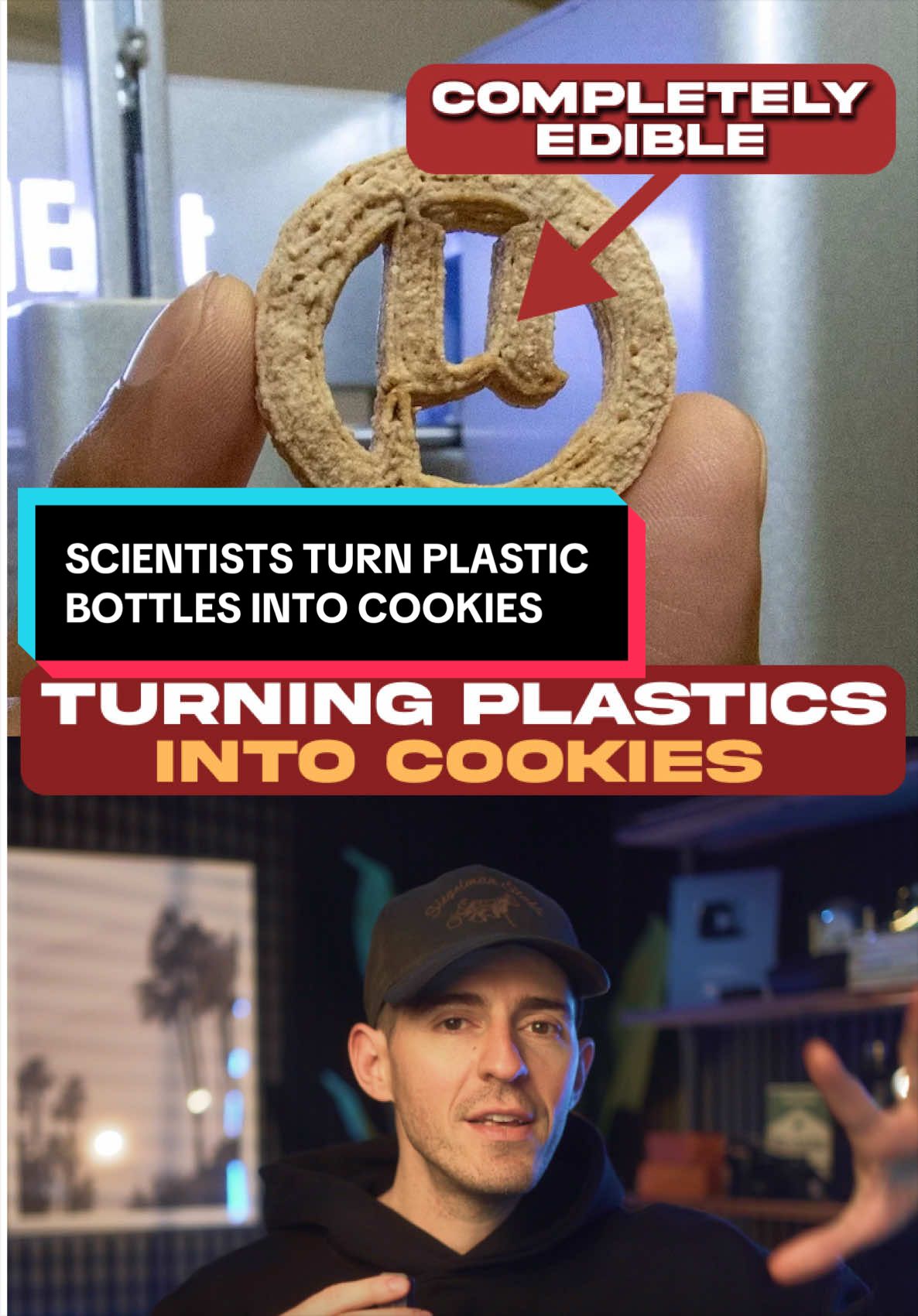
@kanekallaway Scientists just figured out how to turn plastic bottles into cookies #ai #tech #techtok #robot #space

@kanekallaway
TikTok · Split screen
@kanekallaway Scientists just figured out how to turn plastic bottles into cookies #ai #tech #techtok #robot #space
Performance
Video #41870 · Split screen
[01]
The creator explains a new scientific process for converting plastic bottles into edible cookies. He breaks down the multi-step chemical and biological process, from shredding the plastic into a "carbon soup" to feeding it to engineered yeast that produces nutrients, and finally 3D printing the resulting mixture. The creator also explains the primary motivation for this technology: NASA's need for a sustainable food source for long-duration space missions, like a trip to Mars, by recycling trash into food.
[02]
[03]
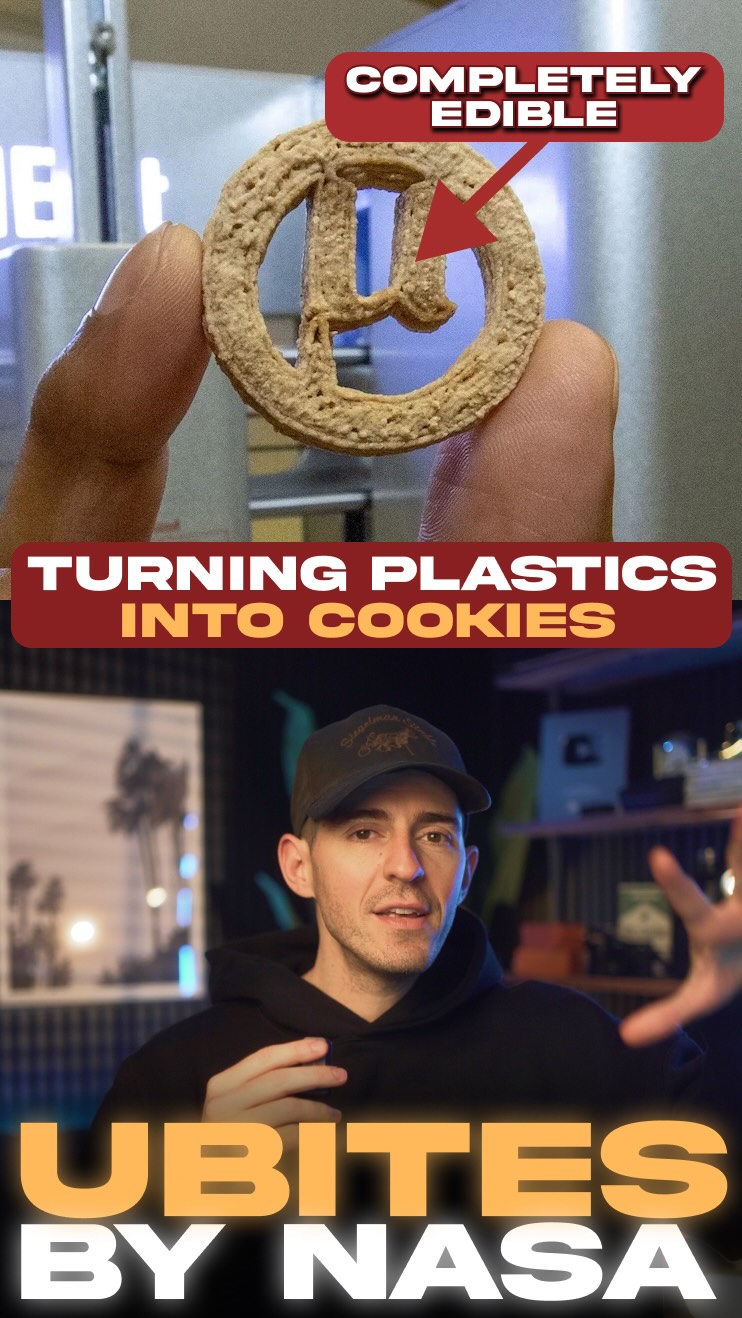 2.4M207.4×Explaining science of plastic cookies@kallaway · Breakdown
 421.9K142.2×Greenscreen home brewing product showcase@migo_beer · Product Promo
 2.7M31.3×Creator narrates weekly meal prep@barefoodtim · Value Vlog
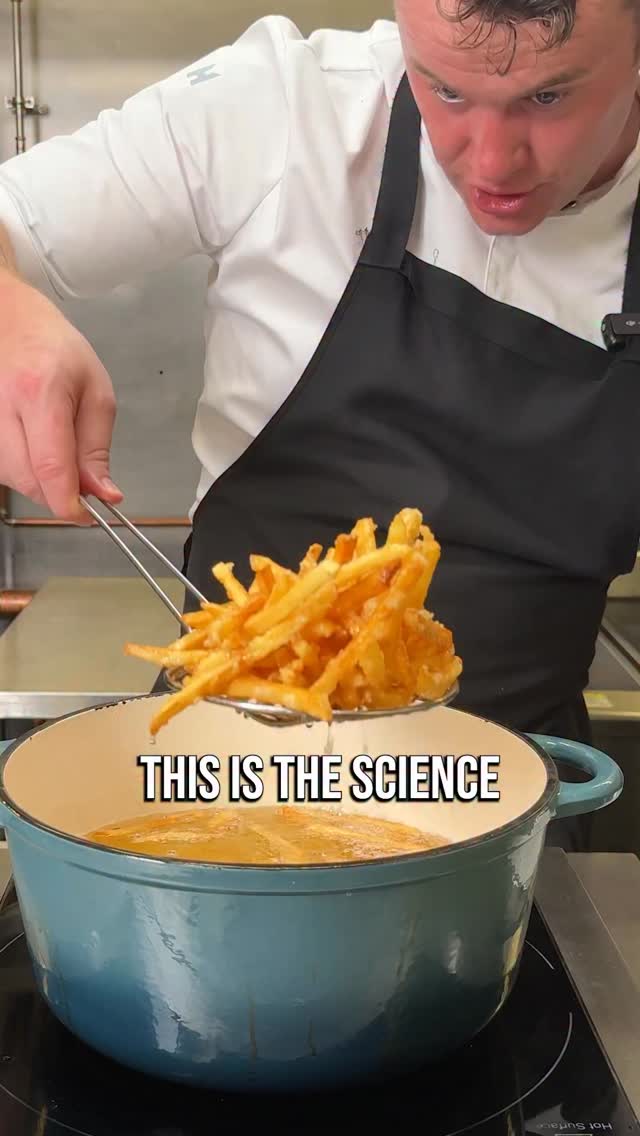 1M1.4×Chef explains perfect fry science@fallowrestaurant · Tutorial / How To
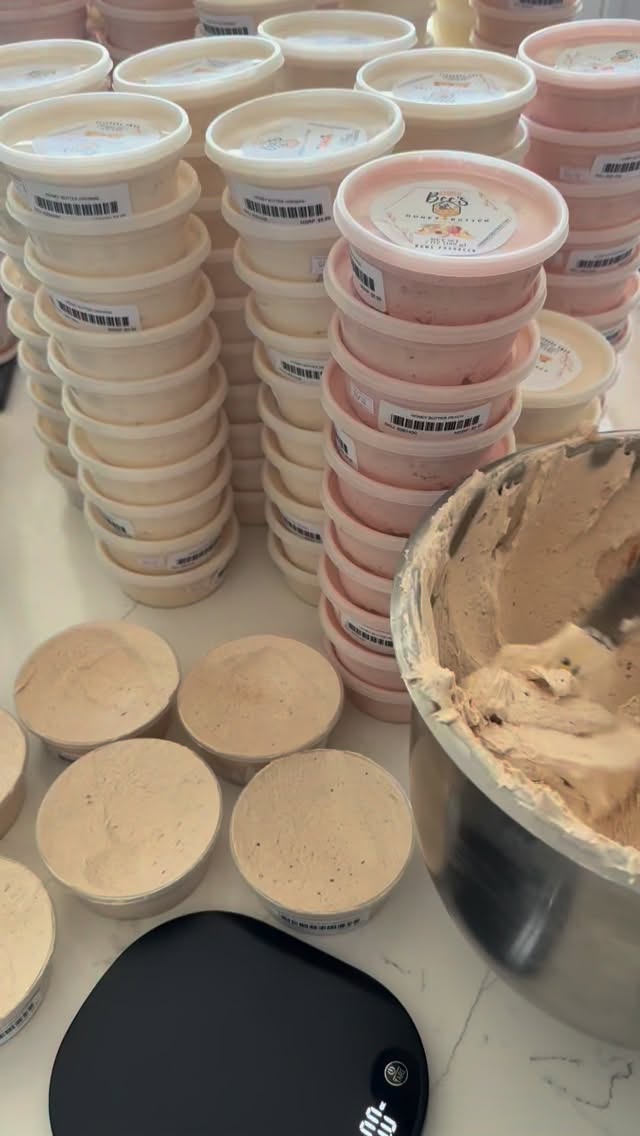 6.9M185.3×Relatable quote over satisfying process@amber_bees · Relatable One Shot
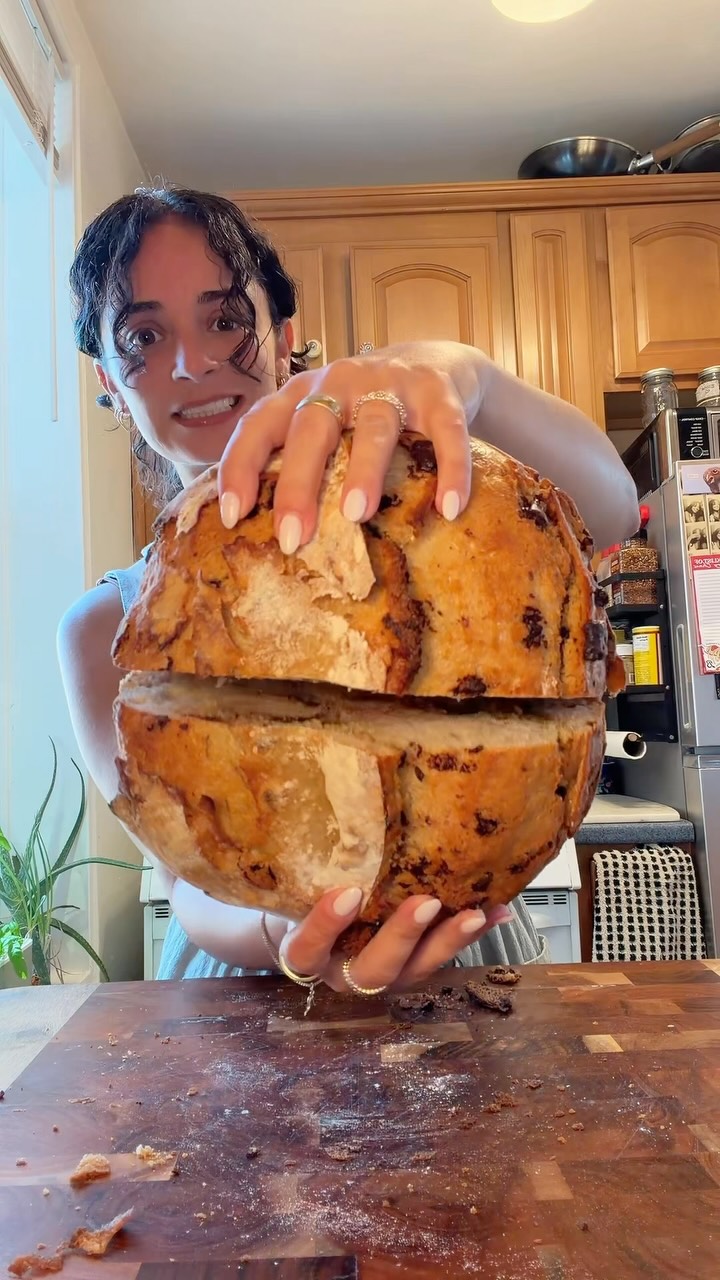 1.9M9.9×Baking process and final reveal@okaycoolgigi · Process
 435.2K345.6×Recipe process start to finish@rootedwithsyd · Tutorial / How To
 523.7K1.3×Showcasing a full day's meals@jared1s · Day In The Life
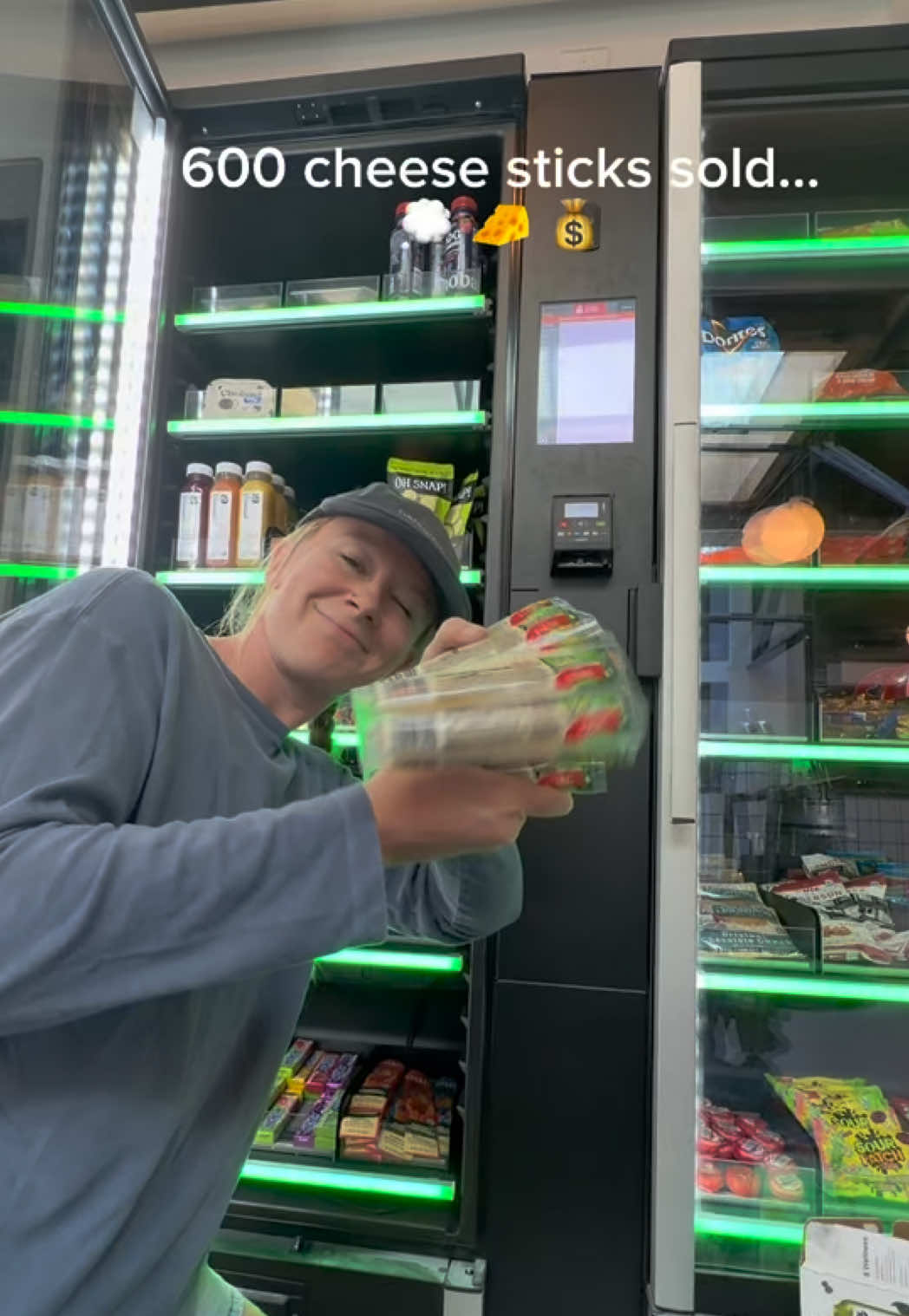 3.1M55.5×Restocking vending machine with commentary@emmeworks · Value Vlog
 1.5M2.5×Unexpected recipe tutorial parody@oreo · Satirical Expertise
 2.1M5.3×Step-by-step viral dessert recipe@seattlehanddoc · Tutorial / How To
 7M5.3×Food making process start to finish@sistappp___ · Process
[04]
[05]
What stops the scroll in the first 3 seconds
Title hook · 52%
TURNING PLASTIC INTO COOKIES
Verbal hook · 43%
Scientists just figured out how to turn plastic bottles into cookies.
Visual hook · 5%
An aerial top-down shot of massive, colorful bales of crushed plastic bottles, immediately establishing the scale of the topic and providing a visually textured and compelling opening.
[06]
Steal this for your own video
TURNING INTO
[07]
The promise the opener makes, and how the video pays it back
Hook
An outrageous, counter-intuitive statement that immediately generates a 'how is that possible?' question.
Payoff
A speculative statement about the future implications if the concept succeeds, providing a thought-provoking and shareable conclusion.
[08]
The structural pattern this video runs on
Framework
The 'How & Why' Reveal
Present a shocking or counter-intuitive concept, then systematically deconstruct how it works and, most importantly, reveal the surprising and high-stakes reason why it exists, concluding with a final twist.
The Impossible Premise
State the core, unbelievable concept in a single, declarative sentence to create immediate intrigue.
The Credibility Layer
Immediately follow up with tangible details that make the premise seem more plausible and less abstract, grounding the viewer's understanding.
The Authority Stamp
Introduce a high-status, credible entity or context that validates the concept, answering the 'who cares?' question and raising the stakes.
The Process Deconstruction
Break down the complex 'how' into a simple, step-by-step explanation, often using analogies to make it accessible and satisfy viewer curiosity.
The Grand Purpose Reveal
Pivot to the 'why.' Explain the larger, often surprising, and high-stakes problem that this concept solves, giving the story a profound purpose.
The Human-Scale Catch
Introduce a final, unresolved complication or twist that brings the grand concept back to a relatable, human level and creates a memorable open loop.
Scientists just figured out how to turn plastic bottles into cookies #ai #tech #techtok #robot #space
title · beginning
TURNING PLASTIC INTO COOKIES
informational · beginning
Cookies Made From Plastic Bottles Could Solve Food Shortages, Feed NASA Crews
Scientists just figured out how to turn plastic bottles into cookies. And these are real cookies that smell like vanilla and have protein and vitamins that humans can eat. The technology behind this is called Better. And the crazy part is NASA is actually paying for it. So their astronauts can turn their own trash into food on the way to Mars. It's pretty wild. Now the way this whole thing works is actually pretty interesting. Plastic and food are both made up of carbon molecules. So first, scientists shred the plastic bottles and blast them with super hot, ultra high pressure better. And this breaks them all the way down into molecules, basically a carbon soup. Here's where it gets interesting. They then then feed that soup to a type of yeast. This yeast is in the same family as the yeast that makes bread rise, except that this yeast is engineered to eat plastic instead of sugar. Now once the yeast eats the carbon molecules, what comes out the other side side are protein, fats, and vitamins. One strand of the yeast turns the carbon into vitamin a. Another one makes the vanilla. They then add fiber and sweetener and three d print the mixture into cookies. So what you're eating is not actually plastic, it's what the yeast made out of the plastic when it ate it. But the craziest part of this whole story is why NASA wants this technology in the first place. See, a round trip to Mars will take approximately three years, and there's no way to pack three years worth of food in a single spaceship. So in theory, this method is a way that astronauts could turn their trash into edible food on the journey. There's just one catch. Nobody's ever taste tested these plastic cookies before. The taste test is still waiting on FDA approval. But if this works, there's a good chance the first cookie ever eaten on Mars will have been made out of plastic.