Viral Hooks
Trending short videosExplaining science of plastic cookies
K

@kallaway

Instagram · Split screen
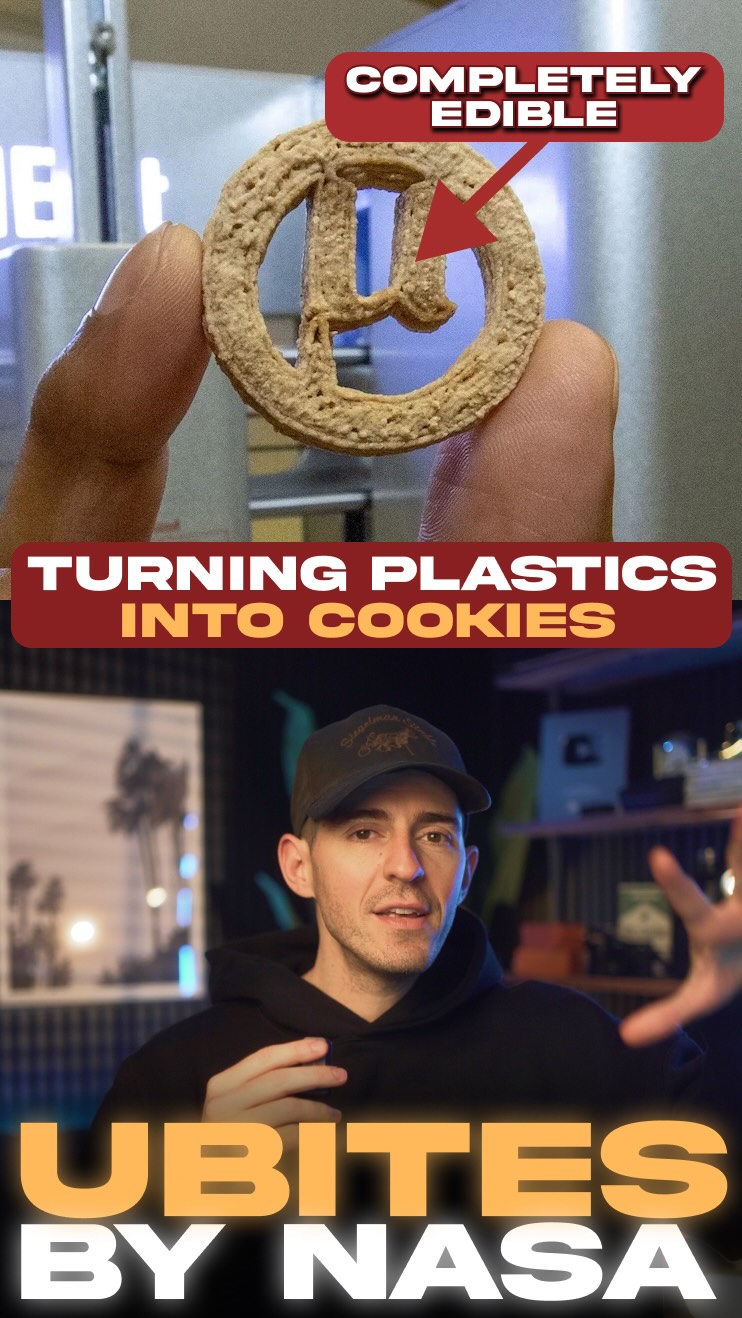
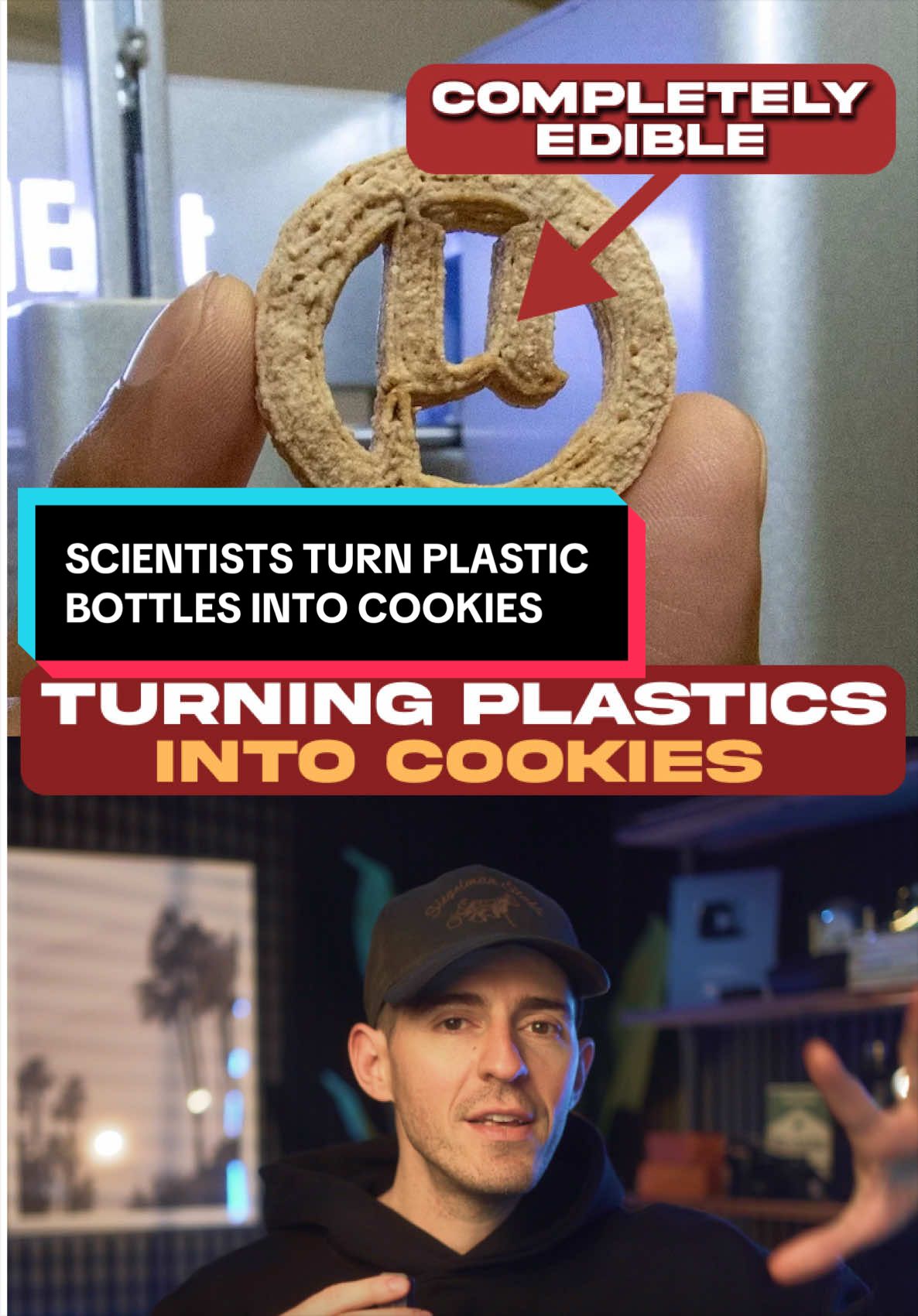
@kallaway Scientists just figured out how to turn plastic bottles into cookies. And these are real cookies, that smells like vanilla, with protein and vitamins that humans can eat. The technology behind this is called uBites and the crazy part is… NASA is actually paying for it. So astronauts can turn their own trash into food on the way to Mars. It’s pretty wild. Now the way this whole thing works is actually pretty interesting. Plastic and food are both made up of carbon molecules. So first, the scientists shred plastic bottles and blast them with super hot, high-pressure water. This breaks them all the way down into molecules…basically a carbon soup. And then they feed that soup to yeast. This yeast is in the same family as the yeast that makes bread rise. Except that these ones were engineered to eat plastic instead of sugar. Once the yeast eats the carbon molecules, what comes out the other side is protein, fat, and vitamins. One strain of the yeast turns part of the plastic into the same stuff that makes carrots orange. That’s your vitamin A. Another one makes the vanilla. Then they add fiber and sweetener, and 3D print it into cookies. So you’re not actually eating plastic. You’re eating what the yeast made out of it. It’s pretty wild. But the craziest part is why NASA wants this in the first place. See a round trip to Mars is about three years. And you can’t pack three years worth of food in a spaceship. So in theory, this method could turn astronaut trash into food on the way. There’s just one catch… Nobody’s actually tasted one of these plastic cookies yet. The taste test is still waiting on FDA approval. But if this works, there’s a good chance the first cookie eaten on Mars is gonna be made out of plastic. Follow @kallaway to learn more about tech, AI, and robotics. #ai #tech #technology #robotics #space
View original on Instagram

The edit1 shot · 3 text
Shots Text1:35

Performance

Views
2.4M
Likes
163.8K
Comments
3.9K
Engagement
7.1%
Outlier
207.4×
Length · 14 Sept 2026
1:35

Video #41950 · Split screen

Explaining science of plastic cookiesfrom @kallaway

[01]

Overview

The creator explains a new scientific process that converts plastic waste into edible food using engineered yeast. He breaks down the multi-step chemical and biological process, highlights NASA's interest in the technology for long-duration space missions, and concludes by revealing the product is still pending FDA approval for human consumption.

[02]

Simple outline

  1. 1State unbelievable claim
  2. 2Validate with authority
  3. 3Explain the 'how'
  4. 4Reveal the 'why'
  5. 5End with future vision

[03]

Related videos

[04]

Classification

Concepts
BreakdownStrange but True
Elements
Side-by-Side Visual AidMotion GraphicsImage OverlayTitle Text Hook

[05]

Hook analysis

What stops the scroll in the first 3 seconds

Title hook · 35%

TURNING PLASTIC INTO COOKIES

Verbal hook · 30%

Scientists just figured out how to turn plastic bottles into cookies.

Visual hook · 35%

The video opens with a high-angle, top-down shot of massive, colorful bales of compressed plastic bottles, immediately followed by a rapid cut to a conveyor belt of plastic waste. This establishes the scale of the problem and the video's topic in a visually compelling way.

[06]

Hook template

Steal this for your own video

Scientists just figured out how to turn [waste material] into [unexpected edible or useful product].

  • — Scientists just figured out how to turn used cooking oil into jet fuel.
  • — Scientists just figured out how to turn cow manure into biodegradable packaging.
  • — Scientists just figured out how to turn old tires into construction material.

[07]

Hook and payoff

The promise the opener makes, and how the video pays it back

Hook

Present a seemingly impossible or paradoxical concept as a factual statement, immediately creating a strong knowledge gap and sense of disbelief that demands an explanation.

Payoff

The Future-Forward Vision. Conclude not with a simple summary, but with a powerful, speculative statement about the future implications of this concept, connecting back to the high-stakes context and leaving the viewer with a sense of wonder.

[08]

Narrative framework

The structural pattern this video runs on

Framework

The Credibility Cascade

To present an unbelievable claim and systematically build belief by layering validation, explaining the mechanism in simple terms, and revealing a high-stakes application, culminating in a speculative but powerful future vision.

  1. 1

    The Authority Stamp

    Introduce a highly credible, external authority (an institution, expert, or major entity) that validates the unbelievable hook, forcing the viewer to suspend disbelief and take the premise seriously.

  2. 2

    The High-Stakes Context

    Reveal the larger, significant problem that this impossible concept solves, elevating it from a mere curiosity to a crucial innovation with a grand purpose.

  3. 3

    The Simplified Science Explanation

    Deconstruct the complex mechanism behind the concept into a simple, step-by-step process using analogies and relatable terms, satisfying the 'how' question and making the viewer feel intelligent.

  4. 4

    The Reassurance Loop

    Directly address and neutralize the most likely viewer objection, fear, or point of disgust, rebuilding trust and allowing them to re-engage with the positive aspects of the concept.

  5. 5

    The Final Twist

    Introduce an unresolved variable, a catch, or a final hurdle that grounds the story in reality and adds a layer of suspense before the conclusion.

Themes

  • Innovation
  • Problem-solving
  • Future of food
  • Space exploration challenges

Techniques

  • Split screen
  • B-roll montage
  • Motion graphics

Post caption

Scientists just figured out how to turn plastic bottles into cookies. And these are real cookies, that smells like vanilla, with protein and vitamins that humans can eat. The technology behind this is called uBites and the crazy part is… NASA is actually paying for it. So astronauts can turn their own trash into food on the way to Mars. It’s pretty wild. Now the way this whole thing works is actually pretty interesting. Plastic and food are both made up of carbon molecules. So first, the scientists shred plastic bottles and blast them with super hot, high-pressure water. This breaks them all the way down into molecules…basically a carbon soup. And then they feed that soup to yeast. This yeast is in the same family as the yeast that makes bread rise. Except that these ones were engineered to eat plastic instead of sugar. Once the yeast eats the carbon molecules, what comes out the other side is protein, fat, and vitamins. One strain of the yeast turns part of the plastic into the same stuff that makes carrots orange. That’s your vitamin A. Another one makes the vanilla. Then they add fiber and sweetener, and 3D print it into cookies. So you’re not actually eating plastic. You’re eating what the yeast made out of it. It’s pretty wild. But the craziest part is why NASA wants this in the first place. See a round trip to Mars is about three years. And you can’t pack three years worth of food in a spaceship. So in theory, this method could turn astronaut trash into food on the way. There’s just one catch… Nobody’s actually tasted one of these plastic cookies yet. The taste test is still waiting on FDA approval. But if this works, there’s a good chance the first cookie eaten on Mars is gonna be made out of plastic. Follow @kallaway to learn more about tech, AI, and robotics. #ai #tech #technology #robotics #space

Text overlays

  • title · beginning

    TURNING PLASTIC INTO COOKIES

  • informational · middle

    Forbes Cookies Made From Plastic Bottles Could Help End Food Shortages, Feed NASA Crews

  • informational · middle

    THREE

Explaining science of plastic cookies | Viral Hooks