@bitterbuilds
Instagram · Yap

@bitterbuilds Real ones know

@bitterbuilds
Instagram · Yap
@bitterbuilds Real ones know
Performance
Video #42068 · Yap
[01]
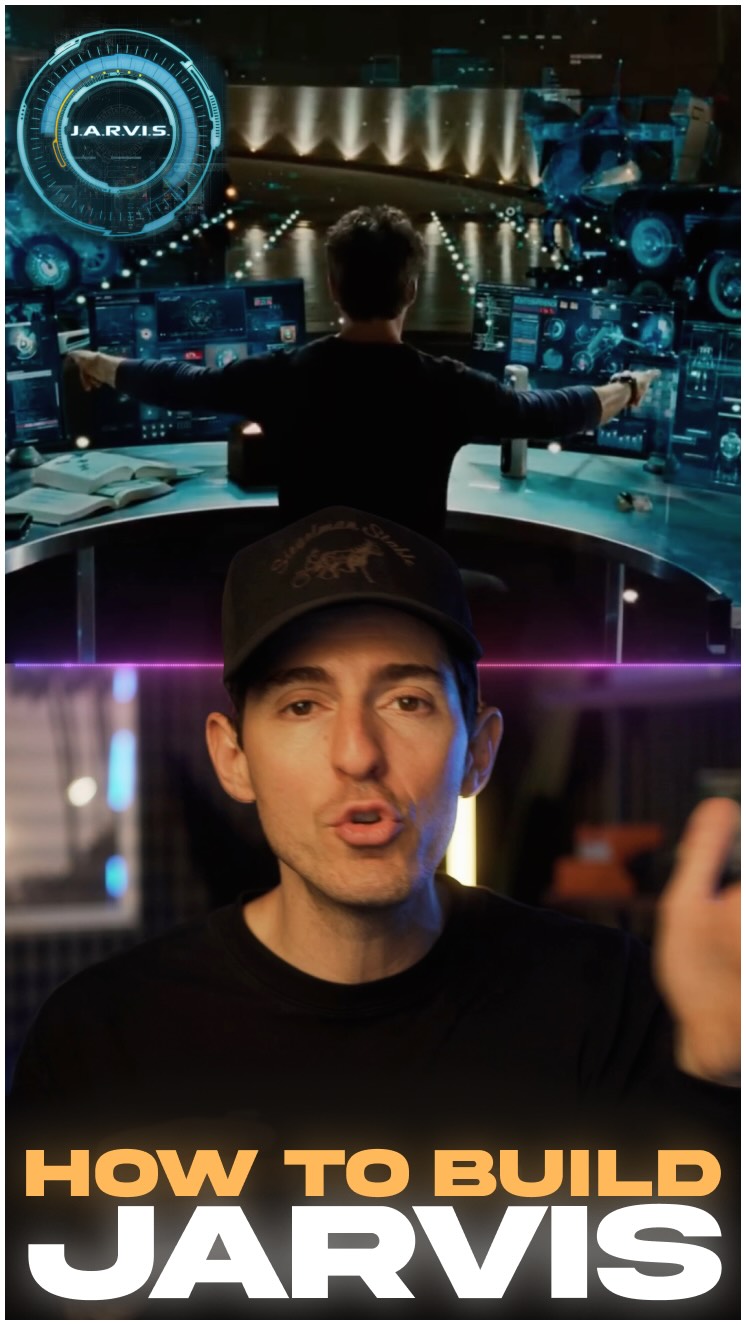
The creator uses an analogy from the movie Iron Man to argue against over-reliance on AI. He contrasts Tony Stark's genius with his AI assistant, Jarvis, to make the point that automating uniquely human skills makes people more replaceable, not future-proof. He concludes that while AI is a powerful tool, it cannot replace genuine human creativity and intellect.
[02]
[03]
 936.3K86.8×Explaining the tech behind J.A.R.V.I.S.@kallaway · Breakdown
 1M368.7×AI website hype vs reality@marcelodesignx · Behind The Scenes
 206.2K11×Tutorial for creating a personal AI@angus.sewell · Tutorial / How To
 136.7K4.7×Creator refutes a popular AI concept.@angus.sewell · Hot Take
 707KStorytelling is the only scarcity@rpn · Breakdown
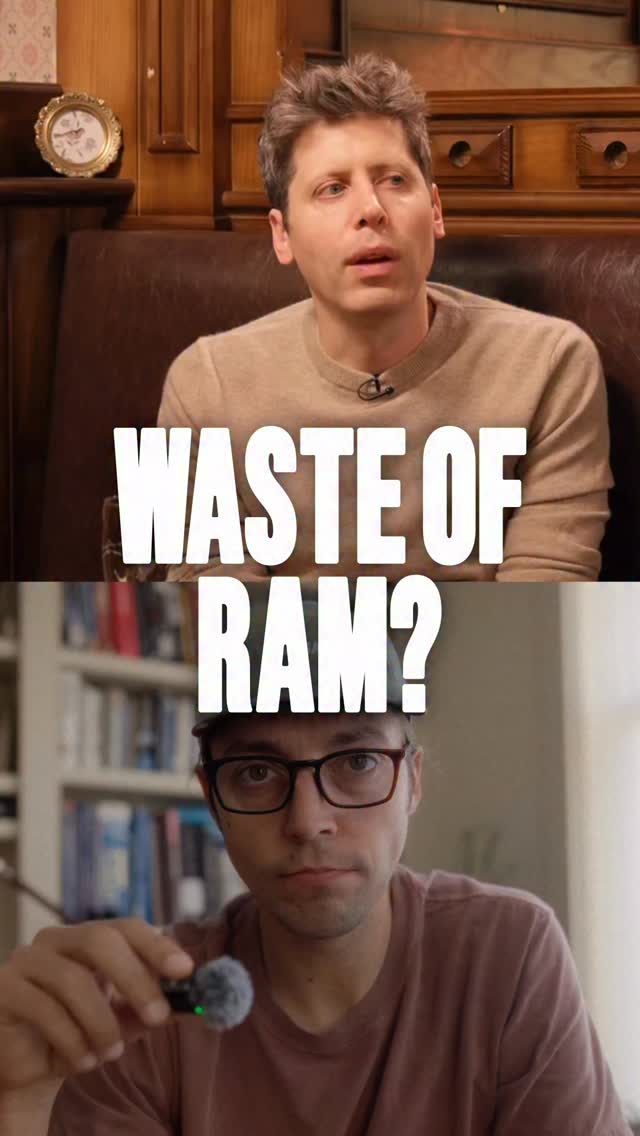 503.4KCreator refutes expert via split-screen@ashabuilds · Split Screen Explainer
 3.8M161.9×Comparing AI vs human web design@marcelodesignx · Good vs Bad
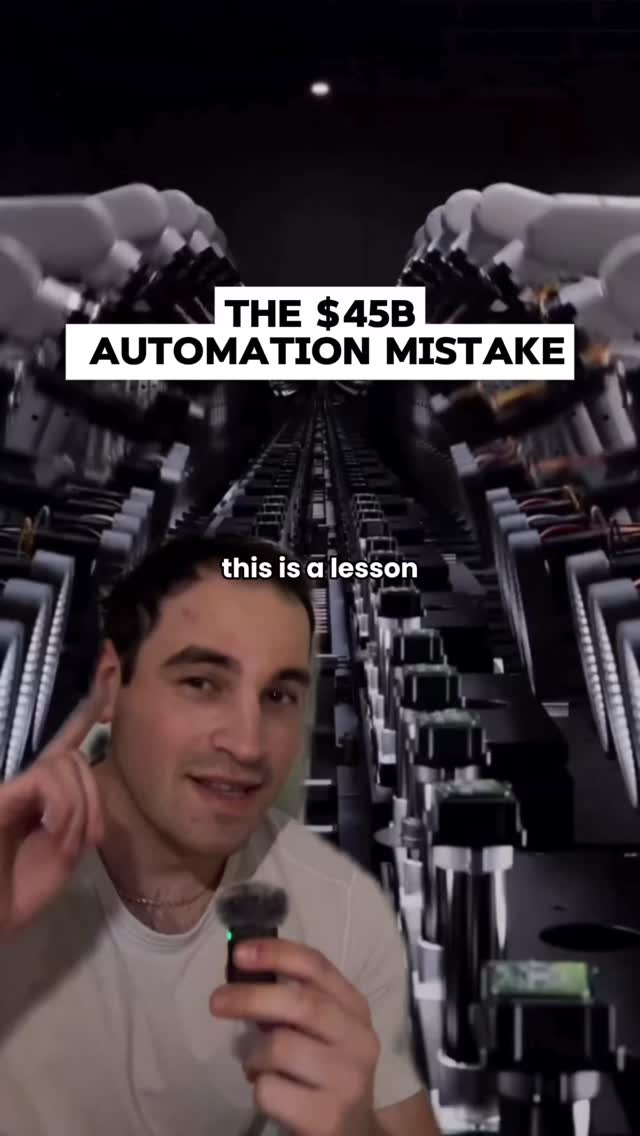 490.1K14.6×GM vs Toyota automation case study@maxxrosenblum · Breakdown
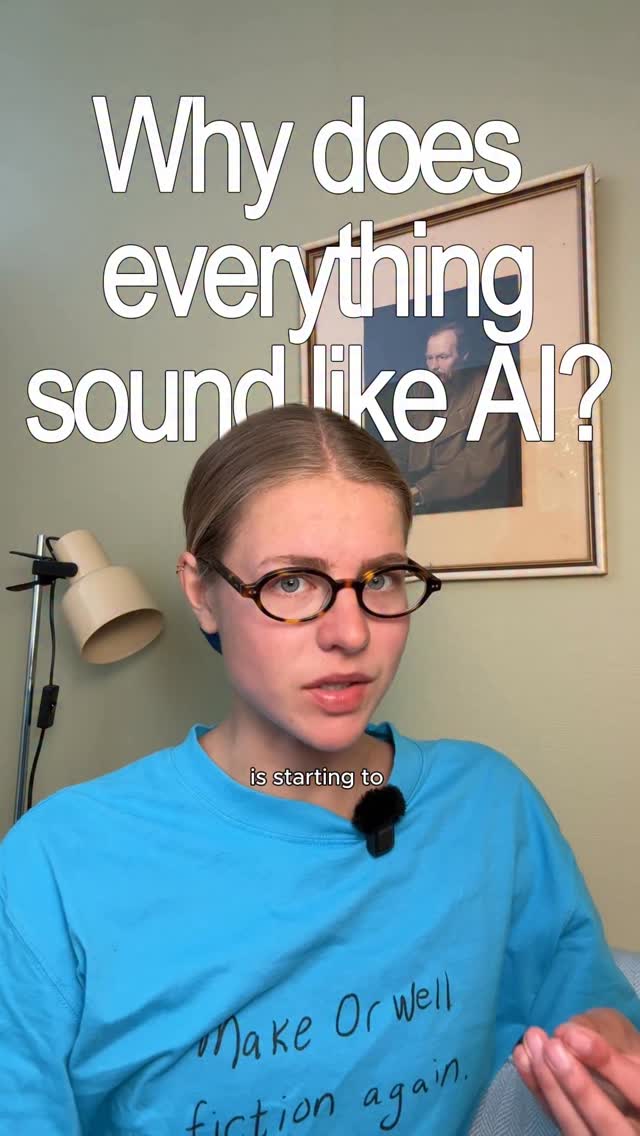 491.9K28.9×AI language compared to Orwell's Newspeak@var.aunevik · Opportunity Explainer
 620.1KShowing conflicting AI news headlines@distilledscience
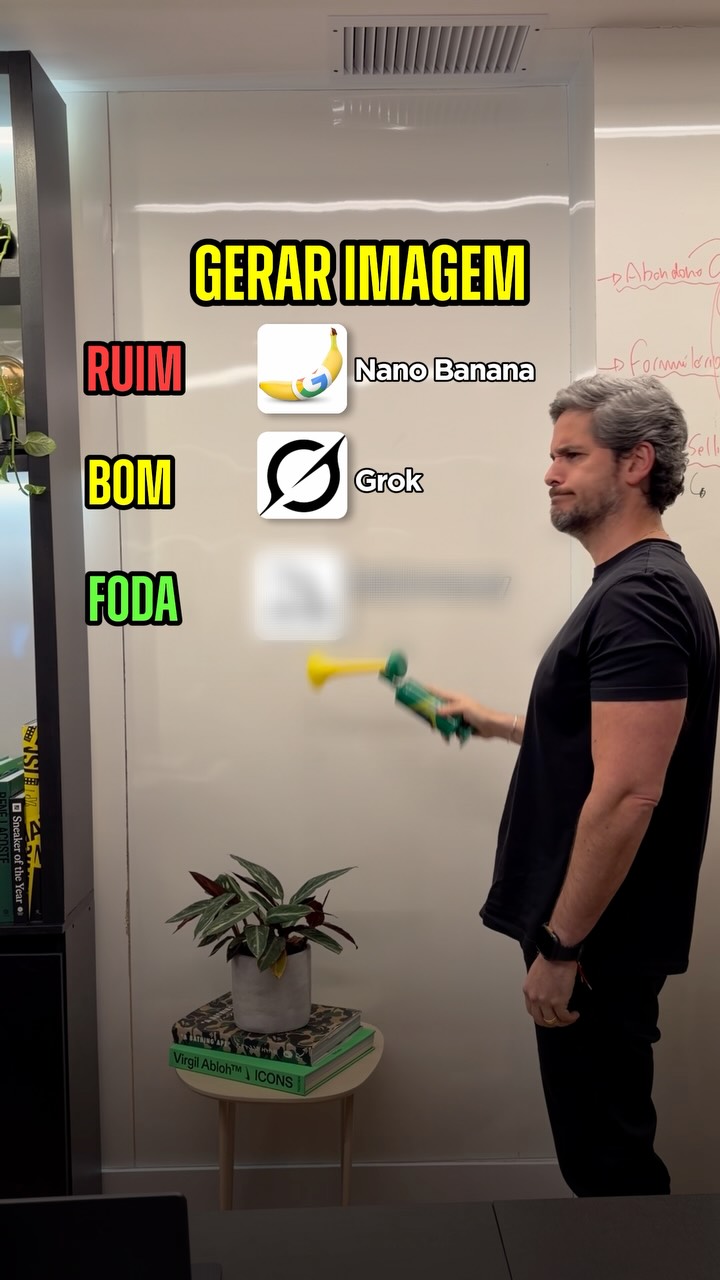 2.9M29.1×Rapid fire AI tool ranking@rony · Rapid Fire Listicle
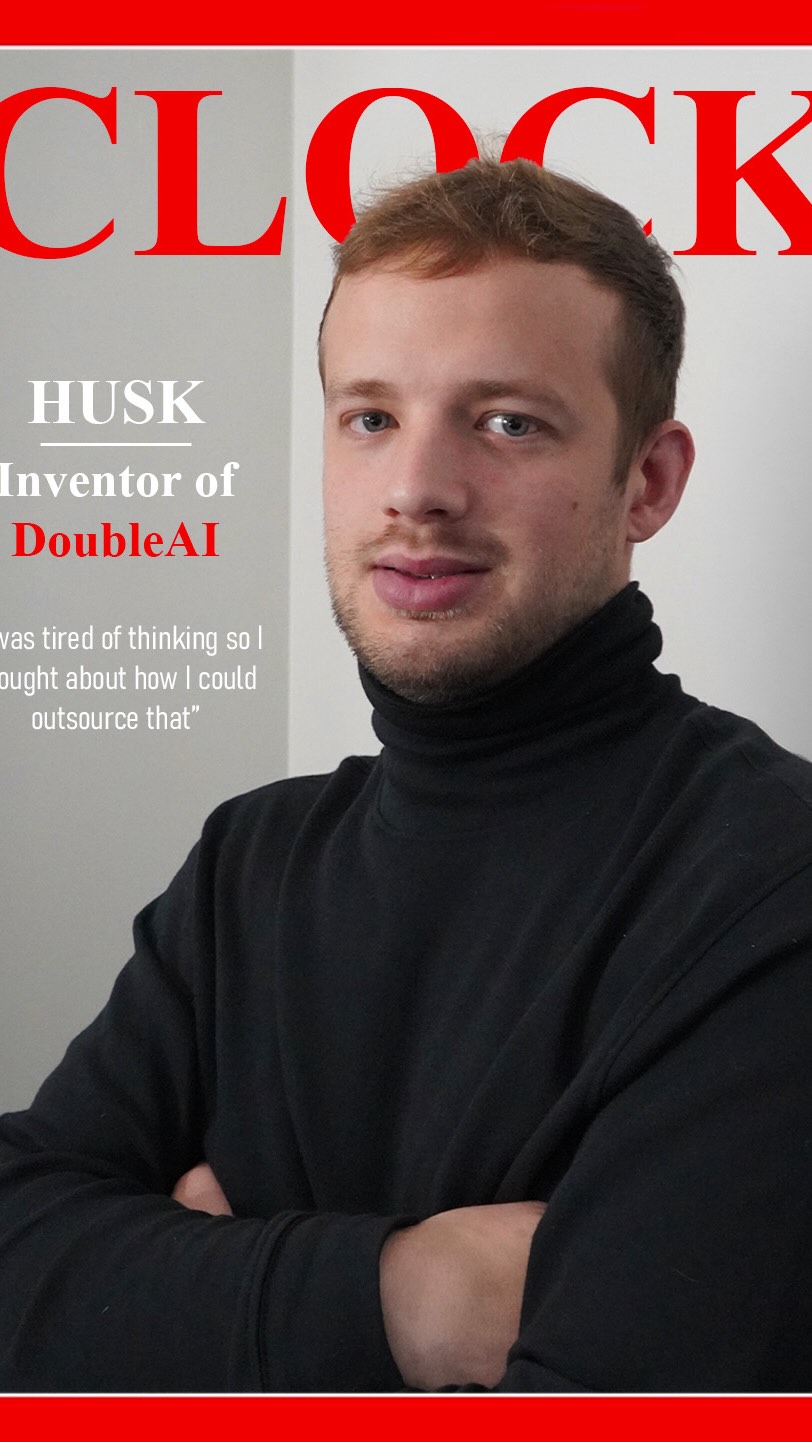 677.3KCreator demonstrates his new AI invention@husk.irl · Satirical Expertise
[04]
[05]
What stops the scroll in the first 3 seconds
Title hook · 48%
Remember that scene from Iron Man when Tony Stark goes:
Verbal hook · 47%
Remember that scene from Iron Man when Tony Stark goes...
Visual hook · 5%
Direct-to-camera shot of the creator in a car, who uses hand gestures to introduce a video clip overlay from the movie Iron Man within the first 3 seconds.
[07]
The promise the opener makes, and how the video pays it back
Hook
The video opens by referencing a specific, well-known scene from a popular movie, creating an immediate sense of shared context and relatability.
Payoff
The argument concludes by restating the core thesis through the lens of the initial metaphor, providing a strong sense of narrative closure and making the message easy to remember.
[08]
The structural pattern this video runs on
Framework
The Metaphorical Boomerang
To make a complex argument about a current trend, the creator anchors it in a widely understood pop culture reference, pivots to a counter-intuitive thesis, and then returns to the original reference for a memorable and satisfying payoff.
The Pop Culture Anchor
Establishes a shared cultural touchstone (a movie scene) to ground the argument and build initial rapport with the viewer.
The 'Yes, But...' Pivot
Acknowledges the obvious positive aspect of the reference (cool technology) before immediately introducing the core argument by highlighting its critical limitation or flaw.
The Abstract-to-Personal Bridge
Translates the lesson from the metaphor into a direct, high-stakes warning for the viewer, making the abstract concept feel personal and urgent.
The Common Misconception Takedown
Identifies a common but flawed belief held by a specific group, setting up a counter-argument that positions the creator's view as superior insight.
The Paradoxical Reversal
Reveals the ironic, counter-intuitive truth that contradicts the common misconception, creating a moment of insight for the viewer (e.g., trying to be future-proof makes you more replaceable).
The Modern-Day Proof
Provides a specific, current, and tangible example that validates the paradoxical truth and makes the argument feel relevant and credible.
The Boomerang Payoff
Returns to the original metaphor to deliver the final, powerful, and memorable conclusion, proving the initial thesis and bringing the narrative full circle.
Real ones know
title · beginning
Remember that scene from Iron Man when Tony Stark goes:
contextual · beginning
Wake up, daddy's home.
contextual · middle
Claude Opus 4.7
Remember that scene from Iron Rank when Tony Stark goes Wake up. Daddy's home. Remember how cool Jarvis was? Like the technology was awesome. But the movie would good been pointless if Tony Stark wasn't a genius yes he just let Jarvis make all the decisions. When you start automating your uniquely human qualities to AI, you are cooked. The thing is these people that use AI for every single task think they're, like, future proofing themselves, but they're becoming more replaceable. Anyone you look up to right no, especially on this app, can't be replaced by Opus four point seven. Same way Jarvis can do all the calculations and testing, but he can never be Iron Man.