Viral Hooks
Trending short videosRapid fire list of advice
P

@pabloknowledge

Instagram · One Shot
@pabloknowledge here’s why👇🏻(examples) always have a graceful approach choose only one for the week/month if it falls try another🫡 1. sleep longer or short naps 7-9 hrs -15min naps before 3pm -avoid late night exercise -avoid screens before bed -sleep with white noise deep sleep consolidates memories REM strengthens learning Sleep is when much of brain recovery occurs 2. regular aerobic exercise -30–60 minutes most days -running, cycling, swimming, brisk walking supports neuroplasticity and new neural connections 3. strength training -2–4 sessions per week improves executive function and memory complements aerobic exercise 4. learn something difficult daily -new language -piano -chess -a software -working with hands anything that forces your brain to build new pathways 5. memory recall training -memorize lyrics, poems, numbers 6. stillness + silence -5-10 minutes daily improves attention and working memory reduces stress 7. eat for brain/gut health -lions mane -plenty of vegetables -fatty fish or omega-3s -berries -nuts -eggs -adequate protein -stay hydrated 8. spend time in nature -walking outdoors lowers stress natural environments may help restore directed attention 9. challenge attention -read books -delete socials for one day or half a day (dopamine detox) -practice focusing on one task for 30–60 minutes 10. relaxation to manage stress -journaling -breathwork -time with supportive people -jacuzzi, sauna, shower -stretching, yoga chronic cortisol impairs memory 11. sober streaks -keeping streaks gives your brain more opportunity to recover, -start small with one day, then two, etc. -relapse is very normal in the beginning -journal what happened before you relapsed and try again -the key isnt sobriety. it’s building the muscle of self forgiveness and acceptance 12. deep convo -deep conversations require memory, language, attention, and emotional processing socializing improves cognitive health follow @pablobelief and save for later #sobriety #health #neuroplasticity #addictionrecovery memory


View original on Instagram

The edit1 shot · 13 text
Shots Text0:20

Performance

Views
148.5K
Likes
4.7K
Comments
35
Engagement
3.2%
Outlier
1.2×
Length · 17 Jul 2026
0:20

Video #42143 · One Shot

Rapid fire list of advicefrom @pabloknowledge

[01]

Overview

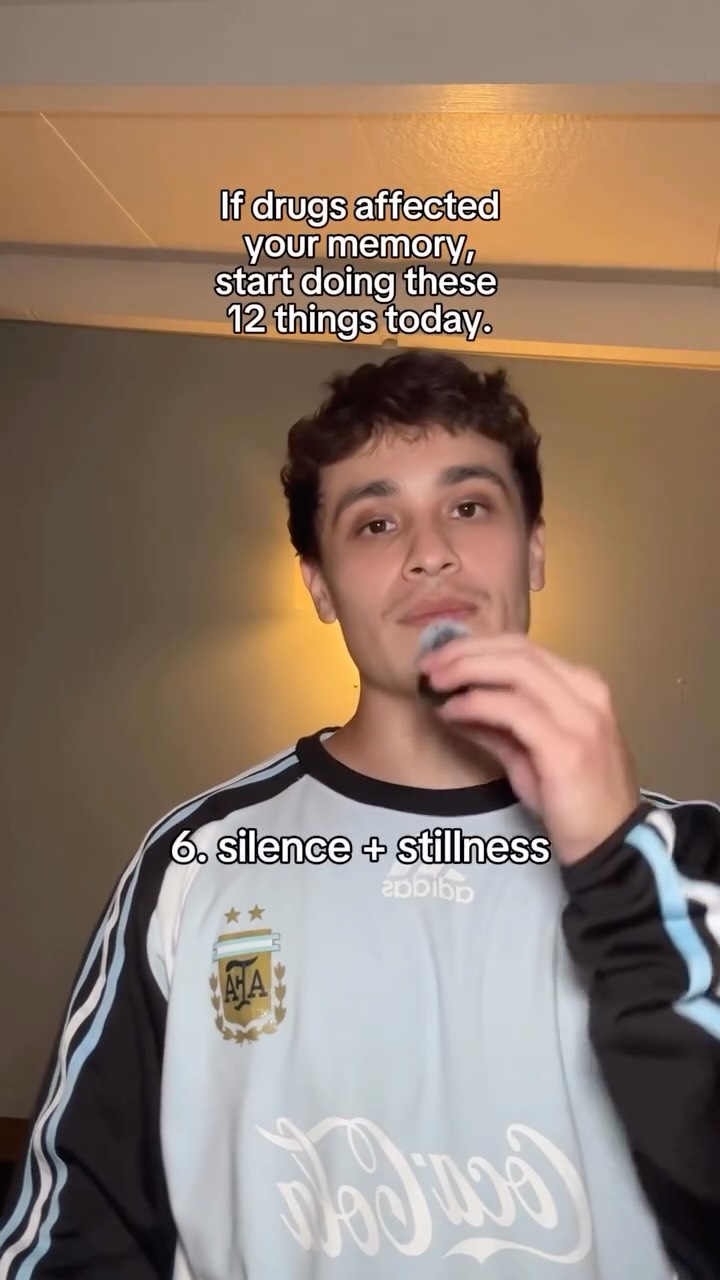
The creator directly addresses the camera and rapidly recites a list of 12 actionable tips for improving memory, specifically for those whose memory has been affected by drug use. As he speaks, each of the 12 points appears sequentially as a numbered text overlay, providing a clear, scannable guide for the viewer.

[02]

Simple outline

  1. 1Pose a targeted problem
  2. 2Deliver a rapid-fire list
  3. 3Conclude with the final item

[03]

Related videos

[04]

Classification

Format
Concepts
Rapid Fire ListicleListicle One Shot
Elements
Text OverlayTitle Text Hook

[05]

Hook analysis

What stops the scroll in the first 3 seconds

Title hook · 55%

If drugs affected your memory, start doing these 12 things today.

Verbal hook · 40%

Seven to nine hours, aerobic exercise, strength training...

Visual hook · 5%

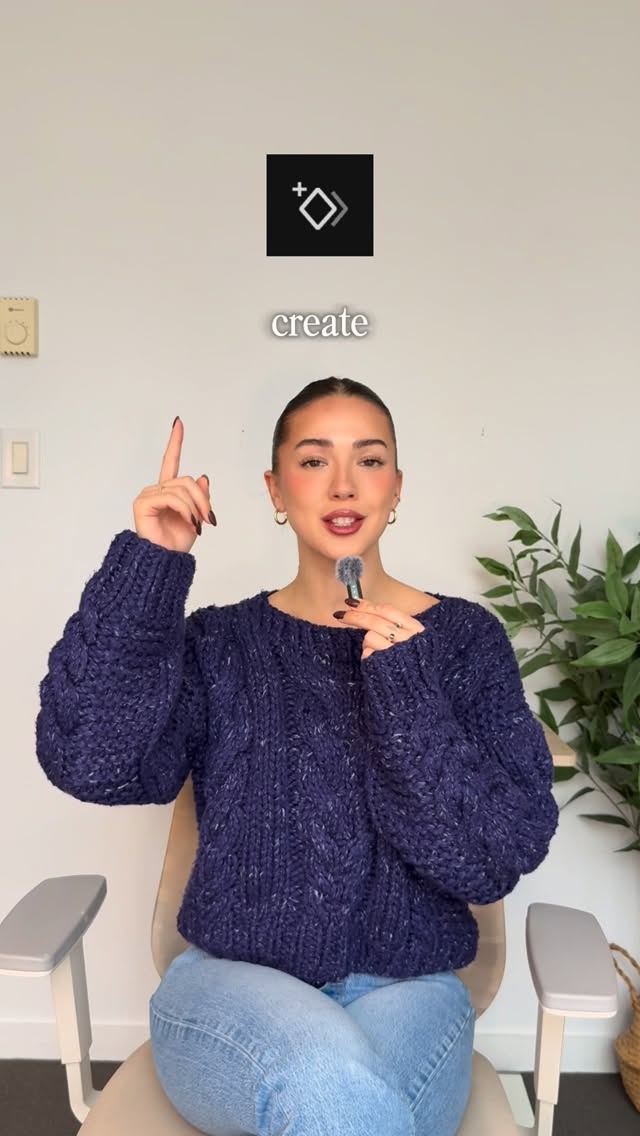
Direct-to-camera address with the creator holding a small, fuzzy microphone windscreen near his mouth, creating a point of visual focus.

[06]

Hook template

Steal this for your own video

If [past behavior or condition] affected your [health outcome], do these [number] things today.

  • — If years of poor sleep affected your focus, do these 9 things today.
  • — If stress affected your gut health, do these 7 things today.
  • — If sitting all day affected your posture, do these 5 things today.

[07]

Hook and payoff

The promise the opener makes, and how the video pays it back

Hook

A direct address to a niche audience, identifying a specific pain point ('If drugs affected your memory') and promising a numbered list of solutions ('start doing these 12 things today').

Payoff

The completion of the list, leaving the viewer with a sense of having received a comprehensive, actionable guide. The value is delivered through the totality of the information provided, prompting a 'save' for future use.

[08]

Narrative framework

The structural pattern this video runs on

Framework

The Rapid-Fire Remedy

Presenting a high-density, numbered list of actionable solutions to a highly specific problem, delivered at a pace that encourages re-watching and saving for later reference.

  1. 1

    The Prescriptive Gauntlet

    A continuous, fast-paced sequence where each item in the promised list is presented sequentially. The speed is a key feature, designed to deliver maximum information in minimum time, making the content feel highly valuable and dense.

Themes

  • Recovery
  • Health improvement
  • Discipline

Techniques

  • Direct address
  • Listicle

Trends

  • Rapid-fire information
  • Self-help content

Post caption

here’s why👇🏻(examples) always have a graceful approach choose only one for the week/month if it falls try another🫡 1. sleep longer or short naps 7-9 hrs -15min naps before 3pm -avoid late night exercise -avoid screens before bed -sleep with white noise deep sleep consolidates memories REM strengthens learning Sleep is when much of brain recovery occurs 2. regular aerobic exercise -30–60 minutes most days -running, cycling, swimming, brisk walking supports neuroplasticity and new neural connections 3. strength training -2–4 sessions per week improves executive function and memory complements aerobic exercise 4. learn something difficult daily -new language -piano -chess -a software -working with hands anything that forces your brain to build new pathways 5. memory recall training -memorize lyrics, poems, numbers 6. stillness + silence -5-10 minutes daily improves attention and working memory reduces stress 7. eat for brain/gut health -lions mane -plenty of vegetables -fatty fish or omega-3s -berries -nuts -eggs -adequate protein -stay hydrated 8. spend time in nature -walking outdoors lowers stress natural environments may help restore directed attention 9. challenge attention -read books -delete socials for one day or half a day (dopamine detox) -practice focusing on one task for 30–60 minutes 10. relaxation to manage stress -journaling -breathwork -time with supportive people -jacuzzi, sauna, shower -stretching, yoga chronic cortisol impairs memory 11. sober streaks -keeping streaks gives your brain more opportunity to recover, -start small with one day, then two, etc. -relapse is very normal in the beginning -journal what happened before you relapsed and try again -the key isnt sobriety. it’s building the muscle of self forgiveness and acceptance 12. deep convo -deep conversations require memory, language, attention, and emotional processing socializing improves cognitive health follow @pablobelief and save for later #sobriety #health #neuroplasticity #addictionrecovery memory
Text overlays

  • title · beginning

    If drugs affected your memory, start doing these 12 things today.

  • informational · beginning

    1. longer sleep/ short naps

  • informational · beginning

    2. aerobic exercise

  • informational · beginning

    3. lift weights

  • informational · middle

    4. learn something difficult

  • informational · middle

    5. recall practice

  • informational · middle

    6. silence + stillness

  • informational · middle

    7. brain food/ supplements

  • informational · middle

    8. nature

  • informational · end

    9. challenge attention span

  • informational · end

    10. relaxation techniques

  • informational · end

    11. sober streaks

  • informational · end

    12. deep convos

Transcript

Seven to nine hours, aerobic exercise, strength training, learn something difficult daily, active memory training, daily meditation, e for brain health, spend time in nature, challenge your attention span, manage chronic stress, stay completely sober, have meaningful social conversations.

Rapid fire list of advice | Viral Hooks