@wired
Instagram · Talking Head Edit
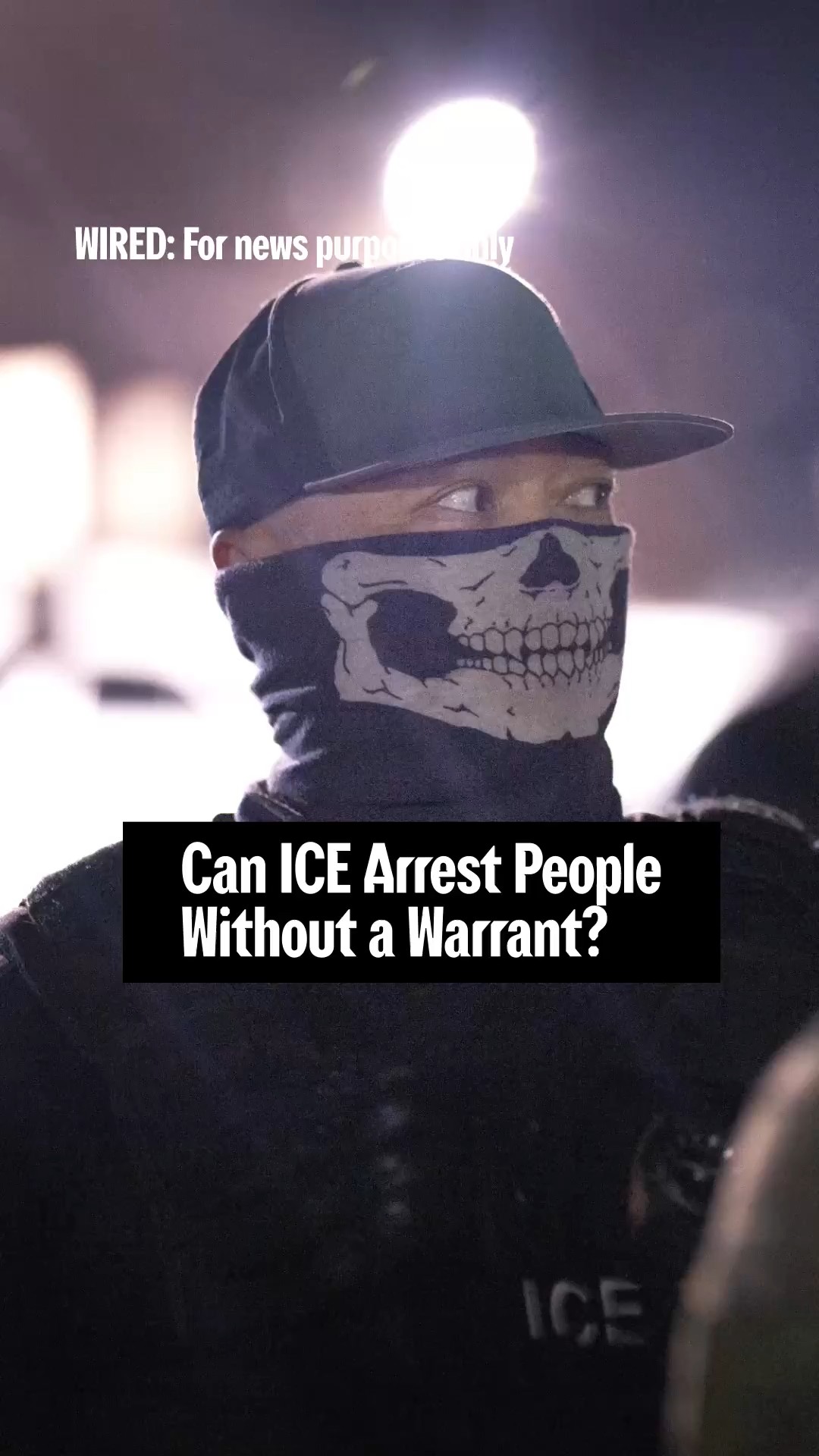
@wired ICE agents can arrest people without a warrant within a 100-mile zone around the entire United States. Professor and immigration lawyer Charles Kuck of @kuckbaxterimmigration_ joins WIRED to explain more.

@wired
Instagram · Talking Head Edit
@wired ICE agents can arrest people without a warrant within a 100-mile zone around the entire United States. Professor and immigration lawyer Charles Kuck of @kuckbaxterimmigration_ joins WIRED to explain more.
Performance
Video #4233 · Talking Head Edit
[01]
An immigration law professor answers the question of whether ICE can arrest people without a warrant. He explains the 100-mile border zone where this is legal, discusses issues with agent identification, details the use of surveillance technology, and provides specific legal advice on how individuals should act if they are stopped or detained by ICE.
[02]
[03]
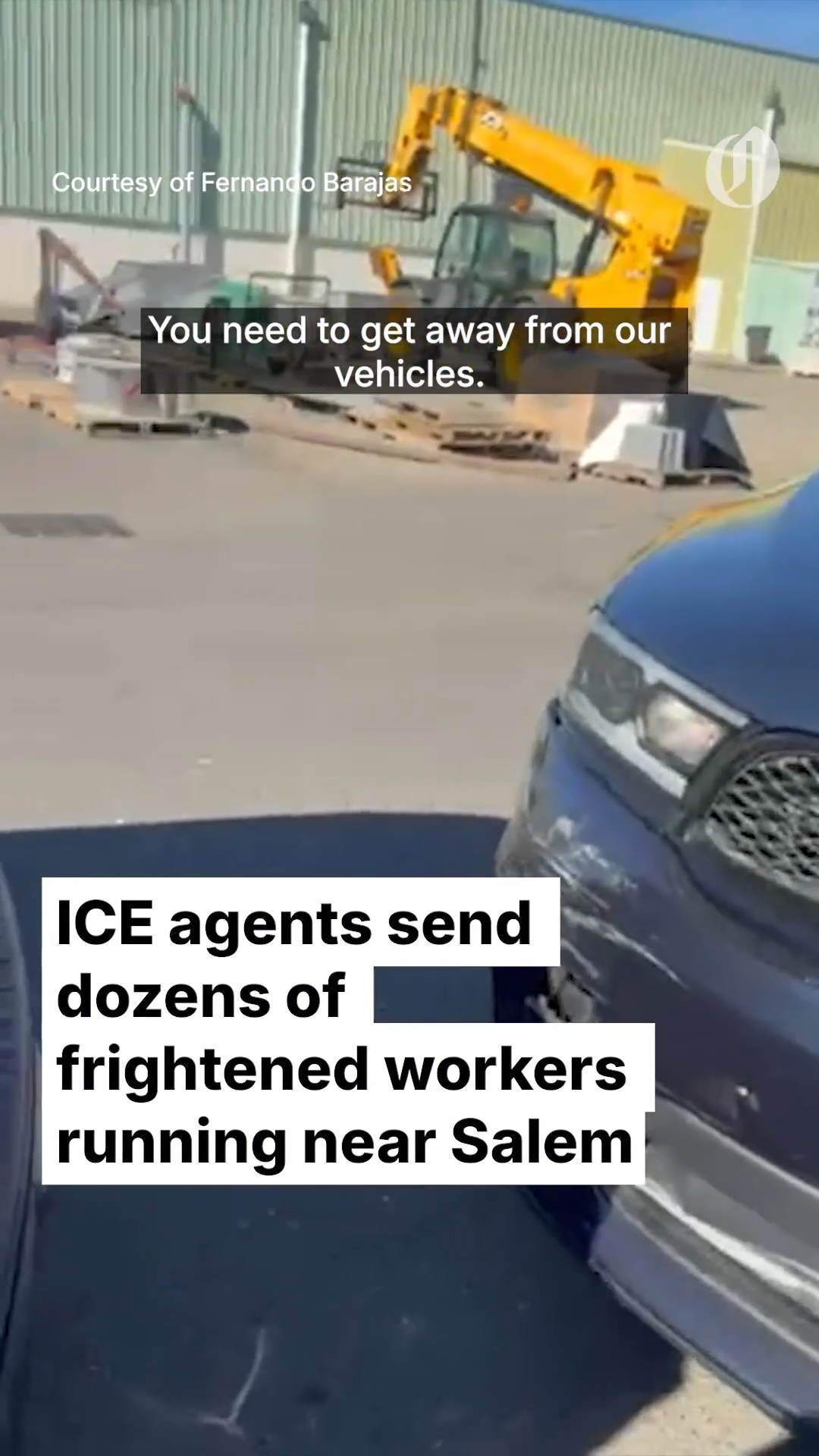 354.2K33.8×User footage of tense ICE raid@theoregonian
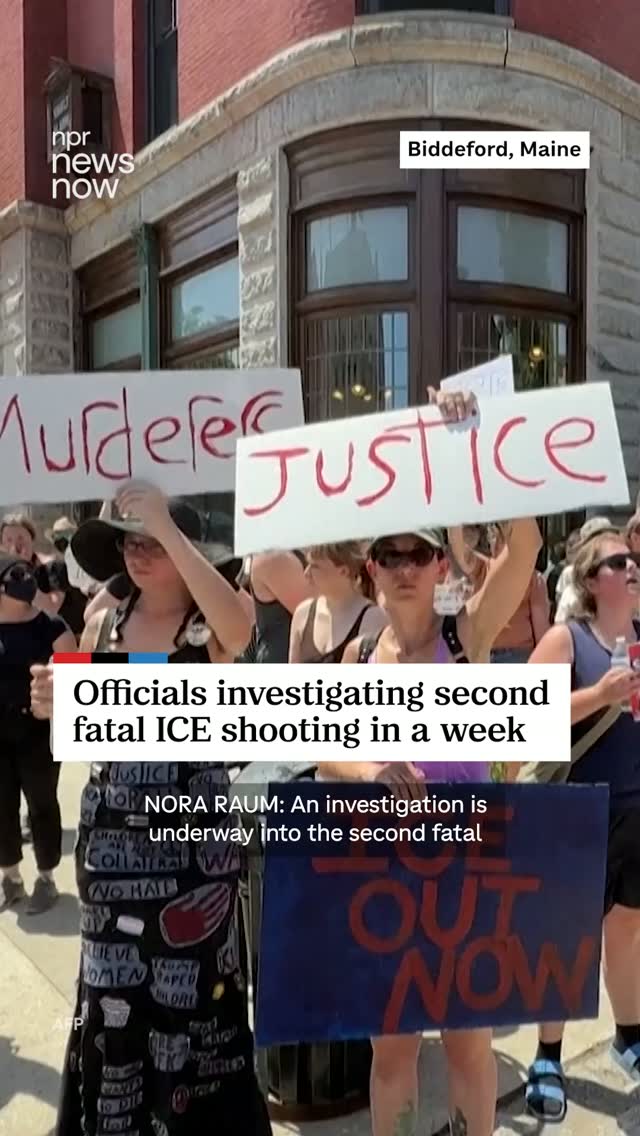 184K69.2×News report on fatal ICE shooting@npr · Headlines
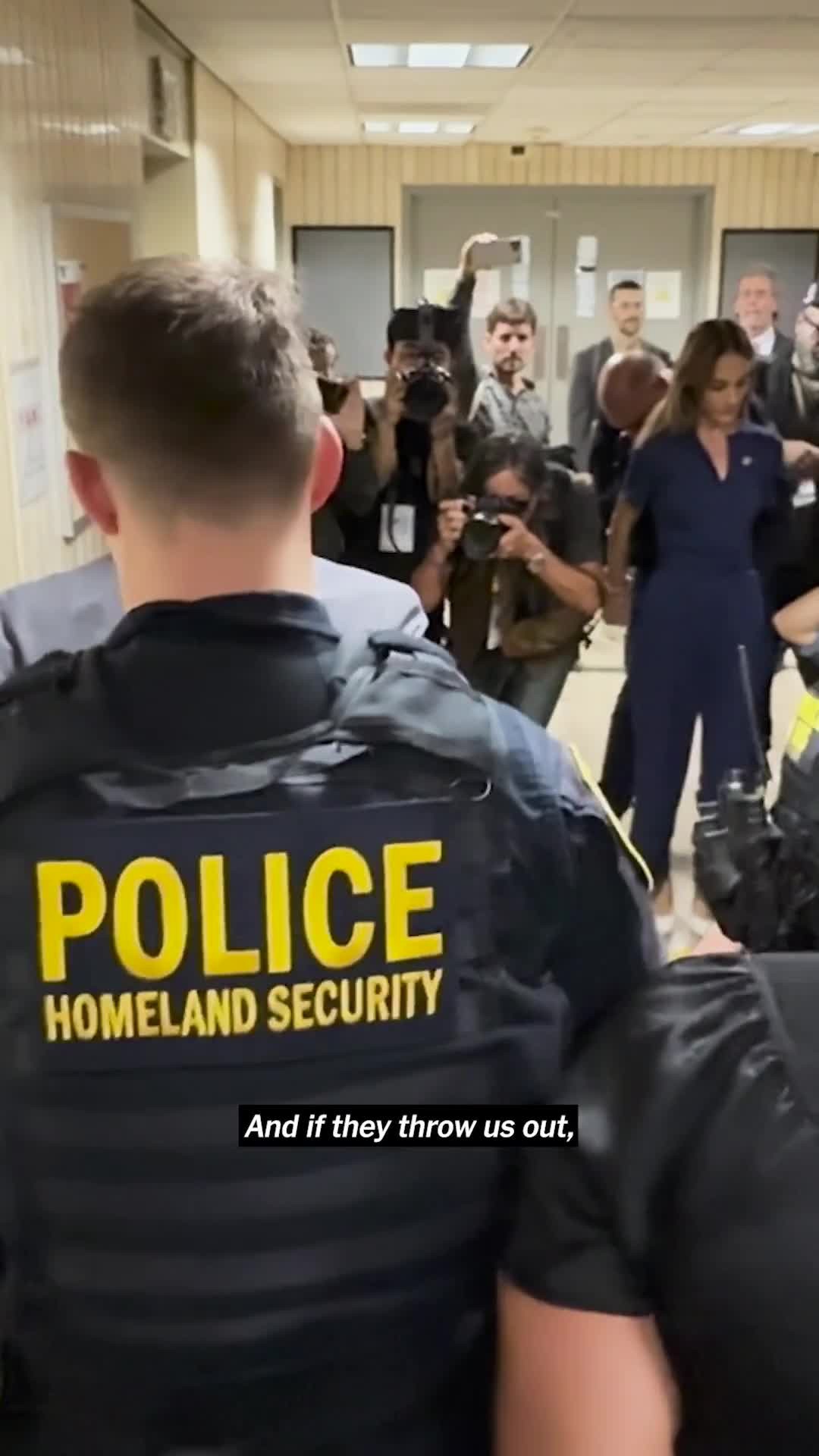 5.9MDocumenting a political protest confrontation@nytimes · Headlines
 190.9K40.9×Report breakdown on ICE labor@jesscraven101 · Breakdown
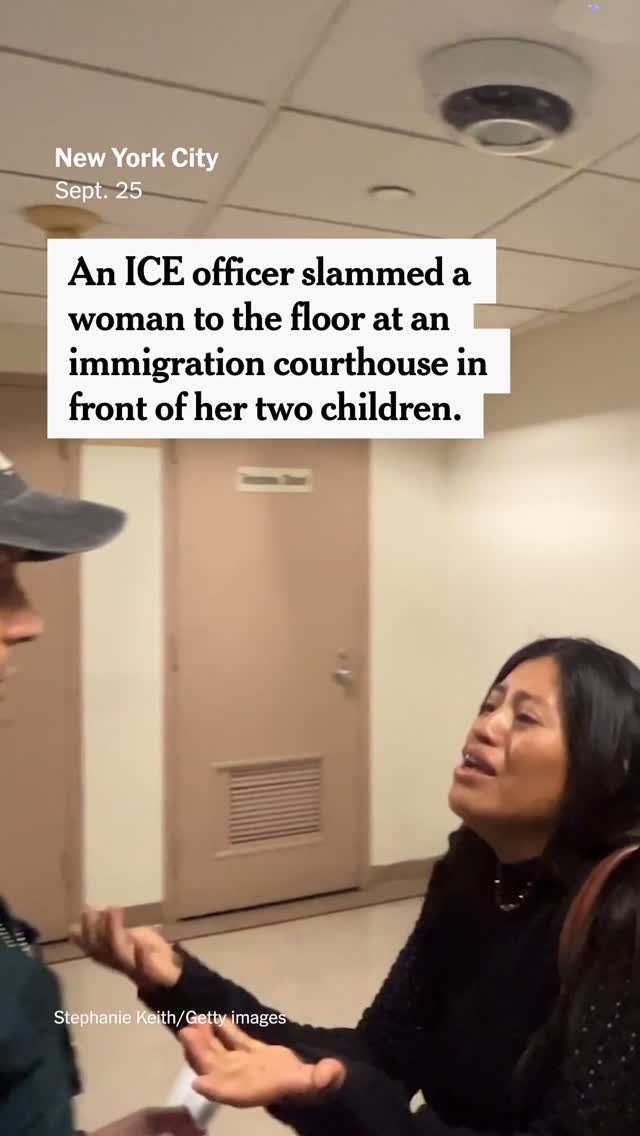 8.1M10.8×News report of courthouse altercation@nytimes · Empathy Appeal
 892.7K5.6×Witnesses ICE raid, critiques system@milkytran · Cultural Rant
 469.9K25.9×Political take and direct rebuttal.@womp_tomp · Reaction
 2.4M36.9×Split-screen reaction to political video@womp_tomp · Reaction
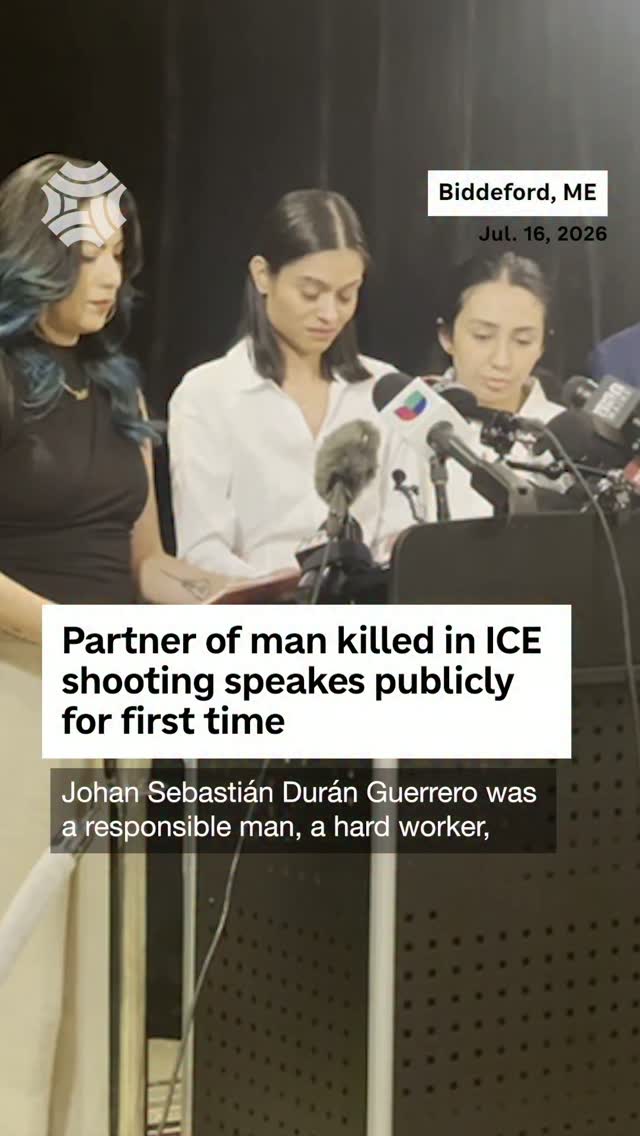 342.9K116.7×Press conference on ICE shooting@mainepublic · Vulnerable Monologue
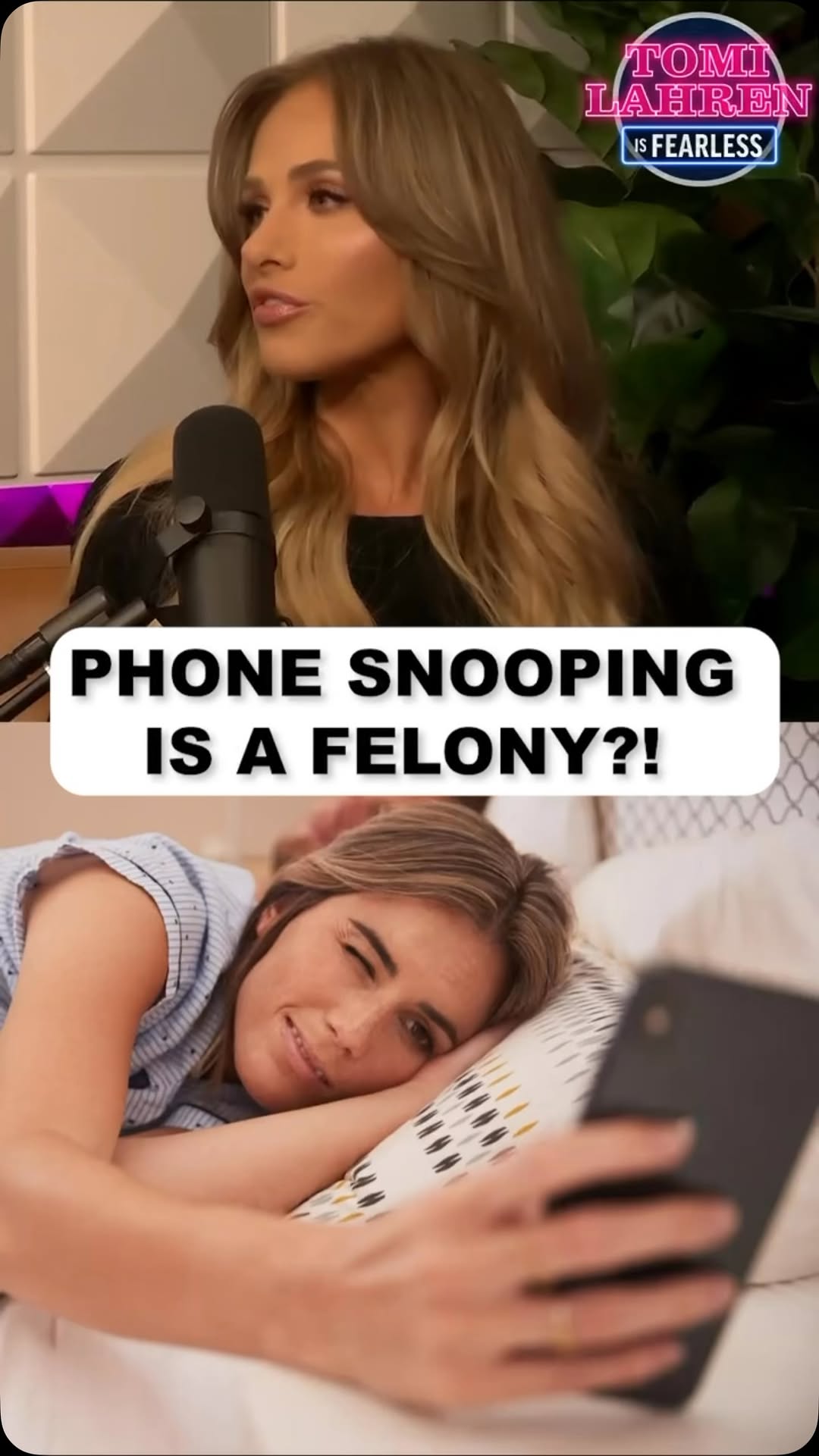 1.3M83.8×Expert explains phone snooping legality@tomilahren · Breakdown
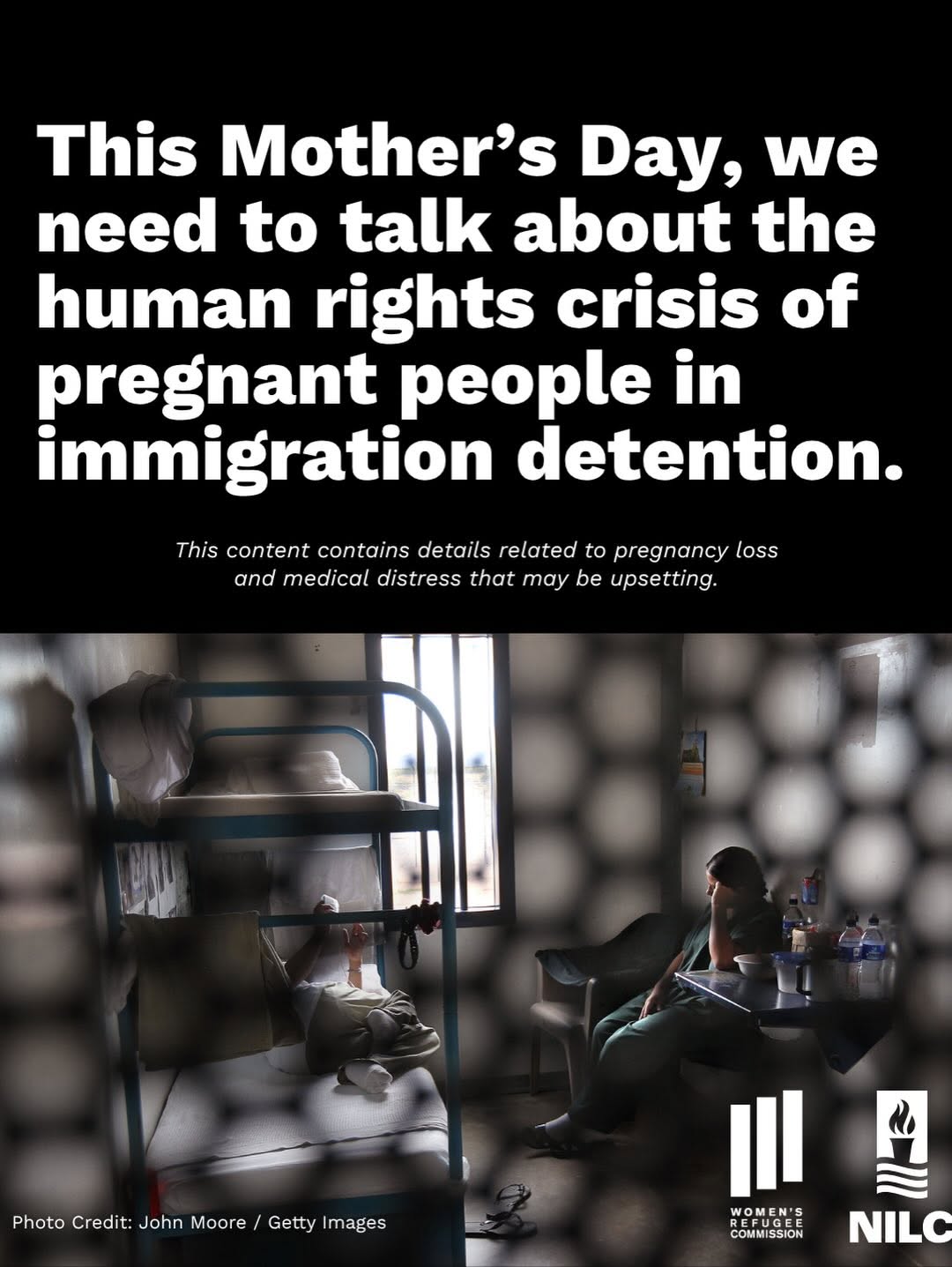 170.2K4.8×Advocacy post on immigration detention@nilc · Public Service Announcement
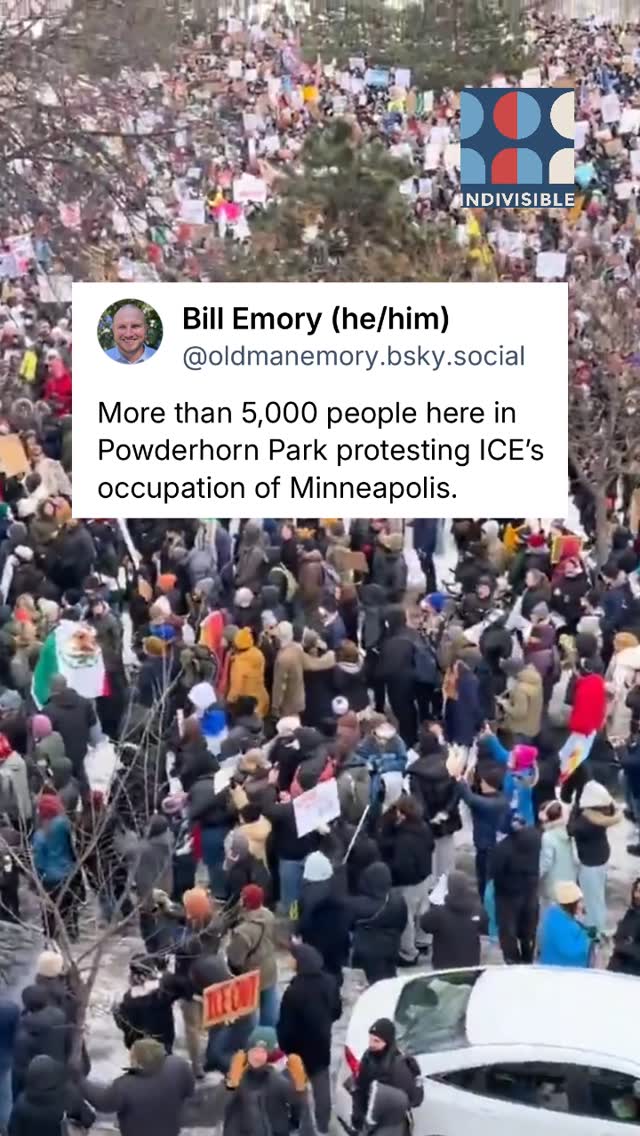 265.7K8.5×Social post over protest footage@indivisibleteam · Cultural Rant
[04]
[05]
What stops the scroll in the first 3 seconds
Title hook · 45%
Can ICE Arrest People Without a Warrant?
Verbal hook · 40%
Can ICE arrest people without a warrant?
Visual hook · 15%
A dramatic, low-light shot of an ICE agent wearing a skull-print face mask, creating an intimidating and serious mood.
[06]
Steal this for your own video
Can without a ?
[07]
The promise the opener makes, and how the video pays it back
Hook
A direct, controversial question is posed via text overlay on evocative imagery, immediately creating a knowledge gap and tapping into viewer curiosity or fear.
Payoff
The video concludes by illustrating the 'chilling effect' of the issue—a tangible, negative societal consequence that leaves the viewer with a powerful, lasting emotional impression.
[08]
The structural pattern this video runs on
Framework
The Expert Deconstruction
An expert systematically answers a provocative, high-stakes question by first revealing a shocking core truth, then escalating its real-world implications, and finally providing actionable advice and a concluding warning.
The Shocking Answer
The expert provides a direct and surprising answer to the initial question, establishing a broad, counter-intuitive rule that forms the foundation of the narrative.
The Scope Magnifier
The abstract rule is immediately quantified with a startling statistic and a visual aid (a map), translating the concept into a tangible and widespread reality for the audience.
The Ground-Level Scenario
A specific, relatable example is used to demonstrate how the abstract rule applies to an individual in a real-world situation, making the threat personal.
The Nuance & Limitation
The expert introduces a key exception to the rule, adding a layer of complexity and demonstrating credibility by presenting a balanced view.
The Systemic Problem
The narrative shifts from explaining the 'what' to the 'why,' addressing a secondary problem (lack of identification) and attributing it to a systemic failure.
The Human Consequence
The stakes are raised to their peak by revealing the most severe potential outcome of the system's failure, often involving an injustice against an innocent party.
The Technological Enabler
A modern technological tool is revealed that facilitates the controversial actions, adding a layer of dystopian surveillance to the issue.
The Empowerment Pivot
The narrative shifts from explaining the problem to providing direct, actionable advice for the viewer, offering a sense of agency and practical value.
The Escalation Update
The expert introduces a recent negative development or policy change, demonstrating that the threat is not static but actively evolving and potentially worsening.
ICE agents can arrest people without a warrant within a 100-mile zone around the entire United States. Professor and immigration lawyer Charles Kuck of @kuckbaxterimmigration_ joins WIRED to explain more.
branding · throughout
WIRED: For news purposes only
title · beginning
Can ICE Arrest People Without a Warrant?
contextual · beginning
Charles Kuck LAW PROFESSOR AND IMMIGRATION LAWYER
informational · beginning
CITIES WITHIN THE 100-MILE BORDER ENFORCEMENT ZONE
Can ICE arrest people without a warrant? And if so, if they're not wearing a uniform, a badge, or an ID, how are people supposed to trust them? ICE can arrest individuals without a warrant within a 100 mile zone around the entire United States. This includes 70% of The US population. So if you're in New York City, a nice officer walks up to you on the street and says, show me your papers. Entirely legal for them to do that. They also don't need no a warrant to arrest someone who they can positively identify as being in violation of US immigration law. Now they do need a warrant to enter a home unless they're in active pursuit of an individual. Now you're seeing today a lot of videos of ICE officers out there with no ID or ID that misstates who they are, the police. ICE is not the police. Or refusing to identify themselves as they arrest individuals. But until you have an administration that enforces requirements that they wear uniforms and identify themselves, You will see this continue until Americans get tired of it. There are a number of US citizens that have been arrested because they look foreign. Either they don't speak English very well or they don't have papers with them. In parts of The United States where that is outside the 100 mile zone, what ICE can do is they can surveil location. For example, an apartment complex mostly populated by immigrants. ICE walks around on their phones with an app with the photos of anyone who's ever given their photo to many DMVs, passports, and immigration. If you come up as somebody in their phone known to be undocumented, they will just arrest you without you saying anything. But our advice as lawyers is you simply remain quiet. If you're not under arrest, you rank, am I being detained? Not being detained? Walk slowly away. If they say they're detaining you, you're under best, and then you say, I'm not speaking without a lawyer. Don't resist arrest. Don't run away, but you have no obligation to talk to them. ICE did, in January, revoke guidance that prohibited them from going to places like schools and churches and hospitals. They're not going to those places, generally speaking, because there was a lot of pushback and a lot of litigation that was initially filed against the Trump administration for revoking those policies, but they are arresting people outside of schools. So people just don't send their kids to school.