@jason_swet
TikTok · Talking Head Edit
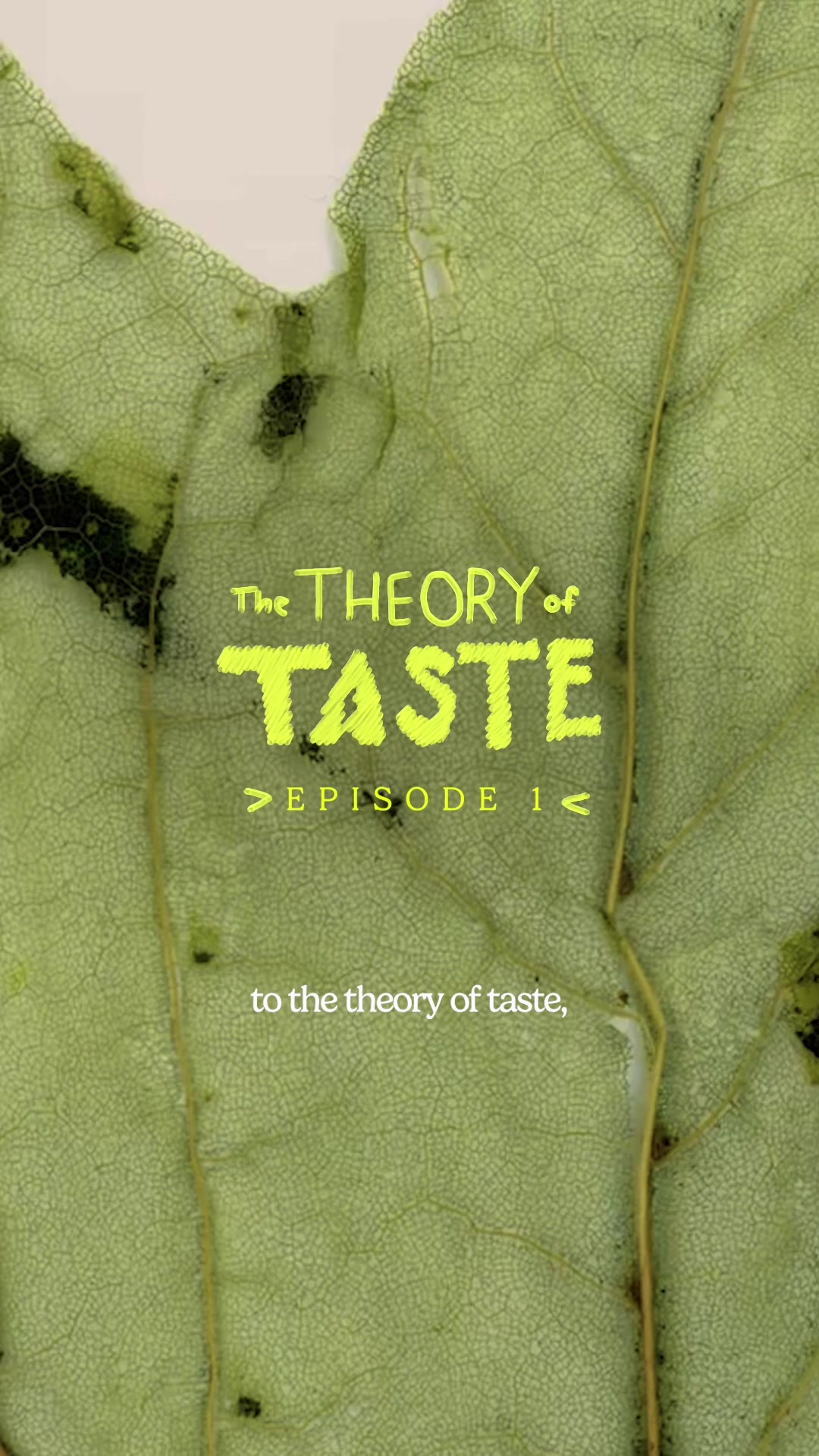
@jason_swet Follow along as we ask: is TASTE truly the advantage everyone claims it to be?

@jason_swet
TikTok · Talking Head Edit
@jason_swet Follow along as we ask: is TASTE truly the advantage everyone claims it to be?
Performance
Video #42824 · Talking Head Edit
[01]
The creator presents a philosophical argument on the nature of "taste," using an extended food metaphor to explain why consuming a wide variety of cultural inputs is essential for creative professionals. He critiques the idea of specialization, shares a personal anecdote about receiving bad career advice, and encourages viewers to actively explore and "dig" for inspiration rather than passively scrolling. He frames this as the first episode in a series dedicated to the topic, promising to challenge assumptions about taste and its value in one's career.
[02]
[03]
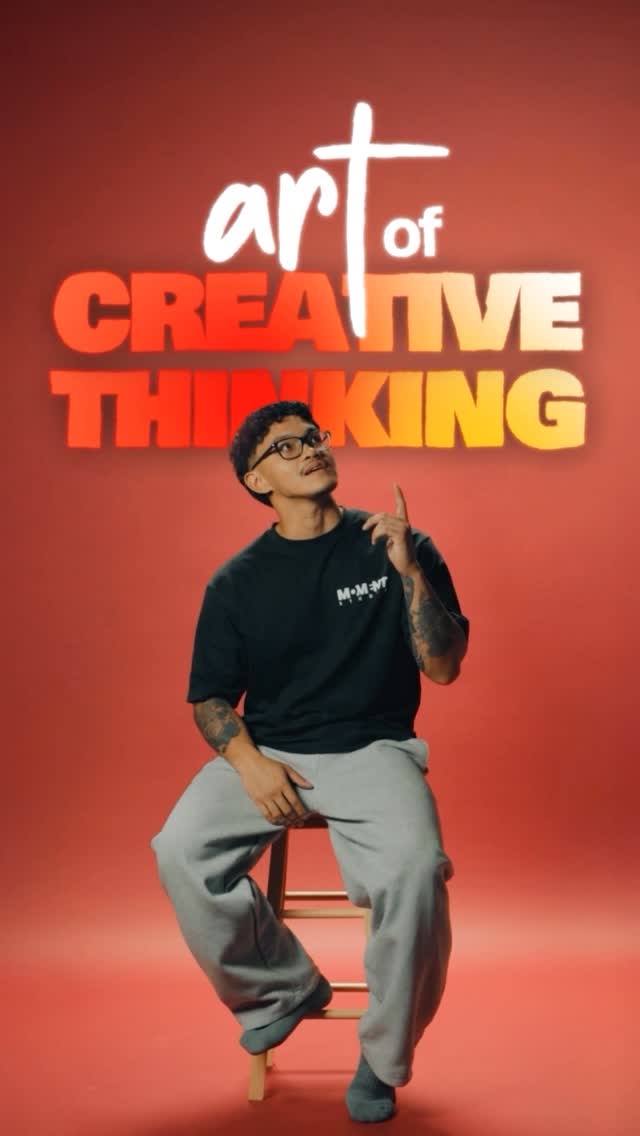 128.4KHigh-energy creative mindset breakdown@johnbucog · Breakdown
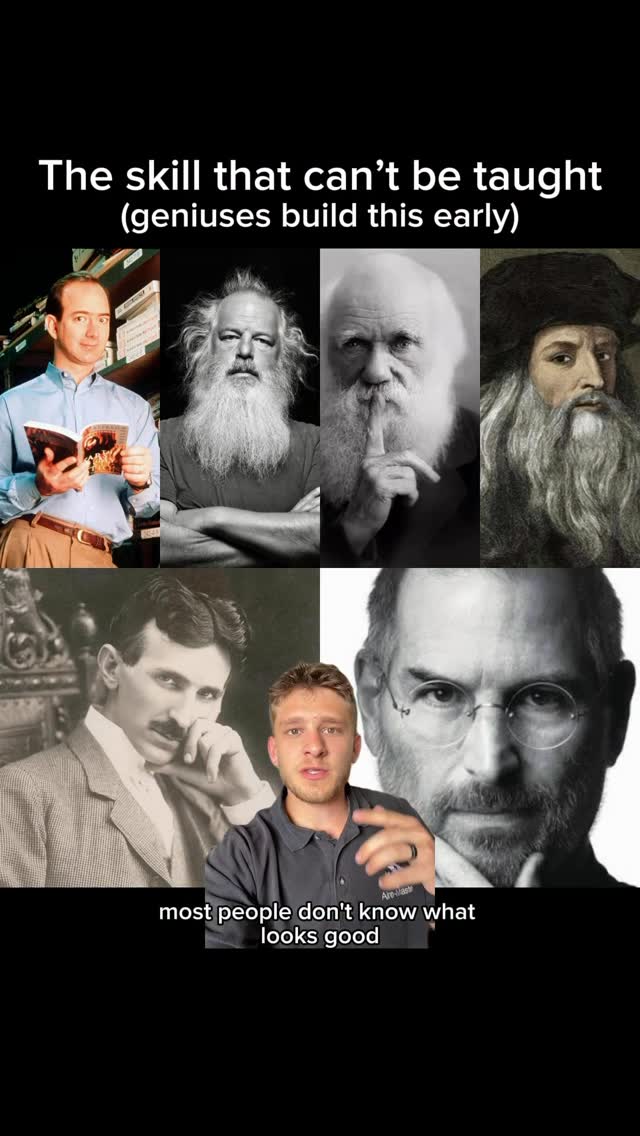 194.1K3.2×Explainer on the skill of taste@kolbykirschner · Opportunity Explainer
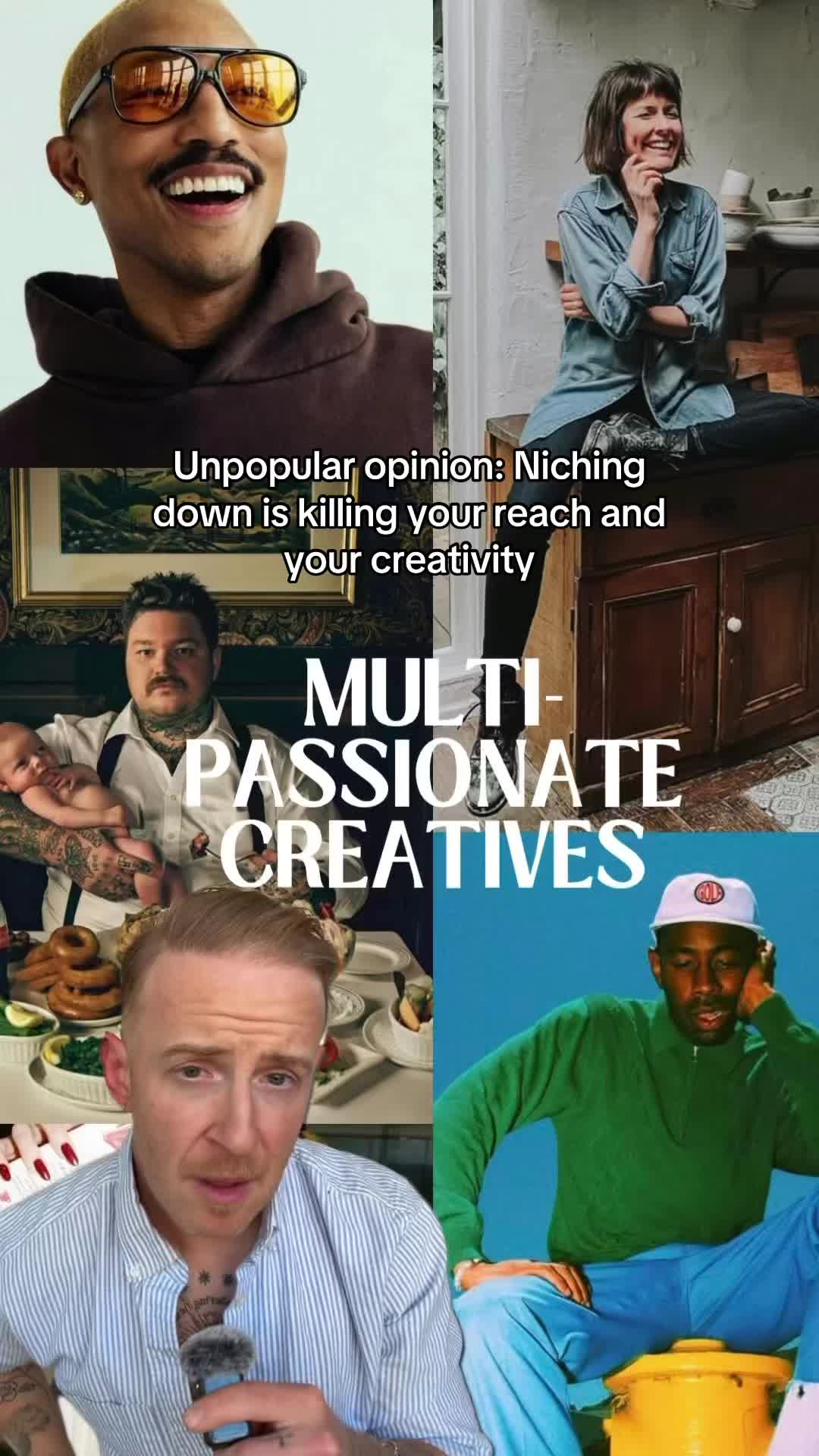 593.1K1.2×Greenscreen hot take with examples@gregsebell · Hot Take
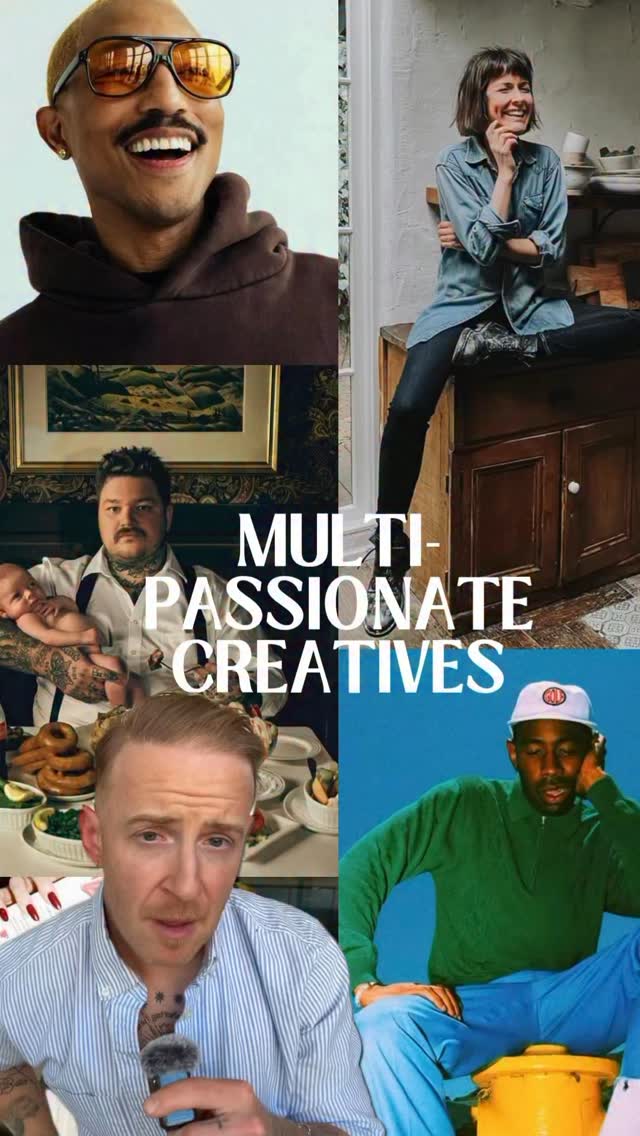 719.9K282.3×Argument against creative niching@sebell · Hot Take
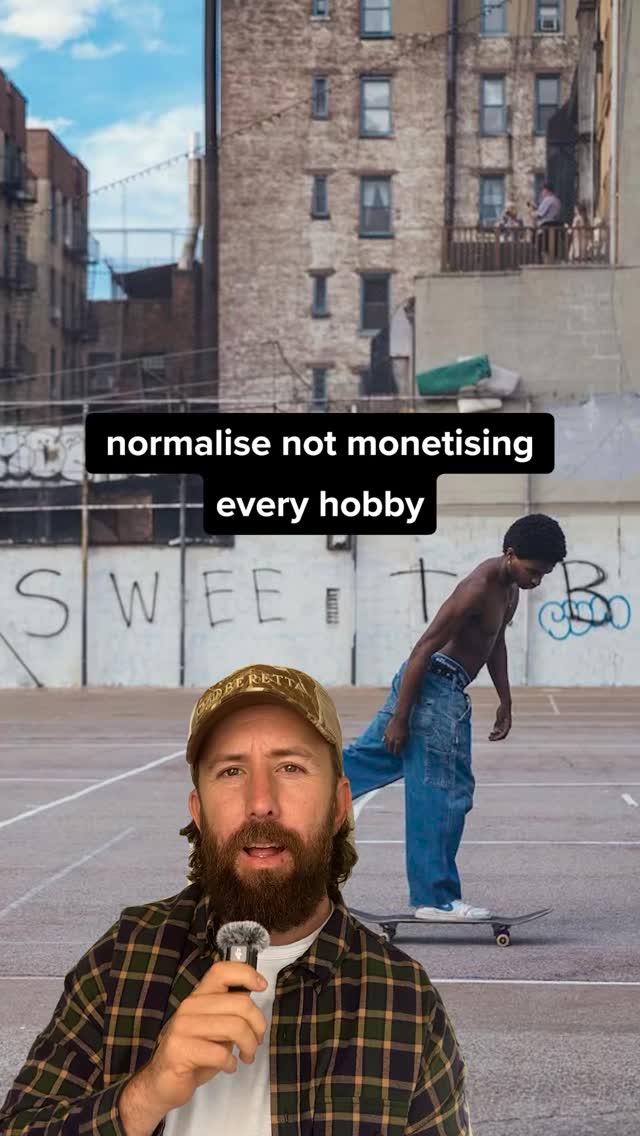 1M55.6×Monologue over B-roll montage@wearecalamity_ · Cultural Rant
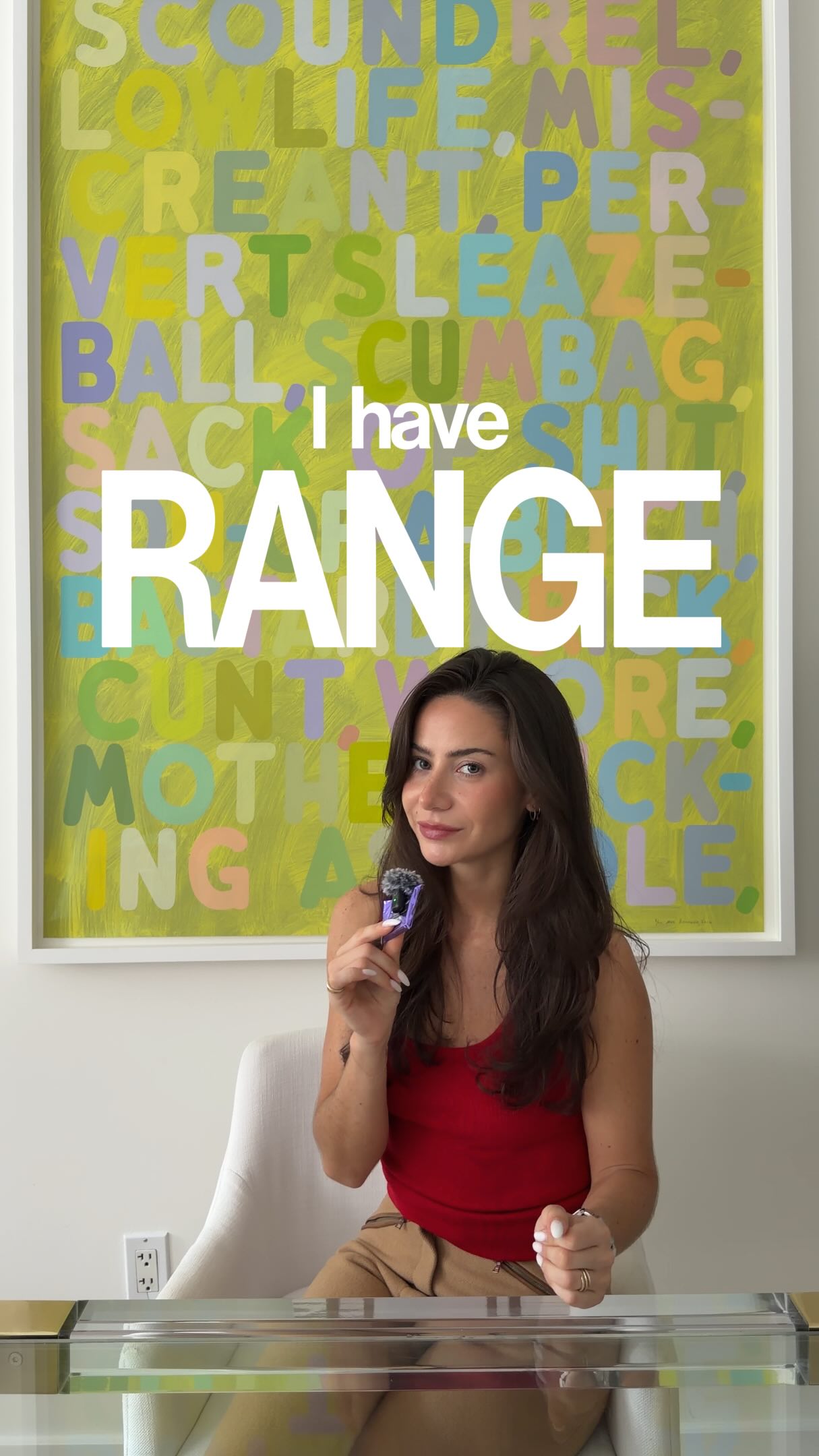 138.2K14.5×Creator rejects niche for authenticity@jennalitner · Vulnerable Monologue
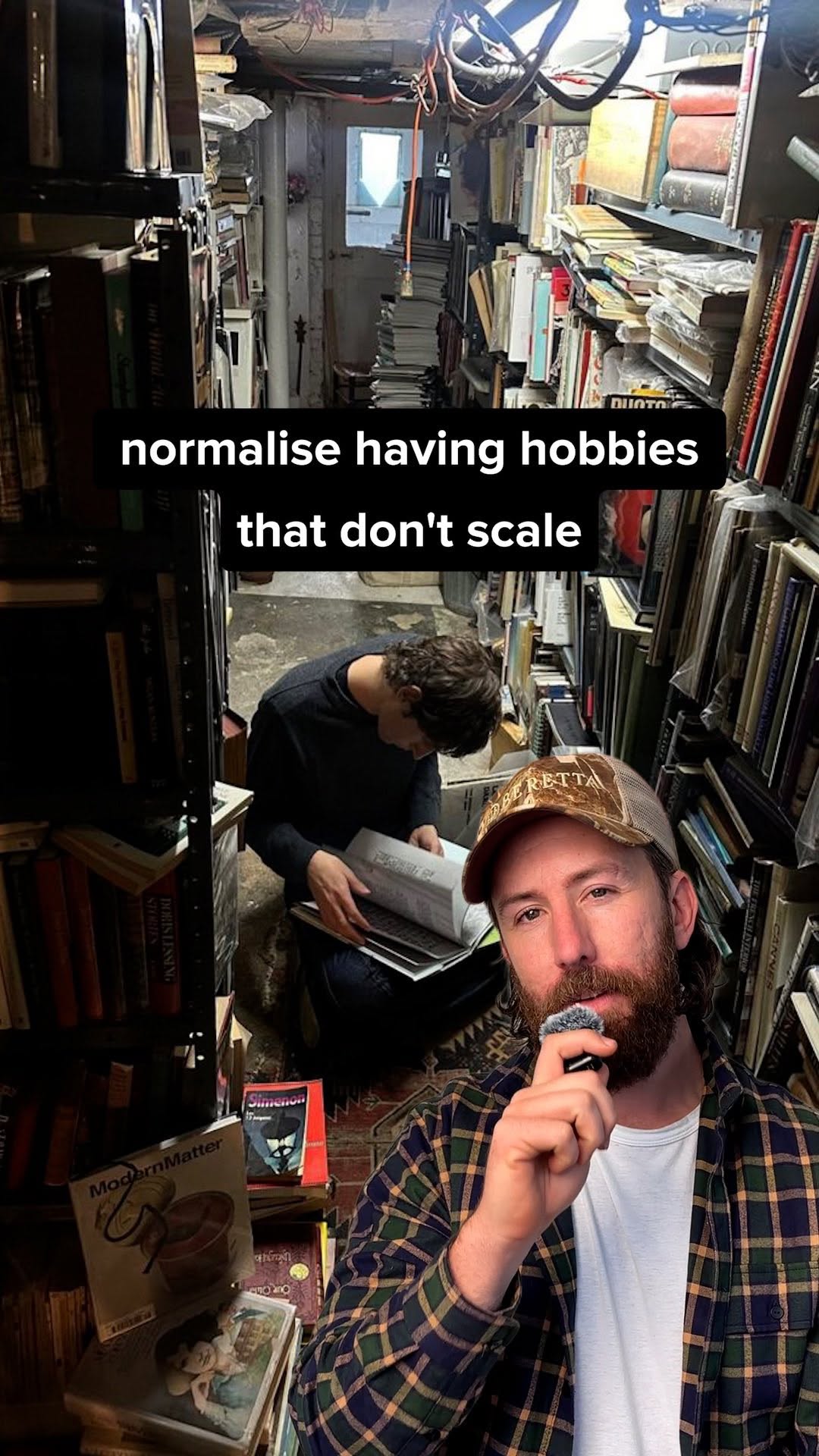 6.8M426.1×Philosophical monologue over aesthetic B-roll@wearecalamity_ · Brand Manifesto
 349.3K7.3×Creator reframes making music's goal@owencutts · Motivational Mantra
 225.2K11.8×Explaining content pillars and North Star@sarahhguerra_ · Opportunity Explainer
 390.1K8.1×Creator's motivational speech on creativity.@johnbucog · Brand Manifesto
 103.9K13.1×Greenscreen rant against hustle culture@iamfieldnotes · Cultural Rant
 280.4K10.7×Split screen creativity myth debunking@fakeplasticbrands · Breakdown
[04]
[05]
What stops the scroll in the first 3 seconds
Verbal hook · 70%
If you want to develop insatiable taste, you need to become a voracious eater.
Visual hook · 30%
The video opens on a split screen with a visually intriguing macro shot of a yellow, coral-like structure against a background of dark blue bubbles, creating immediate abstract visual interest.
[06]
Steal this for your own video
If you want to develop , you need to become a voracious .
[07]
The promise the opener makes, and how the video pays it back
Hook
An aspirational 'If you want X...' statement that targets a specific desire within a niche audience and promises a path to achieving it.
Payoff
The Elevated Thesis. The narrative concludes by refining the initial premise into a more sophisticated insight (distinguishing passive taste from active creation), which serves as the ultimate reward for the viewer and simultaneously functions as a hook for the rest of the series.
[08]
The structural pattern this video runs on
Framework
The Persuasive Manifesto
To establish authority and persuade the audience, the creator introduces a sophisticated thesis via a central metaphor, refutes a common piece of counter-advice through a personal anecdote, and provides a new, actionable framework, culminating in an elevated insight that distinguishes the amateur from the professional.
The Central Metaphor
Introduces a simple, relatable metaphor (e.g., taste as food consumption) that serves as the foundation for the entire argument, making a complex idea easily digestible.
The Proof by Contrast
Validates the metaphor by presenting a low-status negative example (e.g., 'fast food') and contrasting it with a rapid montage of high-status, aspirational positive examples (niche, rare, curated content) to define 'good' vs. 'bad'.
The Personal Conflict
Introduces a common piece of industry advice as a counter-argument ('pick a lane') and uses a personal story to explain why this advice was rejected, building both relatability and credibility.
The Actionable Alternative
Translates the abstract thesis into a direct, binary command ('replace scrolling with digging'), giving the audience a clear, practical takeaway and a new behavior to adopt.
The Intellectual Hedge
Strengthens the main argument by briefly acknowledging the merit of the counter-argument in a different context. This demonstrates nuance and preempts audience skepticism, thereby increasing the creator's authority.
Follow along as we ask: is TASTE truly the advantage everyone claims it to be?
title · beginning
The THEORY of TASTE > EPISODE 1 <
contextual · end
Edited by NIC HESLOP Animations from NIK ARTHUR "WAFFLE HOUSE" SNAILS & BOTNEK DAX NORMAN Written by JASON MURRAY Footage & Images from PUBLIC.WORK INTERNET ARCHIVE MAXIMUM ROCKNROLL EDWARD WESTON GARRETT KING TAYLOR LEWIS
If you want to develop insatiable taste, you need to become a voracious eater. This is foundational to the theory of taste and in this series, I'm gonna take that metaphor further than you've ever seen. Because no one trusts the taste of someone who only consumes fast good. Whether you're an art director like I am, a creator, a musician, or curator, we trust the taste of people who have taste tested lots of meals, a variety of genres, non mainstream ingredients, or sources that are harder to get to or find. That chef's table experience in the Yucatan jungle. A virtual garden that feels properly gatekept from the algorithms. An Internet archive trip, literally. Ironically, one of the first worst of advice that I got from a real creative director was pick a lane. He didn't know where my skills would fit as a content creator and I hated the idea of sticking to a lane. Lanes just don't feel very creative at all. To become a connoisseur, you have to go outside your rank. Regardless of your tactical ability, I want you to replace scrolling with digging, replace escape with wandering and exploration. This gives your taste buds experience, but taste alone does not give you an ability to good, and a chef who does specialize in a single lane can be world class. That CD wasn't wrong worse se. So as I dig into this series, I wanna challenge your assumptions of best. Our definitions even and find new ways to help you interact with the world more tastefully. Because maybe taste alone is all you want. We need trusted critics and curators better when you want to cook or become a chef, art director, designer, creator director, I don't think taste can be a passive consumption activity tier it definitely won't be the moat everyone thinks it is. I hope you follow along as we learn to articulate taste and decipher ingredients, learn its lineage and DNA and how different types of taste create different types of value in your career.