Viral Hooks
Trending short videosPersonal story resisting social pressure
L

@livewellwithsophie

Instagram · Vlog
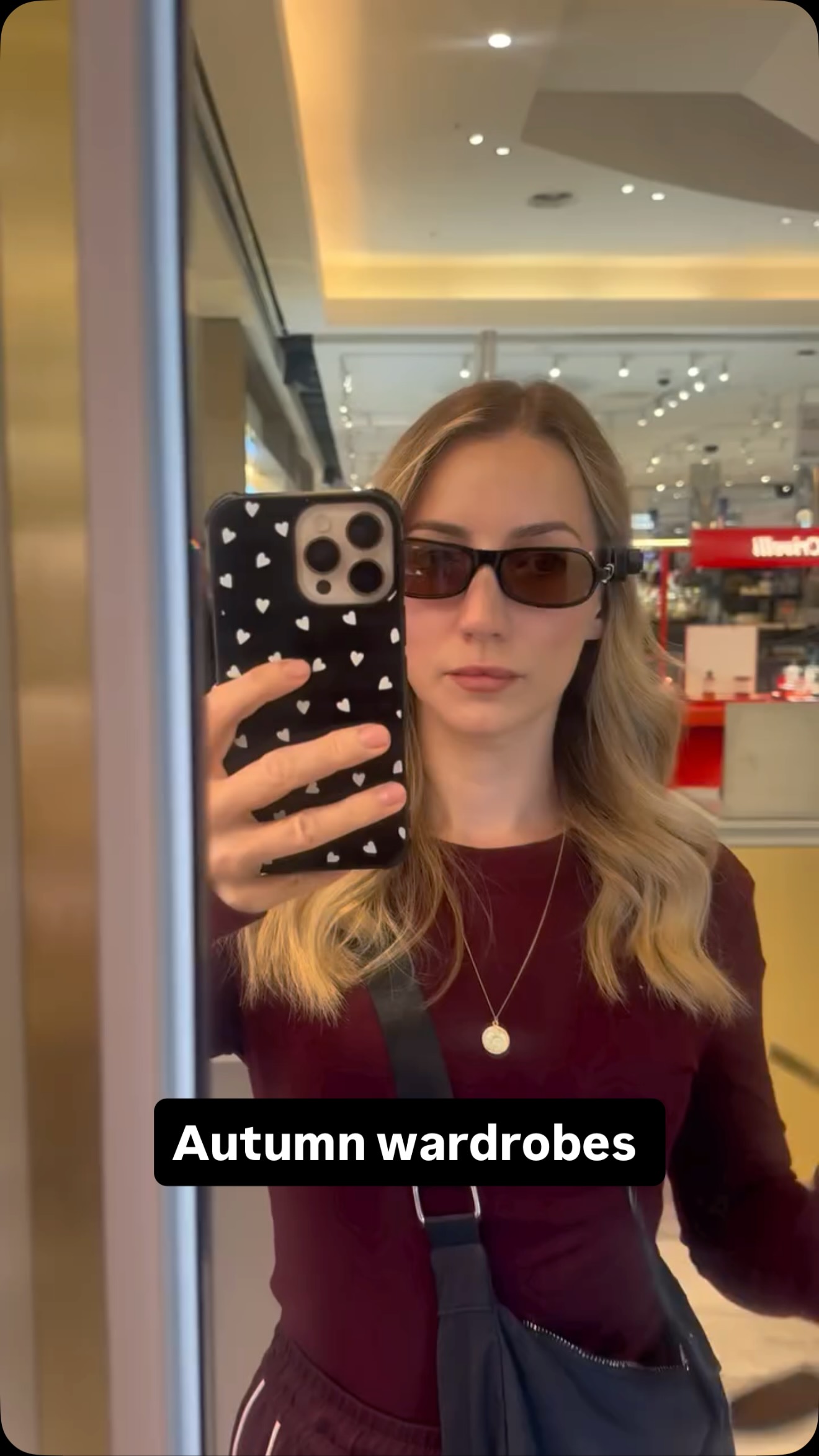
@livewellwithsophie I always have this little meltdown when it transitions from summer to autumn because suddenly your feeds are filled with autumn hauls & we feel like we need to go straight to the billion dollar high street or influencer brands and drop £450 on what is essentially the same product/s that they brought out last year only with slightly new features so they can somehow keep us all going on the merry go round of consumerism. Do not get me wrong, I absolutely get sucked into it too. I love buying new clothes and I agree that looking good often equals feeling good & we should try and do that where possible. But also for most of us are juggling jobs, motherhood, trying to go to the gym, and not really going out that much, and so we don’t to drop a quarter of our wages on clothes that will mostly likely get hung up in our wardrobe until we decide we are bored of them and take them to the tip or sell them for a fraction of their price on Vinted. So this is just a little reminder, your wardrobe is fine. More than fine. Buying more “stuff” because we’re made to feel like it’s what we need to become better or to fix our feelings of being inadequate is just clever marketing, and you got this 🫶🏻


View original on Instagram

The edit1 shot · 20 text
Shots Text1:13

Performance

Views
312.9K
Likes
9.5K
Comments
337
Engagement
3.1%
Outlier
3×
Length · 22 Sept 2026
1:13

Video #43539 · Vlog

Personal story resisting social pressurefrom @livewellwithsophie

[01]

Overview

The creator shares a personal story about almost spending £450 on new autumn clothes after being influenced by social media trends. She walks through her process of online shopping and trying on clothes, then describes her realization at checkout that she was buying into a fantasy version of herself. She concludes with a broader critique of how social media sells dissatisfaction and resolves to appreciate and re-wear the clothes she already owns, finding contentment in her real life.

[02]

Simple outline

  1. 1State relatable vulnerability
  2. 2Contrast fantasy vs. reality
  3. 3Reveal universal insight
  4. 4Declare empowered choice

[03]

Related videos

[04]

Classification

Format
Concepts
Vulnerable MonologueAnecdotal Philosophy
Elements
VoiceoverB-Roll CutawayMontage Editing

[05]

Hook analysis

What stops the scroll in the first 3 seconds

Title hook · 48%

I almost spent £450 last night

Verbal hook · 52%

I almost spent £450 last night trying to become a version of me that doesn't exist.

Visual hook

A medium close-up of the creator in a car, looking directly at the camera with a serious expression, creating an intimate and confessional mood.

[07]

Hook and payoff

The promise the opener makes, and how the video pays it back

Hook

A high-stakes, specific, and vulnerable confession that introduces an internal conflict and a near-mistake, making the audience immediately curious about the backstory and outcome.

Payoff

A declaration of self-acceptance and a new, healthier mindset that provides a satisfying and inspiring conclusion, reframing the initial problem as a source of strength.

[08]

Narrative framework

The structural pattern this video runs on

Framework

The Reality Check Confessional

A narrative structure that begins with a vulnerable confession about succumbing to external pressure, contrasts the idealized fantasy with the creator's actual reality, and culminates in an empowering realization and rejection of that pressure.

  1. 1

    The Shocking Confession

    Open with a specific, quantifiable statement of a near-failure or moment of weakness to create immediate intrigue and establish the core conflict.

  2. 2

    The External Trigger

    Identify the common external influence (e.g., a trend, societal pressure) that caused the internal feeling of inadequacy, making the problem relatable.

  3. 3

    The Aspirational Action

    Detail the specific actions taken to 'solve' the feeling of inadequacy by acquiring items or behaviors associated with an idealized version of oneself.

  4. 4

    The Moment of Doubt

    Describe the turning point—a specific moment where the fantasy collides with reality, prompting a critical, self-reflective question.

  5. 5

    The Reality Audit

    Present concrete, undeniable evidence from one's actual life that directly contradicts the aspirational fantasy being pursued.

  6. 6

    The Core Epiphany

    Articulate the central realization: the desire was not for the 'things' themselves, but for the fantasy identity they represented.

  7. 7

    The Societal Diagnosis

    Broaden the personal epiphany into a universal critique of the external force, explaining its manipulative mechanism and connecting with the audience on a larger scale.

  8. 8

    The Empowered Resolution

    Conclude with a clear, decisive action that rejects the external pressure and embraces one's authentic reality, offering a positive and actionable takeaway.

Themes

  • anti-consumerism
  • authenticity
  • social media pressure
  • self-acceptance

Techniques

  • voiceover narration
  • montage editing
  • personal storytelling

Trends

  • de-influencing
  • mindful consumption

Post caption

I always have this little meltdown when it transitions from summer to autumn because suddenly your feeds are filled with autumn hauls & we feel like we need to go straight to the billion dollar high street or influencer brands and drop £450 on what is essentially the same product/s that they brought out last year only with slightly new features so they can somehow keep us all going on the merry go round of consumerism. Do not get me wrong, I absolutely get sucked into it too. I love buying new clothes and I agree that looking good often equals feeling good & we should try and do that where possible. But also for most of us are juggling jobs, motherhood, trying to go to the gym, and not really going out that much, and so we don’t to drop a quarter of our wages on clothes that will mostly likely get hung up in our wardrobe until we decide we are bored of them and take them to the tip or sell them for a fraction of their price on Vinted. So this is just a little reminder, your wardrobe is fine. More than fine. Buying more “stuff” because we’re made to feel like it’s what we need to become better or to fix our feelings of being inadequate is just clever marketing, and you got this 🫶🏻
Text overlays

  • title · beginning

    I almost spent £450 last night

  • contextual · beginning

    trying to become a version of me that doesn't exist

  • contextual · beginning

    I've been watching all of these autumn transition reels and suddenly

  • contextual · beginning

    everything in my wardrobe felt shit

  • contextual · beginning

    and I spent the entire evening filling up baskets

  • contextual · beginning

    and adding loafers and jackets and designer sunglasses

  • contextual · middle

    all of these things that I thought I desperately needed

  • contextual · middle

    and then I got to the checkout and thought who am I actually buying this for

  • contextual · middle

    because in my head I'm this woman that gets properly dressed

  • contextual · middle

    but in reality I've got two small kids

  • contextual · middle

    I go to the gym most days, I barely go out and I spend about 80% of my life in leggings

  • contextual · middle

    and I've already got a shitload of clothes in my wardrobe and then I realised

  • contextual · middle

    I wasn't actually buying the wardrobe, I was buying into this fantasy version of myself

  • contextual · middle

    who's more put together and someone who's finally got shit sorted

  • contextual · end

    and I think that's what social media is becoming incredibly good at selling us

  • contextual · end

    it's not the clothes but it's that dissatisfaction

  • contextual · end

    because every time we open our phone there's another version of our wardrobe, house, face, body and life that needs upgrading

  • contextual · end

    and we're spending money we don't really have to try and fix things that weren't actually a problem until someone showed us something better

  • contextual · end

    so I've closed the baskets, I'm wearing what I already own, I'm repeating my outfits

  • contextual · end

    and instead of constantly asking myself what do I need next, I'm gonna get better at looking at my actual ordinary life and thinking actually this is enough

Transcript

I spent four tier pounds last night trying to become a version of me that doesn't worst. I've been watching all of these autumn transition reels and suddenly everything in my wardrobe felt shit and I spent the entire evening filling up baskets and adding loafers and jackets and designer sunglasses. All of these things that I thought I desperately needed and then I got to the checkout and thought who am I actually buying this for because in my head I'm this woman that gets properly dressed better in reality I've got two small kids, I go to the gym most days, I barely go out and I spend about 80% of my life in leggings and I've already got a shitload of clothes in my wardrobe and then I realized I wasn't actually buying the wardrobe. I was buying into this fantasy version of myself who's more put together and someone who's finally got shit sorted and I think that's what social media is becoming incredibly good at selling us. It's not the clothes but it's that dissatisfaction because every time we open our phone there's another version of our wardrobe, worse, space, body and life that needs upgrading tier we're spending money we don't really have to try and fix things that weren't actually a problem until someone showed us something better. So I've closed the baskets, I'm wearing what I already own, I'm repeating my outfits and instead of constantly asking myself what do I need best, I'm gonna get better at looking at my actual ordinary life and thinking actually this is enough.

Personal story resisting social pressure | Viral Hooks