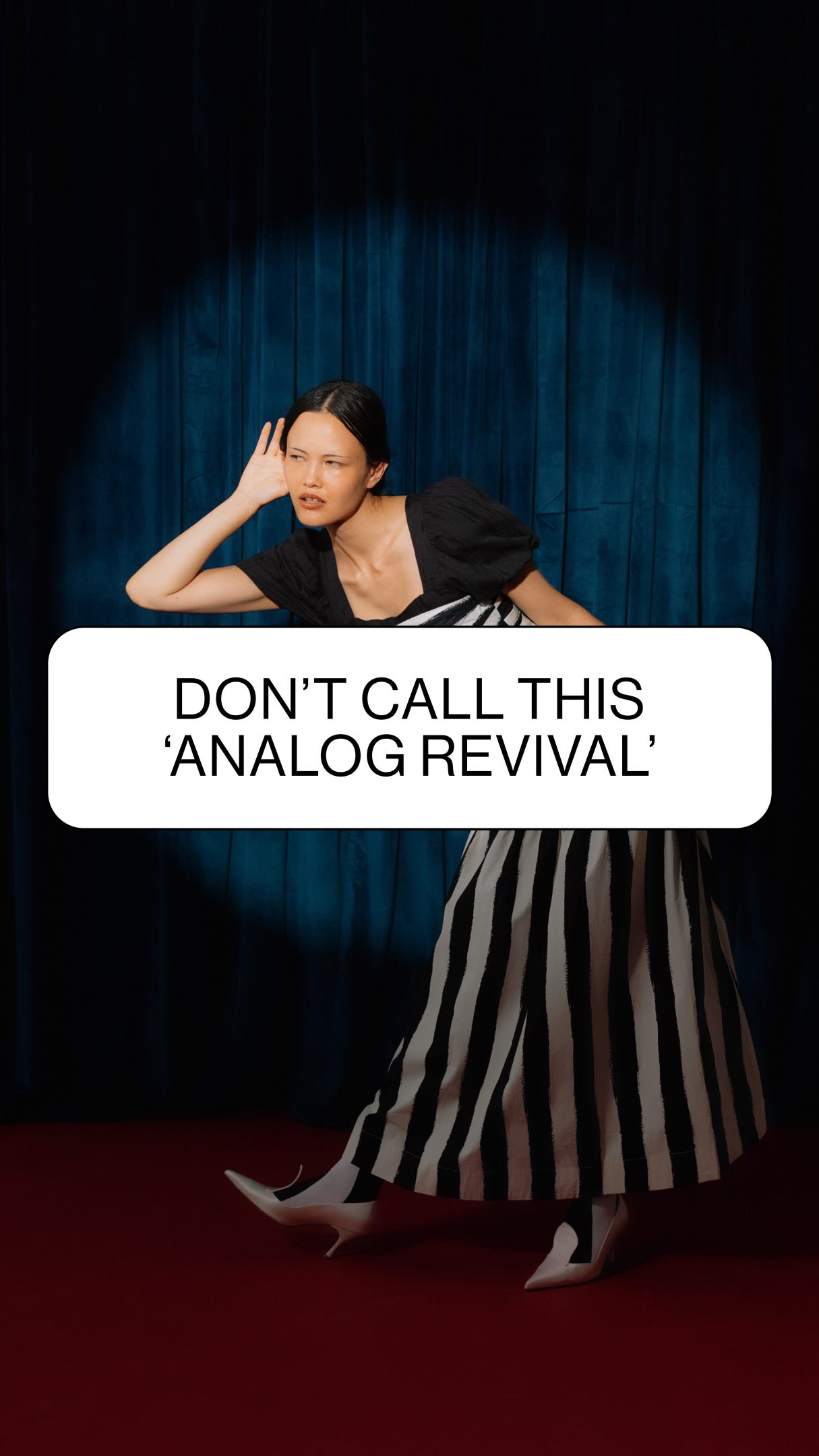
Presenting a contrarian cultural observation as a high-status insight, then systematically proving it by identifying a root cause, showing its absurd consequences, and revealing the subsequent counter-movement.
- 1
The Authority Anchor
Establishes the creator's credibility on the topic by referencing a reputable external source or prior work, setting the stage for a well-researched argument.
- 2
The Root Cause Analysis
Identifies and explains the underlying systemic force (the 'villain') responsible for the problem stated in the hook, giving the viewer a clear 'why'.
- 3
The Absurd Consequence
Illustrates the extreme, illogical, or performative outcomes of the root cause, proving the thesis with a relatable and often humorous example of the system's failure.
- 4
The Cultural Diagnosis
Frames the situation within a larger, named cultural shift or 'era', elevating the specific observation into a significant societal trend.
- 5
The Thesis Justification
Restates the initial hook with a concise, powerful justification that connects the behavior directly to a negative, undesirable identity (e.g., 'chronically online').
- 6
The Counter-Movement Evidence
Presents the emerging reaction or solution to the problem, showing how people are actively moving in the opposite direction and validating the creator's thesis.
- 7
The Cross-Disciplinary Analogy
Expands the core argument into an unrelated field, demonstrating the universality of the concept and triggering a satisfying 'pattern recognition' moment for the viewer.
- 8
The Good vs. Bad Dichotomy
Contrasts two opposing approaches to the issue, creating a clear 'hero' (authentic engagement) and 'villain' (opportunistic trend-chasing) to simplify the moral of the story.