Viral Hooks
Trending short videosSkilled vs. unskilled coach breakdown
S

@sharellegrant

Instagram · Prop Yap

@sharellegrant I feel pretty strongly about this... One of the BIGGEST issues in the online coaching space is that coaches will sign anyone with a pulse that pays 🤷🏻‍♀️ And unfortunately, I think this is one of the reasons so many people have poor coaching experiences and sometimes walk away believing they’re “uncoachable”. When in reality, it could have been the wrong program, wrong coach, or wrong approach. Someone struggling to follow your plan doesn’t automatically make them uncoachable. Sometimes, it means you need to get better at coaching, ask better questions, and understand why they’re struggling in the first place. And sometimes it still happens. Even I’ve signed clients who I genuinely thought were the right fit initially, only to realise a few weeks in that they weren’t and we needed to part ways. That isn’t their fault, that’s on me for getting the fit wrong. But after years of coaching and working with thousands of women at WHM, we’ve become very clear on the type of women we can help… and the ones we can’t. What we do works incredibly well for the right person, but we’re not for everyone. Good coaches aren’t afraid to turn people away when they know they’re not the right fit, and trust me, working with the wrong client is more pain than it’s worth 😅 The goal isn’t to sign everyone. It’s to work with the people you genuinely believe you can help. That’s what protects your reputation, your retention, and most importantly, your clients results.

View original on Instagram

The edit1 shot · 8 text
Shots Text1:30

Performance

Views
346.8K
Likes
31.4K
Comments
224
Engagement
9.1%
Outlier
87.9×
Length · 30 Sept 2026
1:30

Video #43629 · Prop Yap

Skilled vs. unskilled coach breakdownfrom @sharellegrant

[01]

Overview

The creator reacts to a popular social media trend that blames clients for being "uncoachable." She then flips the narrative by using a whiteboard to contrast the practices of an "unskilled coach" (who blames clients) with a "skilled coach" (who takes responsibility and adapts their methods), concluding that a coach's job is to become skilled at coaching, not to find easy clients.

[02]

Simple outline

  1. 1Reference a popular trope
  2. 2Subvert the trope's premise
  3. 3Deconstruct the negative archetype
  4. 4Construct the positive archetype
  5. 5Deliver a polarizing thesis

[03]

Related videos

[04]

Classification

Format
Concepts
Good vs BadBreakdownHot Take
Elements
Whiteboard / DrawingJump CutB-Roll Cutaway

[05]

Hook analysis

What stops the scroll in the first 3 seconds

Title hook · 70%

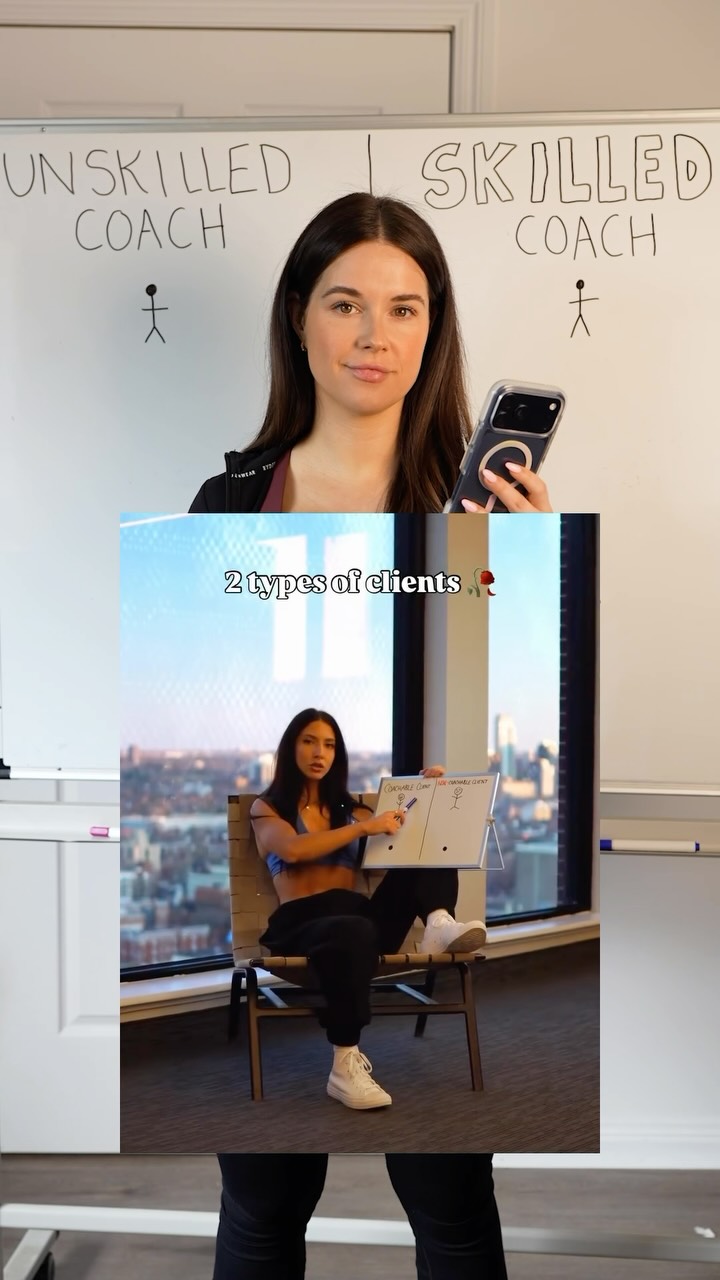
UNSKILLED COACH | SKILLED COACH

Verbal hook · 5%

Coachable client.

Visual hook · 25%

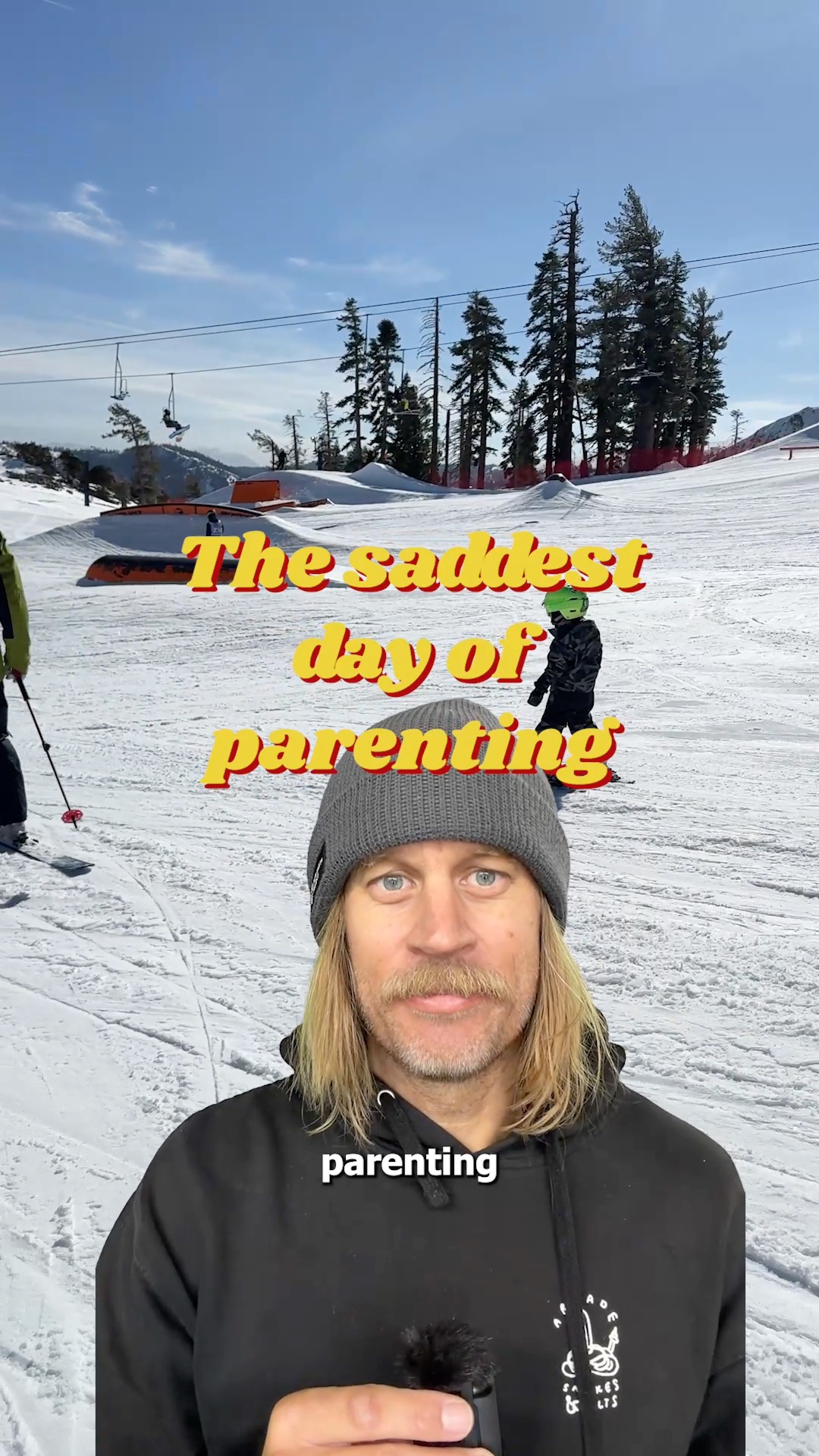
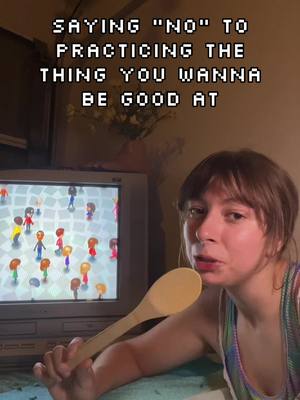
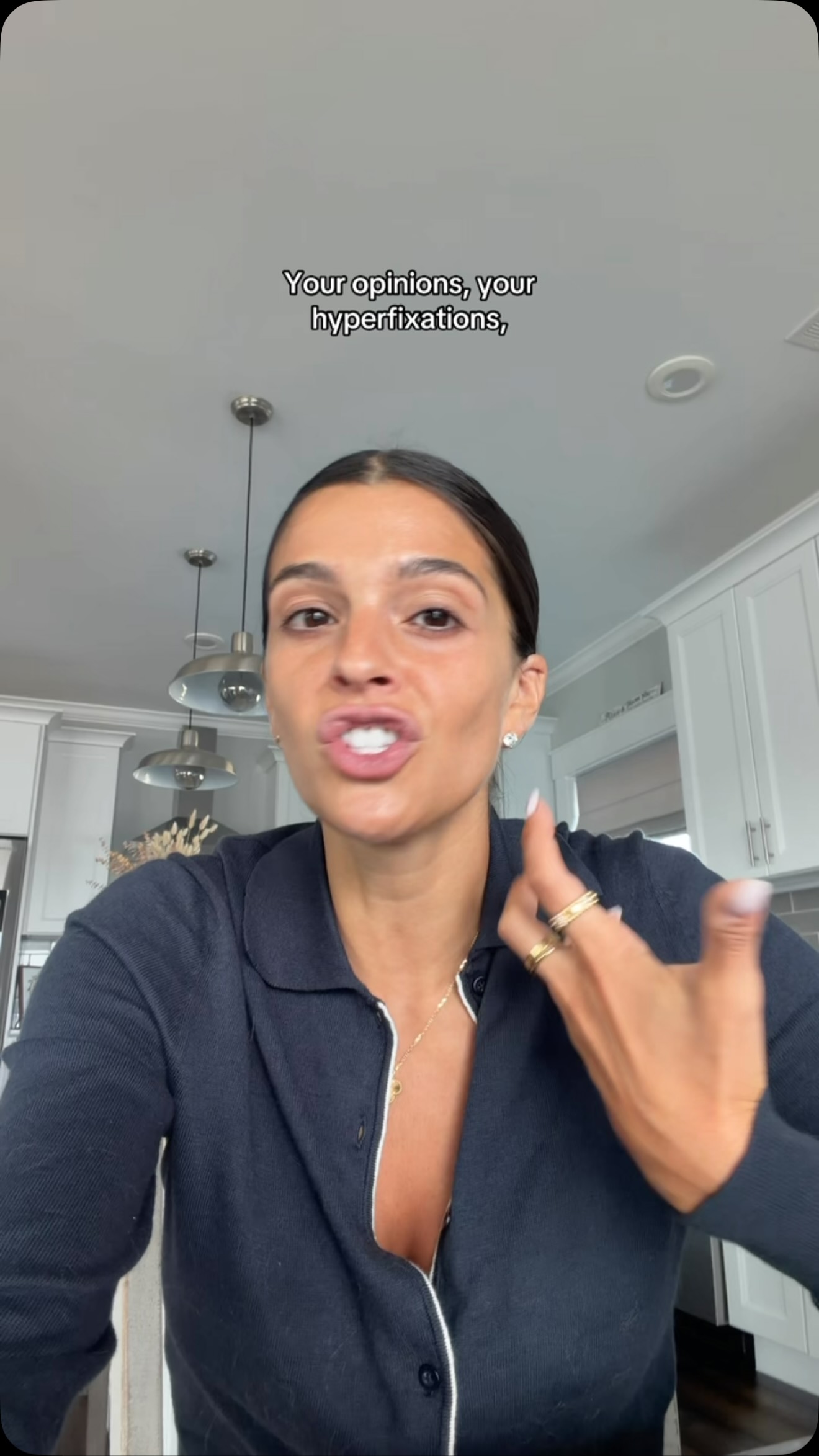
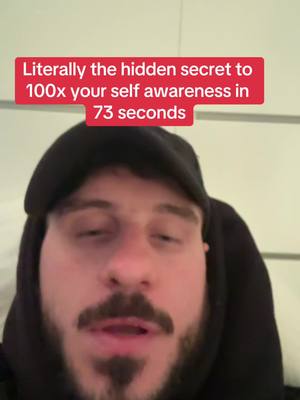
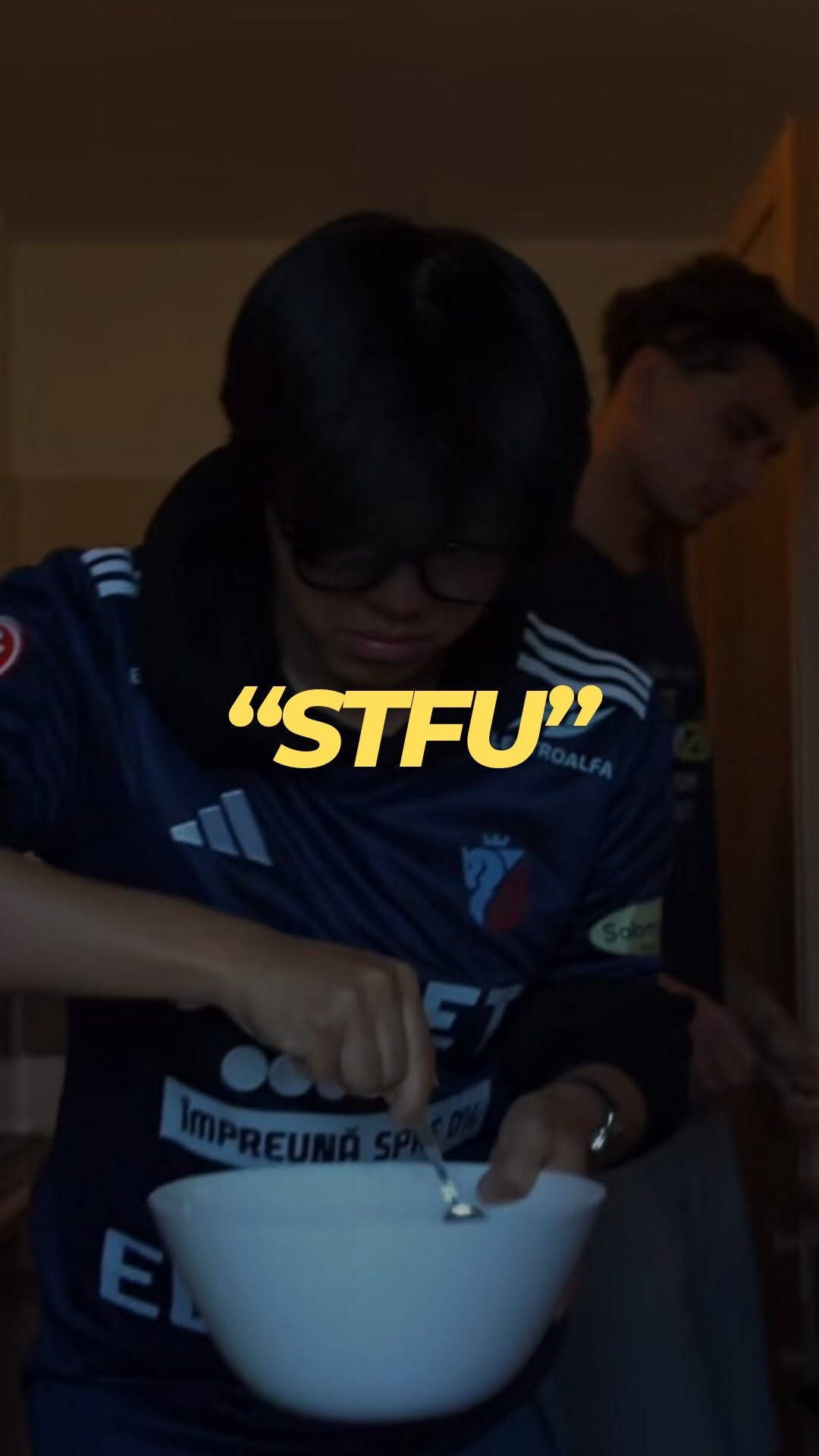
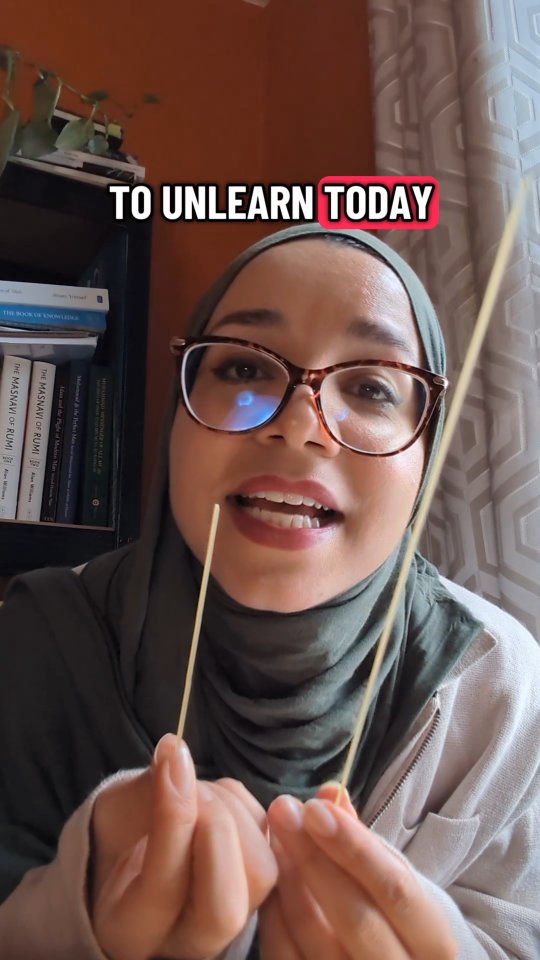
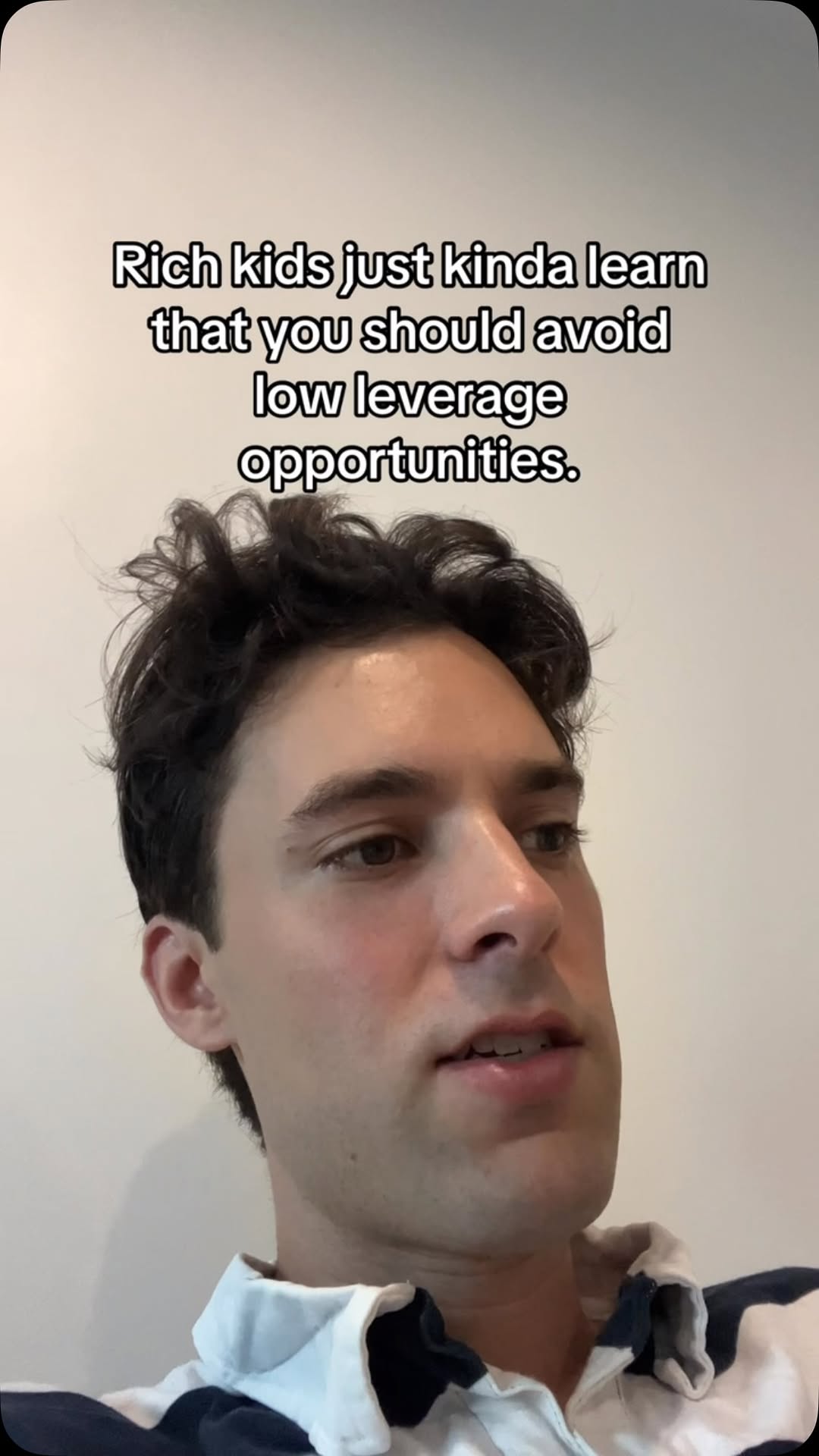
A rapid-fire montage of four different creators in different settings, all starting the same video trend, creating a strong pattern interrupt.

[06]

Hook template

Steal this for your own video

[ineffective role] | [effective role]

  • — UNSKILLED COACH | SKILLED COACH
  • — INEFFECTIVE MANAGER | EFFECTIVE MANAGER
  • — UNSKILLED TUTOR | SKILLED TUTOR

[07]

Hook and payoff

The promise the opener makes, and how the video pays it back

Hook

A rapid montage of a popular, recognizable video trend, creating immediate familiarity and setting up an expectation that will be subverted.

Payoff

The delivery of a strong, contrarian thesis that challenges the audience's preconceived notions and solidifies the creator's authority on the subject.

[08]

Narrative framework

The structural pattern this video runs on

Framework

The Archetype Subversion

To hijack a popular trend or common belief, subvert its premise by shifting the focus of blame or responsibility, and then present a binary comparison of a 'bad' vs. 'good' archetype to establish a new, authoritative perspective.

  1. 1

    The Trope Embodiment

    A comedic or exaggerated performance of the stereotype at the heart of the trend, which serves to validate the audience's familiarity with the topic before the video pivots.

  2. 2

    The Premise Pivot

    An explicit verbal and visual transition where the creator announces they are shifting the perspective from the commonly accepted one to a new, counter-intuitive one (e.g., from the client's fault to the coach's).

  3. 3

    The Negative Archetype Deconstruction

    A systematic breakdown of the undesirable or ineffective archetype. This is done by listing negative traits and behaviors while creating a corresponding visual metaphor (e.g., a chaotic drawing) that represents the negative outcome.

  4. 4

    The Aspirational Archetype Construction

    A systematic breakdown of the ideal or effective archetype. This is done by listing positive, value-driven traits and behaviors while creating a visual metaphor (e.g., a straight, clear path) that represents the successful outcome. This beat serves as the 'solution' to the problem established in the previous beat.

  5. 5

    The Authoritative Mandate

    A final, direct-to-camera address that delivers a powerful, polarizing, and often profane concluding statement. This statement reframes the core responsibility of the audience and serves as a memorable, shareable 'mic drop' moment.

Themes

  • Accountability
  • Professionalism
  • Critique of industry trends
  • Coach responsibility

Techniques

  • Whiteboard drawing
  • Comparative analysis
  • Direct address
  • Storytelling

Trends

  • Reacting to a viral video trend

Post caption

I feel pretty strongly about this... One of the BIGGEST issues in the online coaching space is that coaches will sign anyone with a pulse that pays 🤷🏻‍♀️ And unfortunately, I think this is one of the reasons so many people have poor coaching experiences and sometimes walk away believing they’re “uncoachable”. When in reality, it could have been the wrong program, wrong coach, or wrong approach. Someone struggling to follow your plan doesn’t automatically make them uncoachable. Sometimes, it means you need to get better at coaching, ask better questions, and understand why they’re struggling in the first place. And sometimes it still happens. Even I’ve signed clients who I genuinely thought were the right fit initially, only to realise a few weeks in that they weren’t and we needed to part ways. That isn’t their fault, that’s on me for getting the fit wrong. But after years of coaching and working with thousands of women at WHM, we’ve become very clear on the type of women we can help… and the ones we can’t. What we do works incredibly well for the right person, but we’re not for everyone. Good coaches aren’t afraid to turn people away when they know they’re not the right fit, and trust me, working with the wrong client is more pain than it’s worth 😅 The goal isn’t to sign everyone. It’s to work with the people you genuinely believe you can help. That’s what protects your reputation, your retention, and most importantly, your clients results.

Text overlays

  • title · throughout

    UNSKILLED COACH

  • title · throughout

    SKILLED COACH

  • contextual · middle

    VERSION

  • informational · middle

    RESULTS

  • informational · middle

    ADHERENCE

  • informational · middle

    ACCOUNTABILITY

  • informational · end

    APPROACH

  • informational · end

    TO COACH

Transcript

Coachable client. Coachable client. Coachable client. Coachable client. Follows program, checks in with coach on time, asks meaningful questions, gets results. Hey, coach. Sorry. I know I haven't checked in in, three weeks, but you see the thing is, my uncle's cat died. I ended up getting 18 cheeseburgers from McDonald's, but it's okay because I got a diet coke with it. So I guess it's not that bad. I also tore my bicep right off the bone last week, and I didn't tell you because I thought it would kinda just heal on its own. So if you could just give me an update, maybe this week and then, Now let's do the coach version. Unskilled coach. Write to online coach in their best, start sending annoying DMs to anyone who'll engage in their content, signs up anyone who's willing to pay tier, regardless if they can actually genuinely help them, then wonders why they can't get consistent client results, doesn't know how to provide meaningful accountability online, and when the client isn't progressing, they blame their adherence, mindset, or how coachable they actually are. Skilled coach commits to ongoing learning to become better at both the art and science of coaching. Provides so much useful free content that the clients already know what the coach is about. Only signs clients that they genuinely believe they can help based on their experience and their knowledge. Understands that accountability is far more than just sending a check-in form or asking why they didn't hit their targets, knows how to adapt their communication, their expectations, and approach to the individual. And when the client isn't progressing, gets curious about why and rank the clients how they can adapt their approach. Your job is not to find easy people to coach. Your job is to get really fucking good at coaching.

Skilled vs. unskilled coach breakdown | Viral Hooks