@ellieridgerealtor
Instagram · Prop Yap
@ellieridgerealtor My thesis 🧐

@ellieridgerealtor
Instagram · Prop Yap
@ellieridgerealtor My thesis 🧐
Performance
Video #44098 · Prop Yap
[01]
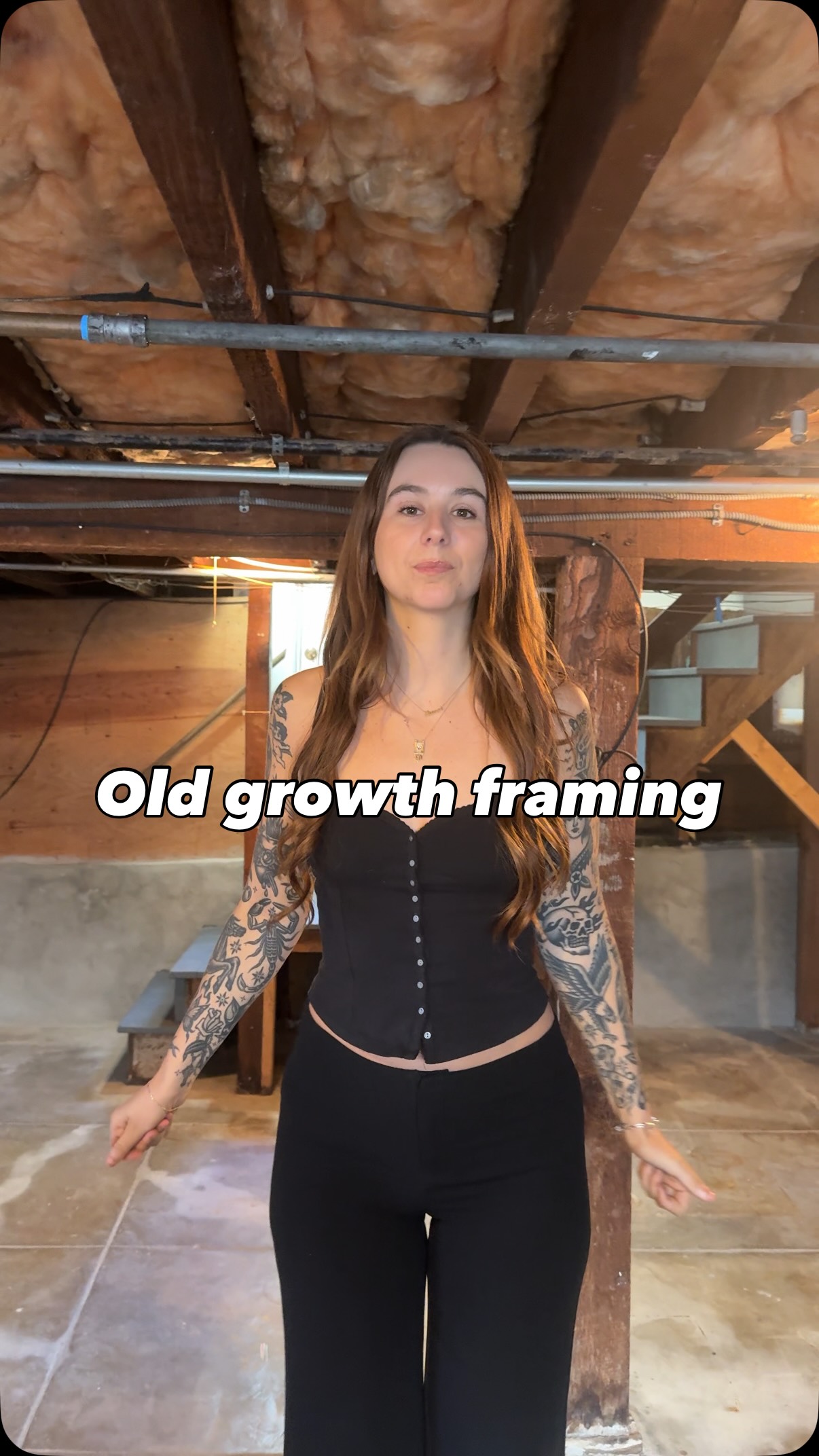
The creator stands in a basement and explains the concept of a house having 'good bones' by defining it as being framed with old-growth lumber. She details how the competitive forest environment caused these trees to grow slowly with dense, tightly-packed rings, making the wood naturally resistant to pests. She then contrasts this with modern, farm-grown lumber, which grows quickly with wide, soft rings (sapwood) that are easily destroyed by termites and other organisms.
[02]
[03]
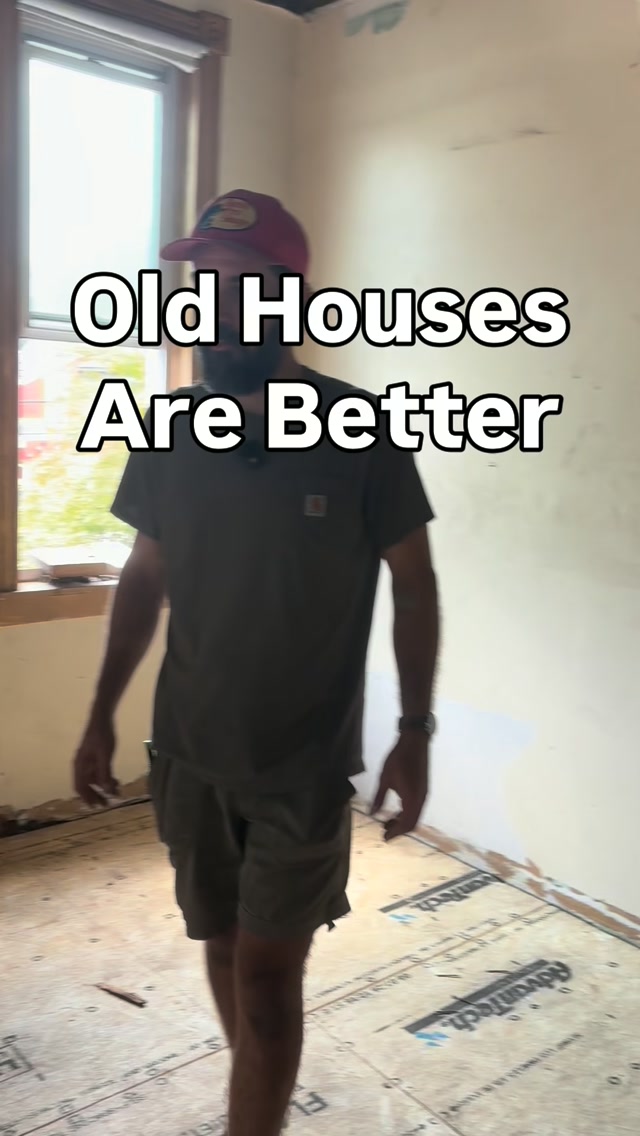 1.3MShow and tell wood comparison@howlingwolf.carpentry · Show and Tell
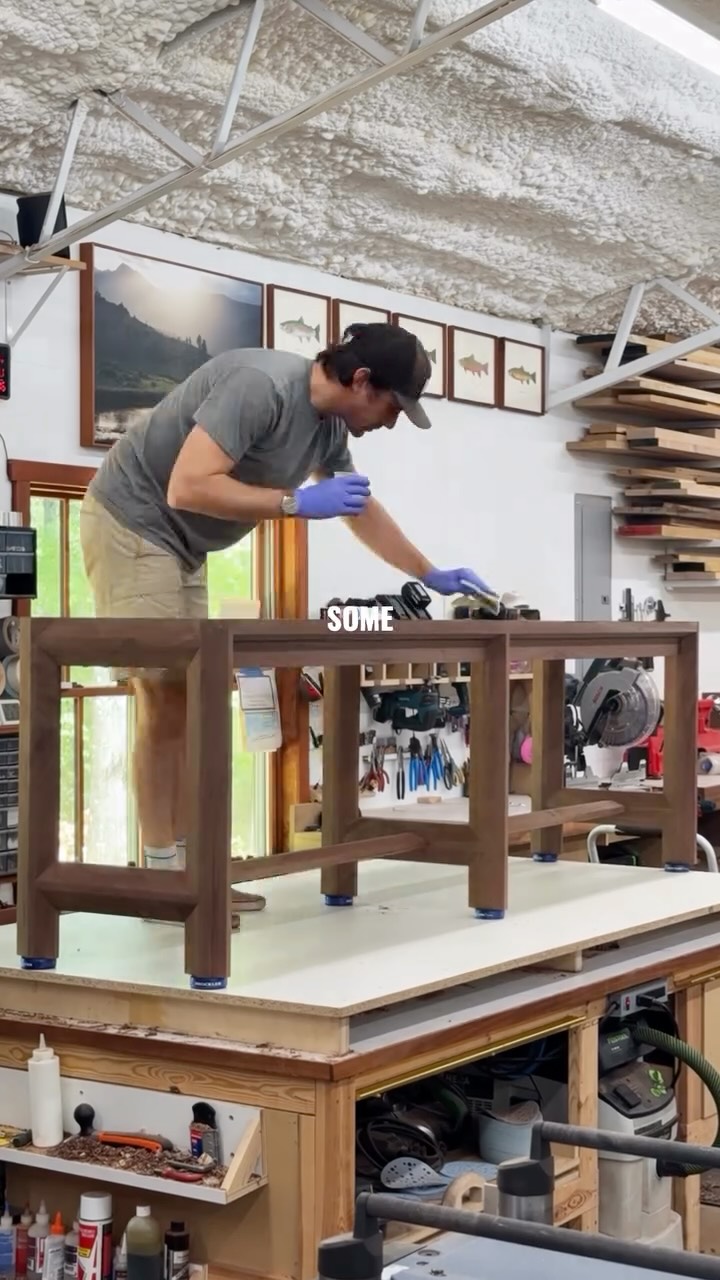 1.3M196.6×Crafting a masterpiece wood slab@gobywalnut · Origin Story
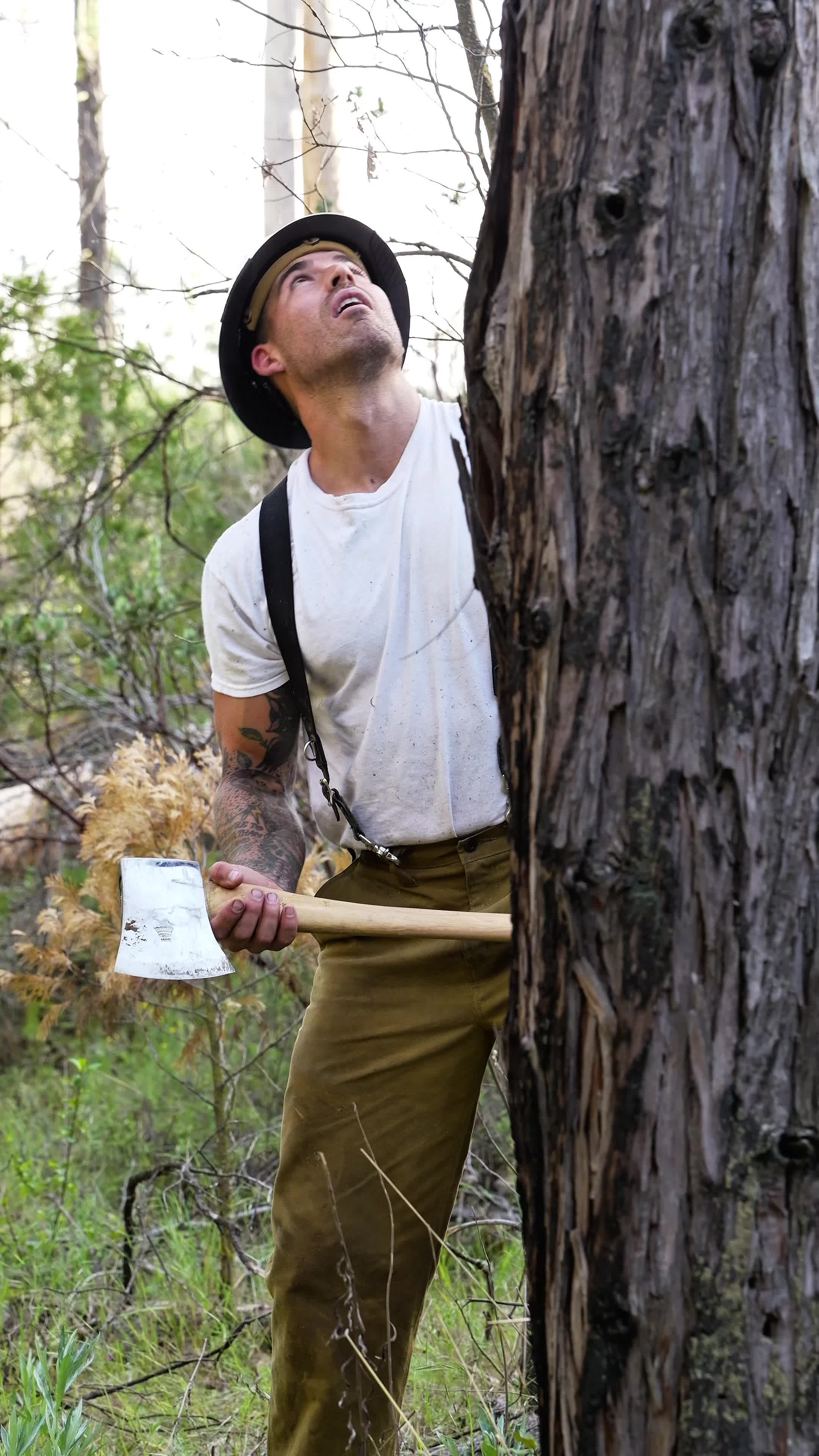 442.8KFelling a dead cedar tree with an axe start to finish@bradley.thor · Tutorial / How To
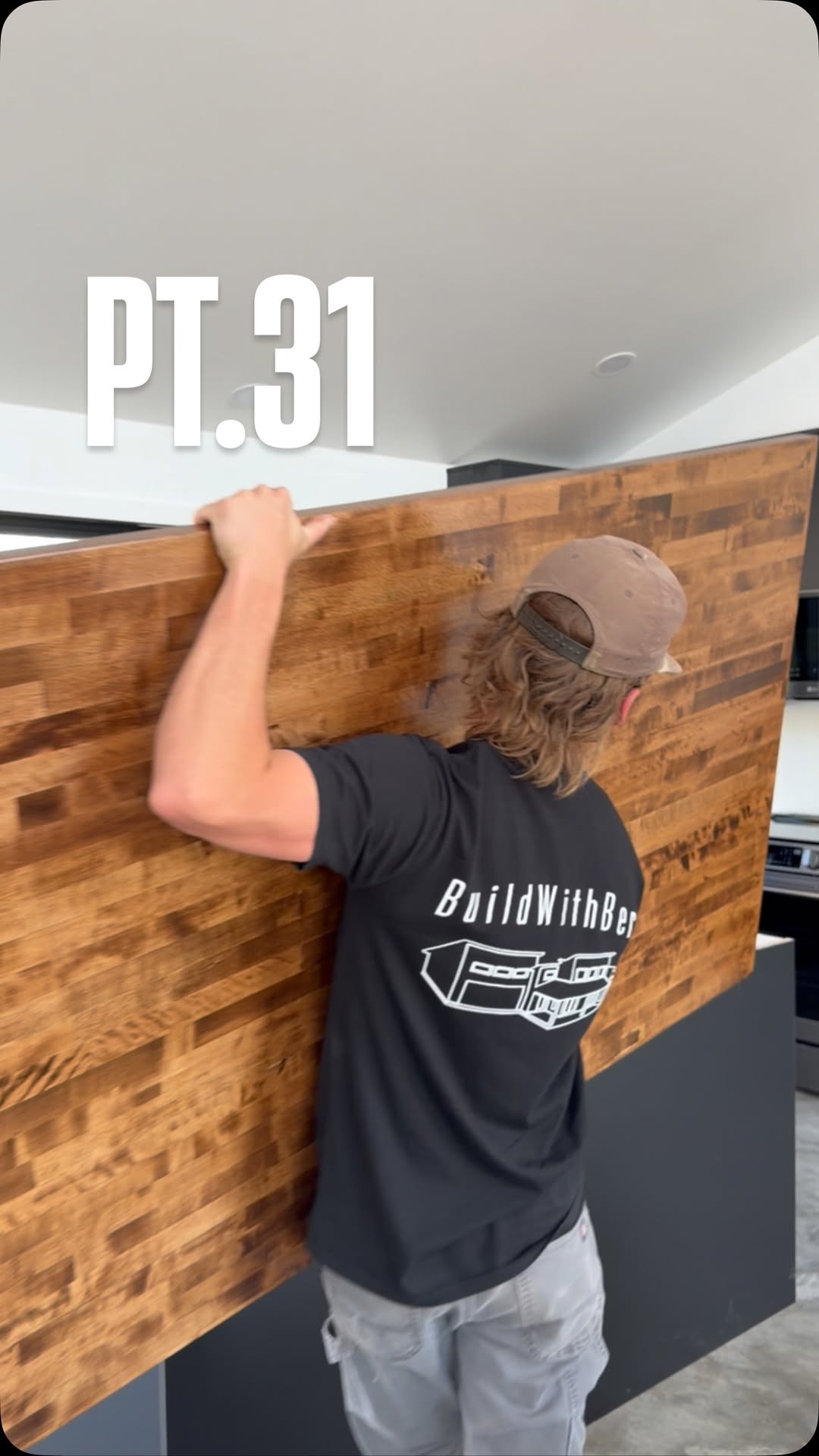 2.3M1.6×Creator documents DIY countertop installation.@buildwithbert · Journey Documentation
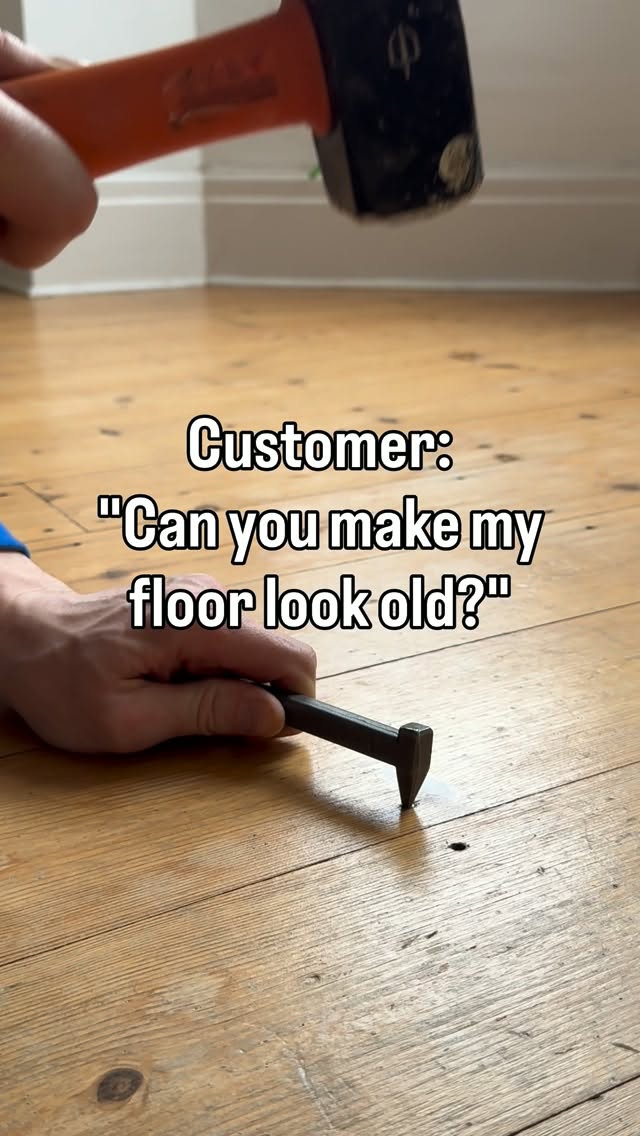 27.1MFloor renovation process start to finish@danny_sandhouse · Process
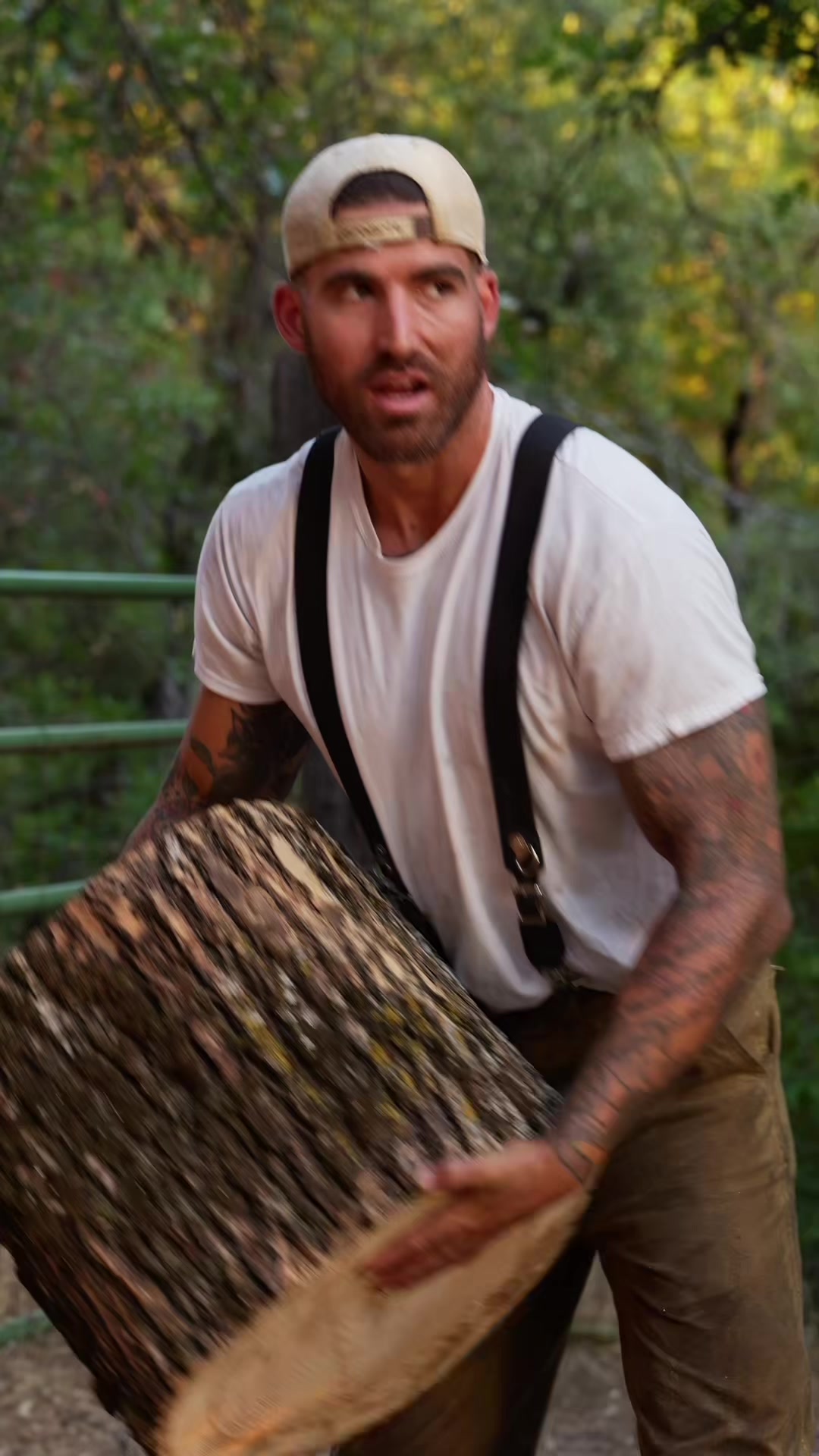 393.5KSplitting a log to prove cracked wood is still wet inside@bradley.thor · Hot Take
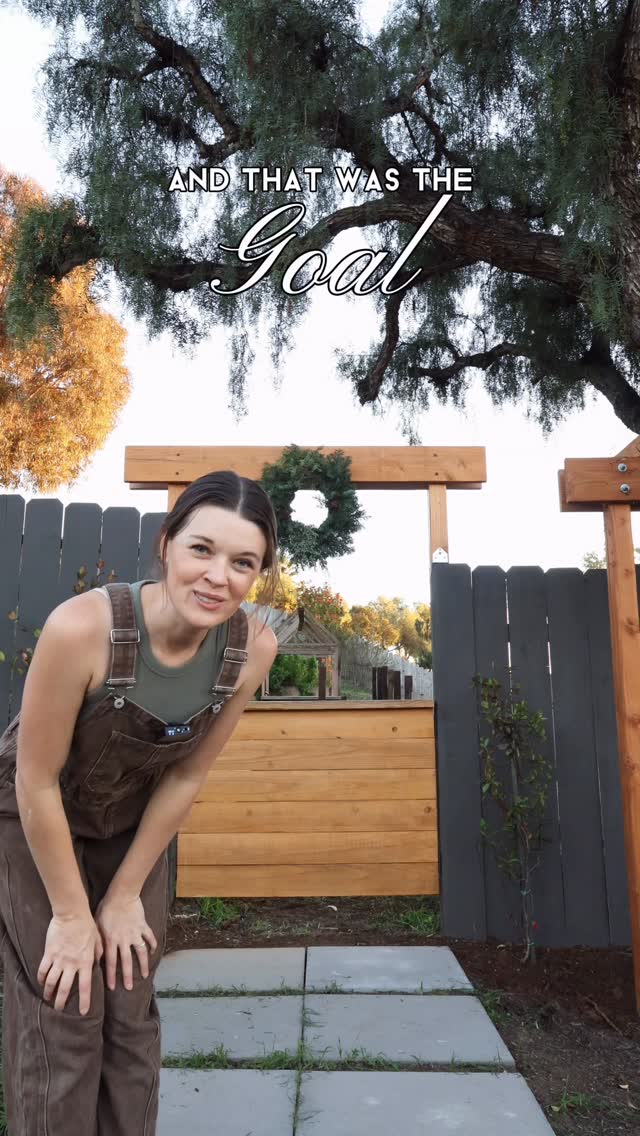 794.6K4.3×Building arbor between sisters' yards@sarahellenrandall · Social Show
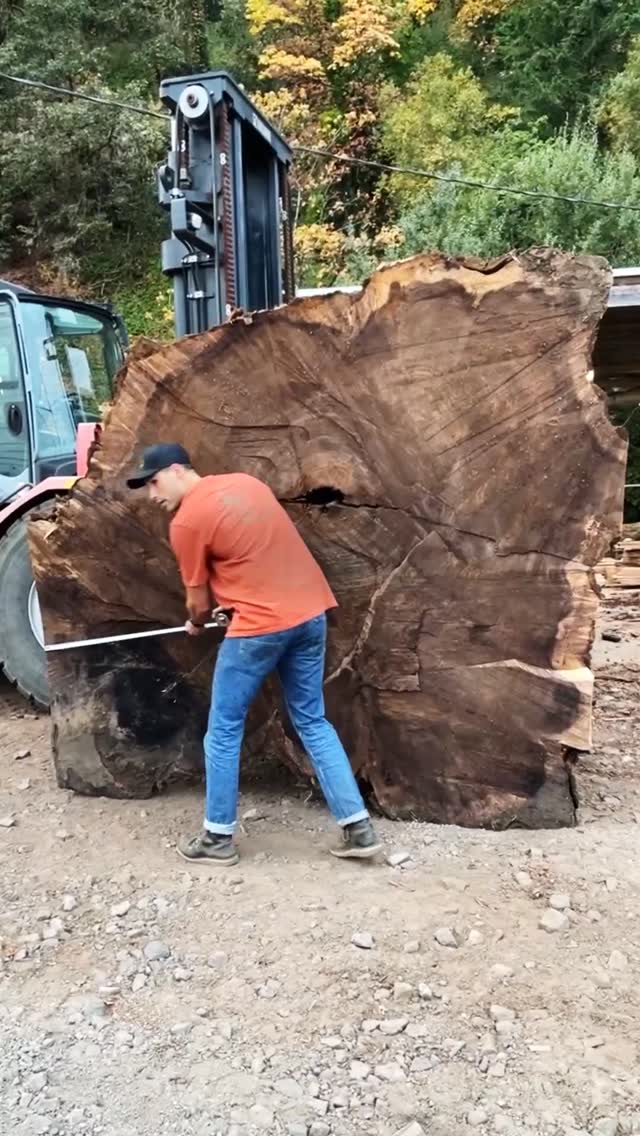 580.5K75.9×Processing historic logs into slabs@gobywalnut · Origin Story
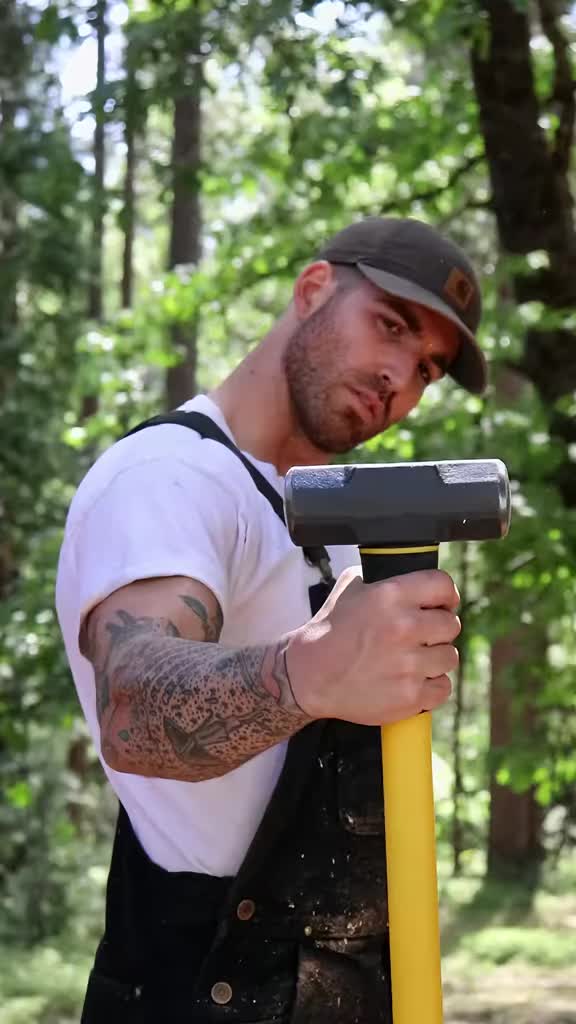 1.1M1.3×Trying to split oak with a sledgehammer instead of an axe@bradley.thor · Challenge
 907.9K39.2×Fast-paced table building montage@naishbrowns · Process
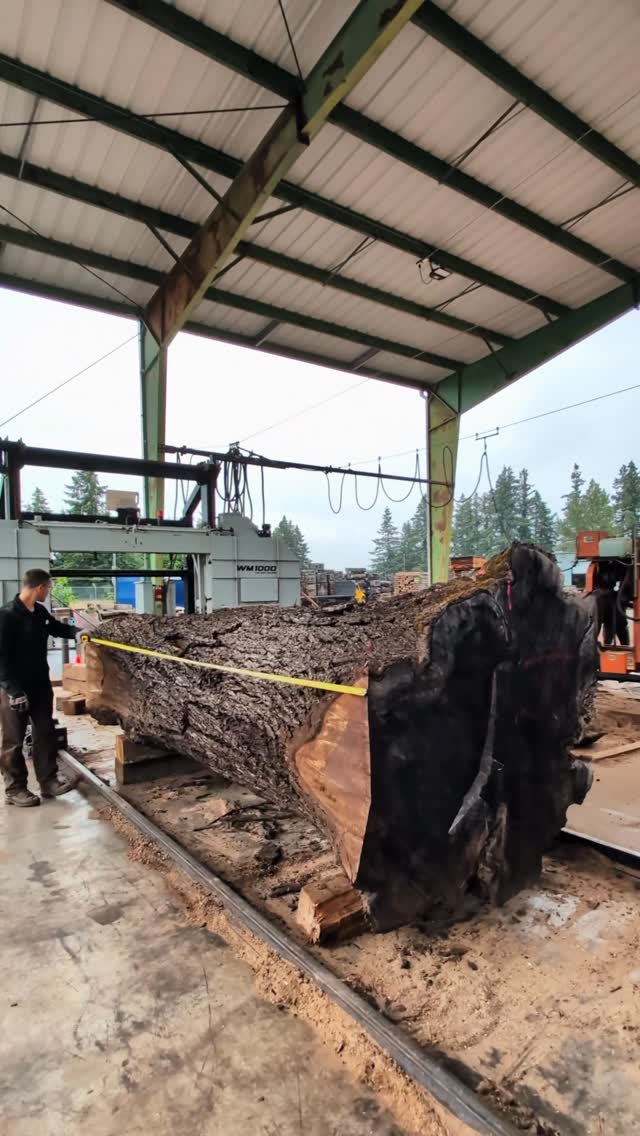 2.8M58.9×Giant log milling process reveal@gobywalnut · Process
 1.1M1.3×Splitting dense Manzanita wood by hand and checking out the purple interior@bradley.thor · Showcase
[04]
[05]
What stops the scroll in the first 3 seconds
Title hook · 50%
this is what it means when a house has good bones
Verbal hook · 45%
This is what it means when a house has good bones.
Visual hook · 5%
A woman stands in an unfinished basement, holding onto exposed wooden ceiling joists, establishing the topic immediately through the environment.
[06]
Steal this for your own video
this is what it means when has
[07]
The promise the opener makes, and how the video pays it back
Hook
A confident, declarative statement that defines a common concept ('good bones'), creating an immediate knowledge gap the viewer wants filled.
Payoff
The viewer experiences an 'aha' moment, feeling they've gained valuable insider knowledge by understanding the fundamental differences between the two examples.
[08]
The structural pattern this video runs on
Framework
The Expert's Dichotomy
Establishing authority by deconstructing a common but misunderstood concept through a clear 'good vs. bad' comparison, explaining the underlying reasons for the difference.
The Technical Definition
Immediately provides the specific, technical answer to the hook's implied question, establishing the subject matter and the creator's expertise.
The Superiority Proof
Presents a logical, step-by-step causal chain (Cause -> Effect -> Benefit) that explains why the 'good' example is superior, reinforcing its value.
The Comparative Foil
Introduces a contrasting, inferior example to serve as a benchmark, clarifying the value of the superior version by opposition.
The Inferiority Proof
Mirrors the structure of the 'Superiority Proof' by presenting the causal chain for the inferior example (Cause -> Effect -> Detriment), providing a satisfying and conclusive comparison.
My thesis 🧐
title · beginning
this is what it means when a house has good bones
informational · beginning
and by that I mean it is framed with old growth lumber
informational · beginning
either Redwood or Douglas fir
informational · beginning
here is what is so amazing about this type of lumber
informational · middle
1. limited resources in the literal forest
informational · middle
meaning a lot of tree coverage limiting the amount of sunlight that impacted these trees as they grew
informational · middle
meant that they grew very tightly packed rings
informational · middle
IE every year they didn't get much larger
informational · middle
and those tightly packed rings make this type of lumber naturally impervious to wood destroying organisms
contextual · middle
I that's so unreal to me
informational · end
if we compare that to modern lumber
informational · end
which is grown in basically farms
informational · end
has ample access to sunlight and water and grows very tall very quickly
informational · end
if you look at the rings on those trees they're very wide
informational · end
that means there is a lot of sapwood on those trees
informational · end
sapwood is easily eaten by termites and easily deteriorates with other wood destroying organisms
This is what it means when a house has good bones. And by that, I mean it is framed with old growth lumber, either good or Douglas fir. Here is what is so amazing about this type of lumber. One, limited resources in the literal forest, meaning a lot of tree coverage limiting the amount of sunlight that impacted these trees as they grew best that they grew very tightly packed rank, I. E. Every year they didn't get much larger. And those tightly packed rings make this type of lumber naturally impervious to wood destroying organisms. That's so unreal to me. If we compare that to modern lumber, which has grown in basically farms, has ample access to sunlight and water and grows very tall very quickly. If you look at the rings on those trees, they're very wide. That means there is a lot of sapwood on those trees. Sapwood is easily eaten by termites and easily deteriorates, with other wood destroying organisms.