@howlingwolf.carpentry
Instagram · Prop Yap
@howlingwolf.carpentry We live in the ruins of a greater culture #cincinnati #carpentry #business #trades

@howlingwolf.carpentry
Instagram · Prop Yap
@howlingwolf.carpentry We live in the ruins of a greater culture #cincinnati #carpentry #business #trades
Performance
Video #48933 · Prop Yap
[01]
The creator stands in a house under renovation and explains why old houses are superior to new ones by physically comparing a piece of modern framing lumber with a piece of old-growth pine from the 1800s. He shows the difference in the density of the growth rings and explains that the older wood is denser, harder, and more rot-resistant, which is why these houses have lasted so long.
[02]
[03]
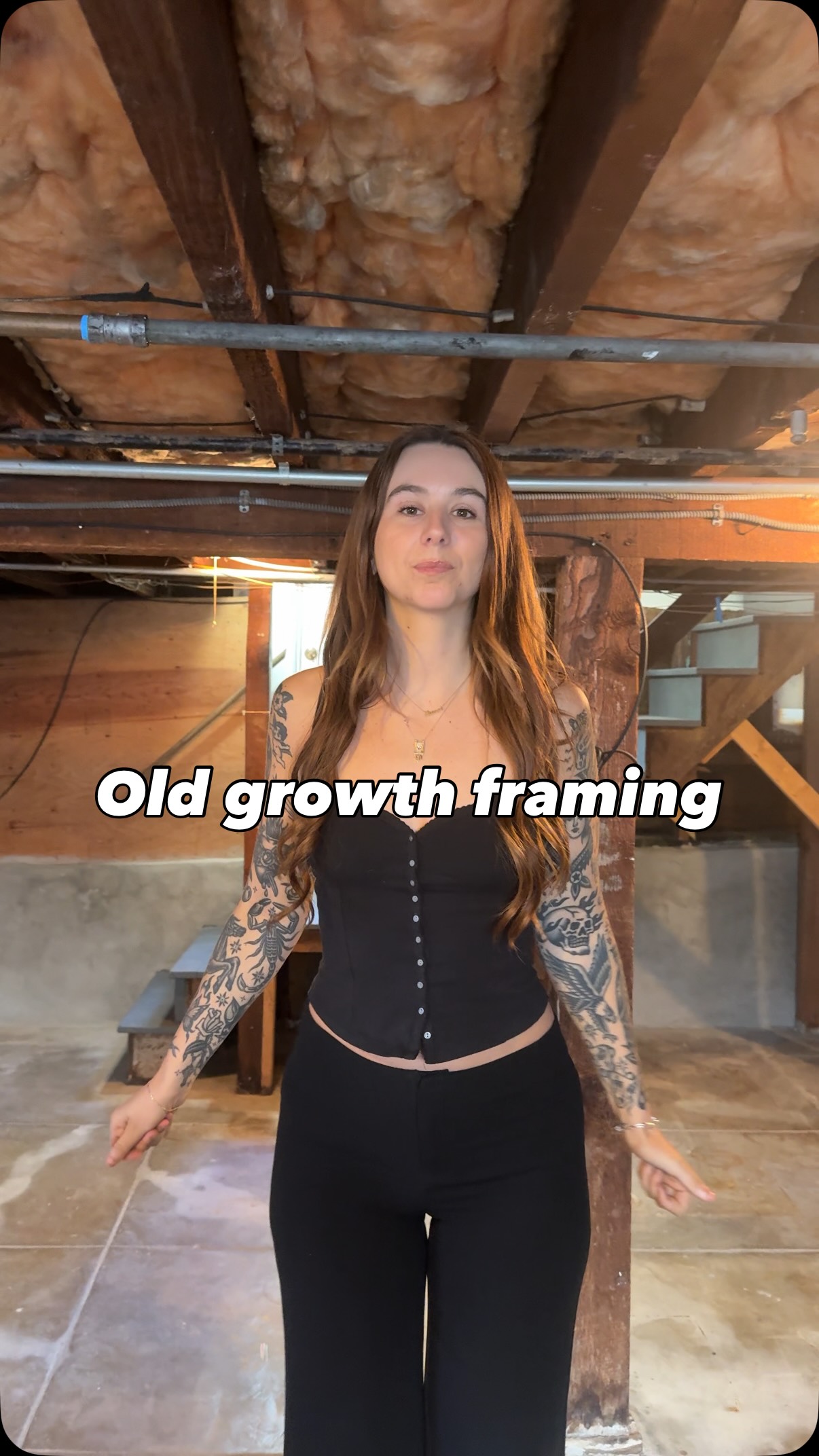 336.4K35.7×Explaining old vs new lumber@ellieridgerealtor · Breakdown
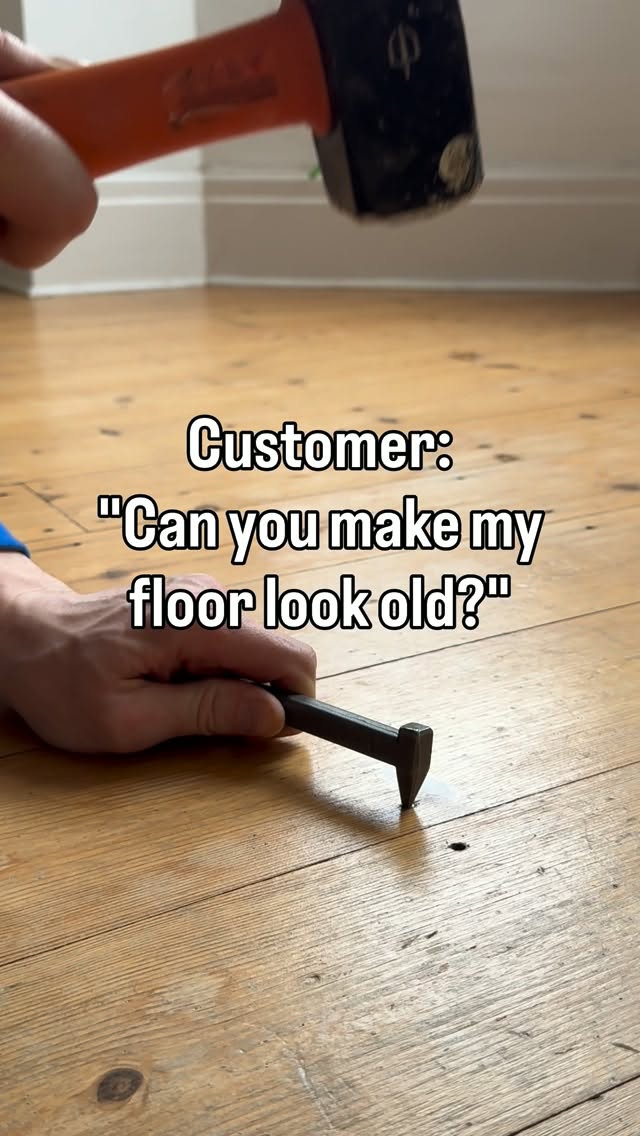 27.1MFloor renovation process start to finish@danny_sandhouse · Process
 393.5KSplitting a log to prove cracked wood is still wet inside@bradley.thor · Hot Take
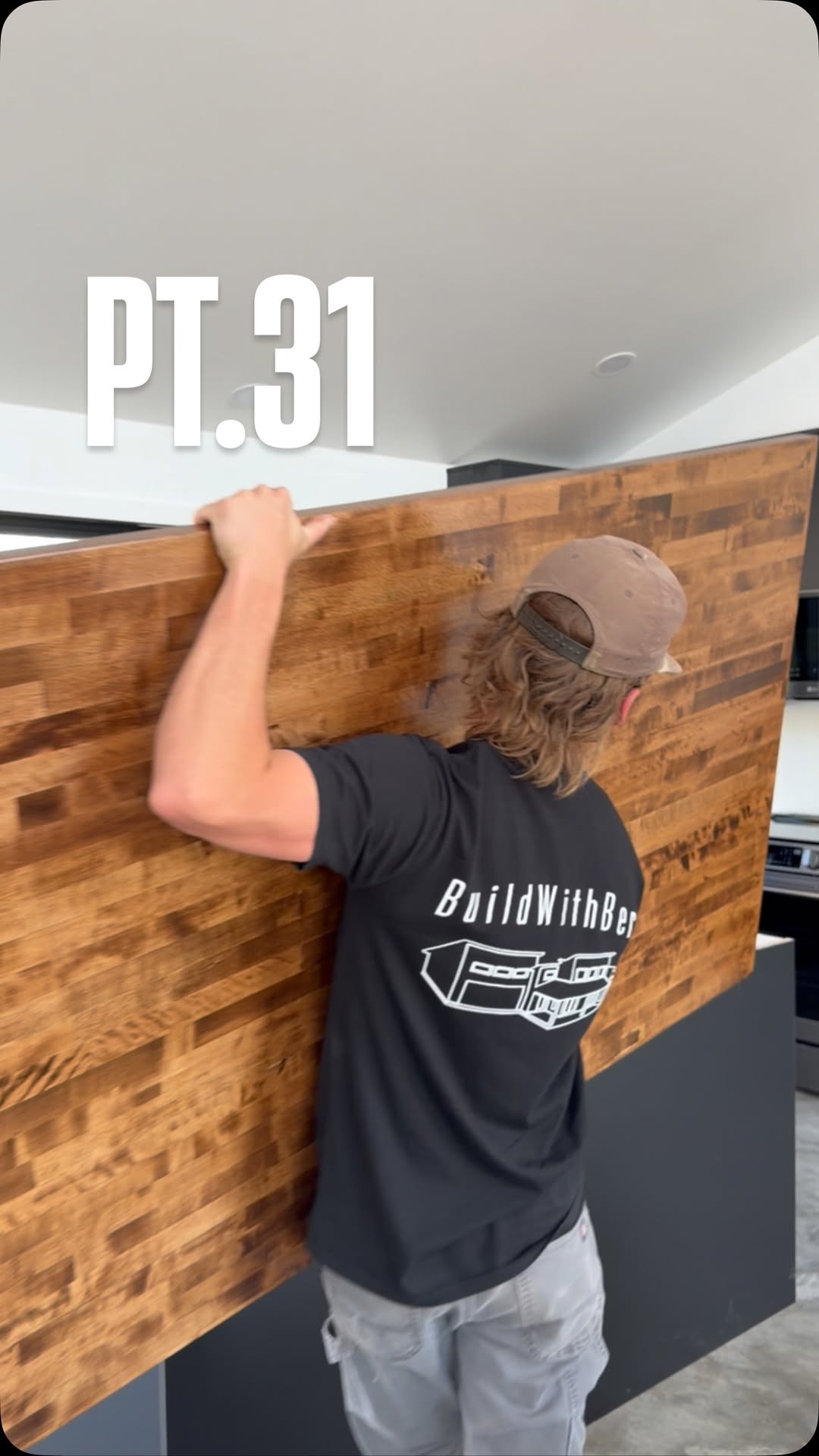 2.3M1.6×Creator documents DIY countertop installation.@buildwithbert · Journey Documentation
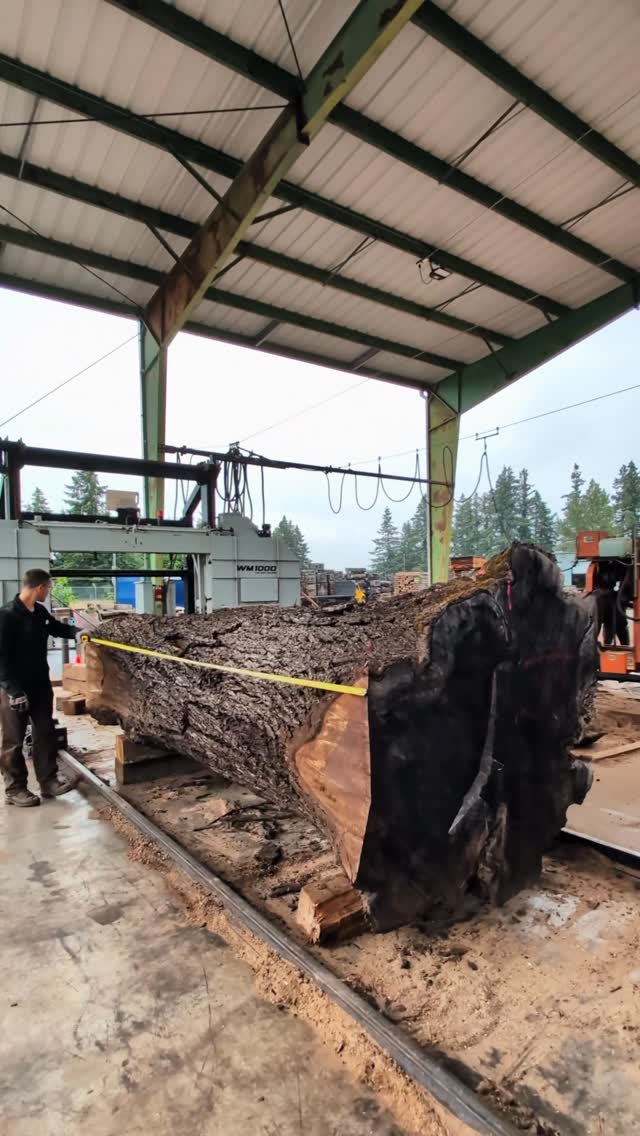 2.8M58.9×Giant log milling process reveal@gobywalnut · Process
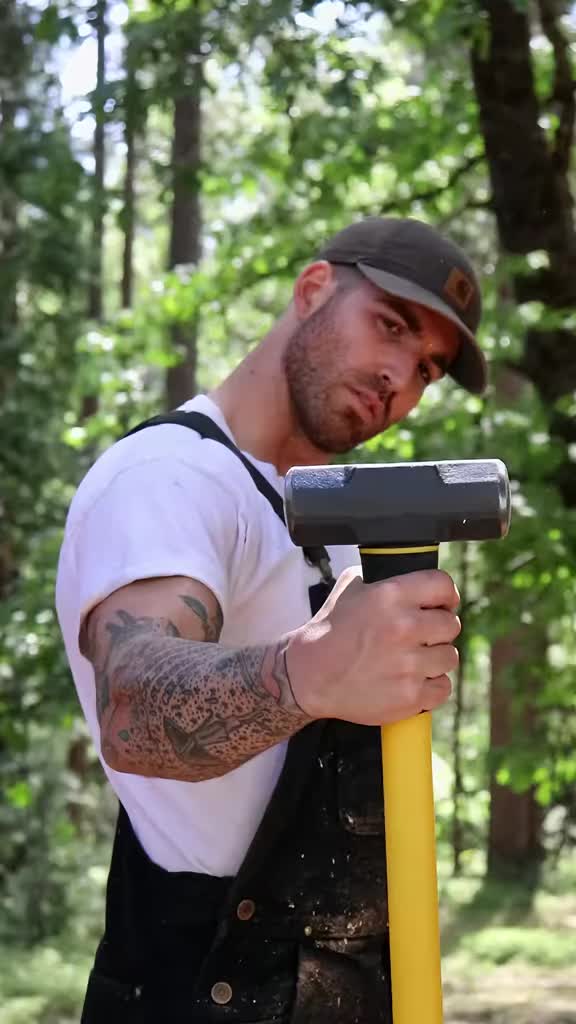 1.1M1.3×Trying to split oak with a sledgehammer instead of an axe@bradley.thor · Challenge
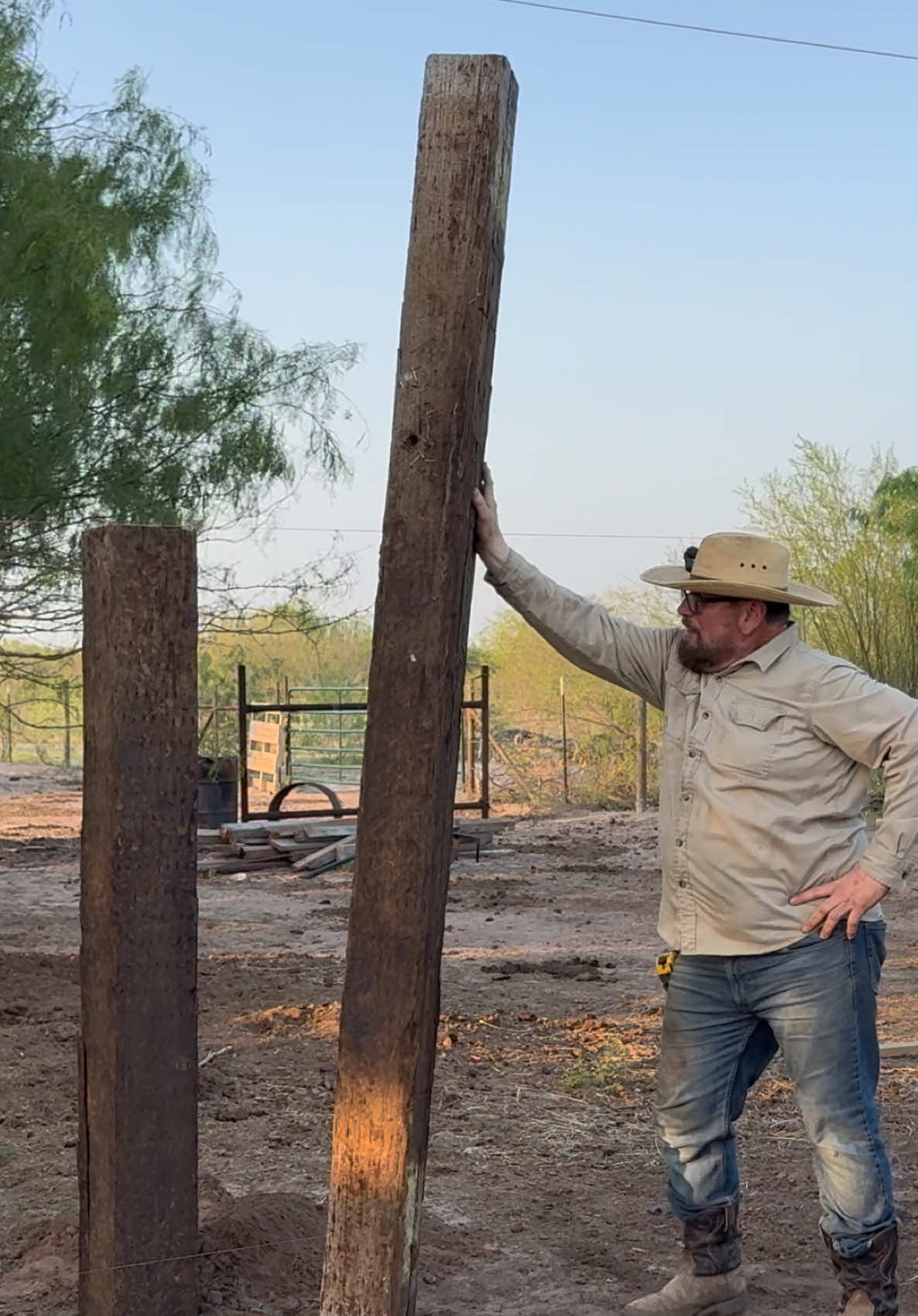 2.5M16.1×Ranch fence building start to finish@primo.cheo · Process
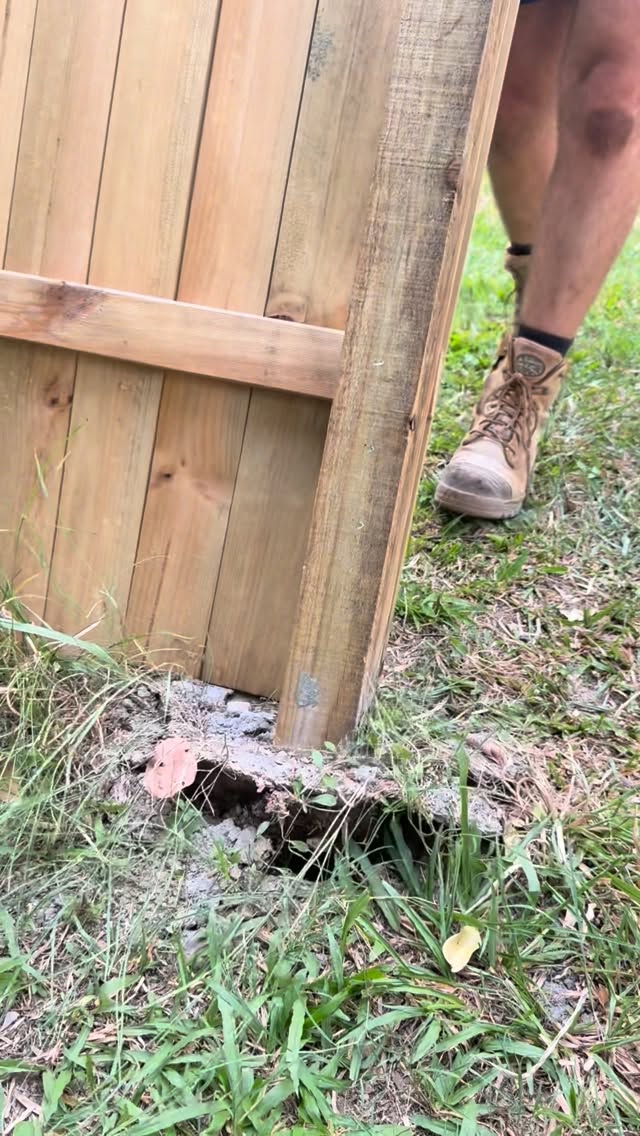 243K21.6×Exposing bad contractor work fail@lamottagroup · Case Study Breakdown
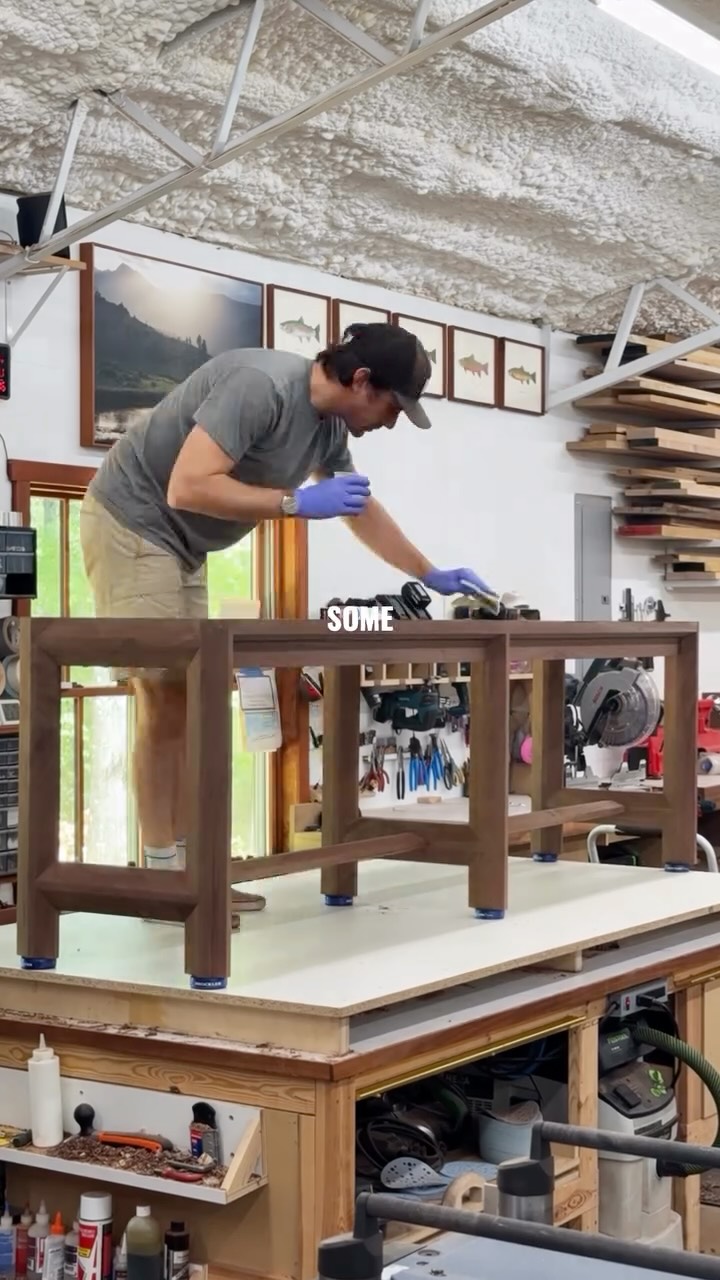 1.3M196.6×Crafting a masterpiece wood slab@gobywalnut · Origin Story
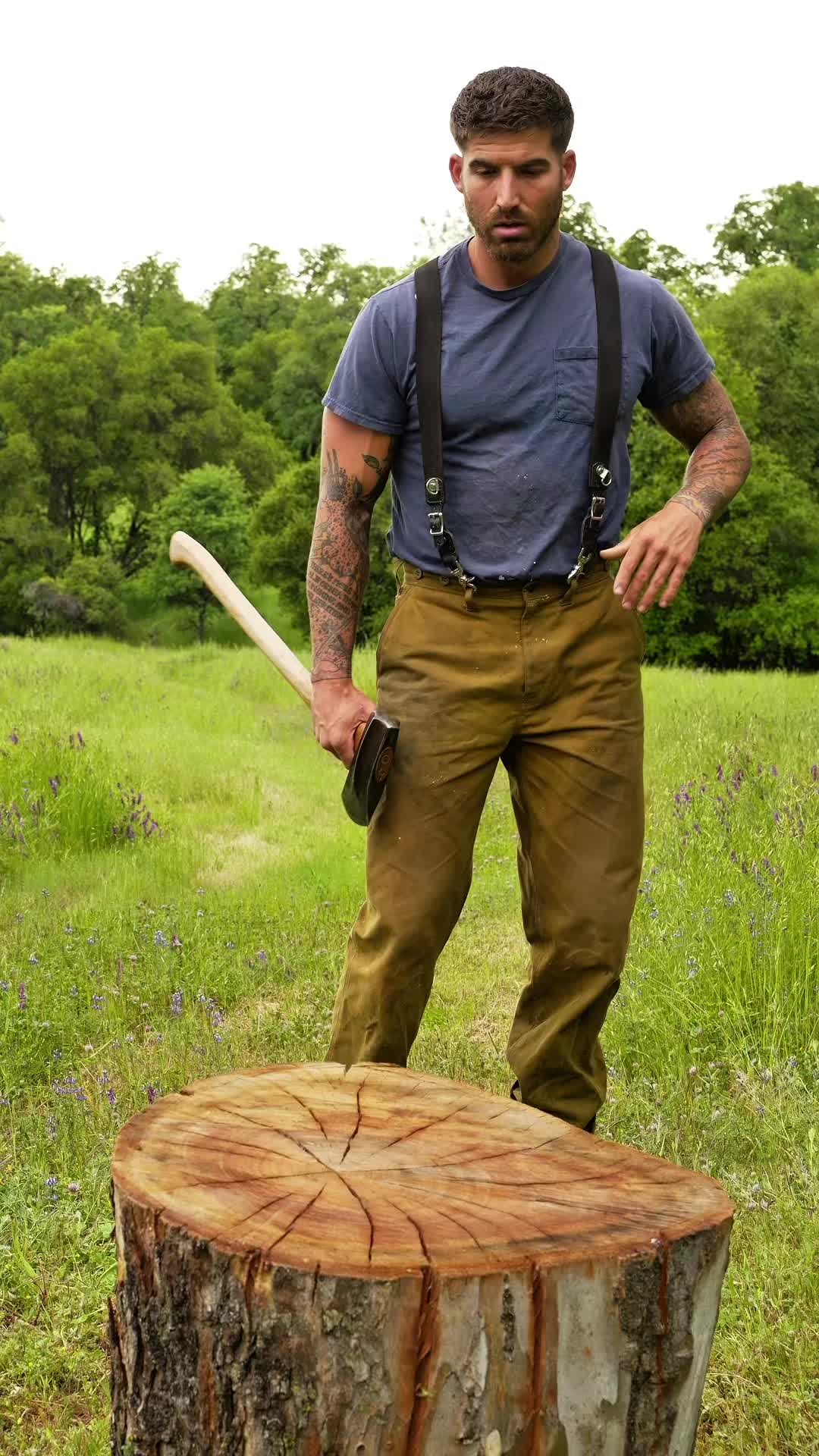 14.8M17.8×Right vs wrong way to split lemon-scented gum wood@bradley.thor · Hot Take
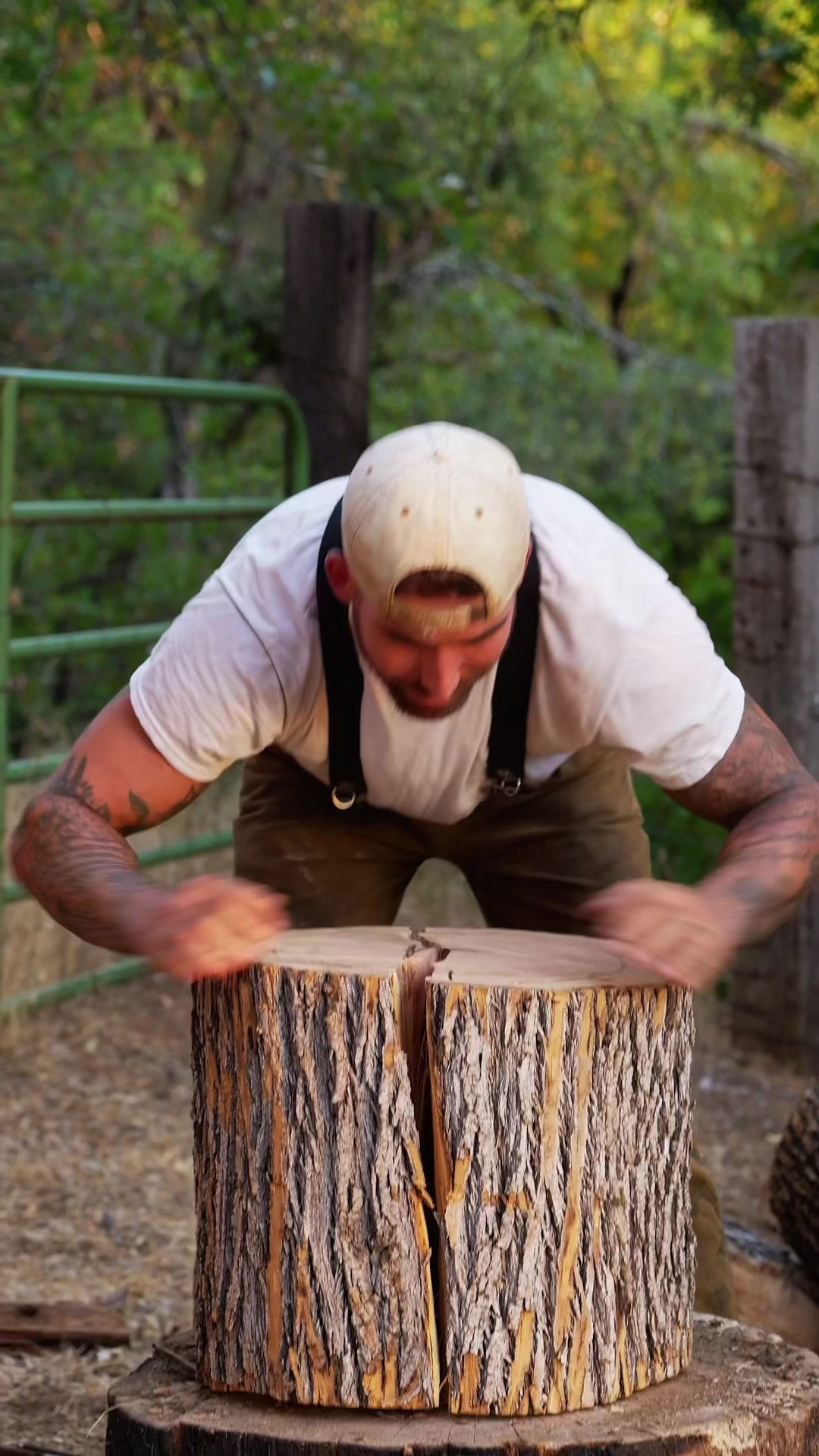 955.6K1.1×Muscular guy splits a large log with his bare hands@bradley.thor · Showcase
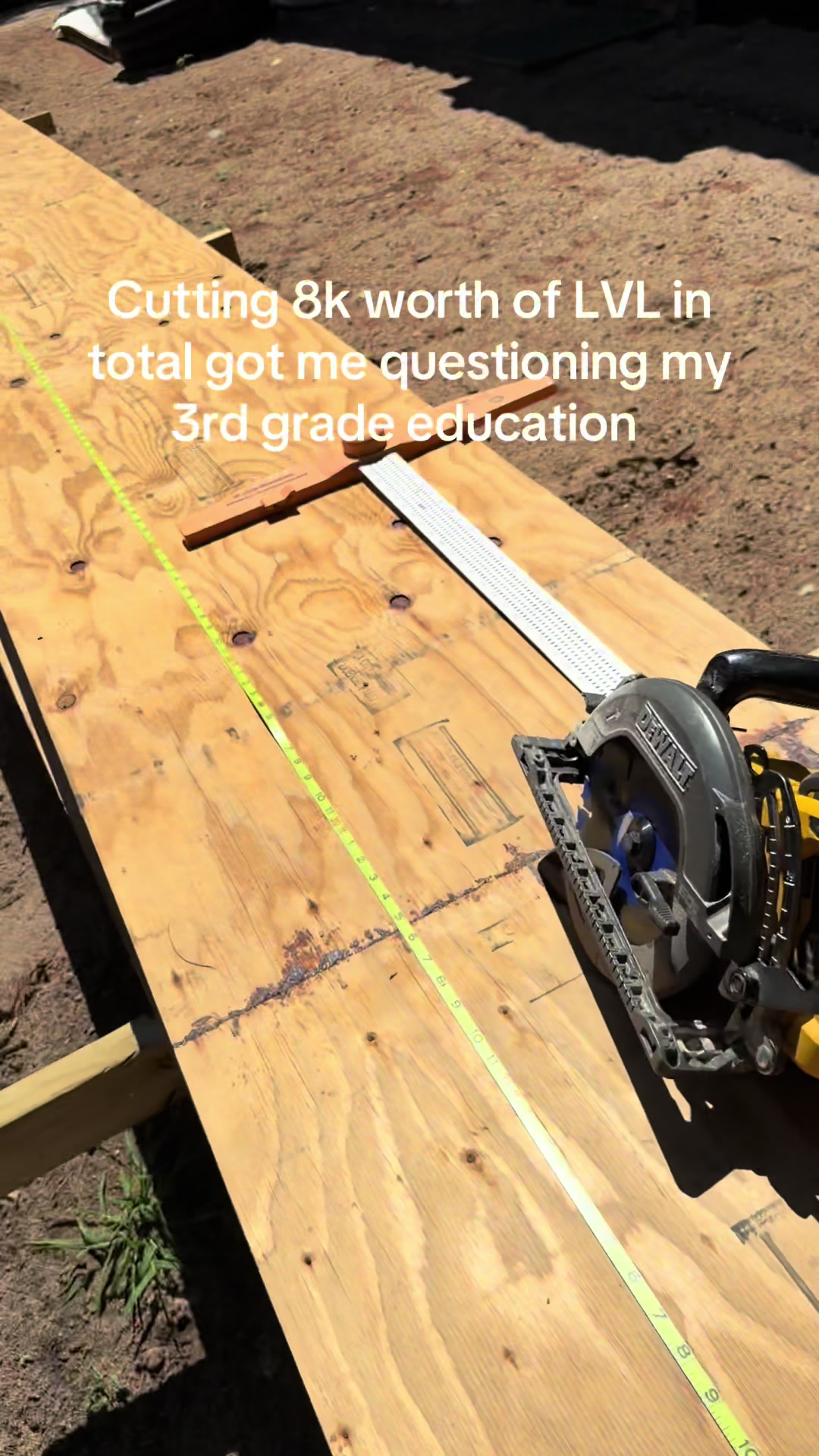 653.2KRelatable text over construction process@buildwithbert · Relatable One Shot
[04]
[05]
What stops the scroll in the first 3 seconds
Title hook
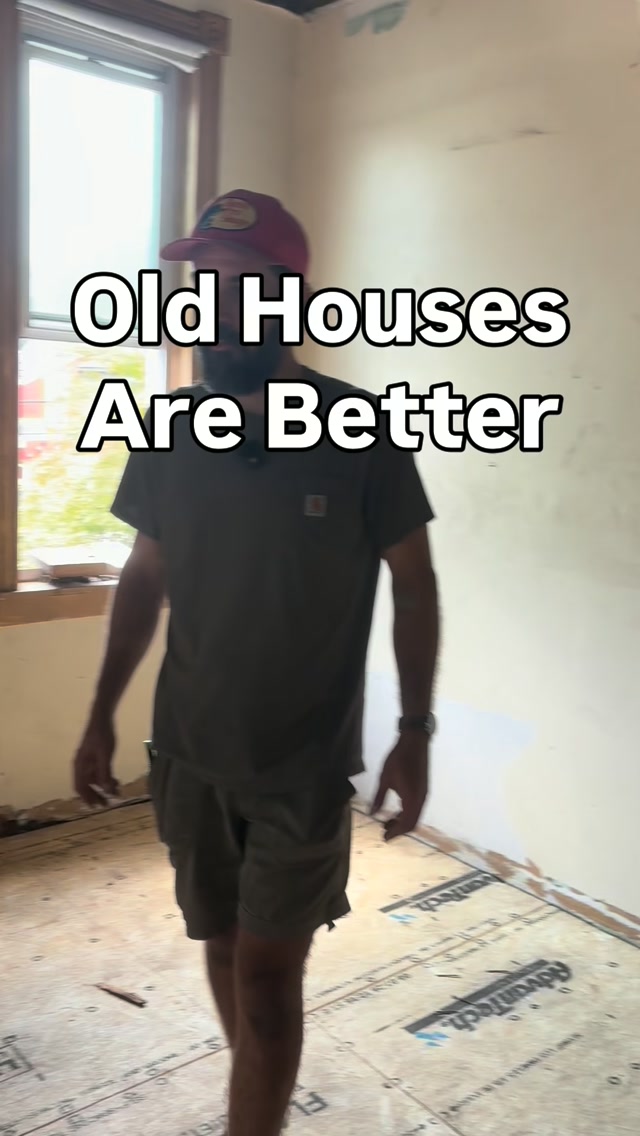
Old Houses Are Better
Verbal hook
All right, you want to know why old houses are better than new houses?
Visual hook
The creator is standing in a gutted room with exposed ceiling joists and subflooring, an unconventional setting that creates immediate visual interest. He gestures upwards and holds two distinct pieces of wood, drawing attention to the physical props central to his explanation.
[07]
The promise the opener makes, and how the video pays it back
Hook
A direct-to-camera, provocative question that challenges a common assumption ('You want to know why old is better than new?') and promises a definitive, evidence-based answer.
Payoff
The narrative concludes not with a final statement, but with a provocative, open-ended question that reframes the entire argument as a personal choice for the viewer, compelling them to engage and apply the new knowledge.
[08]
The structural pattern this video runs on
Framework
The Artifact Comparison
To prove a contrarian thesis ('old is better than new') by physically and historically comparing a legacy artifact with its modern equivalent, culminating in a provocative question for the audience.
The Contrarian Thesis
The video opens with a bold, overarching claim that goes against popular belief (e.g., 'Old X is better than New Y').
The Physical Evidence Reveal
The speaker presents the physical subject matter that will be used to prove the thesis, creating a tangible focal point for the argument.
The Artifact Introduction & Context
The speaker introduces two distinct items for comparison: a historical/legacy version and its modern counterpart, providing brief context for each.
The Modern Devaluation
The speaker analyzes the modern item, pointing out specific visual or functional flaws that establish it as the inferior baseline (e.g., 'it only took 20 years to grow').
The Legacy Valorization
The speaker analyzes the historical item, highlighting its superior visual or functional qualities in direct contrast to the modern one (e.g., 'look how dense these are').
The Origin Story
The speaker explains *why* the legacy item is superior by telling its 'origin story'—detailing the process, time, or environment that created it, which the modern version lacks.
The Superiority Spec Sheet
The argument is solidified by explicitly listing the tangible, superior attributes of the legacy item (e.g., 'it's denser, harder, more rot resistant, more durable').
The Grand Conclusion
The speaker connects the artifact's superior qualities back to the initial thesis, providing a definitive statement of proof ('That's why these are still standing').
We live in the ruins of a greater culture #cincinnati #carpentry #business #trades
title · beginning
Old Houses Are Better
Alright. You wanna know why old houses are better than new houses? I'll show you. It's because of this stuff. This house was built probably in, like, the eighteen eighties or eighteen nineties, and it was made of this stuff. This is old growth pine. This is modern pine, modern framing lumber. Take a look at the growth rings on this modern framing lumber. This stuff took maybe twenty years to grow before it was harvested. This is the old growth pine. Look at the growth rings on this, how dense these are. This grew up in virgin growth worst. They were undisturbed until we started harvesting them, and this probably took about a hundred years to grow. So old growth pine, which all of these old houses are made of, it's basically the same species of wood, but it's denser, it's harder, it's more rot resistant, resistant, it's more durable. That's why these old houses are still standing today. So should you buy a new house, build a new house, or should you renovate an old house?