@isabelgeorginataylor
Instagram · Carousel

@isabelgeorginataylor Many hills many deaths. *never replace. ☄️

@isabelgeorginataylor
Instagram · Carousel
@isabelgeorginataylor Many hills many deaths. *never replace. ☄️
Performance
Video #44261 · Carousel
[01]
This is a 7-slide Instagram carousel where a creator, identifying as a therapist with a neuroscience degree, presents a series of her core beliefs or 'hills to die on' regarding mental health. Each slide features a personal photo of her (and sometimes her dog) with a text overlay that explains a specific viewpoint, challenging common notions about emotional regulation, healing, and the efficacy of therapy without foundational security.
[02]
[03]
 214.5K28.2×Therapist's life lessons photo carousel@isabelgeorginataylor · Statement Carousel
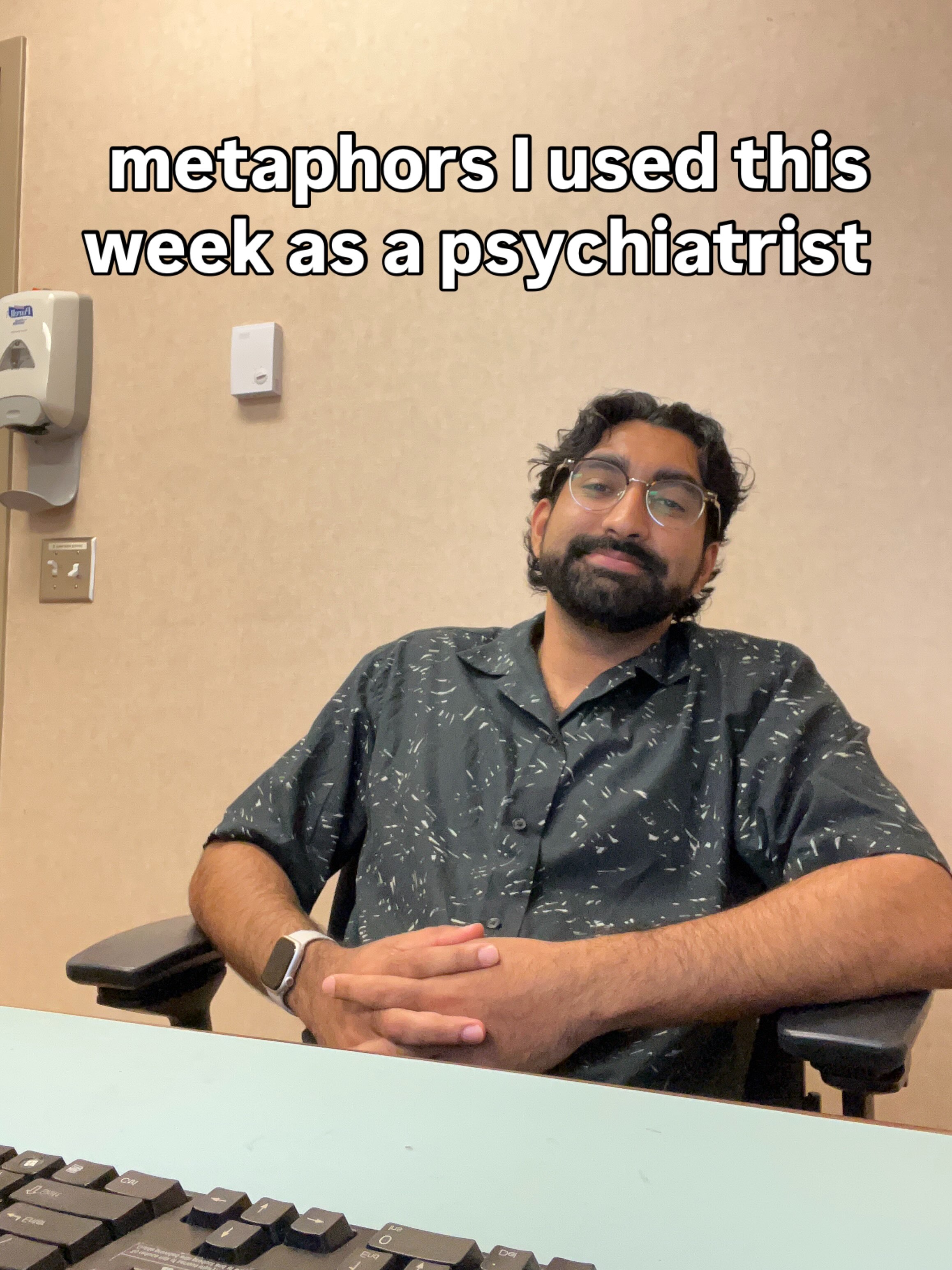 134.8K20×Psychiatrist shares therapy metaphors carousel@dr.devanbaijal · Statement Carousel
 203.7K27.4×Provocative statement about therapy-speak@harnidhk · Statement Carousel
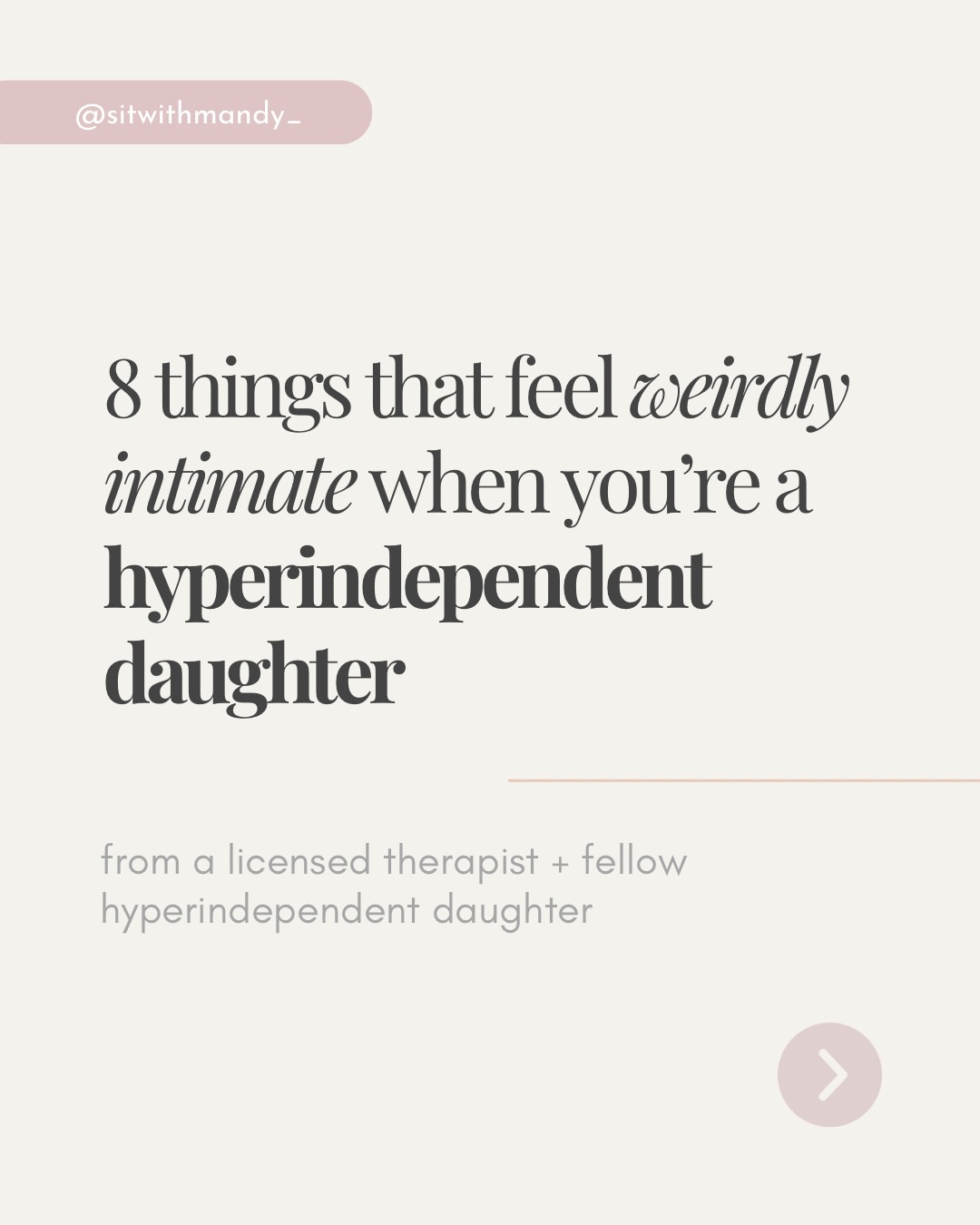 375.5K10.4×Mental health list for daughters@sitwithmandy_ · Statement Carousel
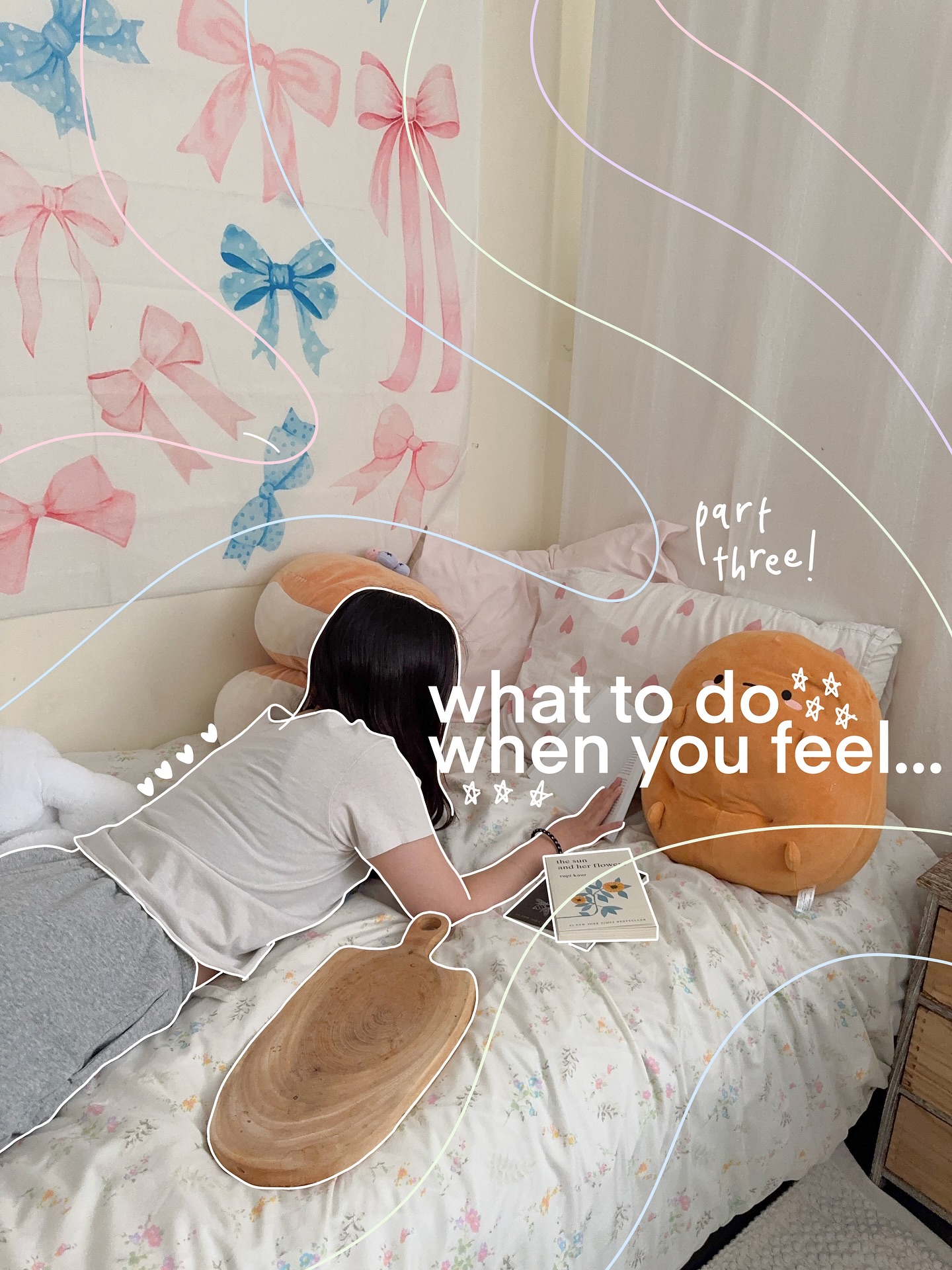 158.1KCozy self-care tips carousel@hiimlialol · Guide Carousel
 252.2K9.5×Aspirational self-improvement photo guide.@zackkravits · Guide Carousel
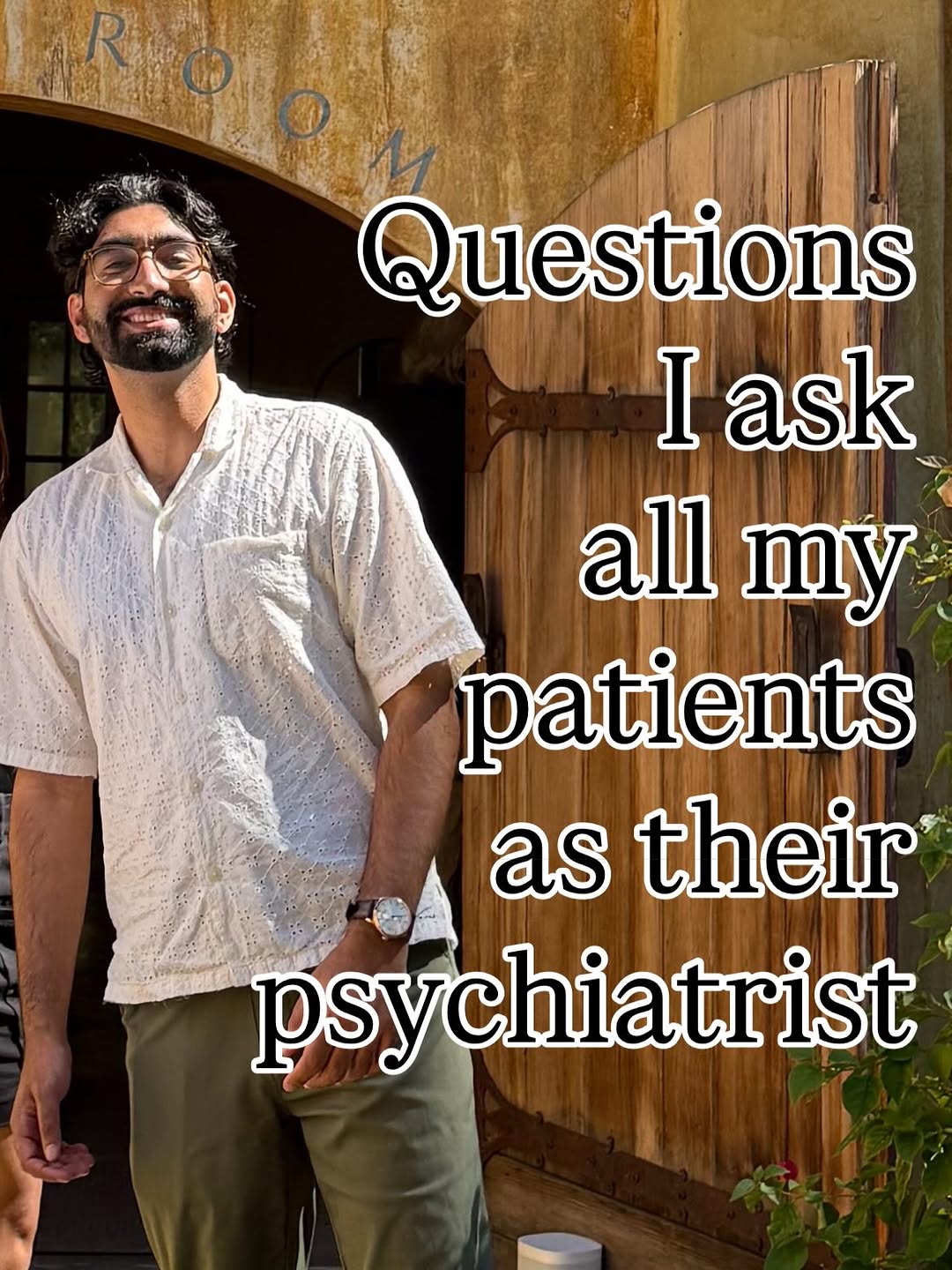 170.6KPsychiatrist sharing therapy session questions@dr.devanbaijal · Ask an Expert
 224.3KMinimalist yellow and white motivational quote carousel@itslittlemich · Statement Carousel
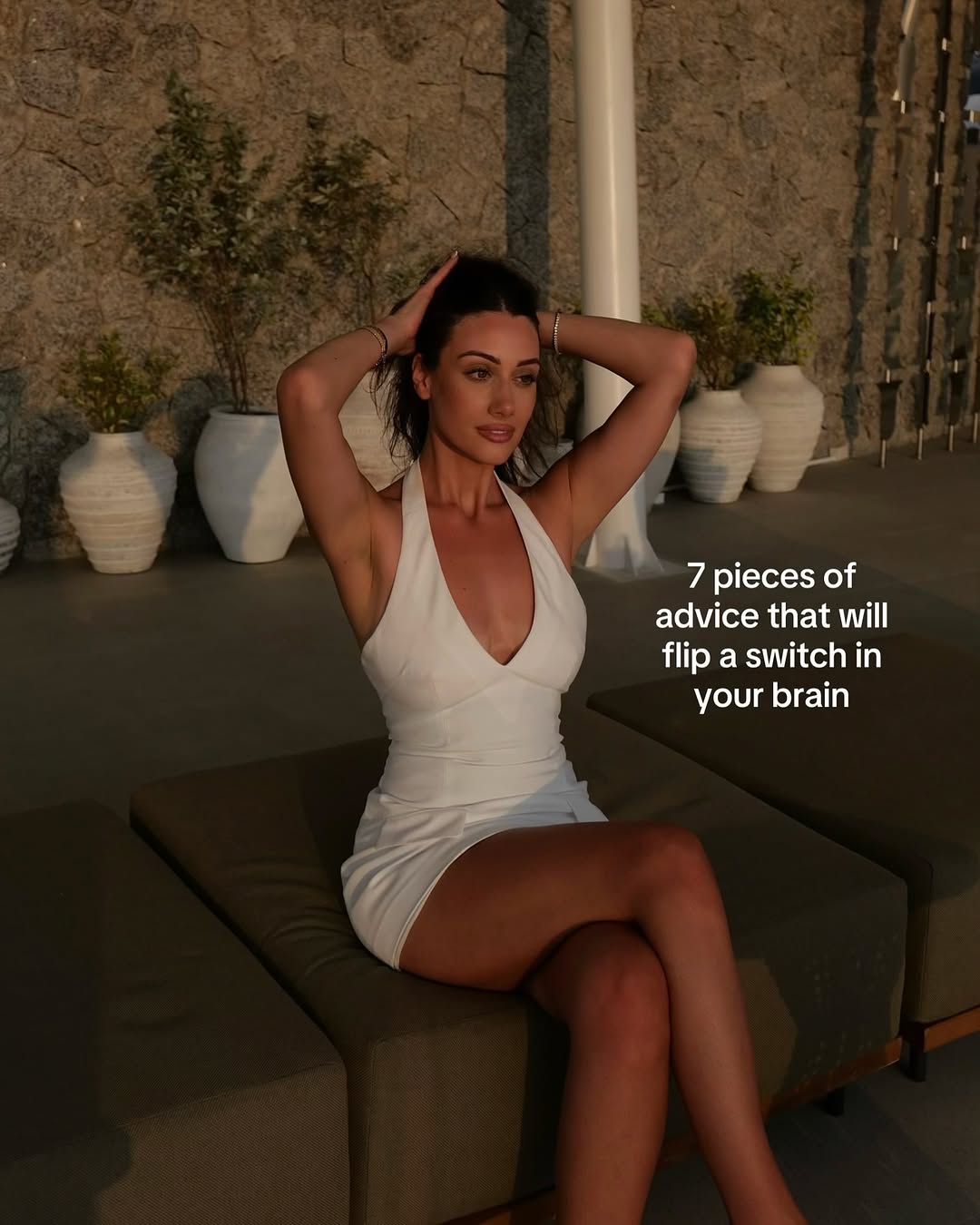 337.3KSeven pieces of motivational advice with travel photography@angelagiakas · Statement Carousel
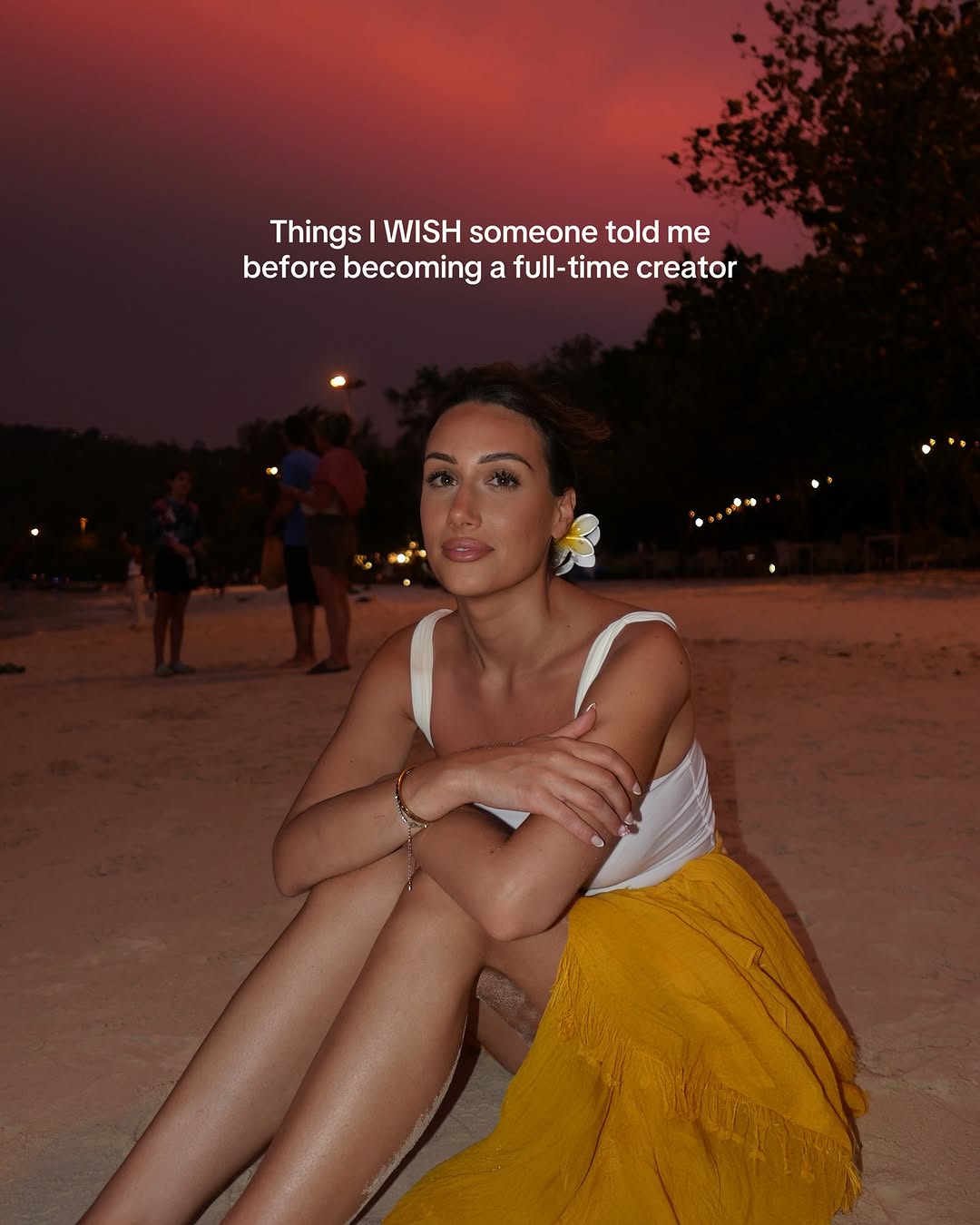 43.8KCreator tips carousel for aspiring content creators@angelagiakas · Statement Carousel
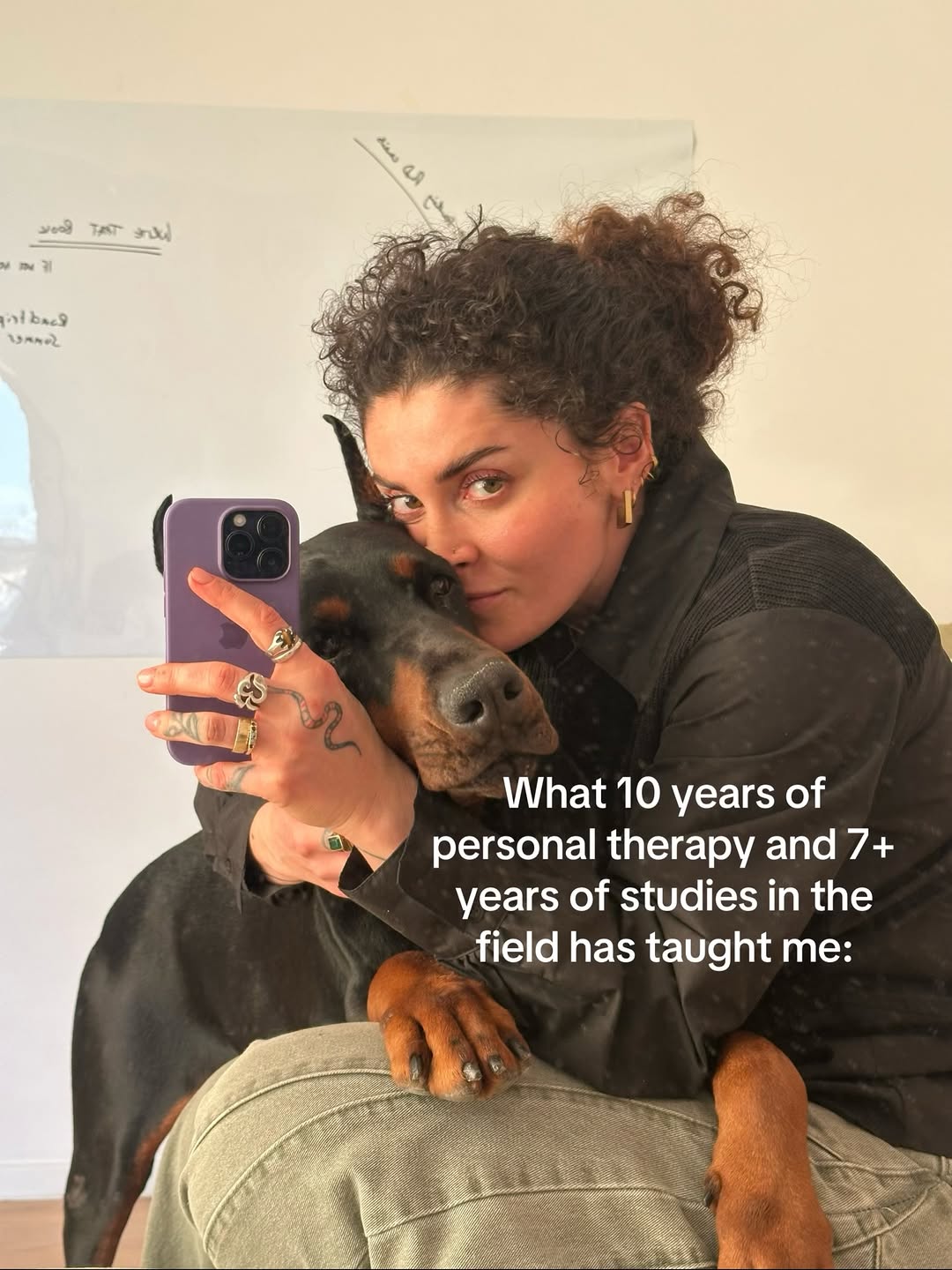 260.7K10.3×Mirror selfie with dog and therapy text@isabelgeorginataylor · Anecdotal Philosophy
 1.2M5.1×Carousel of motivational text quotes.@jb_copeland · Motivational Mantra
[04]
[05]
What stops the scroll in the first 3 seconds
Title hook · 50%
Hills I'll die on as a therapist with a neuroscience degree:
Verbal hook · 45%
Hills I'll die on as a therapist with a neuroscience degree:
Visual hook · 5%
A woman takes a mirror selfie in a casual, at-home setting while holding a smoothie. The visual hook is the juxtaposition of this relatable, everyday scene with the authoritative and intriguing claim made in the text overlay, creating curiosity about her professional opinions.
[06]
Steal this for your own video
Hills I'll die on as a with :
[07]
The promise the opener makes, and how the video pays it back
Hook
Slide 1: A title slide that establishes the creator's credentials ('therapist with a neuroscience degree') and frames the content as a list of strongly held, non-negotiable beliefs ('Hills I'll die on'). This creates a powerful incentive to swipe and discover the controversial points.
Payoff
The final slide serves as the payoff, moving beyond niche professional critiques to a universal truth about human connection. This broadens the message's appeal and provides an emotionally satisfying conclusion to the list of controversial takes.
[08]
The structural pattern this video runs on
Framework
The Expert's Manifesto
Establish professional authority and promise controversy in the hook, then deliver a series of self-contained, counter-intuitive arguments that challenge industry norms, culminating in a broad, humanistic principle that provides a satisfying payoff.
The Contrarian Insight Series
Slides 2-6: A sequence of self-contained slides, each presenting a single, provocative argument that subverts a popular belief or norm within the creator's field (e.g., challenging 'regulation', 'healing', therapy efficacy). Each slide is designed to be independently shareable and thought-provoking, maintaining momentum through a steady delivery of 'hot takes'.
The Unifying Humanist Payoff
Slide 7: The final slide shifts from specific, provocative arguments to a broader, philosophical, and emotionally resonant principle (the need for human connection). This provides a sense of closure, elevates the preceding points, and leaves the audience with a powerful, unifying final thought.
Many hills many deaths. *never replace. ☄️
title · photo_0
Hills I'll die on as a therapist with a neuroscience degree:
informational · photo_1
Being 'regulated' or calm is never the goal, in fact that can be even more damaging trying to force that in situations that need something different. You're meant to be unimaginably sad when you're grieving, you're meant to be so filled with rage when you look at the injustice in the world. You're meant to freeze when everything else is simply too much to hold. Your body knows what's up - and what's up is how to protect the human living in it.
informational · photo_2
You gotta stop 'healing' sometimes. No amount of ceremonies, rituals, modalities and exotic powders marketed to you from far away lands as the 'answer' will ever replace the power of you accessing your autonomy and choice. This is your life. You are living it here, on earth, with your feet on the ground. You get to do what you want with it.
informational · photo_3
For the vast majority, 1 hour a week of therapy is futile. Therapy helps you increase resilience, manage symptoms and reactions to the core problem, and meet yourself on a deeper level. To actually feel safe, you need enough money in your bank account to give you access to healthcare, stable housing and restful sleep. If your basic needs aren't being met first, therapy can only take you so far.
informational · photo_4
Sometimes you need someone to just cry or feel it with you, even your therapist. Cultures all around the world have cried, wailed and lamented with those who are angry or grieving. In the west we've stripped it back to a clinical 'how does that make you feel?'-type question. It's not for every client and situation, but sharing a cry in session often has much more power than remaining neutral does.
informational · photo_5
Behaviour changes at the state level not the thought. If you could think, analyse and cognitively decide your way out of the patterns you've existed in for years, you'd have done so by now. State influences thought, influences state, influences thought. If you want to see long lasting change, you must be working with both top down AND bottom up approaches.
informational · photo_6
We are hurt in relationship and so forth we are healed in relationship. The power of safe, human to human connection is like no other and this journey simply cannot be done in isolation. The human nervous system needs other human nervous systems to survive. The increasing drive for isolation and hyper-individualisation is more sinister than we realise.