@itsmarceliina
Instagram · Quick Hit
@itsmarceliina this is what it takes to make a computer chip 🤯 bless the minds who figured this out

@itsmarceliina
Instagram · Quick Hit
@itsmarceliina this is what it takes to make a computer chip 🤯 bless the minds who figured this out
Performance
Video #44394 · Quick Hit
[01]
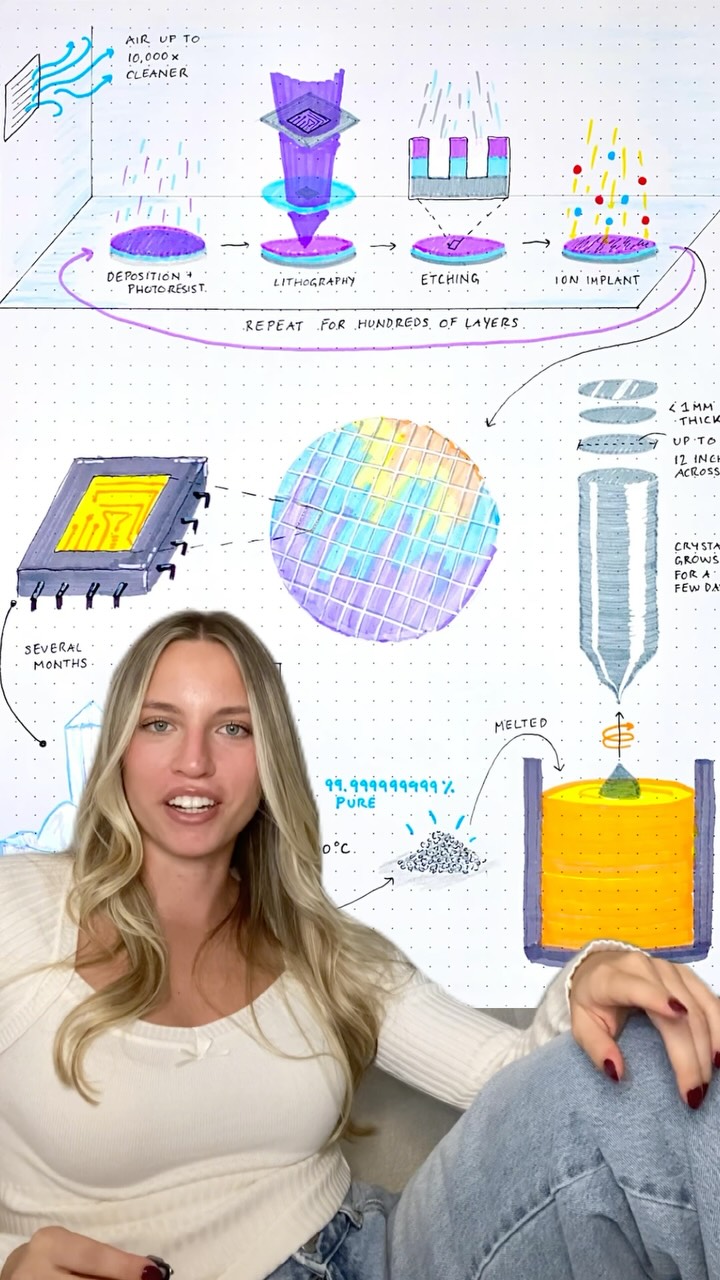
The creator explains the complex, multi-stage process of manufacturing a computer chip from raw materials. She begins by introducing the topic in front of a completed illustration, then cuts to a timelapse of herself drawing the entire process while her voiceover narrates each step, from purifying silicon from quartz to growing a crystal ingot and slicing it into wafers.
[02]
[03]
 152.6K9.9×Explaining different metal manufacturing processes@annakahoelkstudio · Explainer
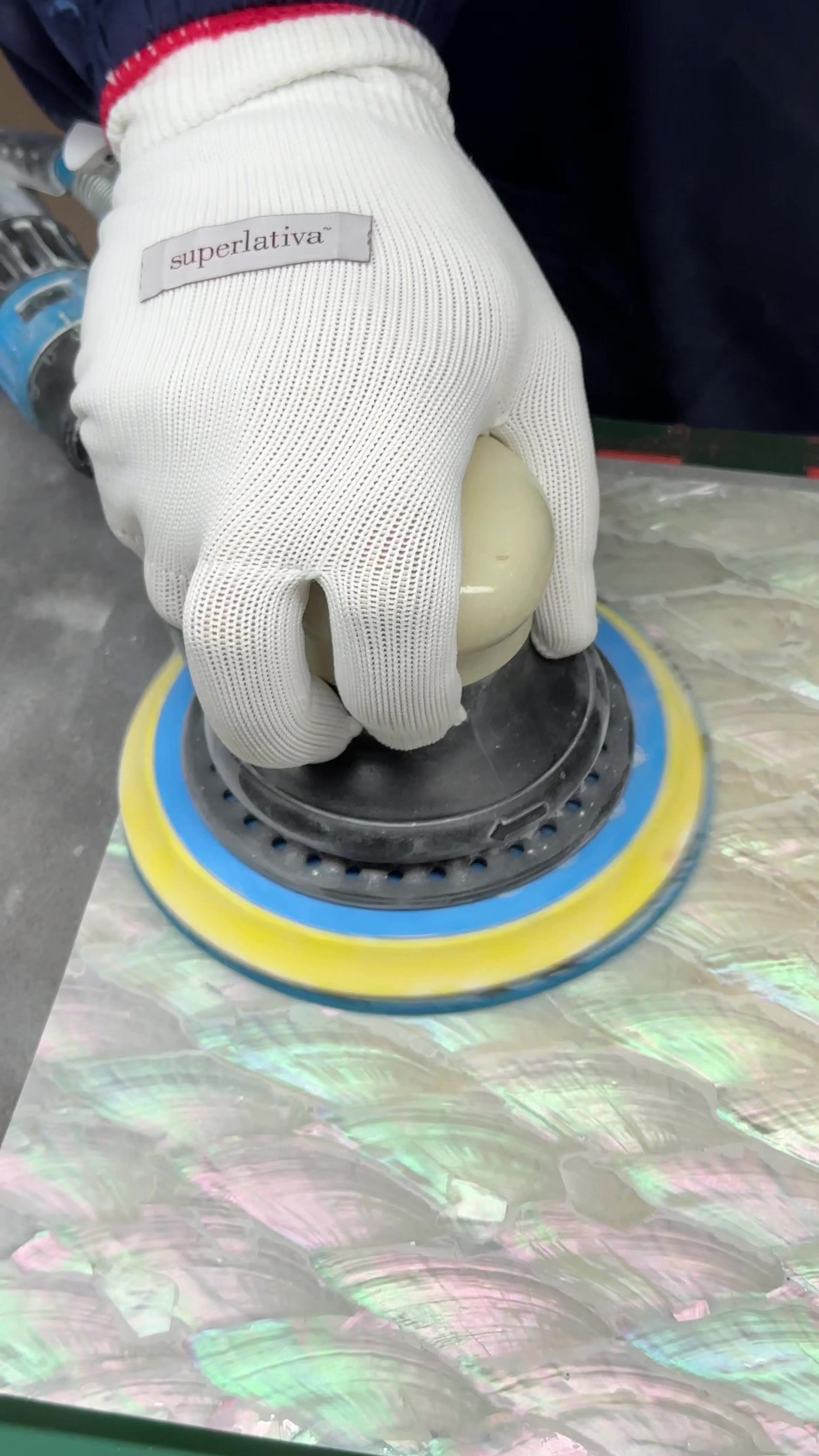 1M3.1×How a mother-of-pearl trench coat is made from scratch@loewe · Process
 12.7M3×Brainwave to product creation montage@kasefenley · Process
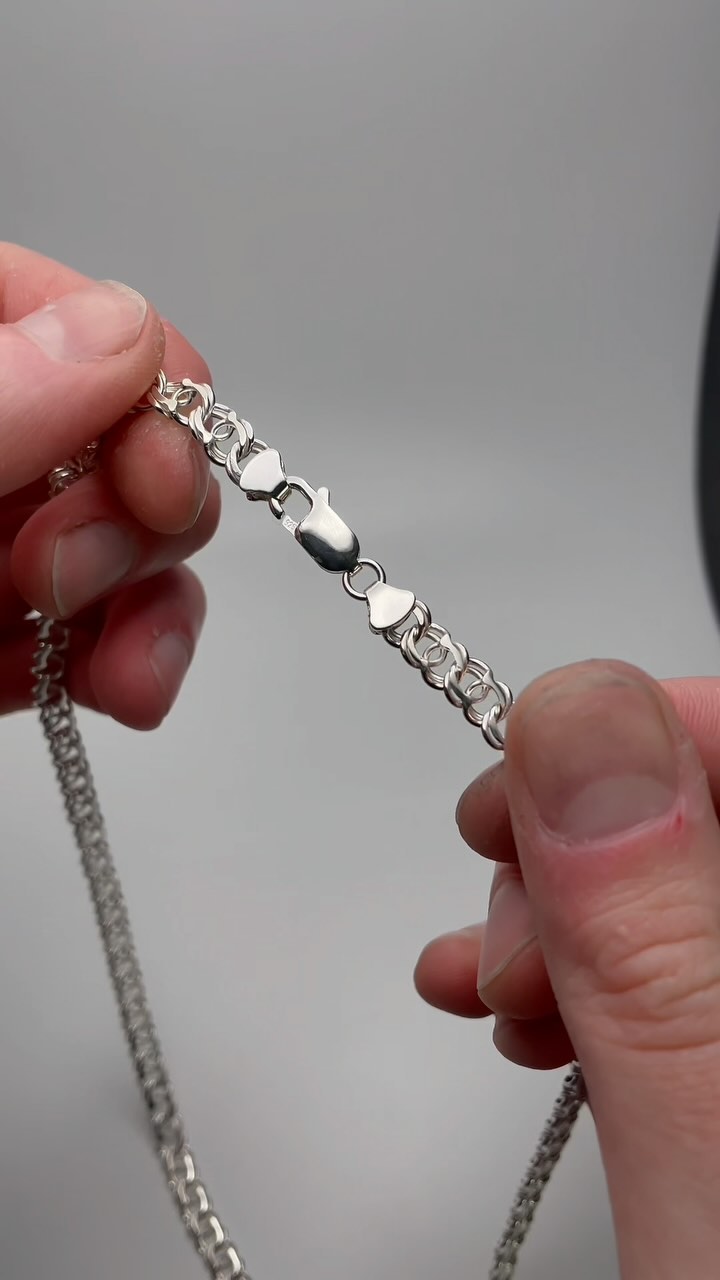 717.7KJewelry making process start to finish@designs.by.maxx · Process
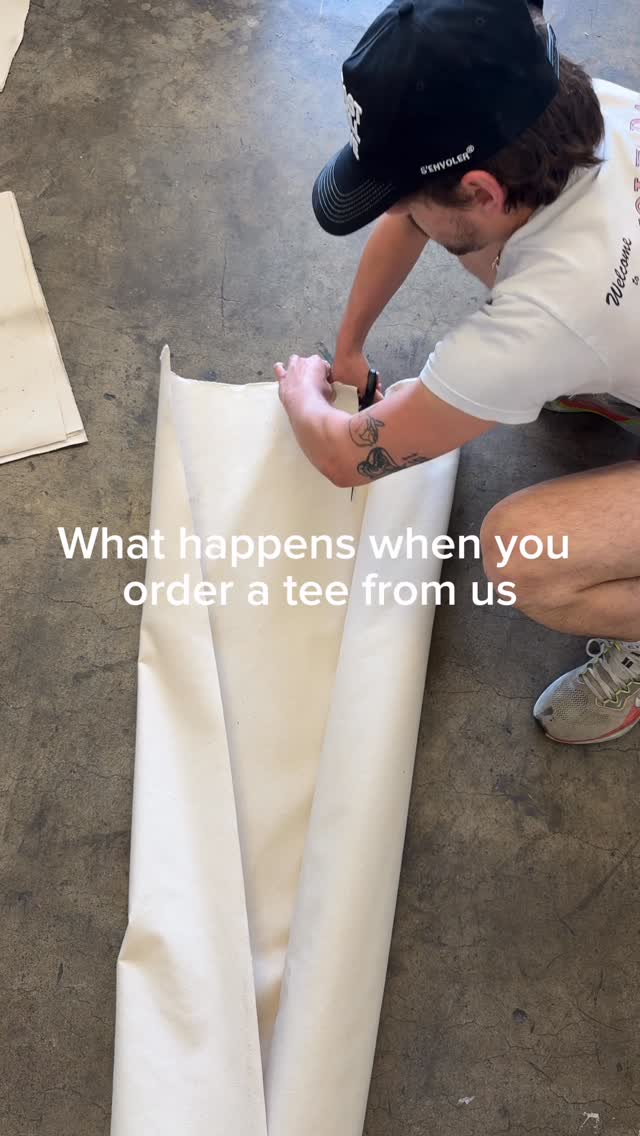 542.5K75.1×T-shirt creation from start to finish@senvoler.studio · Process
 3.1M5019.9×Chemist shows her typical workday@henkel · Day In The Life
 1.1M6.5×Showing embroidery process start to finish@helloapple · Process
 5.8M7.4×Tie-dye process start to finish@dyesngoodvibes · Process
 415.2K41×Clothing manufacturer explains her process@cali.nina · Origin Story
 1.3M87.6×Satisfying product creation process@llbean · Process
 1.2M39.3×Design sample to final product@oddmuselondon · Before/After Transformation
 110.2K5.5×Motivational audio over creative process@oliviasews_ · Motivational Mantra
[04]
[05]
What stops the scroll in the first 3 seconds
Verbal hook · 85%
You're only able to watch this video because this pretty rock was turned into a computer chip, and here's how it happens.
Visual hook · 15%
A full-frame view of a complex, colorful, hand-drawn infographic detailing a scientific process, with the creator visible in a small window in the corner, immediately establishing the video's educational and artistic nature.
[06]
Steal this for your own video
You're only able to because this was turned into , and here's how it happens.
[07]
The promise the opener makes, and how the video pays it back
Hook
The 'Everyday to Extraordinary' Hook. Connects a common, relatable object or experience to its surprising and complex origin, immediately posing the question 'How?'.
Payoff
The Blank Canvas. Presents the resulting component as a finished, foundational piece, ready for the next stage of a larger process, thus providing a satisfying sense of completion for this chapter of the story.
[08]
The structural pattern this video runs on
Framework
The 'How It's Made' Deconstruction
To demystify a complex manufacturing or natural process by breaking it down into a linear, visually illustrated sequence of transformations, starting from a raw, unrecognizable material and ending with a foundational component.
The Raw Ingredient
Introduces the base material and explains the key property that makes it suitable for the process.
The Initial Problem
Defines the primary challenge or impurity that must be overcome before the transformation can begin.
The Refinement Gauntlet
Details the intensive process of purifying or preparing the raw material, using specific, impressive metrics (e.g., temperature, purity levels) to convey the difficulty and precision involved.
The Metamorphosis
Illustrates the core physical transformation where the refined material is reshaped into a new, structured form (e.g., melting, molding, growing).
The Final Shaping
Shows the last step of physically manipulating the new form into its final, usable state (e.g., slicing, polishing, cutting).
this is what it takes to make a computer chip 🤯 bless the minds who figured this out
contextual · beginning
DEPOSITION + PHOTORESIST
contextual · beginning
LITHOGRAPHY
contextual · beginning
ETCHING
contextual · beginning
ION IMPLANT
informational · middle
HEATED TO FREE SILICON
informational · middle
99.999999999% PURE
contextual · middle
MELTED
informational · middle
CRYSTAL GROWS FOR A FEW DAYS
informational · middle
<1MM THICK
informational · middle
UP TO 12 INCH ACROSS
You're only able to watch this video because this pretty rock was turned into a computer chip, and here's how it happens. The journey starts with quartz, which contains silicon, the foundation of computer chips. Silicon works because it's a semiconductor, so its conductivity can be precisely controlled. Although it's the second most abundant element in Earth's crust, it's usually chemically handcuffed to oxygen. So quartz is heated with carbon at around 2,000 degrees Celsius to free the silicon, then put through a much more intensive purification process until it reaches around 99.99999999 or 11 nines percent purity, the level needed for chip making. The purified silicon is then melted in a crucible and a tiny seed crystal is dipped into it and slowly pulled upward while rotating. Over a few days, silicon solidifies around the seed until it forms one massive crystal called an ingot, which is then sliced into wafers raging in size typically up to about 12 inches across and less than a millimeter thick, then polish until they're almost perfectly flat and mirror like. Those blank wafers then spend several weeks inside semiconductor fabs where the tier