@annakahoelkstudio
Instagram · Talking Head Edit

@annakahoelkstudio “You just need to know enough to know what words to google” - I’m going to get slammed for that one but its the truth

@annakahoelkstudio
Instagram · Talking Head Edit
@annakahoelkstudio “You just need to know enough to know what words to google” - I’m going to get slammed for that one but its the truth
Performance
Video #17189 · Talking Head Edit
[01]
The creator, a designer, explains the critical importance of understanding manufacturing processes, using metal as a case study. She breaks down various techniques like extrusion, tube bending, metal spinning, sheet metal fabrication, casting, and CNC milling, illustrating each with B-roll footage and images. She also covers surface finishing options and concludes by emphasizing that knowing the correct terminology is key for designers to continue learning and researching.
[02]
[03]
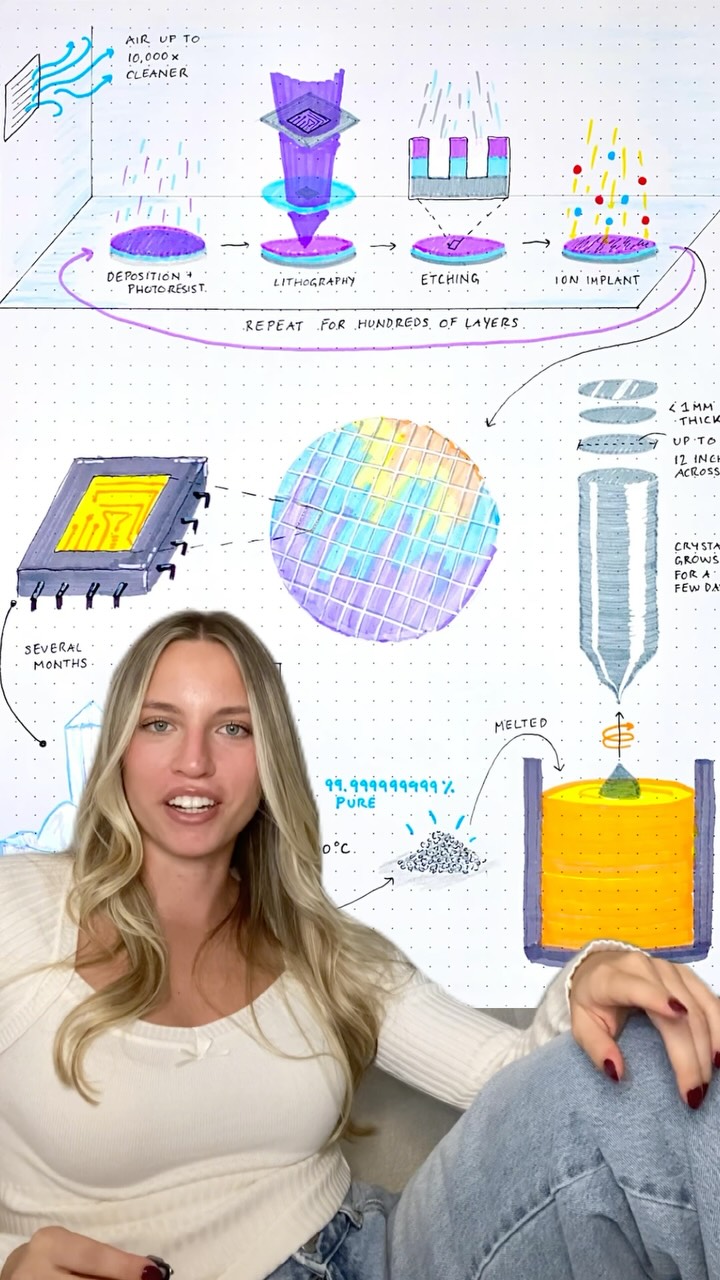 194.1K5.8×Drawing the chip making process@itsmarceliina · Tutorial / How To
 110.2K5.5×Motivational audio over creative process@oliviasews_ · Motivational Mantra
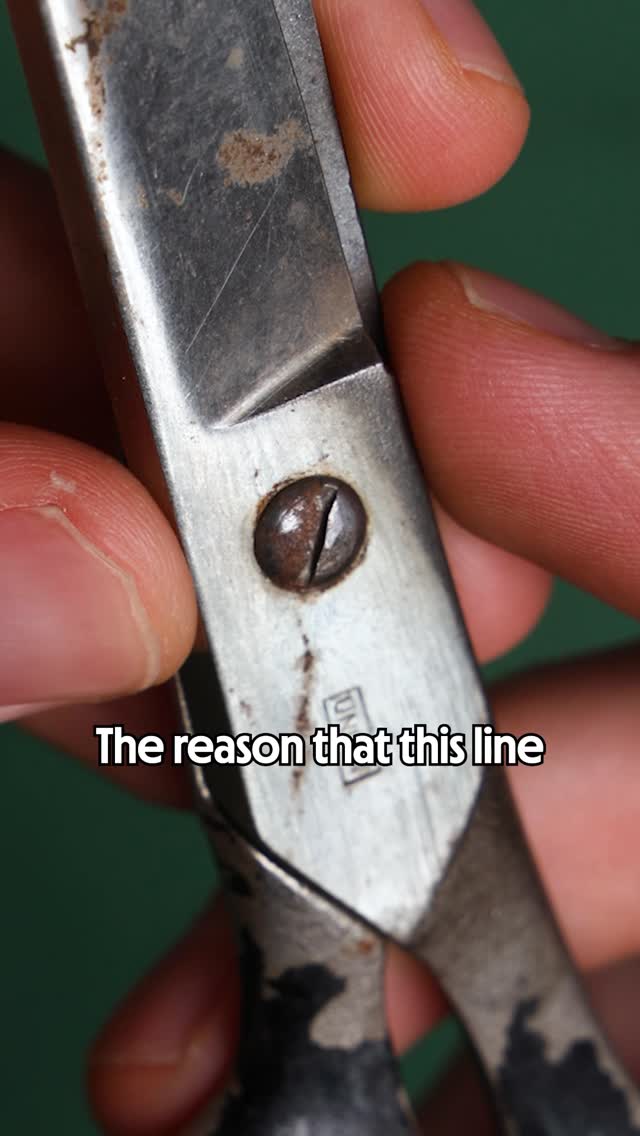 1.7MExplaining vintage scissor design details@craighillcompany · Explainer
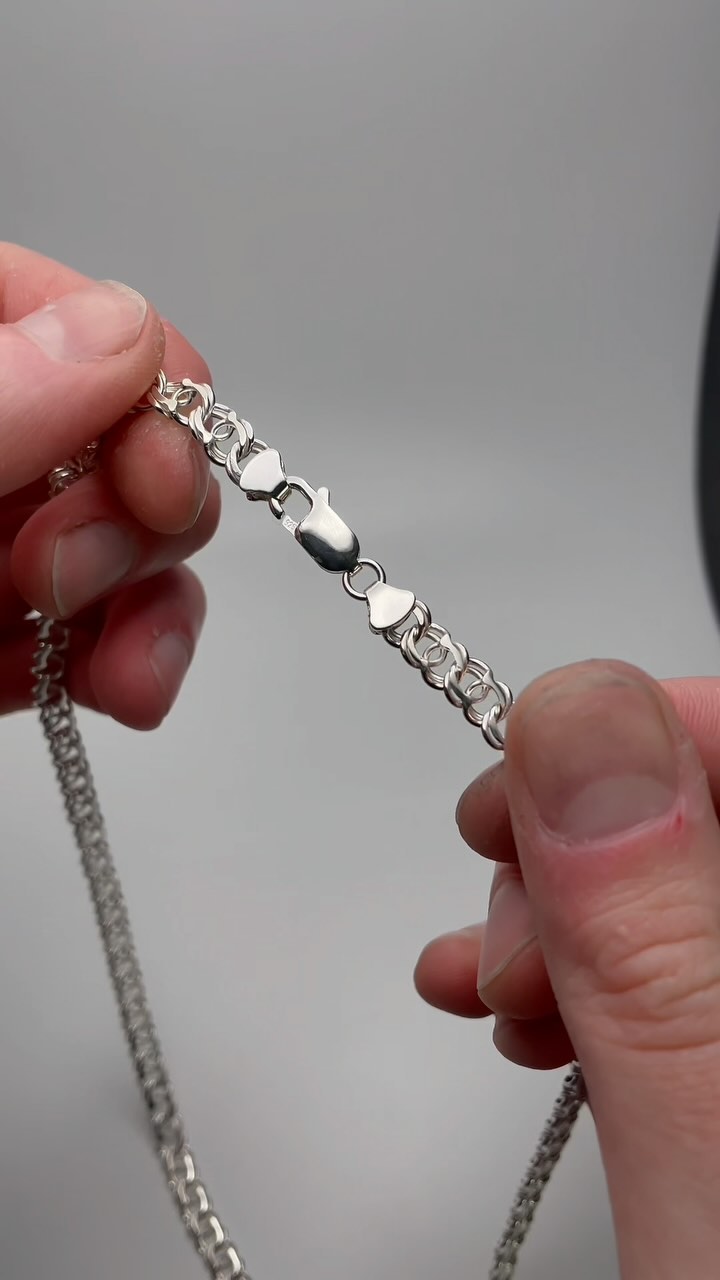 717.7KJewelry making process start to finish@designs.by.maxx · Process
 415.2K41×Clothing manufacturer explains her process@cali.nina · Origin Story
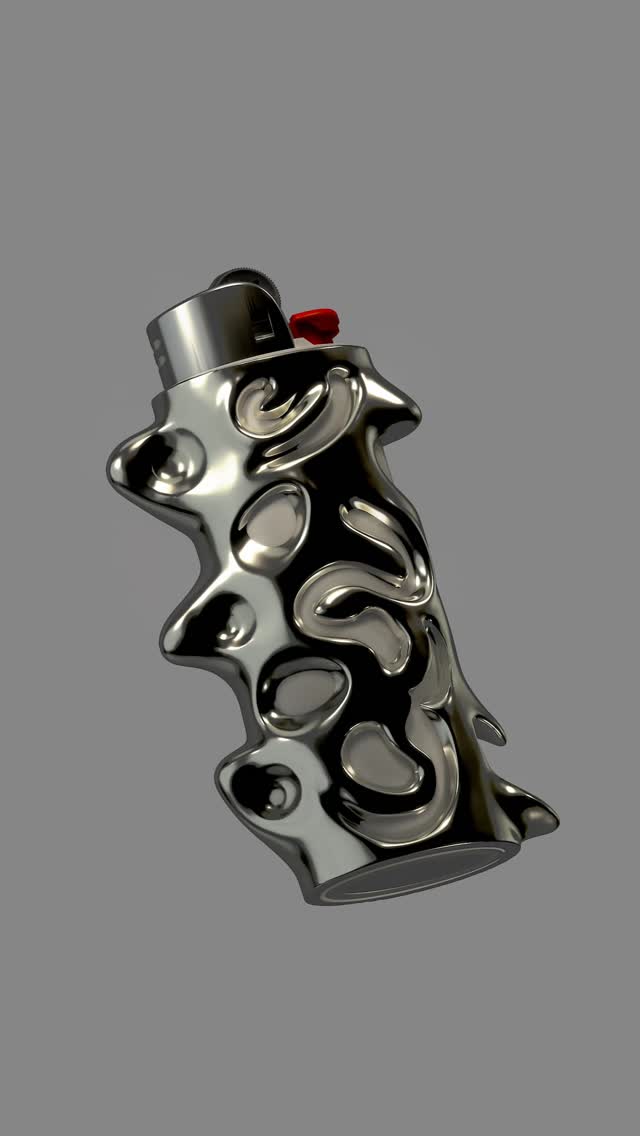 621.5K75.9×3D sculpting custom lighter case@mattborowczyk · Process
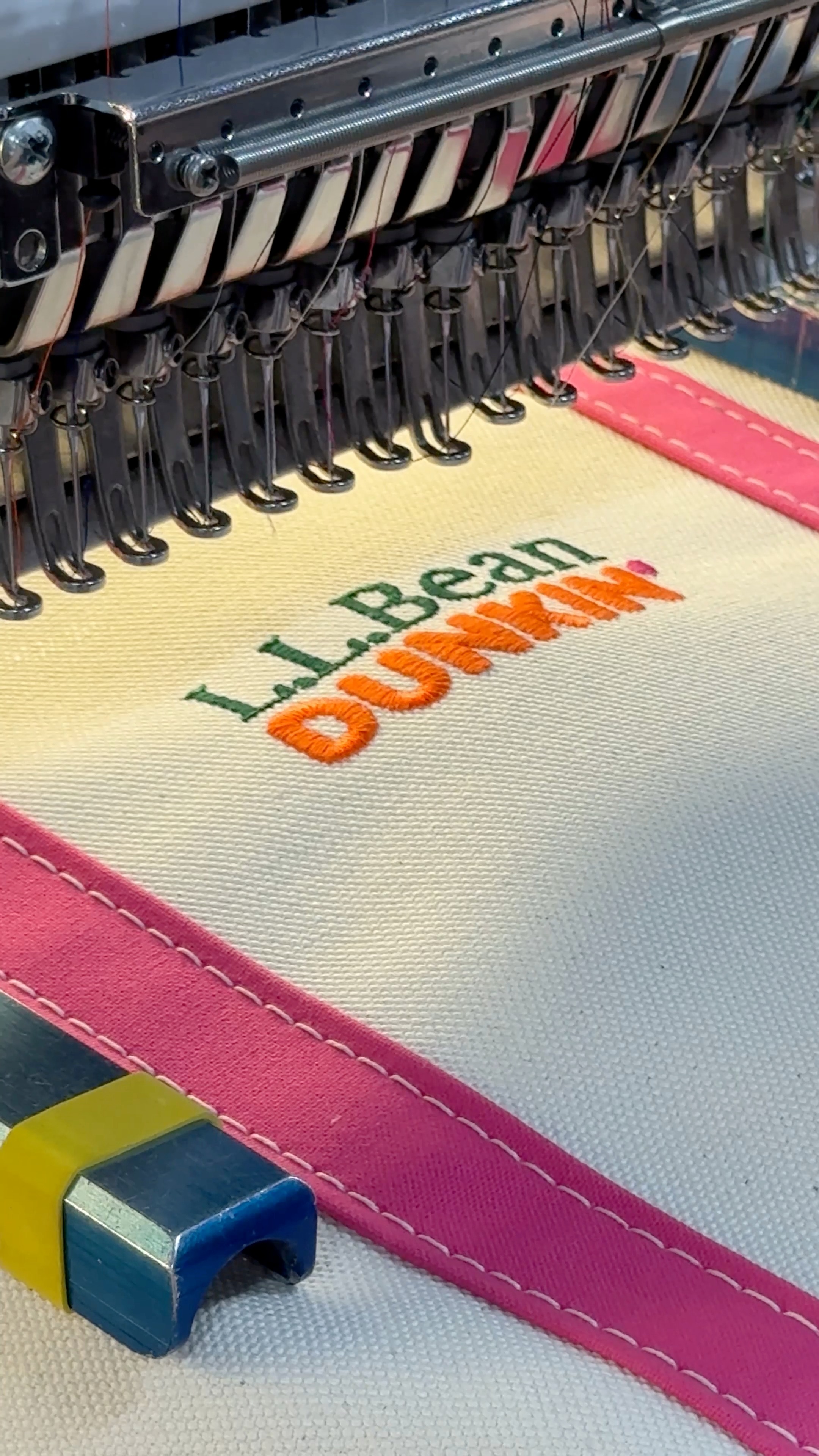 1.3M87.6×Satisfying product creation process@llbean · Process
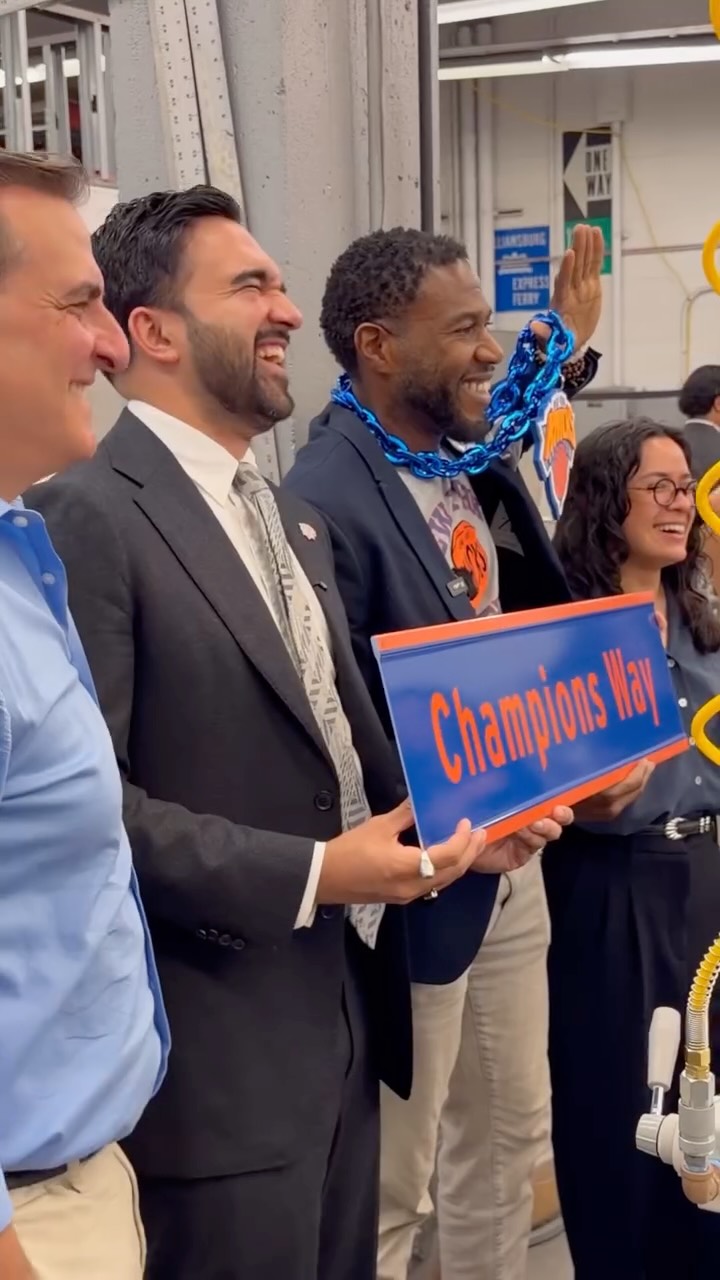 2.4M98.1×Making a street sign start to finish@nycmayor · Process
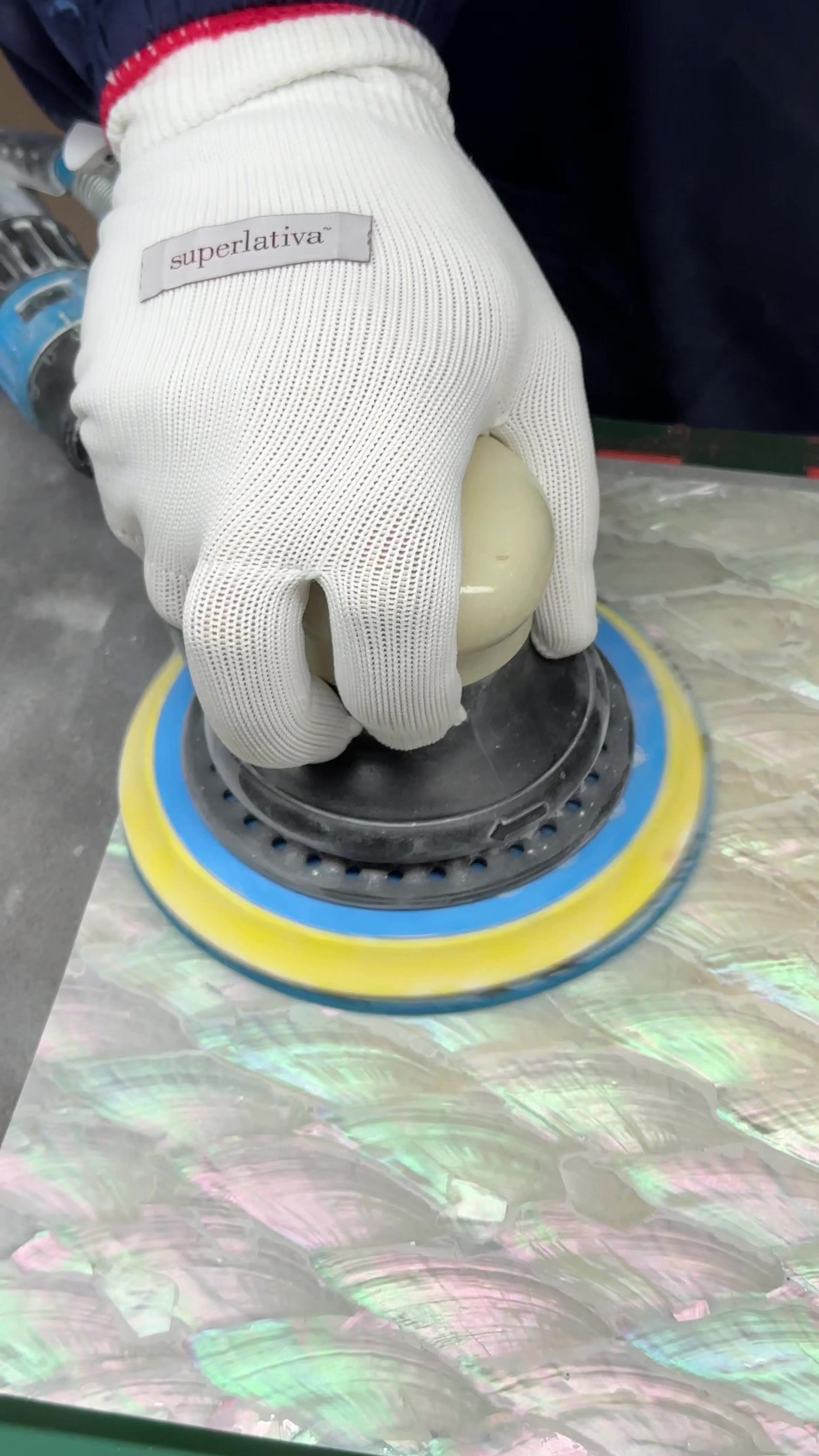 1M3.1×How a mother-of-pearl trench coat is made from scratch@loewe · Process
 569.7K1.4×Solving production problems with design@frontoffice.co · Case Study Breakdown
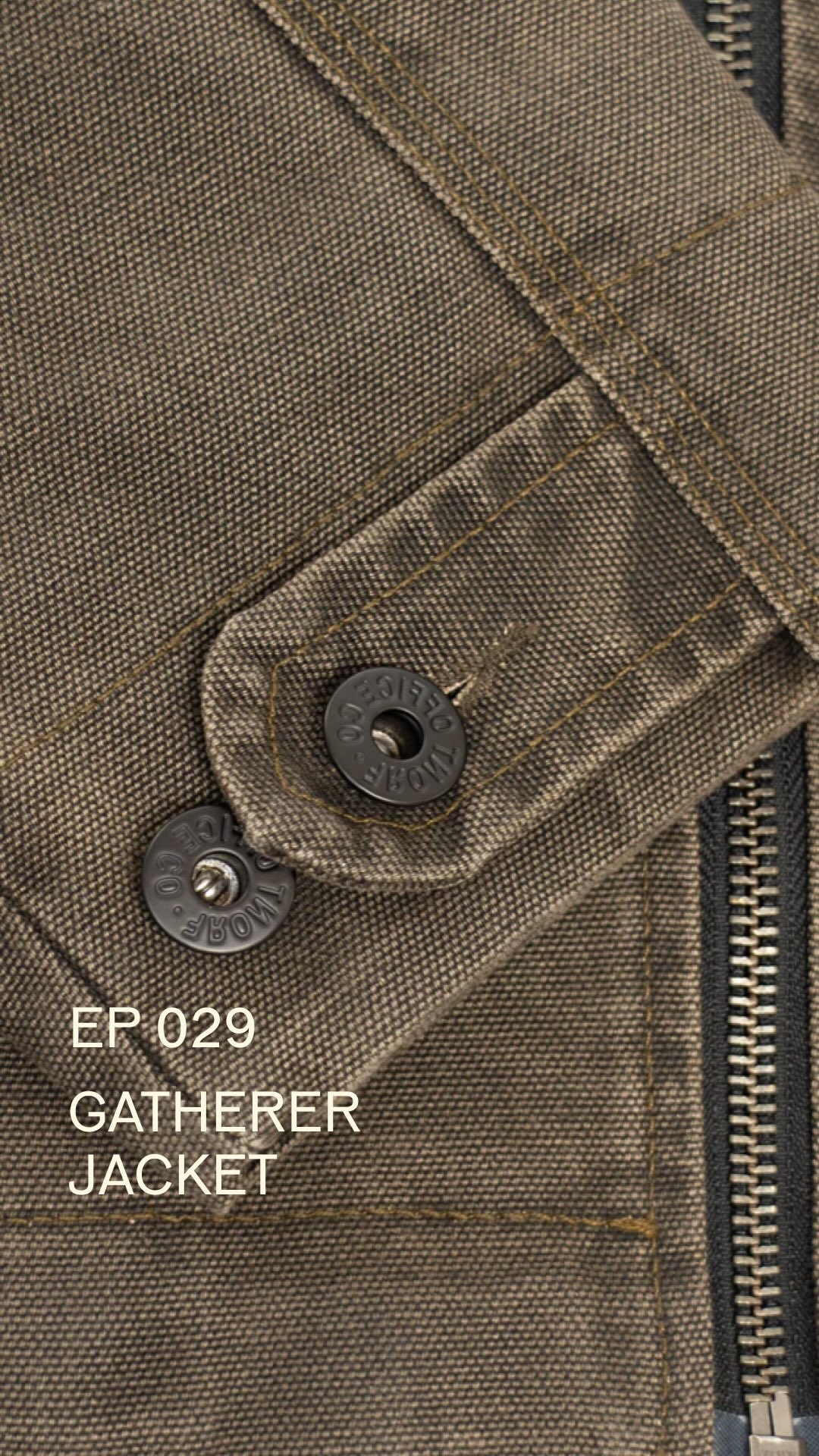 590K2×Jacket design process breakdown@sakata.ken · Breakdown
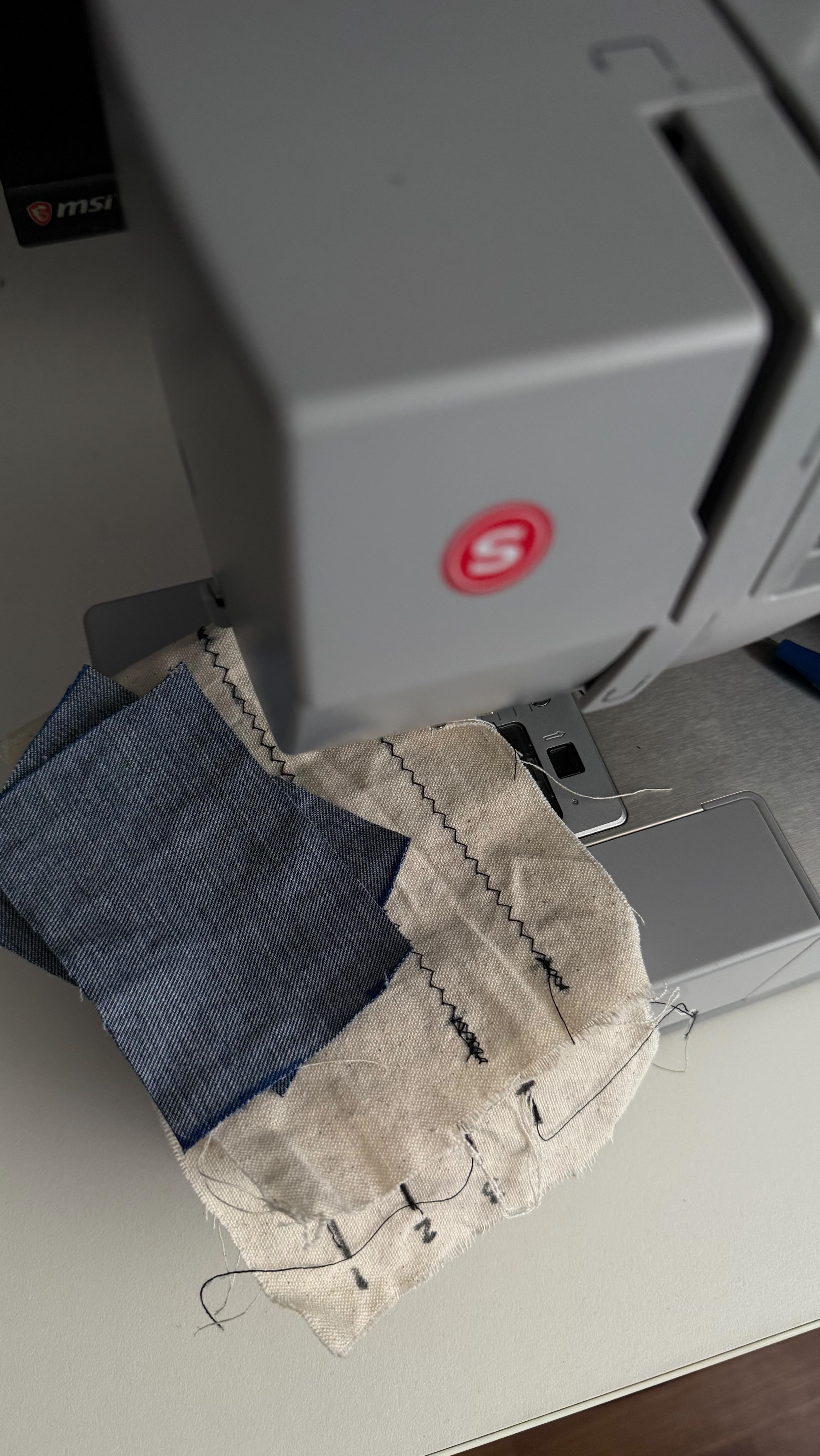 247.7K5×Clothing quality check: understanding seams@gents.studios · Explainer
[04]
[05]
What stops the scroll in the first 3 seconds
Title hook
Design Talks Ep. 25
Verbal hook
All these things are metal, but everyone is a different manufacturing process.
Visual hook
A collage of five distinct and aesthetically pleasing metal objects with different shapes, colors, and finishes is shown, creating immediate visual interest and curiosity.
[07]
The promise the opener makes, and how the video pays it back
Hook
Present a collection of visually similar but functionally different items, posing an implicit puzzle. State their commonality, then immediately introduce the core difference that forms the video's thesis.
Payoff
Conclude not with a definitive answer, but with an empowering and achievable call to action. Reassure the viewer that they don't need total mastery, but rather just enough foundational knowledge to begin their own exploration.
[08]
The structural pattern this video runs on
Framework
The Expert's Journey
To establish authority and teach a complex topic by framing it as a personal journey from ignorance to understanding, culminating in an empowering, accessible takeaway for the audience.
The Relatable Confession
Share a personal anecdote about previously underestimating or ignoring the topic, establishing vulnerability and common ground with the audience while raising the stakes.
The Core Thesis
State the central, non-obvious principle that connects two seemingly separate concepts, establishing the video's intellectual foundation.
The Mentor's Method
Recount a lesson from a teacher or mentor that provides a framework for how to analyze the topic, priming the audience for the examples to come.
The Deconstruction Showcase
Present a rapid-fire series of distinct examples, quickly breaking each one down to illustrate the core thesis in action and provide tangible proof.
The Terminology Blitz
Briefly list additional, more advanced terminology related to the topic to showcase its depth and complexity without needing to explain each term, reinforcing the creator's expertise.
The Creative Synthesis
Explain that mastery of the individual components allows for creative combination and innovation, moving the viewer's perspective from analysis to application.
The Trust-Building Disclaimer
Acknowledge that the explanation is a simplification, which paradoxically builds credibility and positions the creator as a knowledgeable and honest guide.
“You just need to know enough to know what words to google” - I’m going to get slammed for that one but its the truth
title · beginning
Design Talks Ep. 25
All these things are metal, but everyone is a different manufacturing process. And as a designer, identifying and understanding materials and manufacturing was definitely the skill I ignored the most in school, even though now I understand it's one of the most important things. My early conception of what it was to best designer was definitely tied to the creative aspect doing the design. But the moment you start designing the real world, in my case for my own brand, you realize you can't even start to think about design without first understanding manufacturing. They are inextricably tied. A professor I I had in design school had us practice by picking up random objects and then getting us to dissect all the processes that would be used to make it. So using metal as an example, a classic tubular steel chair, the steel would first be extruded in long tubes, then bent sometimes with sand inside as an internal support to prevent kinking, and then it would be chromed for the final glossy and reflective finish. Circular things like this are often spun better. So you start with a thin metal sheet that's spun and then pushed down around a mold. Sheet metal can be bent and then welded or fastened or just welded at the corner and grinded away to make it look seamless. This is interesting. It looks like it's been pressed or scored to create this corrugation, which then gives the spin material more structure, but I'm not sure how this was done. Metal can also be cast, CNC or milled, water best or laser cut, and then there's all the surface finishings of anodizing, powder coating, polishing, sandblasting, heat treating, the list goes on. And once you can start to break these processes down, you can then combine or exaggerate them to great effect. I know I'm generalizing a lot and using the broad term metal when of course there's different processes that you can use with steel versus versus aluminum, but I think you get the idea. This is definitely an area of continual learning. I get stumped all the time. And as a designer, it's important to remember that you don't necessarily have to be an expert in all these processes, but I at least try and know enough that I know at least the words to Google to get more information.