@duolingo
TikTok · Skit
@duolingo i'm literally not talking like anything

@duolingo
TikTok · Skit
@duolingo i'm literally not talking like anything
Performance
Video #44671 · Skit
[01]
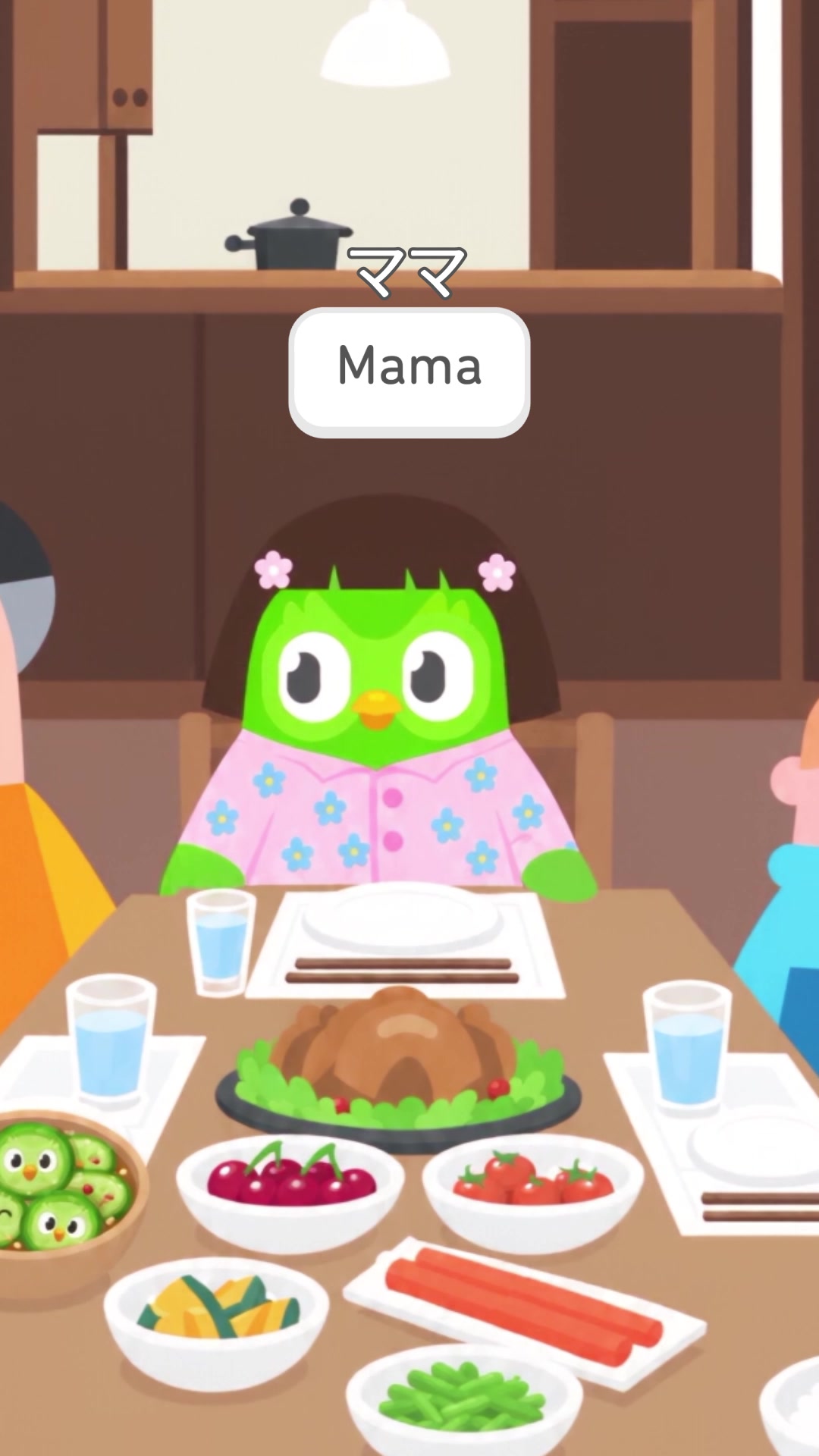
The creator uses an animated skit to teach basic Japanese phrases in a family dinner setting. A young character politely asks for pickles in Japanese, and her mother responds and passes them, with each phrase translated on screen. The lesson is framed by a comedic punchline where another character questions why she is speaking so formally.
[02]
[03]
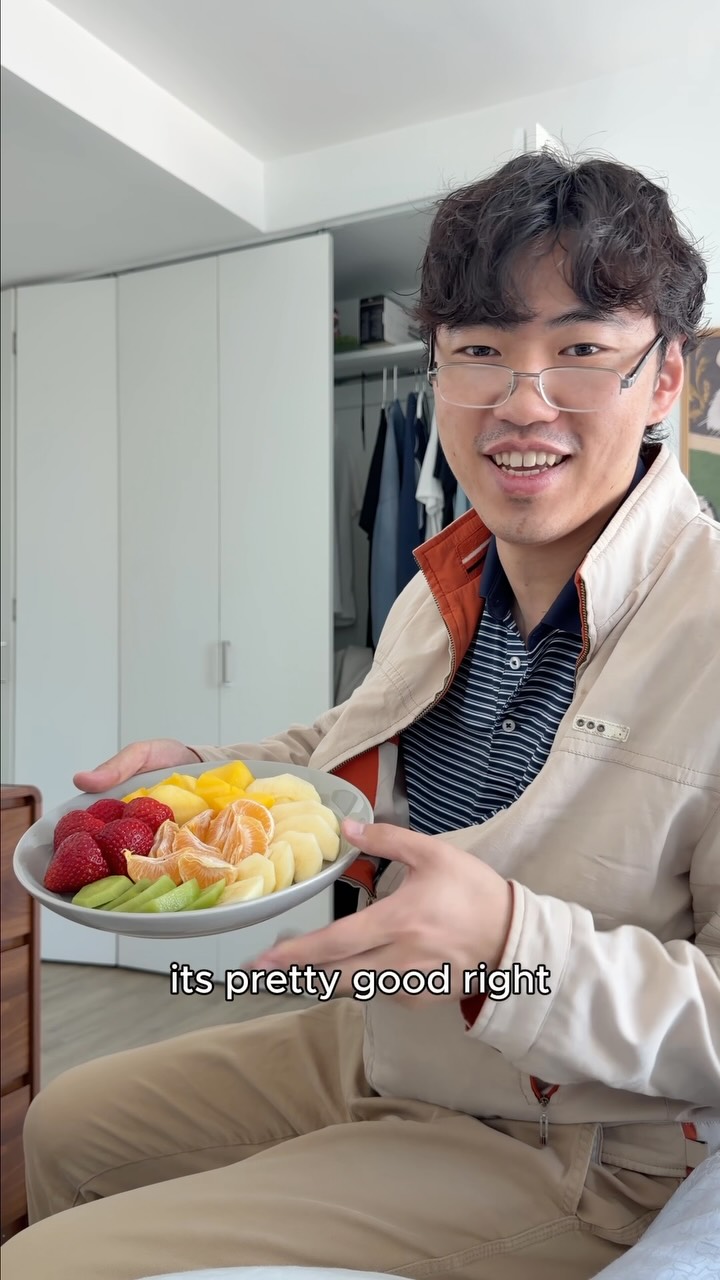 2.1MDad's indirect apology skit@remyzeee · Relatable Skit
 103.2K15.9×Relatable text over baby watching@kostagenaris · Relatable One Shot
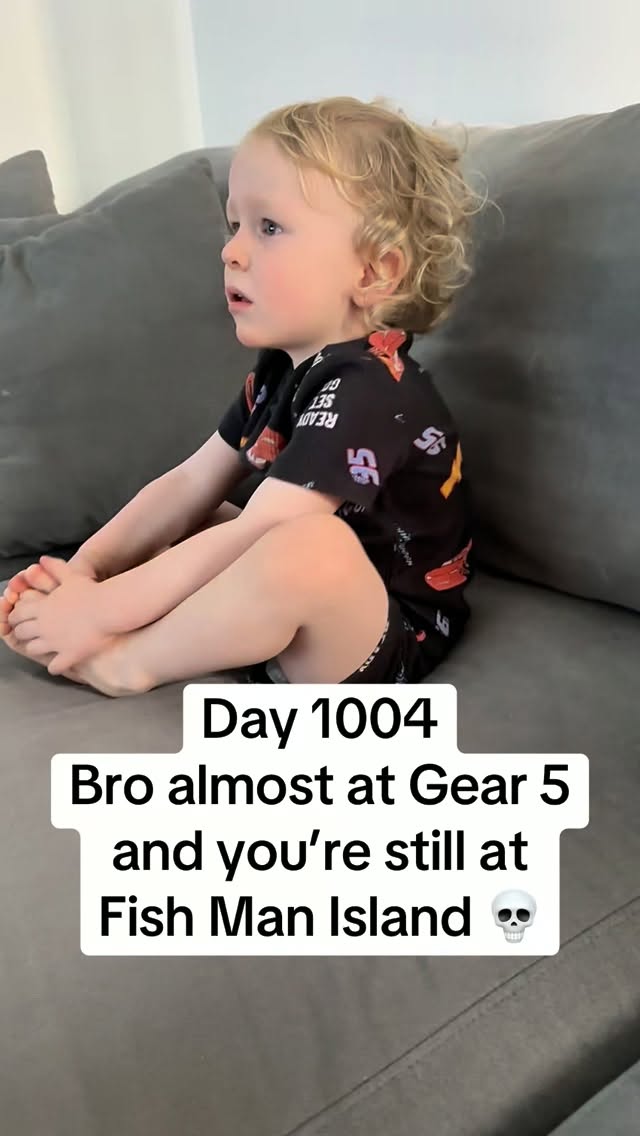
 342.2K46.7×Toddler seriously watching One Piece@kostagenaris · Relatable Skit
 1.4M313.3×Toddler's long-running anime marathon@kostagenaris · Day X of Doing Y
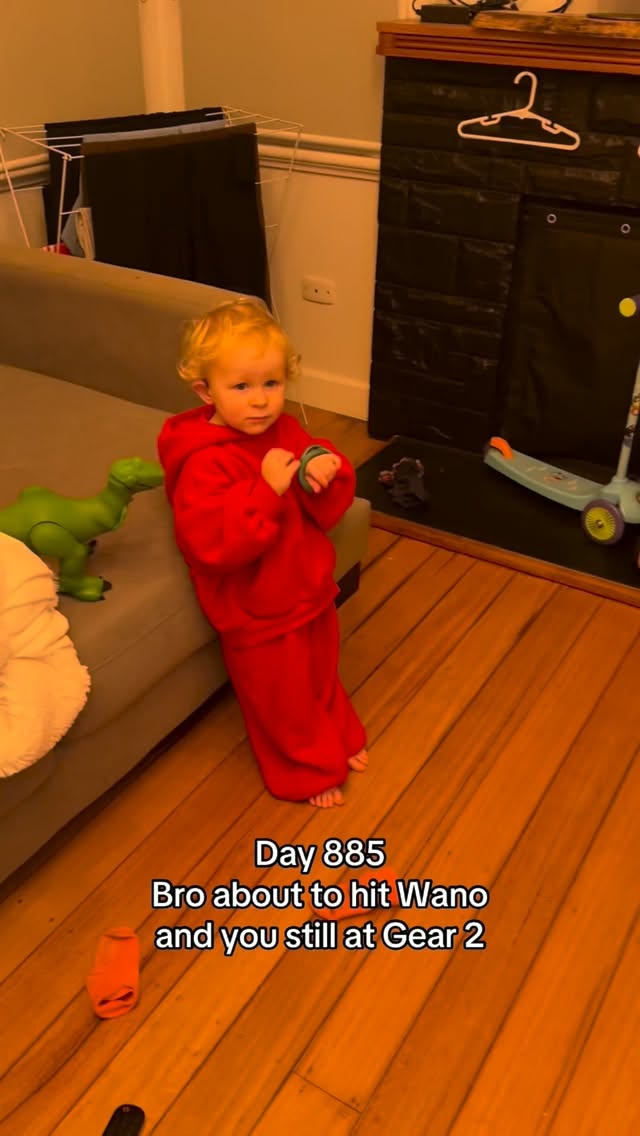 162.7K38.5×Relatable anime joke using toddler@kostagenaris · Relatable One Shot
 2.2M12.3×Pop culture becomes future history@kostagenaris · Relatable One Shot
 428.8KRelatable school gaming meme@coolmathgames · Relatable One Shot
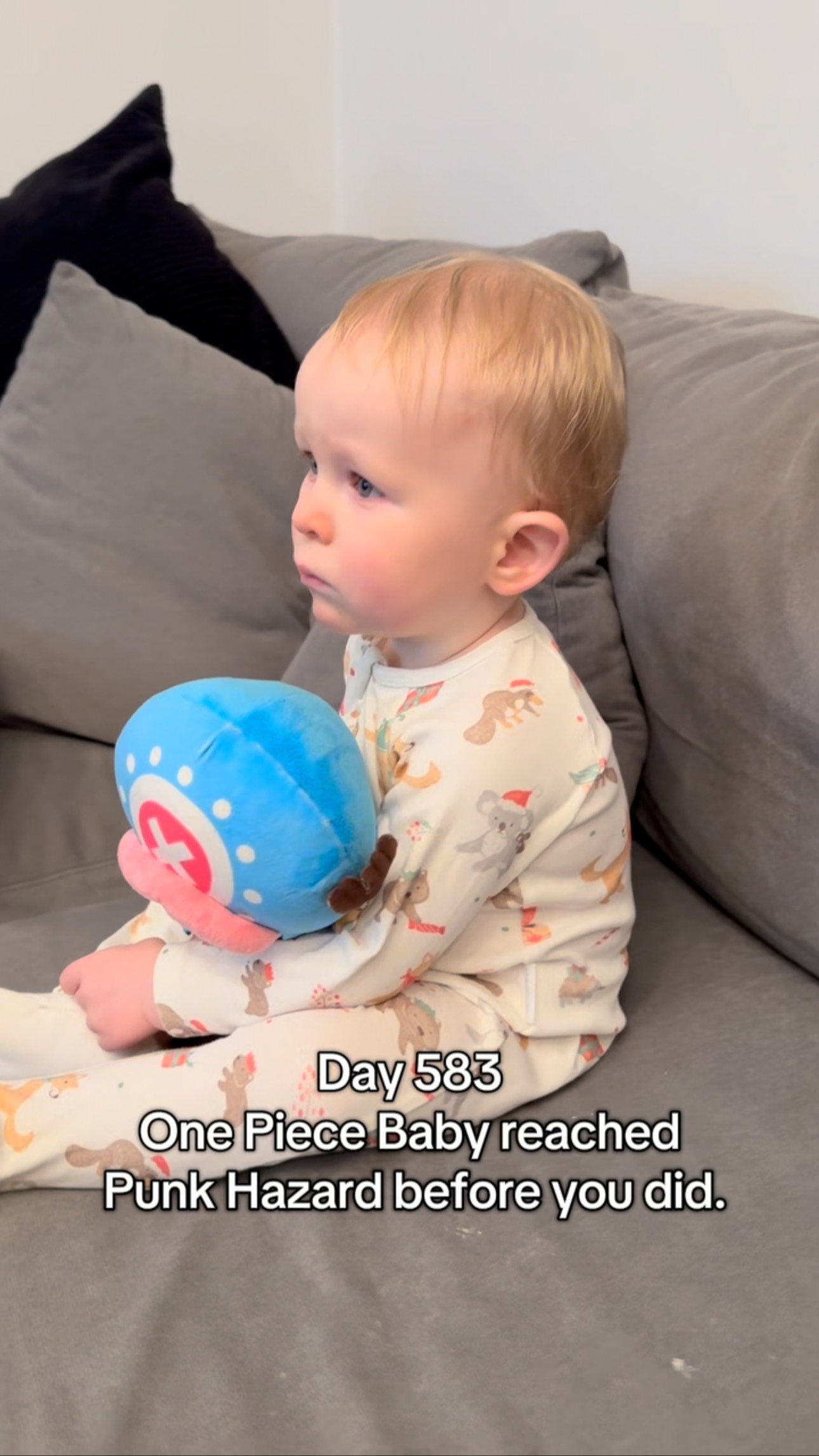 631.3K3.4×Baby's One Piece viewing progress@kostagenaris · Day X of Doing Y
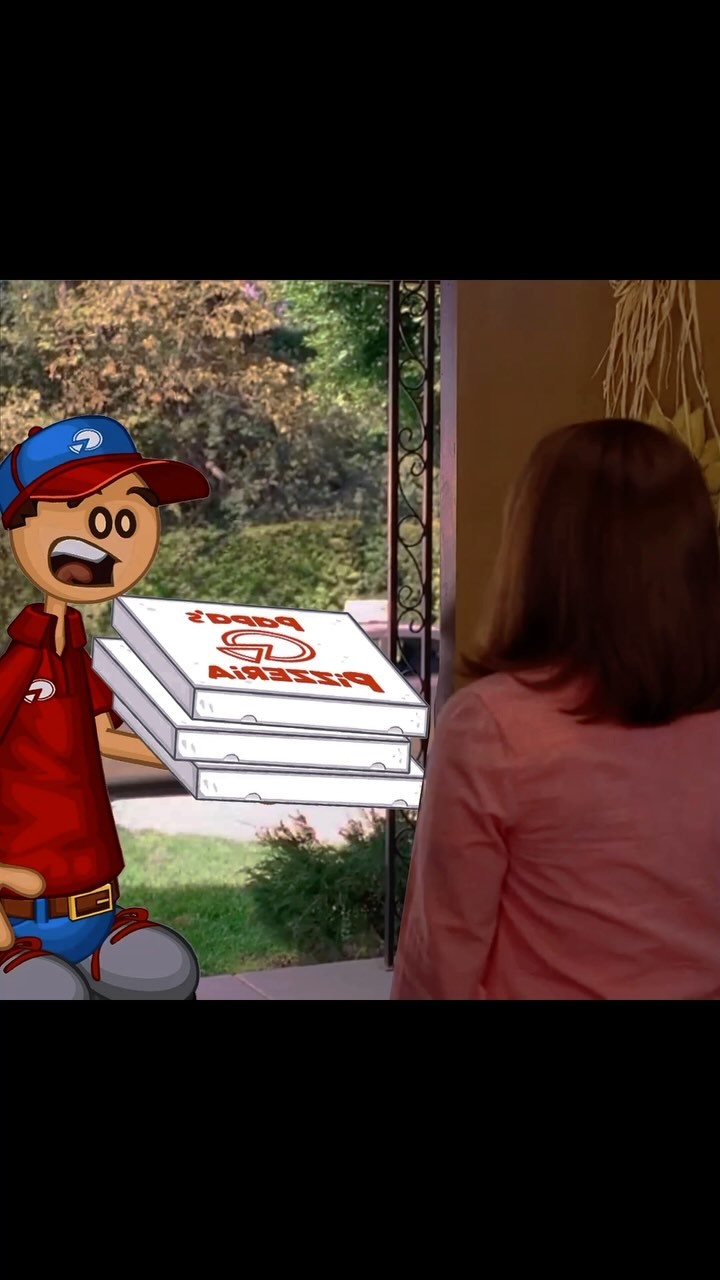 2.6MMeme edit of free pizza reaction@coolmathgames · Skit
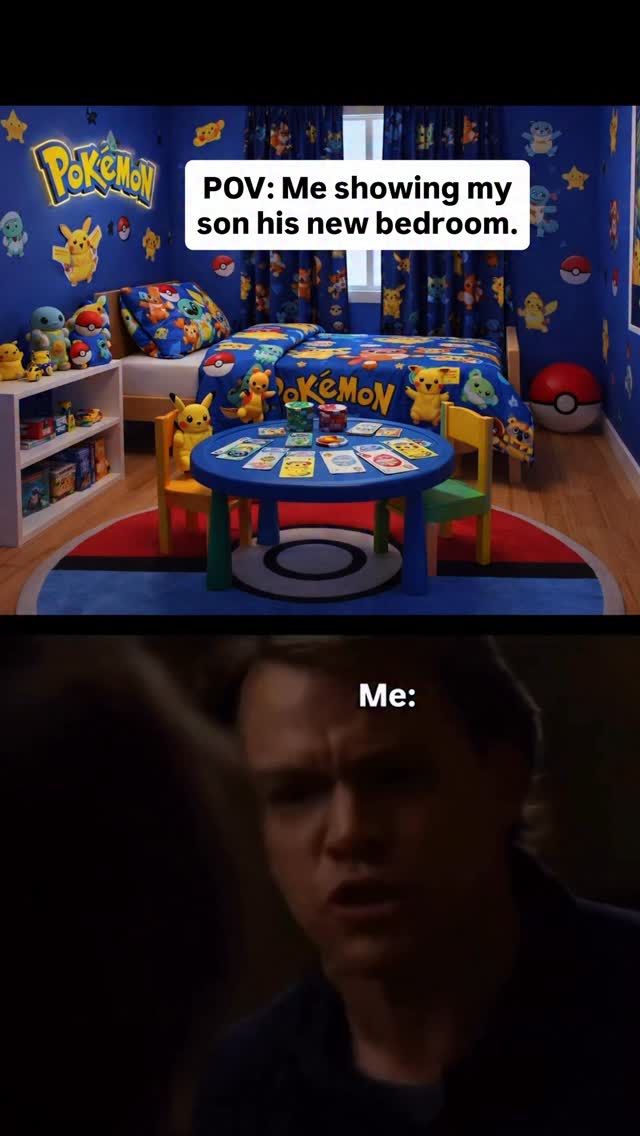 696.1K5.4×Relatable meme about parenting dreams@tradeshopcc · Relatable Skit
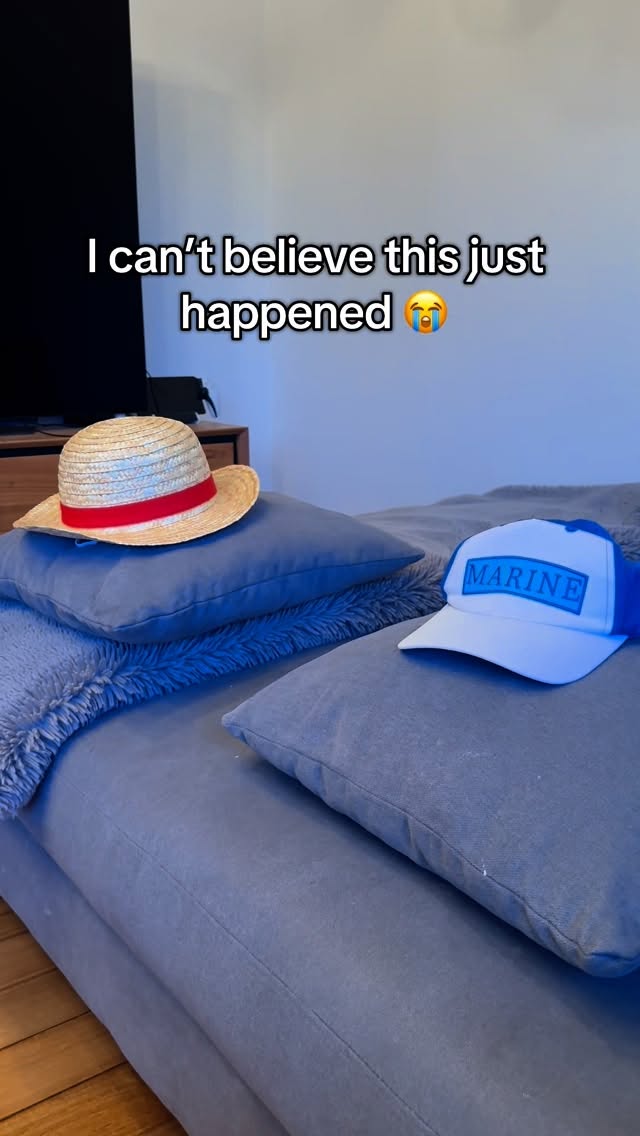 14.5M26.2×Anime fan baby betrayal skit@kostagenaris · Relatable Skit
 1.1M10.2×Text overlay on relatable moment@vinceandkins · Relatable One Shot
[04]
[05]
What stops the scroll in the first 3 seconds
Verbal hook · 80%
Mama?
Visual hook · 20%
A brightly colored animated scene of a family dinner, featuring the recognizable Duolingo owl character as a child sitting at a table full of food.
[06]
Steal this for your own video
? ?
[07]
The promise the opener makes, and how the video pays it back
Hook
A character initiates a simple, relatable interaction but performs it with a noticeably formal or practiced style, immediately creating a sense of slight oddity.
Payoff
The payoff is the comedic irony generated by the protagonist's deadpan denial of a stylized behavior that the audience has just clearly witnessed.
[08]
The structural pattern this video runs on
Framework
The Stylized Denial
A character demonstrates a highly specific or stylized behavior learned from an external source. When an observer questions this unnatural behavior, the character comically denies it, creating irony for an audience who understands the source of the behavior.
The Formal Demonstration
The protagonist makes a simple request using a very specific, almost textbook-like phrasing and delivery, establishing the core behavior.
The Normalizing Response
A second character responds to the content of the request, not the style, temporarily accepting the odd behavior as normal and completing the initial interaction.
The Pattern Interrogation
An external observer breaks the flow by directly questioning the *manner* in which the protagonist is behaving, introducing the central conflict.
The Ironic Denial
The protagonist feigns ignorance and denies that their behavior is unusual in any way, delivering the comedic punchline through the blatant contradiction.
i'm literally not talking like anything
informational · beginning
ママ Mama
informational · beginning
Mhmm
informational · beginning
ピクル おねがいします Pickles, please
informational · beginning
はい はい Yes, Yes
informational · middle
どうぞ Here you go
informational · middle
ありがとう Thank you
informational · middle
なんで そんな ふうに しゃべってんの? Why are you talking like that?
informational · end
別に どんな ふうに も しゃべってないよ I'm not talking like anything
Mama? Mhmm.