Viral Hooks
Trending short videos90s Harlem hip-hop group history
T

@the90sblock

Instagram · Carousel
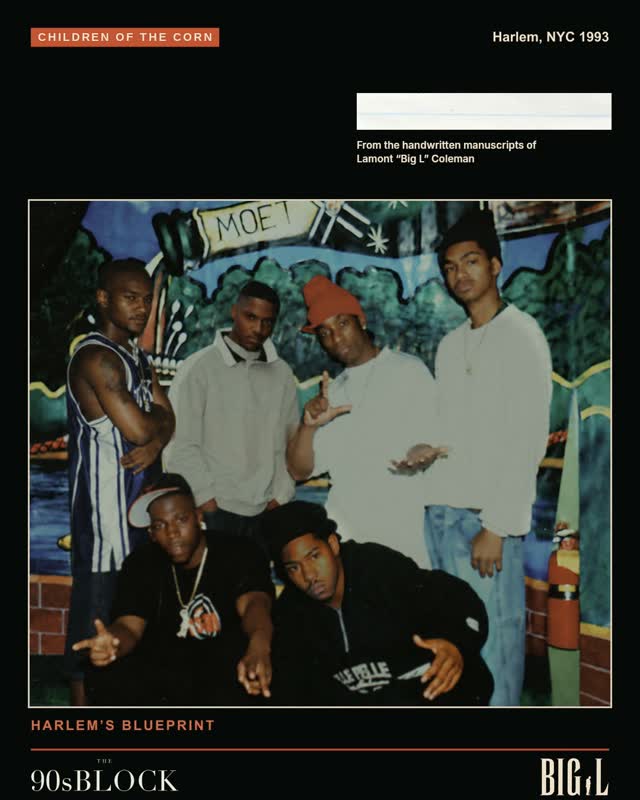
@the90sblock Formed in Harlem in 1993, Children of the Corn brought together Big L, Cam’ron, Ma$e, McGruff and Blood Shed, with Six Figga Digga on the beats, becoming a launching pad for legends and a blueprint for the Harlem crews that followed. Big L gave the crew its name, and “American Dream,” which began as a Ma$e song, became a showcase for their collective talent before the world caught up. The crew came apart as solo careers took off and Blood Shed died in a car accident on March 2, 1997; Big L was killed on February 15, 1999, leaving a legacy that still runs through Harlem hip-hop. Harlem’s Blueprint. Rest in peace, Big L and Blood Shed. C.O.C. forever.
View original on Instagram

The edit1 shot · 8 text
Shots Text

Performance

Views
157.2K
Likes
10.5K
Comments
393
Engagement
6.9%
Outlier
8.4×

Video #44673 · Carousel

90s Harlem hip-hop group historyfrom @the90sblock

[01]

Overview

A carousel of archival photos that tells the origin story of the 1990s Harlem rap group 'Children of the Corn.' The post uses a combination of vintage images and text overlays with quotes and context to document the group's history, its members, and its lasting legacy in hip-hop.

[02]

Simple outline

  1. 1Establish subject with title card
  2. 2Present visual evidence
  3. 3Add depth with direct quotes
  4. 4Conclude with a final artifact

[03]

Related videos

[04]

Classification

Format
Concepts
Origin Story CarouselNostalgia HighlightEditorial Carousel
Elements
Text OverlayRetro AestheticArchival FootageTemplated Graphic Layout

[05]

Hook analysis

What stops the scroll in the first 3 seconds

Title hook · 45%

CHILDREN OF THE CORN

Verbal hook · 45%

Formed in Harlem in 1993, Children of the Corn brought together Big L, Cam’ron, Ma$e, McGruff and Blood Shed...

Visual hook · 10%

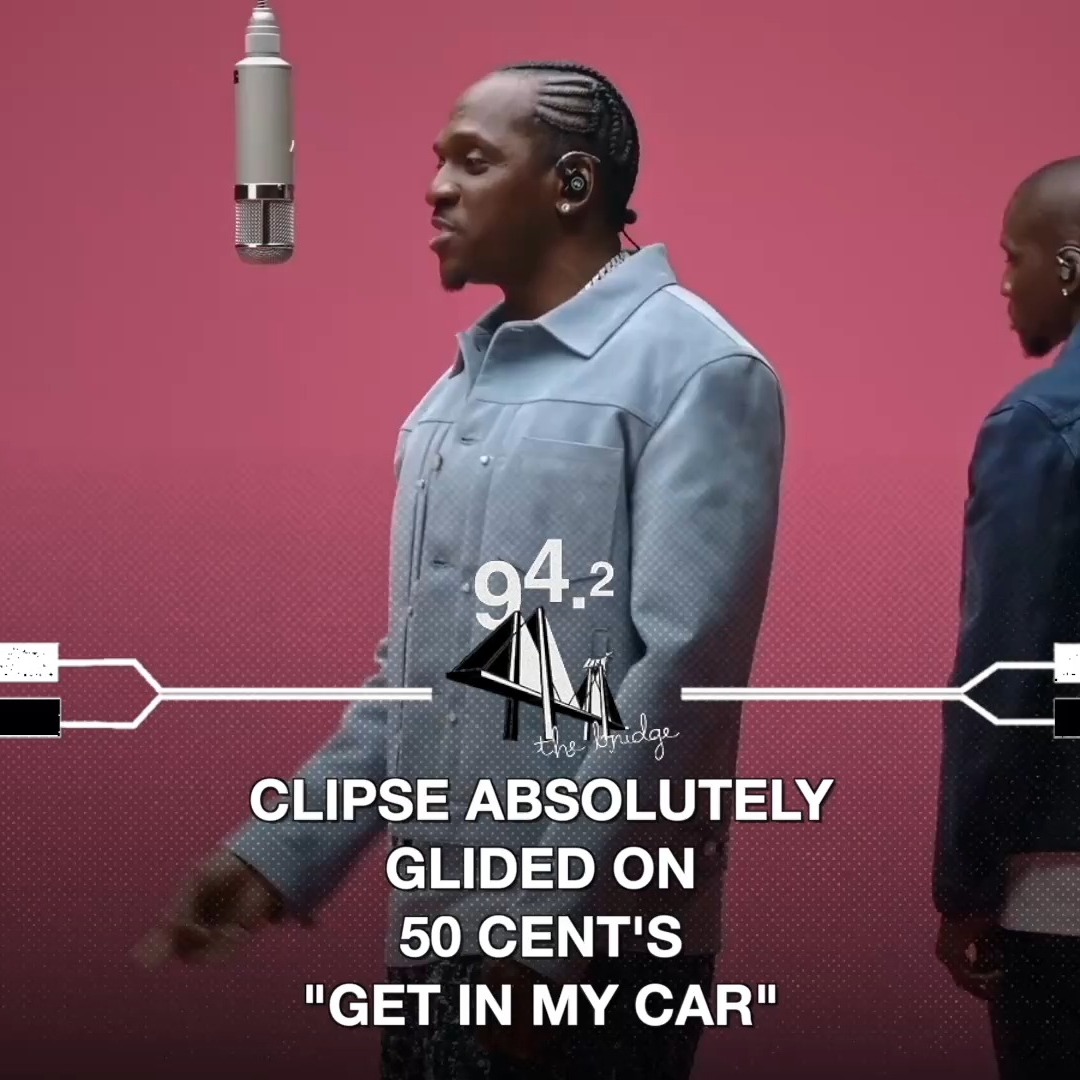
A vintage group photograph from the 1990s featuring several young men in period-specific streetwear. The retro aesthetic, direct eye contact from the subjects, and classic hip-hop pose immediately establish a strong sense of time, place, and cultural significance.

[06]

Hook template

Steal this for your own video

[INTRIGUING GROUP/PROJECT NAME IN ALL CAPS]

  • — THE FAB FIVE (the 1992 street-ball crew that changed college basketball)
  • — THE HOMEBREW CLUB (the 1975 garage group that gave birth to the personal computer)
  • — THE NOUVELLE VAGUE (the 1959 Paris film rebels who rewrote cinema)

[07]

Hook and payoff

The promise the opener makes, and how the video pays it back

Hook

The Thesis Cover. The first slide acts as a book cover or movie poster, using a key group photo and text overlays to establish the subject, time, place, and a central claim of importance ('Harlem's Blueprint') to frame the narrative and hook the viewer.

Payoff

The Fading Memory. The final slide (8) presents one last piece of visual evidence, often more candid or less polished, serving as a visual full stop. The complete narrative payoff, including the story's conclusion and legacy, is delivered in the caption, allowing the carousel itself to remain an immersive, artifact-focused experience.

[08]

Narrative framework

The structural pattern this video runs on

Framework

The Archival Deep-Dive

To tell a historical or biographical story by presenting a collection of 'archival' evidence (photos, quotes, artifacts) in a curated sequence. The narrative moves from a broad introduction to specific, intimate details, with the caption often providing the full narrative resolution.

  1. 1

    The Visual Archive

    A sequence of slides (2-5) that present primary visual sources (photos, video stills) with minimal or no text overlays. This beat's function is to immerse the viewer in the world of the subject and visually introduce the key figures or elements established in the hook.

  2. 2

    The Insider Testimony

    A shift in format (slides 6-7) to introduce direct quotes or firsthand accounts from a key figure. This beat provides narrative depth, context, and authenticity, moving the story from 'what it looked like' to 'what it was like' from an internal perspective.

Themes

  • Nostalgia
  • Legacy
  • Hip-Hop History
  • Friendship

Techniques

  • Archival Photography
  • Templated Design
  • Text Overlay
  • Visual Storytelling

Trends

  • Nostalgia Content
  • Historical Deep-Dive
  • Music History

Post caption

Formed in Harlem in 1993, Children of the Corn brought together Big L, Cam’ron, Ma$e, McGruff and Blood Shed, with Six Figga Digga on the beats, becoming a launching pad for legends and a blueprint for the Harlem crews that followed. Big L gave the crew its name, and “American Dream,” which began as a Ma$e song, became a showcase for their collective talent before the world caught up. The crew came apart as solo careers took off and Blood Shed died in a car accident on March 2, 1997; Big L was killed on February 15, 1999, leaving a legacy that still runs through Harlem hip-hop. Harlem’s Blueprint. Rest in peace, Big L and Blood Shed. C.O.C. forever.
Text overlays

  • branding · photo_0

    CHILDREN OF THE CORN

  • contextual · photo_0

    Harlem, NYC 1993

  • contextual · photo_0

    From the handwritten manuscripts of Lamont “Big L” Coleman

  • contextual · photo_0

    HARLEM'S BLUEPRINT

  • branding · photo_0

    THE 90s BLOCK

  • branding · photo_0

    BIG L

  • informational · photo_5

    “But as far as rap, I didn’t really take rap too seriously. I just used to mess around with it. My cousin, Bloodshed, he was like the real rapper.” Cam’ron Interview by Thomas Farrar, Jr. • 2000

  • informational · photo_6

    “We had a dude named Digga, who I went to school with since first grade, who did beats… He had a lot of equipment in his house, so we used to go to his house and make mad demo tapes.” Cam’ron Interview by Thomas Farrar, Jr. • 2000

90s Harlem hip-hop group history | Viral Hooks