@wesly Classic car ownership just got a lot more clear.
I recently imported an older German SUV from Japan, and it’s thrown me into the deep end of classic car ownership, with registration, inspection, service, and small repairs all at the top of my mind. It’s getting a bit overwhelming, so I decided to try out @Muse, the new app from @Meta, and it’s actually made a significant difference.
My Muse keeps me on top of this project while also integrating into apps I use daily. It’s personalized to my situation and never forgets core information, so the more I use it, the better it understands the needs of myself and my car!
I honestly recommend you check it out — it might be the key to better managing your projects. #MetaPartner
[Businesses and products shown are AI-generated suggestions, not sponsored, endorsed by, or affiliated with Meta.]
The creator explains the challenges of owning a classic car and presents the AI app 'Muse' as a solution. He demonstrates how he customized the AI, provided it with key information about his car, used it to generate a detailed maintenance checklist by scanning online forums, and integrated it with his calendar for reminders, ultimately recommending it as a project collaborator.
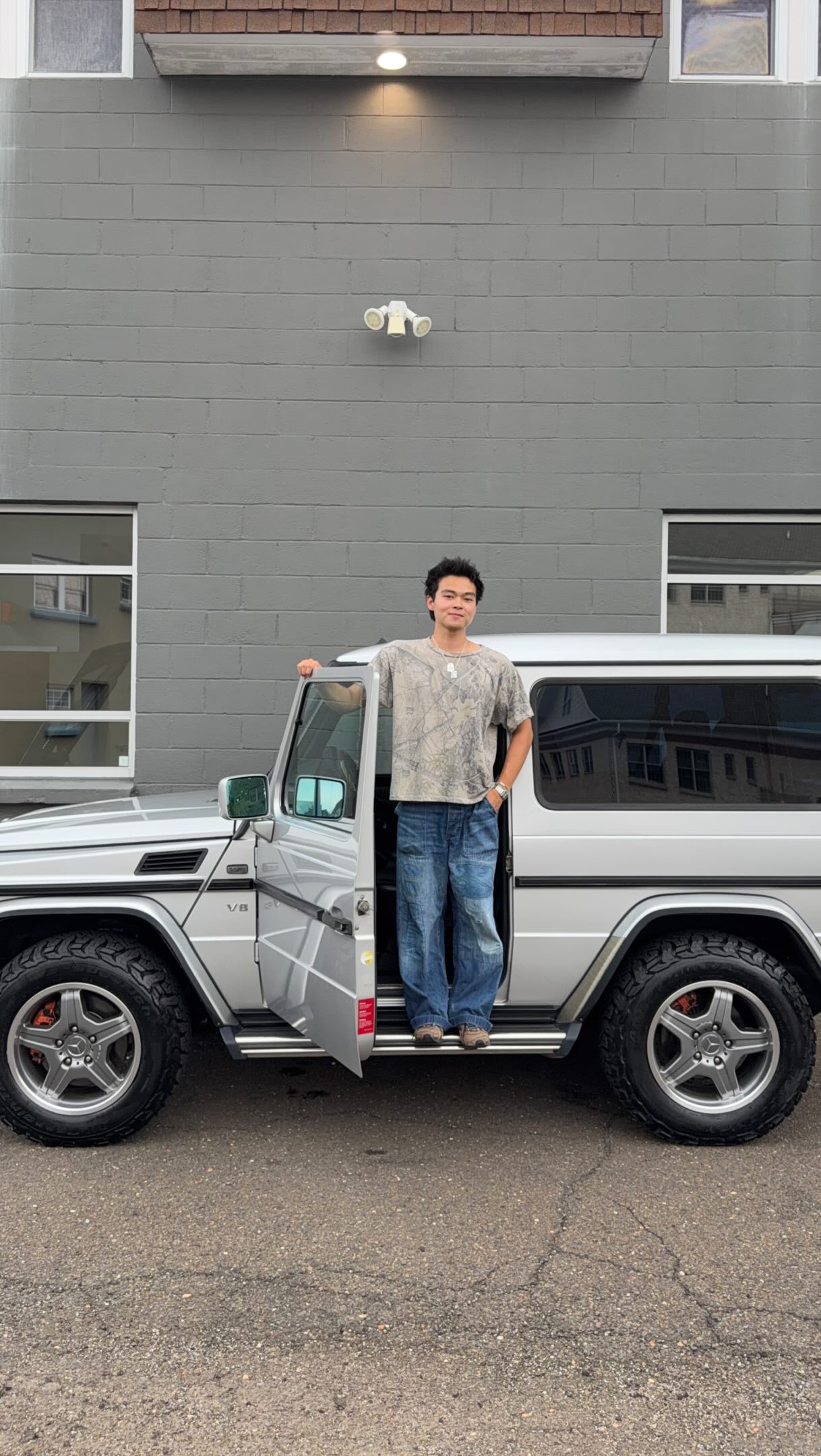
A well-composed shot of a classic silver Mercedes G-Wagen, with the creator performing the action of closing the rear door, creating immediate visual interest and movement.
[06]
Hook template
Steal this for your own video
[Exciting first step of your topic] is the fun part. [The unglamorous ongoing reality nobody plans for] is where it gets real.
— Buying a classic car is the fun part. Keeping it running is where it gets real.
— Launching a podcast is the fun part. Showing up to record every single week is where it gets real.
— Adopting a puppy is the fun part. The 6 a.m. potty breaks and chewed-up shoes are where it gets real.
[07]
Hook and payoff
The promise the opener makes, and how the video pays it back
Hook
Establish a universal dichotomy within a specific niche to create immediate relatability and define a core problem (e.g., 'The fun part is X, the hard part is Y').
Payoff
Reframe the tool's identity from a simple utility to a higher-level partner ('It's not just an assistant, it's a collaborator'), followed by a direct call to action inviting the audience to apply the solution to their own similar projects.
[08]
Narrative framework
The structural pattern this video runs on
Framework
The Project Companion Case Study
Demonstrating a tool's value by applying it to a complex, personal project and walking through its problem-solving features sequentially to build a compelling case.
1
The Personal Case Study
Ground the abstract problem in a specific, personal project, detailing the context and stakes to make the challenge tangible.
2
The Solution Introduction
Present the product/tool as an experimental solution to the specific problem just outlined, framing the rest of the video as a discovery process.
3
Feature Demo 1: Personalization
Showcase a 'soft' feature that allows for customization or personality, making the tool feel approachable and user-centric.
4
Feature Demo 2: Foundational Intelligence
Demonstrate a core capability that establishes the tool's basic competence and contextual memory, proving it can handle essential information.
5
Feature Demo 3: Proactive Value Generation
Show the tool performing a complex, research-based task that goes beyond simple commands, positioning it as an active partner that generates new insights.
6
Feature Demo 4: Dynamic Adaptation
Explain how the tool incorporates new, unforeseen information into its existing logic, highlighting its flexibility and long-term utility.
7
Feature Demo 5: System Integration
Illustrate how the tool connects with other existing workflows or applications, proving its utility within a real-world ecosystem.
Themes
Productivity
Technology
Automotive Hobby
Techniques
Voiceover
B-Roll
Screen Recording
Trends
AI Productivity Tools
Personal Case Study
Post caption
Classic car ownership just got a lot more clear.
I recently imported an older German SUV from Japan, and it’s thrown me into the deep end of classic car ownership, with registration, inspection, service, and small repairs all at the top of my mind. It’s getting a bit overwhelming, so I decided to try out @Muse, the new app from @Meta, and it’s actually made a significant difference.
My Muse keeps me on top of this project while also integrating into apps I use daily. It’s personalized to my situation and never forgets core information, so the more I use it, the better it understands the needs of myself and my car!
I honestly recommend you check it out — it might be the key to better managing your projects. #MetaPartner
[Businesses and products shown are AI-generated suggestions, not sponsored, endorsed by, or affiliated with Meta.]
Transcript
Buying a classic car is the fun part. Owning it is when the work starts. I just imported an older SUV from Japan, and there's a lot I need to do before it's road ready. So I thought I'd share my situation with Muse to see if my tasks can be better managed. Here's what I learned. First of all, your Muse is customizable, so I made mine a mechanic and named it Sparky because why not? I told it the make, model, and year of the vehicle I bought. And as it does more for me, it will always remember this key info, learning more about the car as we go along. I asked my muse to make a checklist for the first month of ownership, and I had it read through forums and browse existing content to see if it could catch something that I maybe couldn't. As new gremlins arise, which they always do, I just tell them to my muse and it factors them into its existing thought process. One of the coolest things about muse is that it can be integrated into other apps. So I connected mine to my calendar where it sets reminders for when things are due. Muse is less of an assistant and more of a collaborator. So if you're working on a big project like I am, I suggest you give it a try.