@anushcache
Instagram · Graphic Yap
@anushcache Part II: Lakmé brand ambassadors and what it said about their corporate strategy & India’s economy 📈💄

@anushcache
Instagram · Graphic Yap
@anushcache Part II: Lakmé brand ambassadors and what it said about their corporate strategy & India’s economy 📈💄
Performance
Video #47104 · Graphic Yap
[01]
The creator explains the history and marketing strategy of the Indian cosmetics brand Lakmé by analyzing its key brand ambassadors over different eras. She chronologically details its founding, its initial positioning against foreign brands using Rekha, its shift to a global image post-liberalization with Aishwarya Rai, and its move to capture the mass market with Kareena Kapoor, using vintage ads as visual evidence to connect the brand's evolution to India's economic history.
[02]
[03]
 208K4.5×Brand origin story with visuals@anushcache · Origin Story
 564.8K12.2×Explaining a brand's surprising history@anushcache · Origin Story
 585.8K13.9×Product review becomes business analysis@anushcache · Case Study Breakdown
 246K10.1×Founder presents new beauty product@sonsieskin · Product Promo
 1.2M7.7×Guessing game for brand ambassador@maccosmetics · Challenge
 474K15×Creator pitches hypothetical beauty brand@girlinbluestudios · Hypothetical Case Study
 4M11.3×What's in my bag product promo@paigelorenze · Show and Tell
 3.1M20.6×Aesthetic black and white product montage@rhode · Vibe Showcase
 7.3M5.7×Founder's Sephora sale product picks@saiebeauty · Buying List
 1.1M21.1×Founder story of skincare brand@jadebeguelin · Origin Story
 8.1M8.7×Teaser showing new product packaging@rarebeauty · Hype Teaser
 75.6K2.7×Creator celebrates product launch in Sephora@cosmeticscientistjadene · Milestone Moment Showcase
[04]
[05]
What stops the scroll in the first 3 seconds
Verbal hook · 85%
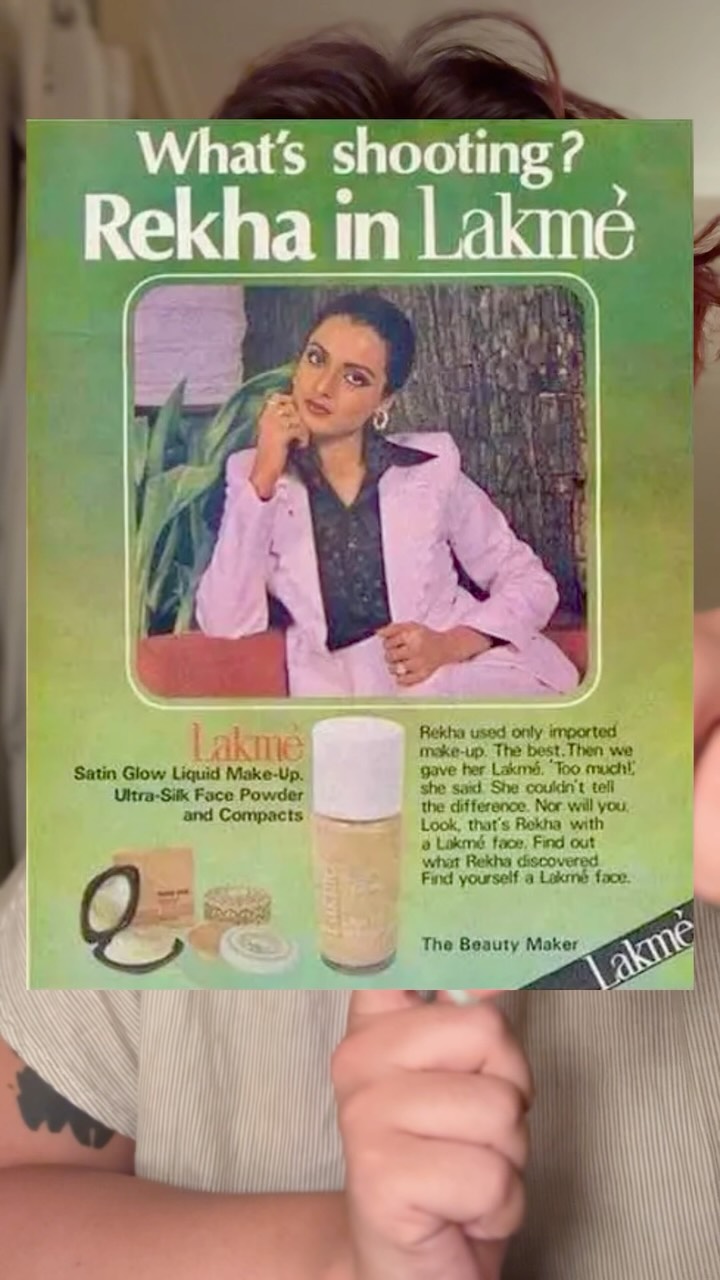
Rekha, Aishwarya Rai, and Kareena Kapoor are the three big Lakme ambassadors all the way from its history starting in 1952.
Visual hook · 15%
The creator holds up a vibrant green vintage print advertisement featuring the actress Rekha, immediately establishing the video's theme of historical ad analysis.
[06]
Steal this for your own video
, , and are the three big faces of , all the way from .
[07]
The promise the opener makes, and how the video pays it back
Hook
Presents a list of iconic figures and states a thesis that they represent a larger, untold story about history and strategy, promising a deeper analysis.
Payoff
Creates a cliffhanger by introducing a new, influential 'mystery' character from the subject's history and promising to reveal their story in a future installment, driving follows and anticipation.
[08]
The structural pattern this video runs on
Framework
The Historical Case Study
To use a chronological series of well-known figures as narrative anchors to explain the evolution of a subject (a brand, an idea, a company) in response to major external historical or cultural shifts.
The Foundational Context
Establishes the origin story of the subject, including its initial purpose, target audience, and the prevailing conditions of its time.
Era 1: The Pioneer
Introduces the first major figure and analyzes how their image and associated messaging reflected the subject's strategy within the initial historical context.
The Disruptive Pivot
Introduces a major external event (e.g., economic change, technological shift, new competition) that fundamentally changes the landscape and creates a new central conflict for the subject.
Era 2: The Response
Introduces the second major figure as a direct strategic response to the disruption, analyzing how their selection and messaging symbolized a new direction or ambition.
The Relevancy Crisis
Introduces a new, internal problem (e.g., becoming dated, losing touch with a demographic) that necessitates another strategic evolution.
Era 3: The Modernization
Introduces the third major figure as the solution to the relevancy crisis, analyzing how they were chosen to update the subject's image and broaden its appeal for a contemporary audience.
Part II: Lakmé brand ambassadors and what it said about their corporate strategy & India’s economy 📈💄
contextual · beginning
Jawaharlal Nehru
contextual · beginning
JRD Tata
informational · beginning
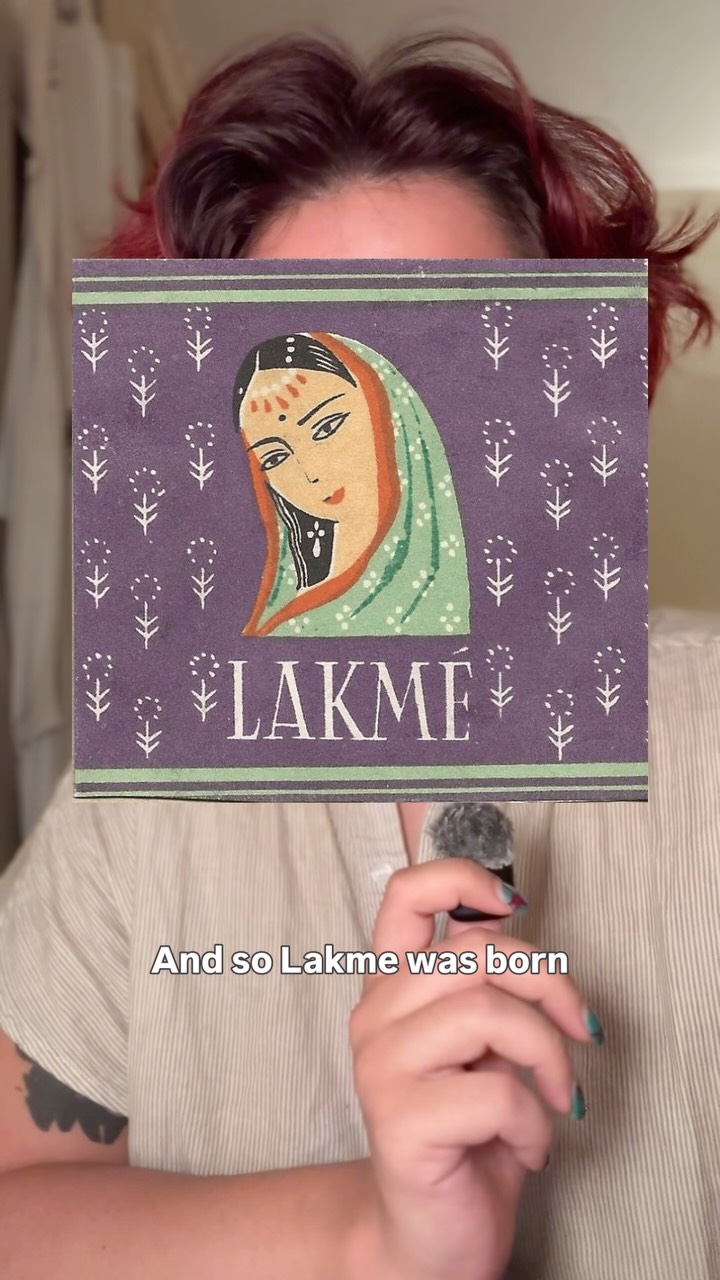
The name Lakmé is the French rendition of Sanskrit Lakshmi, the name of the Hindu goddess of wealth. An adaptation of this
informational · beginning
it was named after a French play from 1883 called Lakmé
informational · middle
Economic liberalisation in India refers to the policy changes, made mainly from 1991 onwards, that opened the Indian economy to foreign trade and investment and gave markets and private enterprises a larger role.
contextual · end
actually wondering — why does Lakmé have a fashion week show? Didn't research that, lmk in the comments if u kno
contextual · end
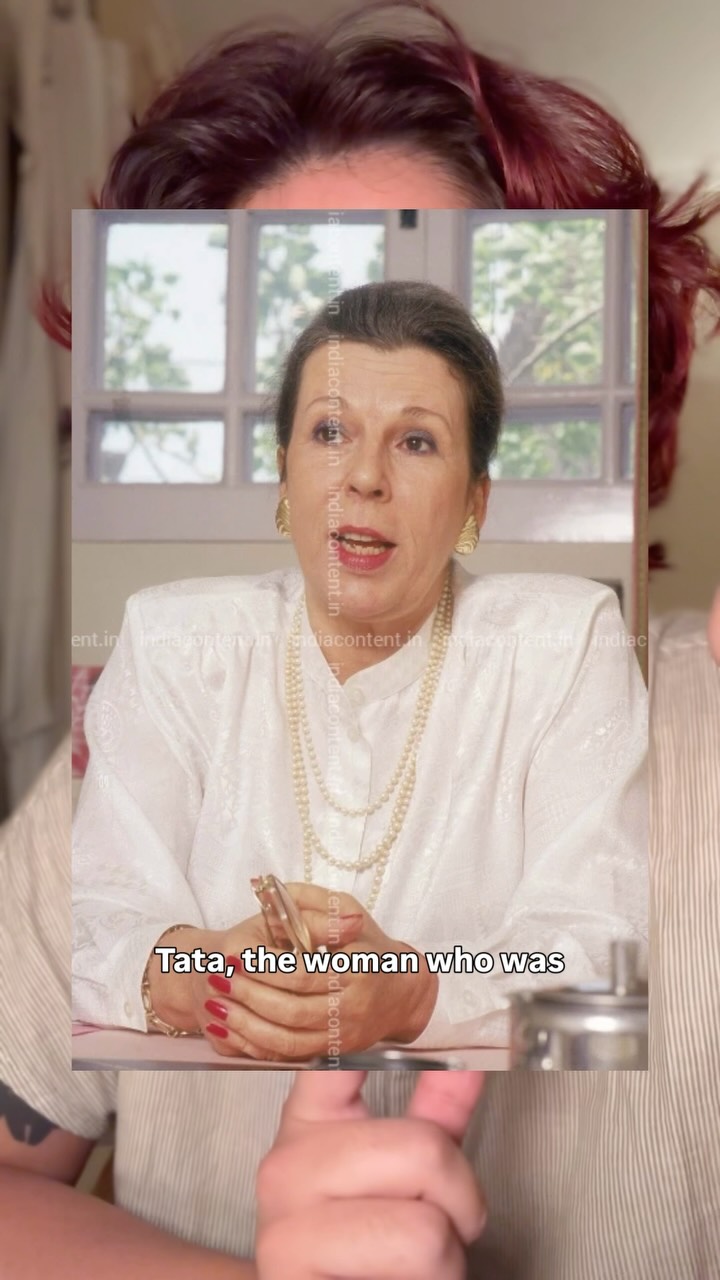
Simone Tata
informational · end
She joined as the Managing Director of Lakme in the year 1961 and hence started a new phase of entrepreneurship and what came next. Success never made late for Simone Tata. In the year 1982, she was promoted to the post of Chairperson of Lakme. And sooner in 1989, she was appointed to the board of the Tata Industries.
informational · end
Simone Tata is widely credited with transforming Lakmé from a small subsidiary into a highly profitable and successful cosmetics empire.
branding · end
anushcache anushka
Rekha, Aishwarya Rai, and Kareena Kapoor are the three big Lakme ambassadors all the way from its history starting in 1952. And their image in being Lakme girls tells us a lot about the company's corporate strategy and Indian history. So let's take a look. So Lakme was started in 1952 because Nehru called Up Tier and asked for an Indian homegrown cosmetics brand. If you wanna know more about the history, you should watch my previous video. Now Lakme initially started for upper class women because we didn't want them spending their money outside the country on foreign competitors. And so if you look at a couple of these old ads, you will really see how they're trying to play this we are just as good as international brands. The name Lakme is also French for Lakshmi because they did want some Indianness, but also some foreign prestige. But the first big Bollywood ambassador for Lakme was in 1979 with Rekha. And look how hard she is slaying on this ad. Once again, the copy of the ad talks about how she she can't even tell the difference between this and foreign beauty brands. Then Hop skipped to the tier and liberalization happened, which means that India became a capitalist economy and opened up to the world. In an era when Revlon and Maybelline were entering the country and trying to eat Lakme's lunch, the message that India wanted to send out is that we can hold our ground and be at the same level as other countries. And no, Aishwarya Rai became the face of Lakme. That made a lot of sense because she had just come off her win as Miss World nineteen tier. Really giving the message that India cannot be pushed over on a global stage. And look how much country is serving in this ad, in this ad, in this ad. Who was doing it like Aishwarya Rai? Fast forward to 2011 and Lakme was falling off. It wasn't popular with the young generation, but more seen as the makeup brand that their mothers and grandmothers used. And so came in Kareena Kapoor at the peak of her fame. Kareena Kapoor was perfect because she has this bougie high end aura to her, but mass appeal enough across economic classes. And by this time, Lakme wasn't just a foreign alternative for upper class women. Lakme had really spent decades breaking the taboo of using makeup in Indian society. And by this tier, they were really hitting the mass market. She even walked for Lakme Fashion Week rank absolutely slayed as a showstopper. She's still technically the main ambassador, but Lakme has done campaigns with different Bollywood stars and models. And by the way, the Lakme brand ambassador started in the tier when this mystery woman was the one who took over Lakme's corporate strategy and made them profitable for the first time ever. We'll talk about her in the next video, so don't forget Follow me.