@anushcache
Instagram · Graphic Yap
@anushcache Part I: how India’s first homegrown beauty brand started in the 1950s 💄 ✨ outfit deets: top: @mujiindia earrings: @swarovski lip combo: liquid IV @nyxcosmetics_in

@anushcache
Instagram · Graphic Yap
@anushcache Part I: how India’s first homegrown beauty brand started in the 1950s 💄 ✨ outfit deets: top: @mujiindia earrings: @swarovski lip combo: liquid IV @nyxcosmetics_in
Performance
Video #47193 · Graphic Yap
[01]
The creator tells the origin story of the Indian beauty brand Lakmé, starting with the French play that inspired its name. She explains how Prime Minister Nehru commissioned JRD Tata to create a homegrown cosmetics brand to combat a foreign exchange crisis in post-independence India, details the strategic reasoning behind the name 'Lakmé', and showcases vintage ads to conclude.
[02]
[03]
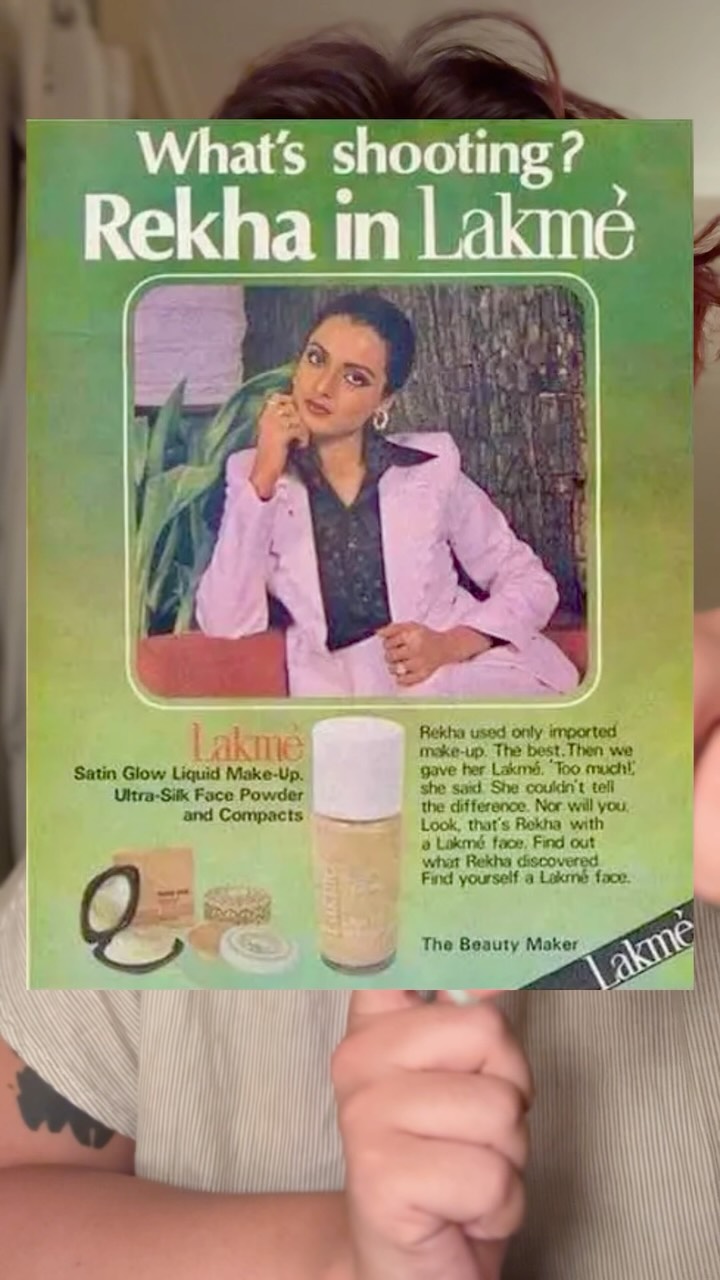 210.1K4.7×Brand history through vintage ads@anushcache · Case Study Breakdown
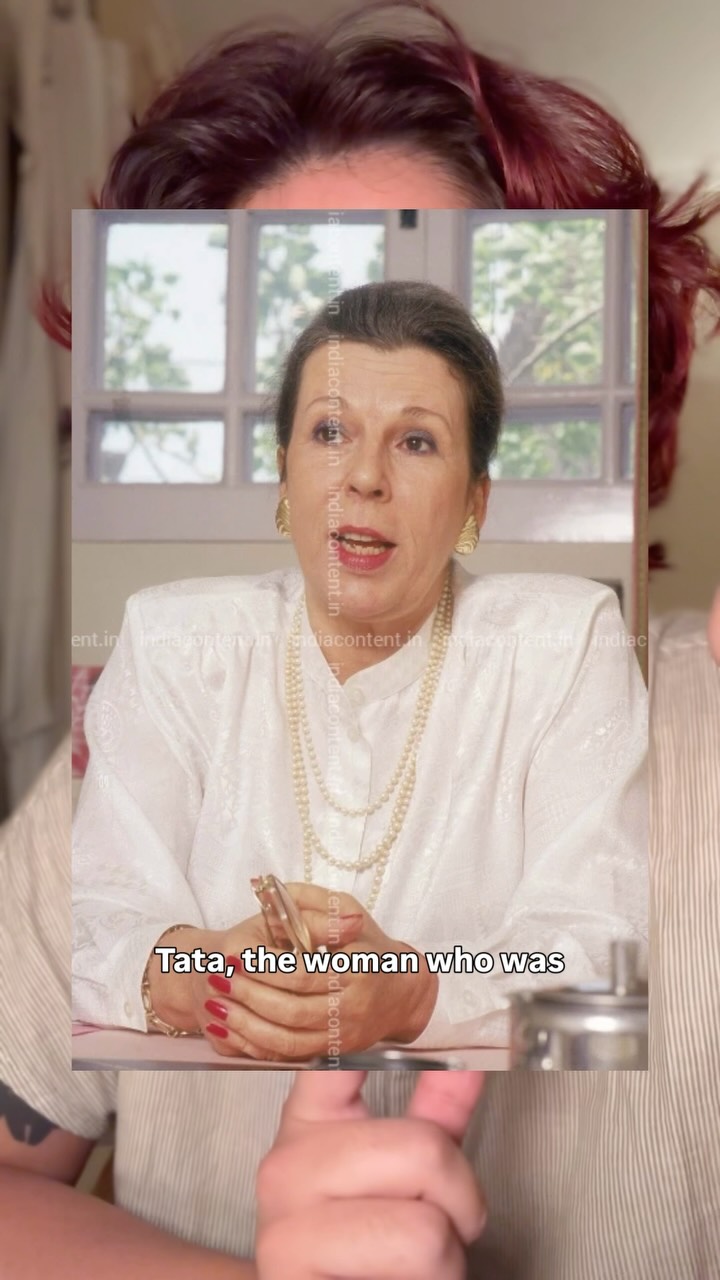 564.8K12.2×Explaining a brand's surprising history@anushcache · Origin Story
 4M11.3×What's in my bag product promo@paigelorenze · Show and Tell
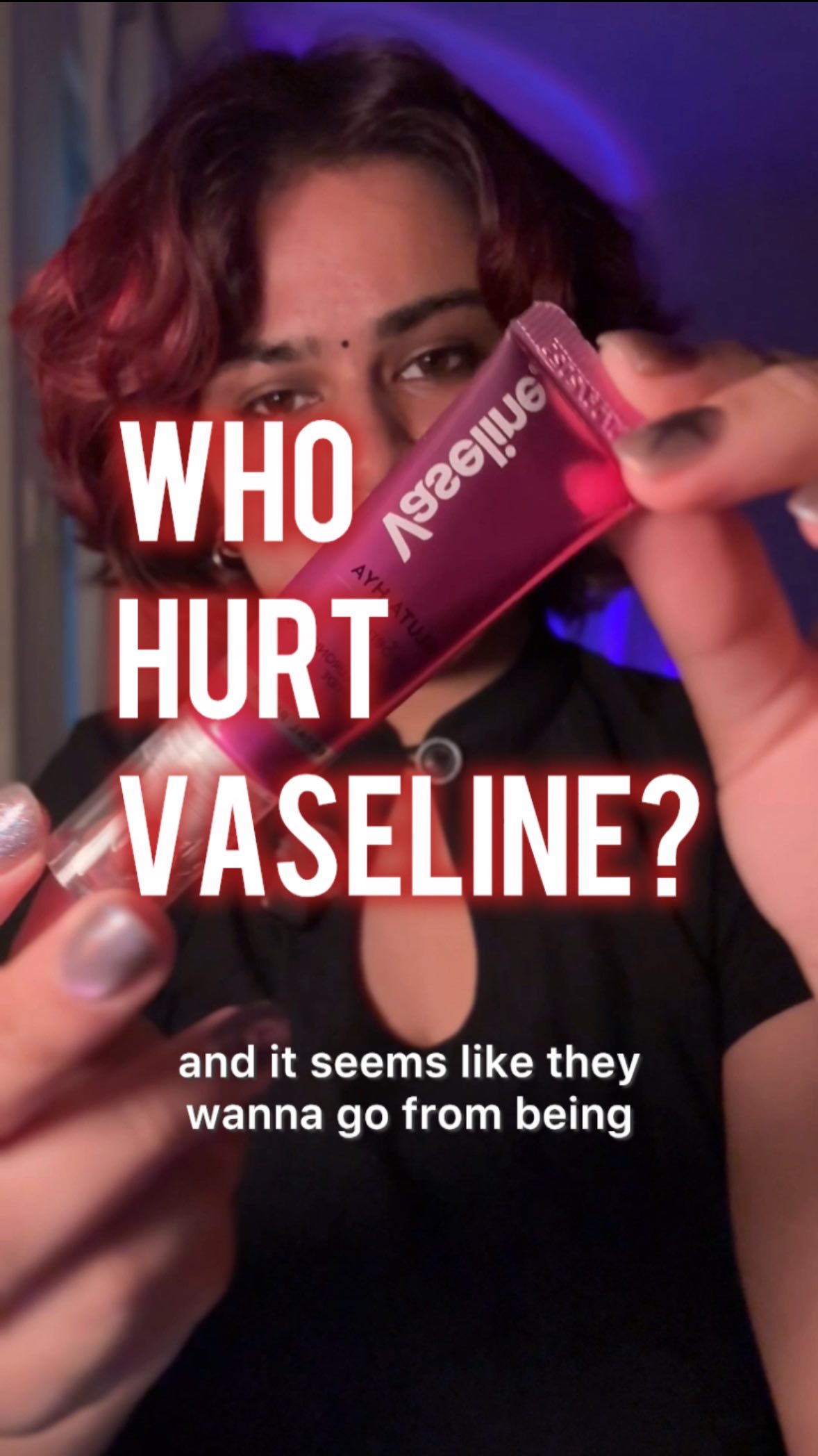 585.8K13.9×Product review becomes business analysis@anushcache · Case Study Breakdown
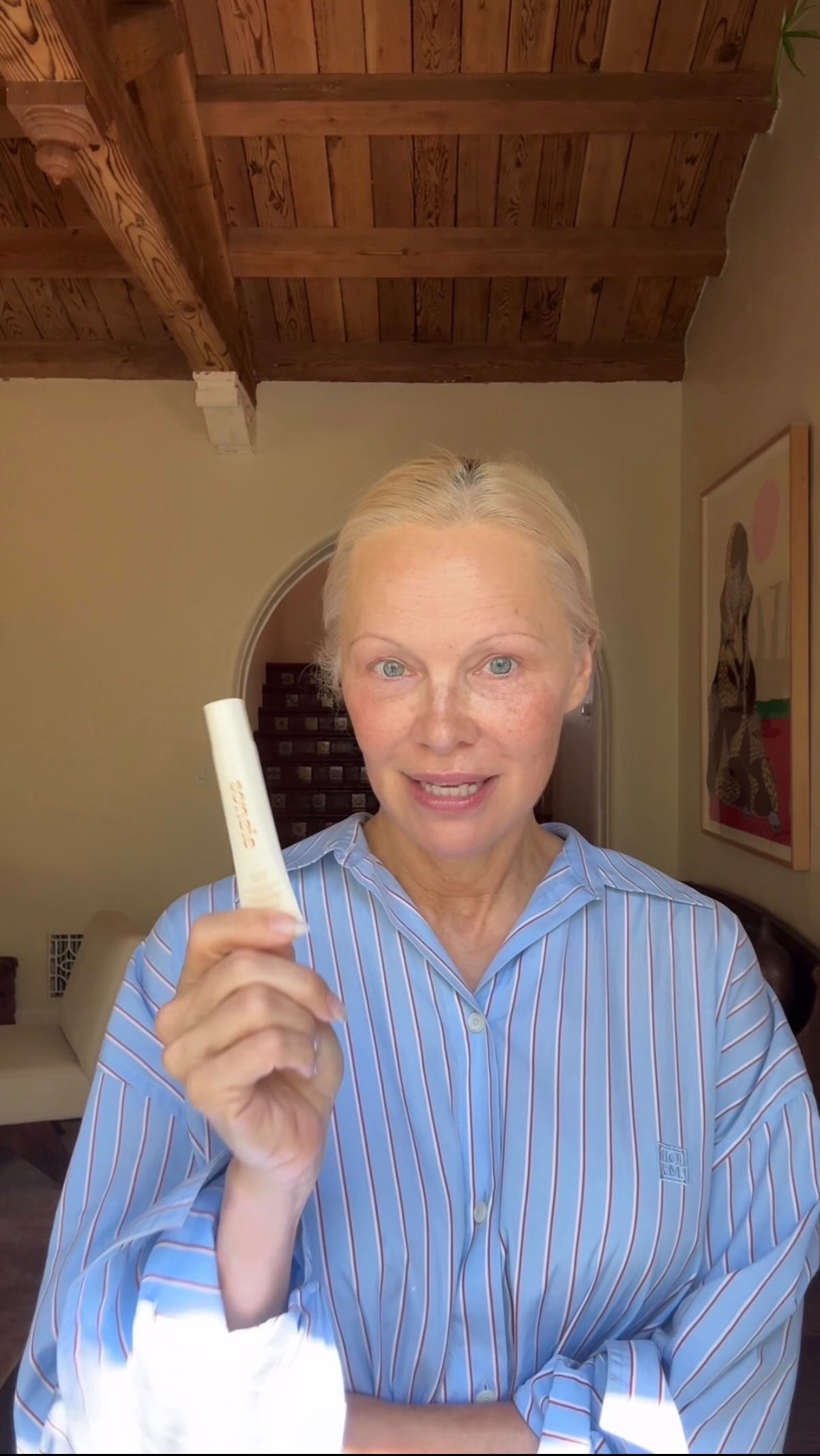 246K10.1×Founder presents new beauty product@sonsieskin · Product Promo
 1.1M21.1×Founder story of skincare brand@jadebeguelin · Origin Story
 100.2K2.1×Choosing and applying lip gloss@camillemontagnac · Product Showcase
 876.7K35.8×Aesthetic product relaunch announcement@nyxcosmetics · Q&A Response
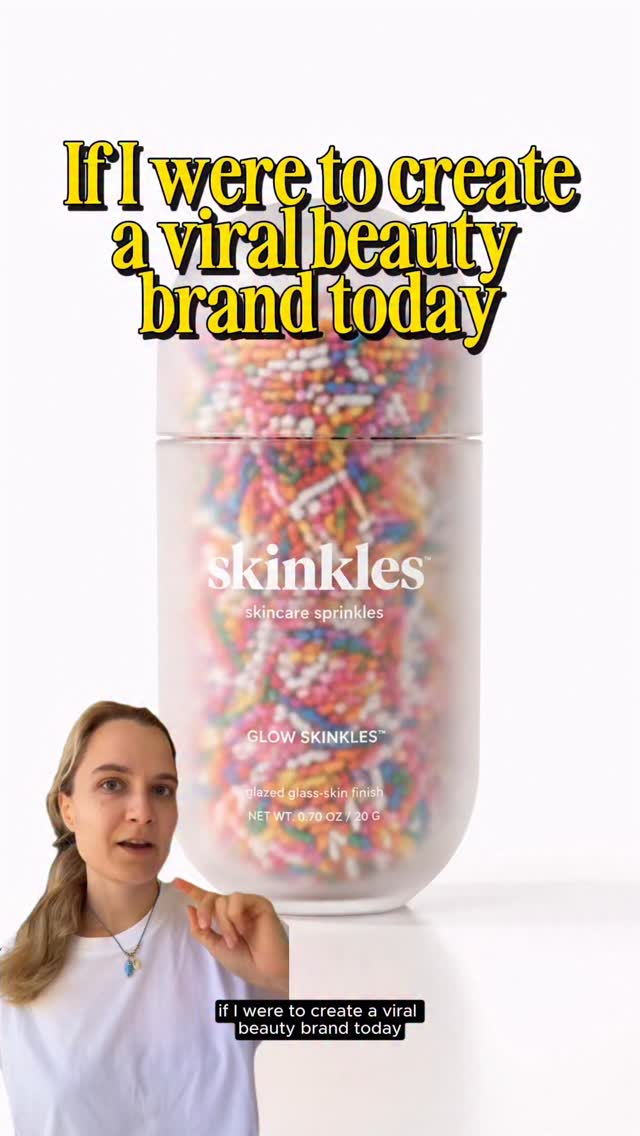 474K15×Creator pitches hypothetical beauty brand@girlinbluestudios · Hypothetical Case Study
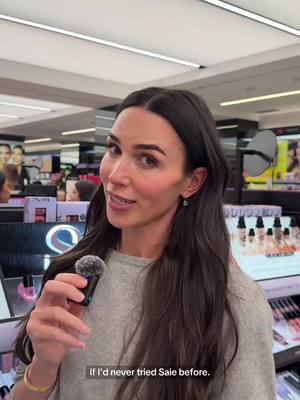 7.3M5.7×Founder's Sephora sale product picks@saiebeauty · Buying List
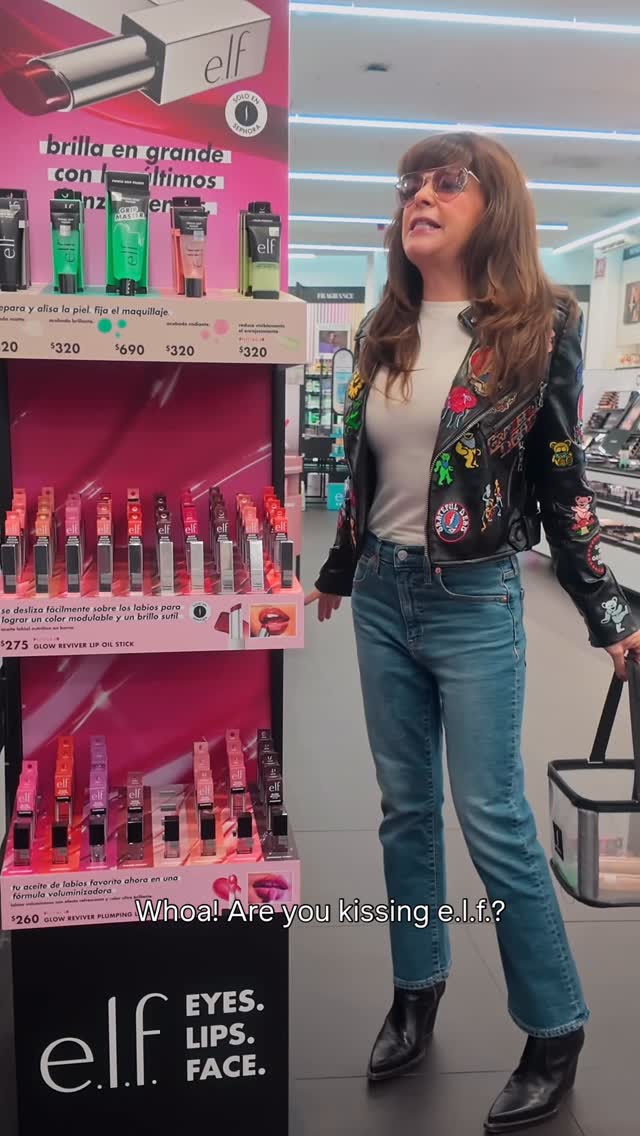 4.5M36.6×Dramatic creator shops makeup essentials@sephoramx · Product Promo
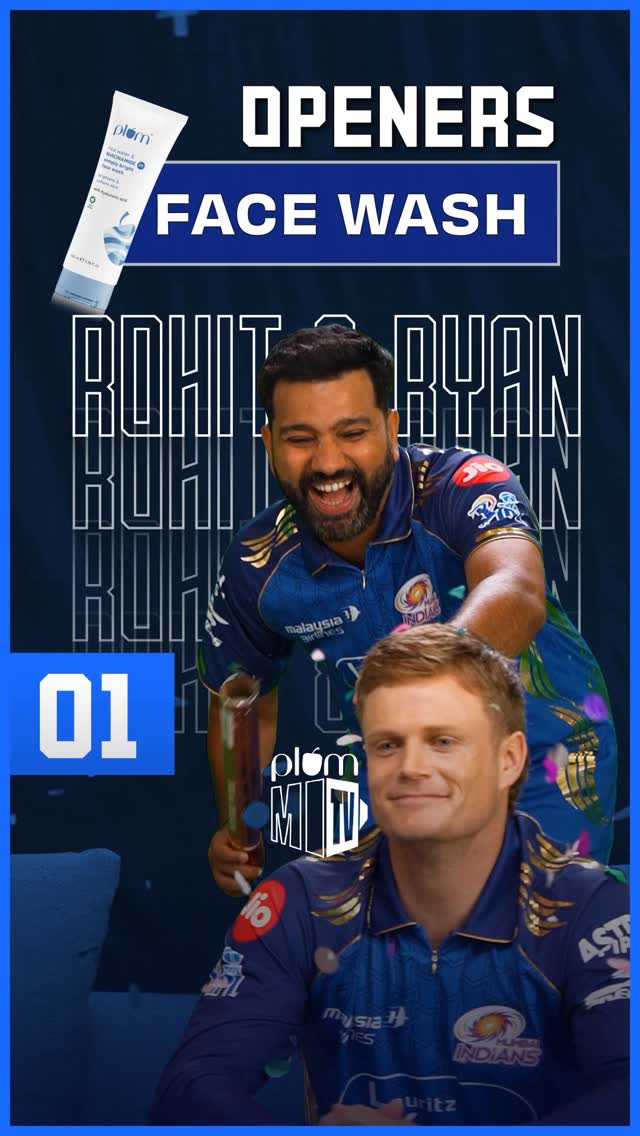 2.2M52.7×Sports lineup format for skincare@mumbaiindians · Showcase
[04]
[05]
What stops the scroll in the first 3 seconds
Verbal hook · 100%
A Brahmin Pandit's daughter falls in love with a British army officer pre independence and Lakme is born.
Visual hook
A medium close-up of the creator speaking directly to the camera, with distinctive red hair and holding a small, fuzzy microphone close to her face.
[06]
Steal this for your own video
in , and is born.
[07]
The promise the opener makes, and how the video pays it back
Hook
An intriguing, story-like premise that frames the subject's origin in a dramatic or fictional way to capture immediate attention.
Payoff
A visual montage of related, aesthetically pleasing archival material that serves as a cliffhanger, explicitly promising a follow-up installment and providing a strong call-to-action to follow for more.
[08]
The structural pattern this video runs on
Framework
The Secret History Blueprint
Reveal the surprising, high-stakes origin story of a familiar subject by first presenting a romanticized or fictional hook, then pivoting to the true, more complex problem-and-solution narrative.
The Fictional Hook
Open with a compelling but ultimately misleading narrative that sounds like a movie plot, creating immediate curiosity.
The Historical Pivot
Correct the initial narrative with a key factual detail (like a date or a source), transitioning the story from fiction to a historical account.
The High-Stakes Context
Introduce the real-world problem and the major figures involved, establishing that the subject's creation was a response to a significant challenge.
The Problem Interrogation
Pose a rhetorical question that anticipates and addresses audience skepticism about the subject's importance, thereby framing the central conflict.
The Root Cause Analysis
Explain the underlying mechanics of the problem in simple, understandable terms, providing the 'why' behind the crisis.
The Strategic Resolution
Reveal the creation of the subject as the deliberate and logical solution to the previously established national-scale problem.
The Naming Deconstruction
Provide an additional layer of 'insider' information by explaining the etymology and strategic reasoning behind the subject's name.
Part I: how India’s first homegrown beauty brand started in the 1950s 💄 ✨ outfit deets: top: @mujiindia earrings: @swarovski lip combo: liquid IV @nyxcosmetics_in
contextual · middle
Jawaharlal Nehru
contextual · middle
JRD Tata
informational · middle
The name Lakmé is the French rendition of Sanskrit Lakshmi, the name of the Hindu goddess of wealth. An adaptation of this
branding · end
anushcache anushka
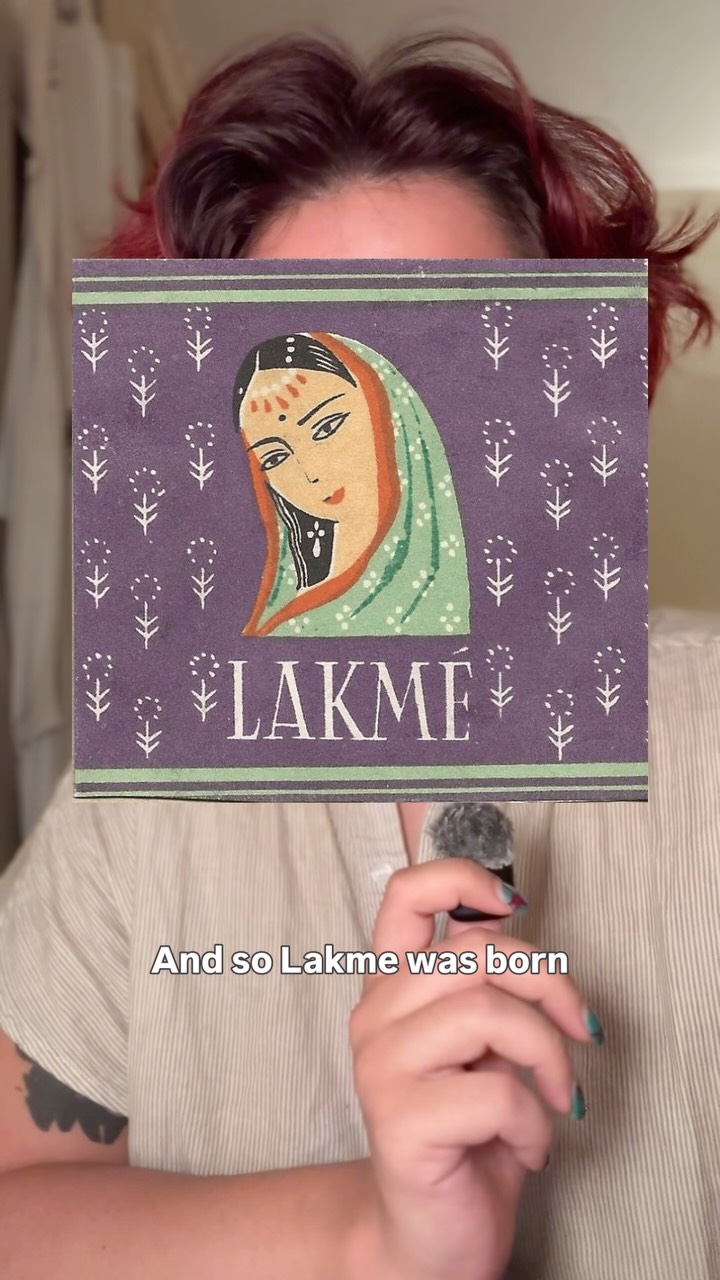
A Brahmin Pandit's daughter falls in love with a British army officer pre independence and Lakme is born. Yes, the Indian beauty brand Lakme was started in 1952 and it was named after this French play. It was started post independence because Nehru called up Tata and asked him to create a homegrown Indian beauty brand because the Indian economy was suffering. But in a state of economic emergency, why does it matter to make cosmetics for women? So better independence, India was facing a foreign exchange crisis, which means that it couldn't afford to let money leave the country. And a lot of upper class women were spending their money on foreign beauty brands. And so Nehru felt that there was a need for an Indian competitor to keep the money in the country. And so Lakme was born. And yes, Lakme is French for Lakshmi. It was named after this play, and the name was used because it sounds Indian enough, but not exactly, one, to not hurt religious sentiments, and two, to appeal to an audience who preferred shopping foreign. I found a bunch of vintage Lakmei ads that good so beautiful that we will talk about in the next video. So follow me for more.