@blackstone
Instagram · Clip
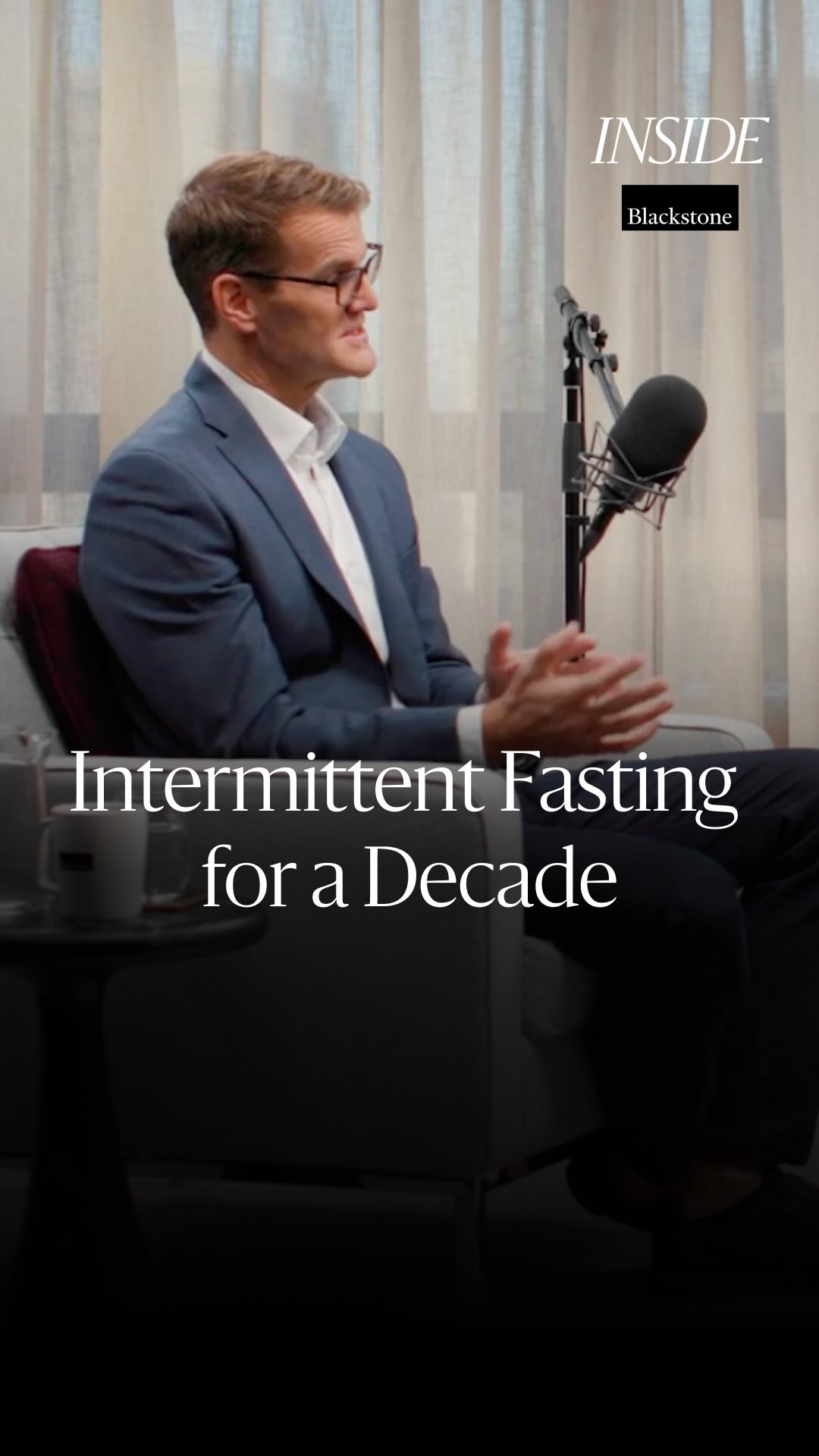
@blackstone No food on Mondays or Thursdays for almost 10 years. On the Inside Blackstone podcast, Moderna President Dr. Stephen Hoge shares why he believes in intermittent fasting.

@blackstone
Instagram · Clip
@blackstone No food on Mondays or Thursdays for almost 10 years. On the Inside Blackstone podcast, Moderna President Dr. Stephen Hoge shares why he believes in intermittent fasting.
Performance
Video #47395 · Clip
[01]
In a podcast clip, an interviewer asks guest Dr. Stephen Hoge about his habit of fasting. He confirms he has been practicing intermittent fasting for almost ten years by not eating on Mondays and Thursdays. He then explains the evolutionary and scientific rationale behind the practice, stating that human bodies weren't designed to be constantly processing food and that our energy systems need a break. He concludes by discussing the mental benefit of realizing that the constant thought of food is just 'noise' that can be turned off with practice.
[02]
[03]
 1M35.4×Expert shares advice on productivity@a16z · Anecdotal Philosophy
 108.1K84.9×Explaining the health information paradox@bhadshah_khango · Breakdown
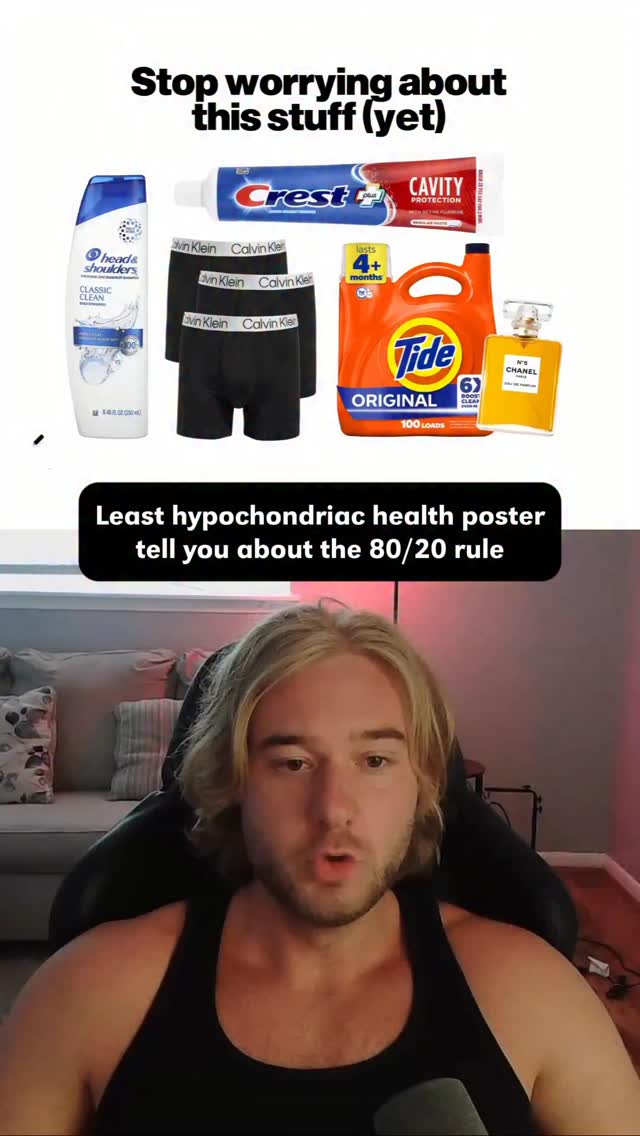 131.5K7×Creator debunks minor health worries@reecebrah · Hot Take
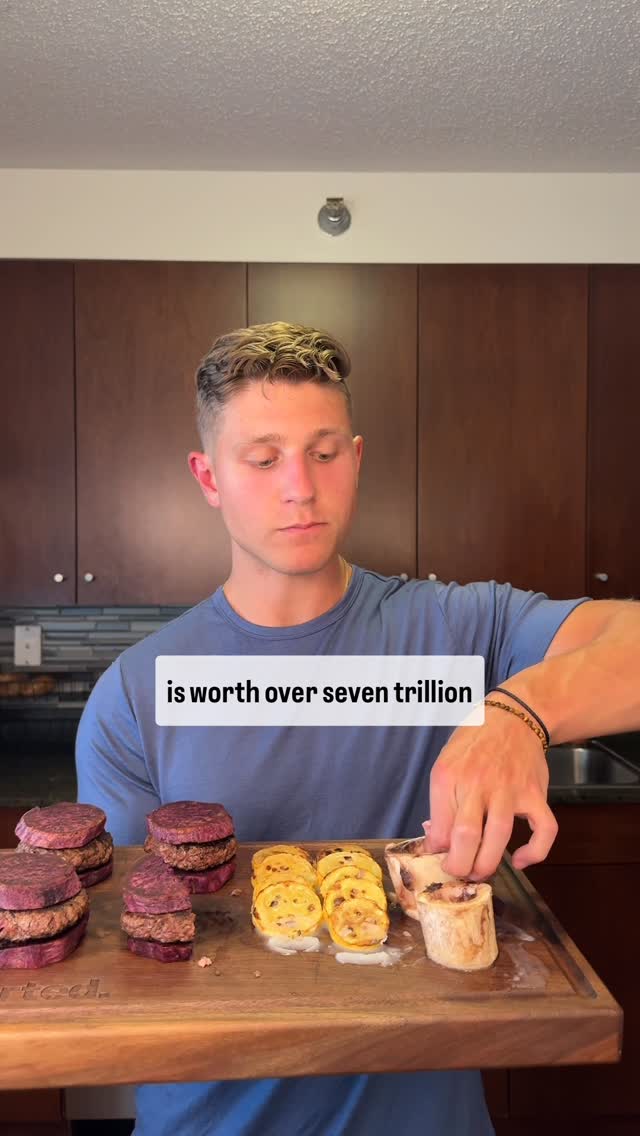 317.1KNumbered list of health fundamentals@joeysorts · Rapid Fire Listicle
 1M1.2×Exercise physiologist argues fitness shouldn't be your whole identity@bradley.thor · Anecdotal Philosophy
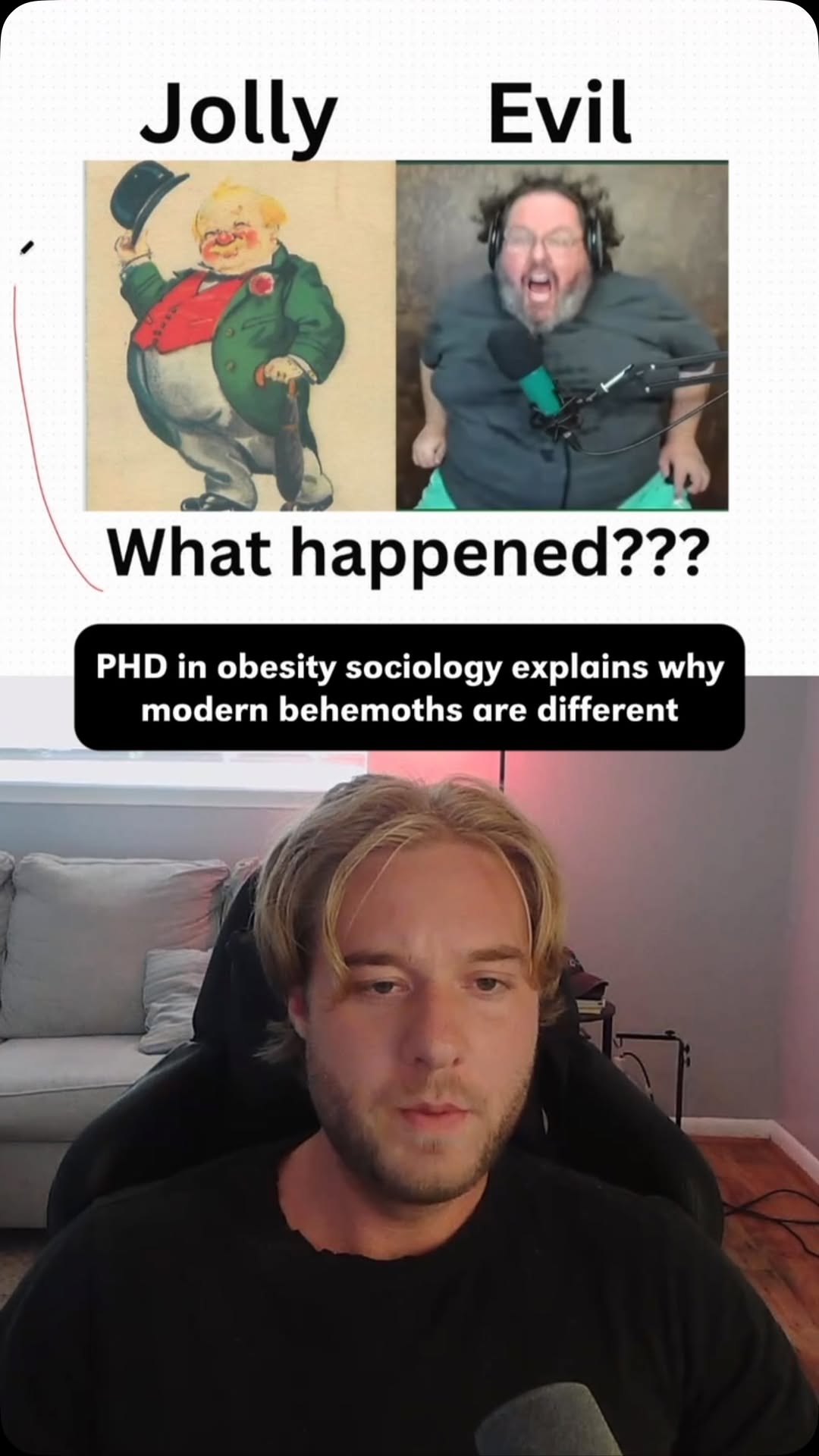 177.5K19.1×Diet theory on personality change@reecebrah · Breakdown
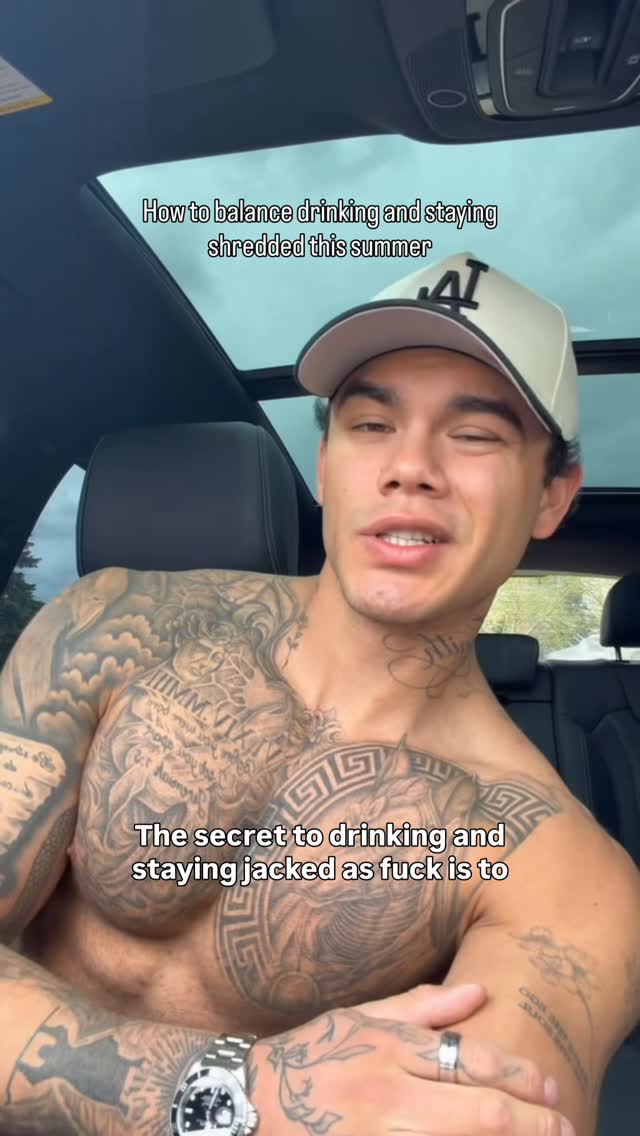 912.6K76.5×Car rant about fitness drinking@drewsxvision · Cultural Rant
 2.4M6×Creator asks a weird question@bobbykazz · Pope In The Pool Multitask
 717.6K10.8×Satirical plea to health influencer@bigjohngolfs · Character Impersonation
 729.4K9.3×Humorous car rant about food@higherupwellness · Cultural Rant
 944.1K36.3×Podcast clip explains success secret@higherupwellness · Motivational Mantra
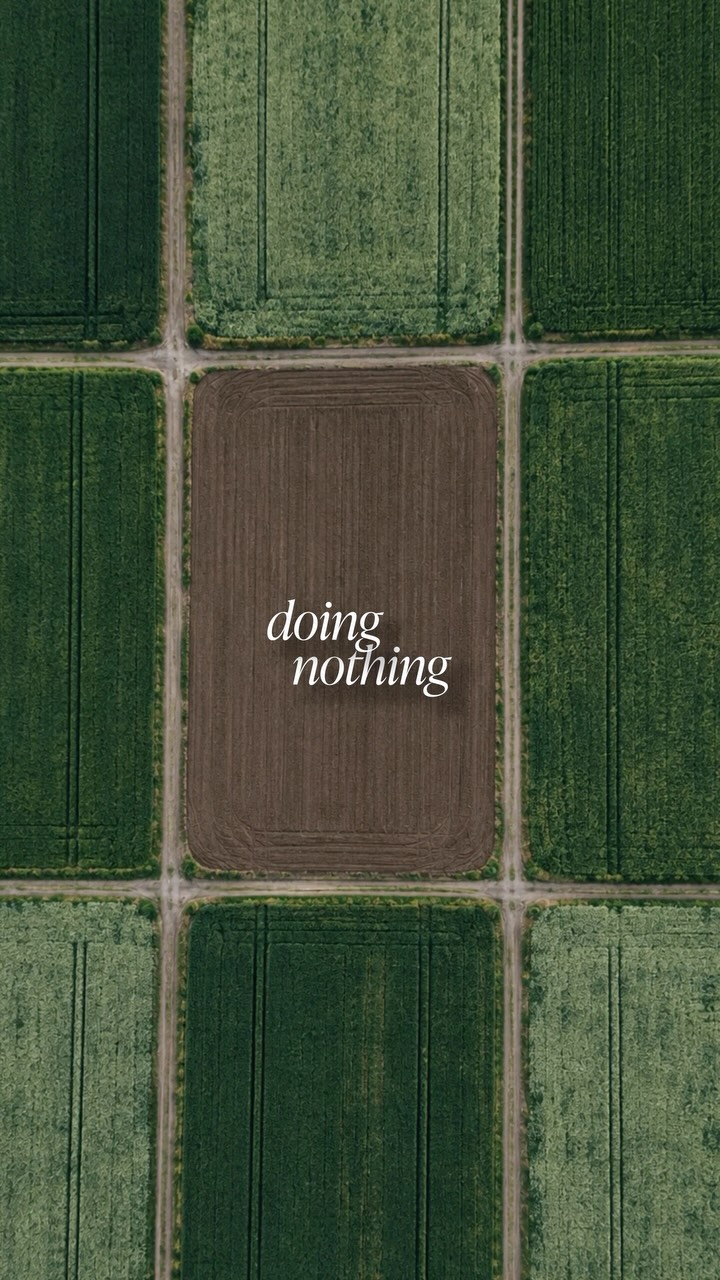 247.9K14.6×Farming metaphor for mental rest@itsemilyhiggins · Opportunity Explainer
[04]
[05]
What stops the scroll in the first 3 seconds
Title hook · 60%
Ten Years of Fasting
Verbal hook · 35%
I always find it so interesting to ask very successful people about their personal habits.
Visual hook · 5%
The video opens with a split-screen layout, showing two different people (the interviewer and the guest) in separate panels, which is a visual pattern interrupt from a standard single-person shot.
[06]
Steal this for your own video
of
[07]
The promise the opener makes, and how the video pays it back
Hook
Frame a question about a specific, counter-intuitive habit as a potential 'secret to success' to create immediate intrigue and a knowledge gap.
Payoff
The narrative concludes by reframing the difficult habit as an effortless, automatic state of being, solidifying its status as an aspirational goal and providing a sense of enlightened resolution.
[08]
The structural pattern this video runs on
Framework
The Counter-Intuitive Habit Blueprint
An authoritative figure reveals an unusual personal habit, then justifies it with a high-level rationale and a surprising psychological benefit, reframing a perceived hardship as a path to mastery.
The Confirmation & Amplification
The subject validates the premise by confirming the habit and then escalates its significance by revealing its true, often more extreme, duration or intensity. This proves the hook wasn't clickbait and deepens the mystery.
The Foundational Rationale
The subject provides a broad, easily digestible justification for the habit, rooted in a high-concept idea like science, history, or evolution. This establishes a logical framework for the unconventional behavior.
The Modern Contradiction
The subject contrasts the foundational rationale with a common, relatable modern behavior, positioning the habit as a corrective solution to a widespread, often unnoticed, problem.
The Transcendent Benefit
The subject reveals an unexpected and desirable psychological, mental, or 'metaphysical' benefit that goes beyond the obvious practical outcomes. This elevates the habit from a simple life hack to a form of self-mastery.
No food on Mondays or Thursdays for almost 10 years. On the Inside Blackstone podcast, Moderna President Dr. Stephen Hoge shares why he believes in intermittent fasting.
title · beginning
Ten Years of Fasting
branding · throughout
INSIDE Blackstone
branding · end
INSIDE Blackstone AVAILABLE ON
I always find it so interesting to ask very successful people about their personal habits. I heard you're fasting today that you fast every Thursday. Is that true? I've been a internet... Intermittent better. So I don't eat food on Mondays and Thursdays. I haven't done it for almost ten years. I happen to have really fallen in with the science of, intermittent fasting. I I believe very deeply in that... Tell me tell me tell me more. Well, go back to evolution. Most of life wasn't evolved to be bathed in food all the tier. Better that's the lives we've created for worse. Three square meals a day, you know, a snack whenever you want it. Our energy systems need a break. The interesting thing about it is, you realize, how that food noise was just noise. It... People look at me like it's something strange. I don't even think about it. I woke up on Thursday, and I'm not gonna eat for twenty four hours, and it didn't... It doesn't even occur to me. There's a little bit of a metaphysical component for me of of realizing that you can just turn off that noise with practice.