@colossus.production
Instagram · Faceless
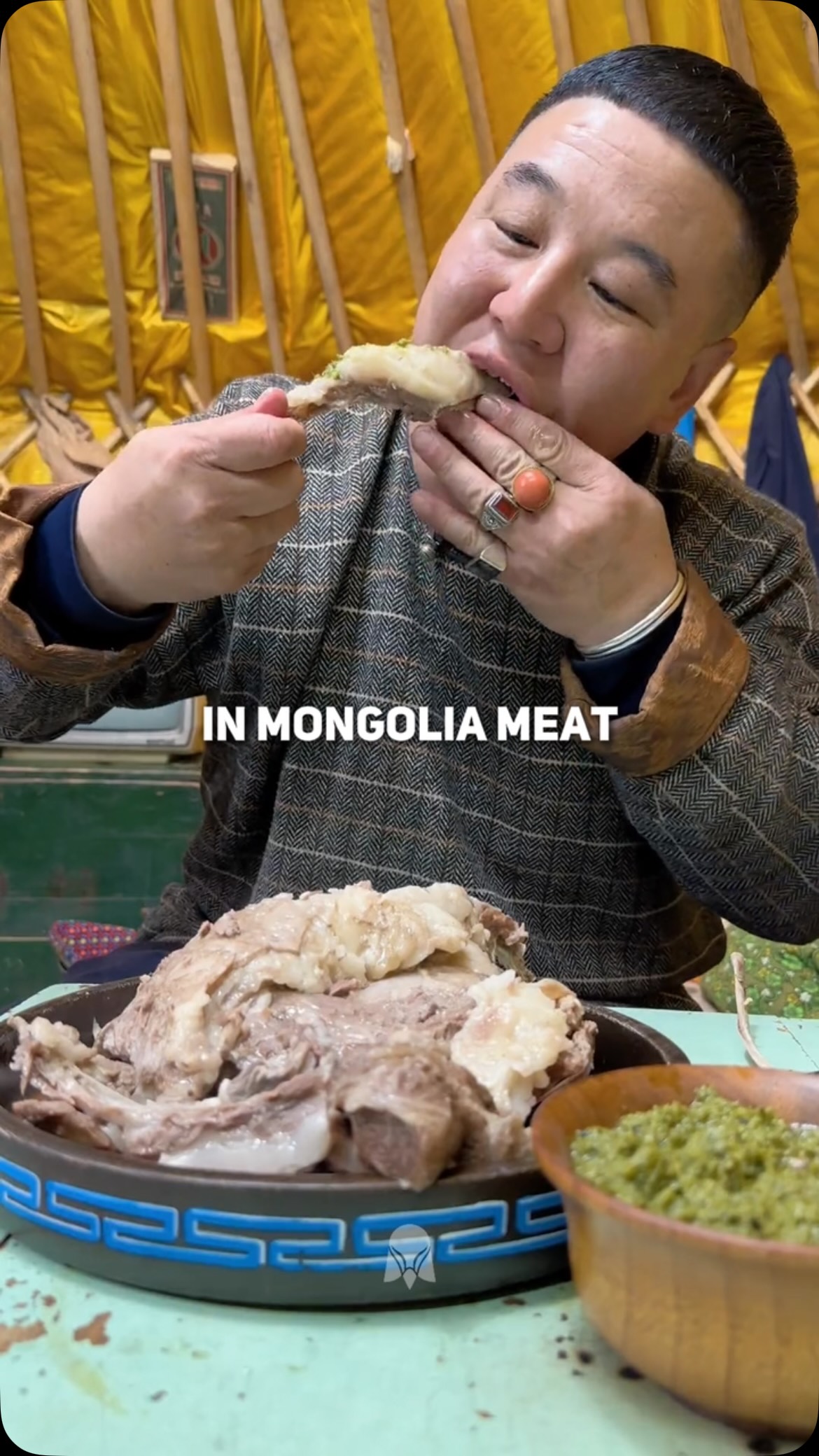
@colossus.production Why Meat Is Cheaper Than Coffee in Mongolia.

@colossus.production
Instagram · Faceless
@colossus.production Why Meat Is Cheaper Than Coffee in Mongolia.
Performance
Video #48016 · Faceless
[01]
The creator uses a voiceover and a montage of clips to explain the meat-centric diet of Mongolia. The video showcases people eating various meat dishes, large herds of livestock, and different preparation methods, while explaining the cultural and environmental reasons for this diet, such as the vast steppes, large livestock population, and the need for high-energy food to survive harsh conditions.
[02]
[03]
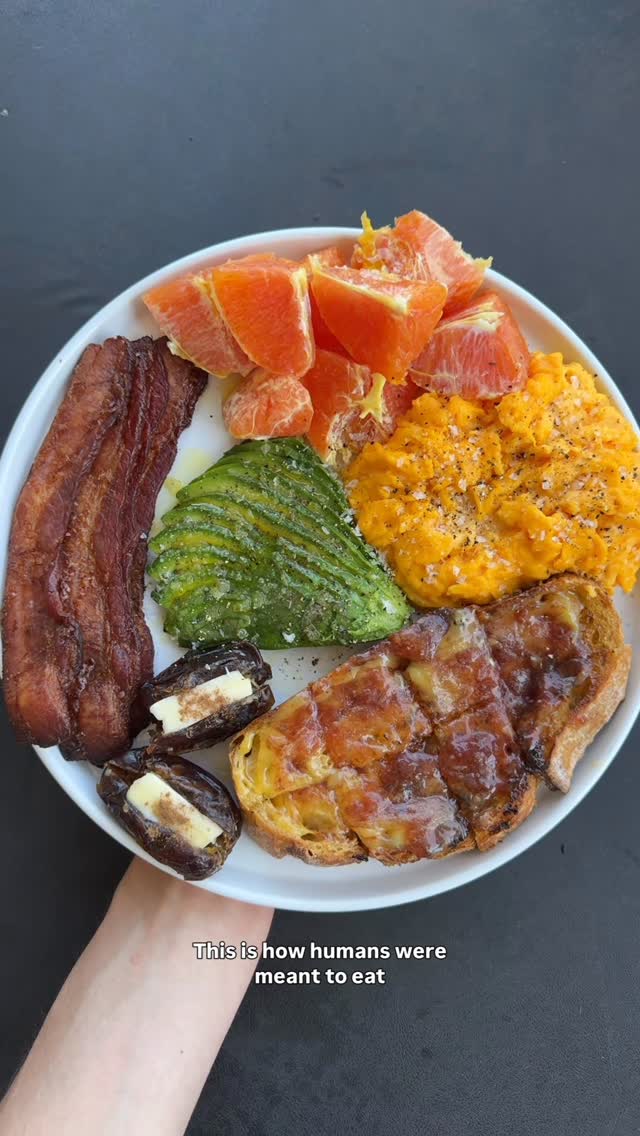 402.2K14.8×Showcase of ancestral diet plate@jared1s · Lifestyle Showcase
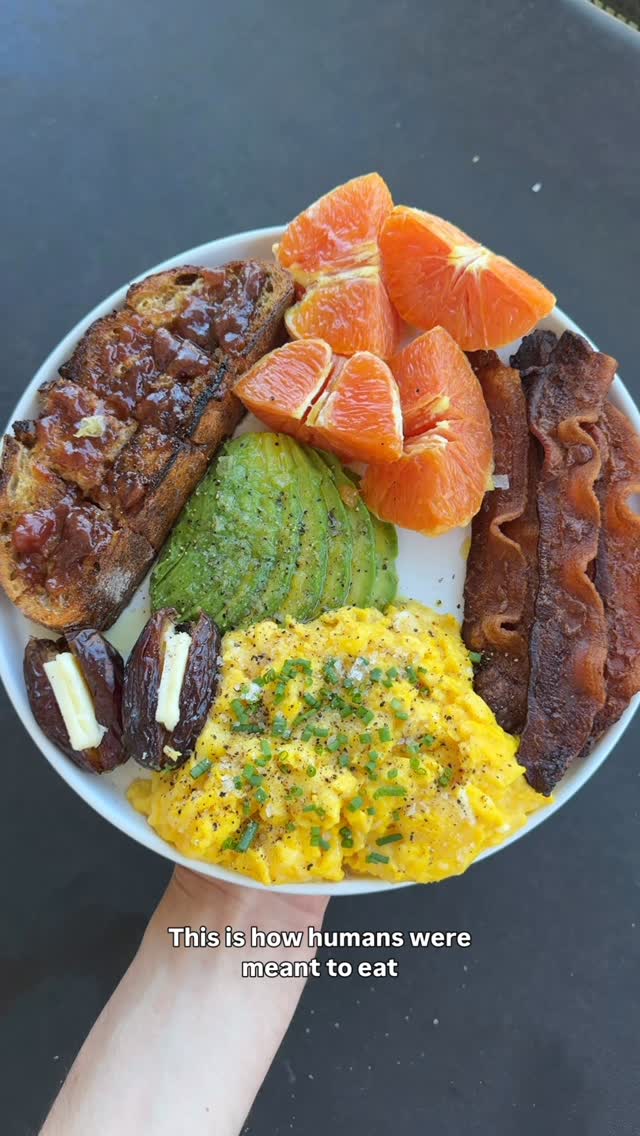 227.9K7.6×Voiceover detailing healthy meal components@jared1s
 645.1K15.3×Showcasing a day of meals@jared1s · Day In The Life
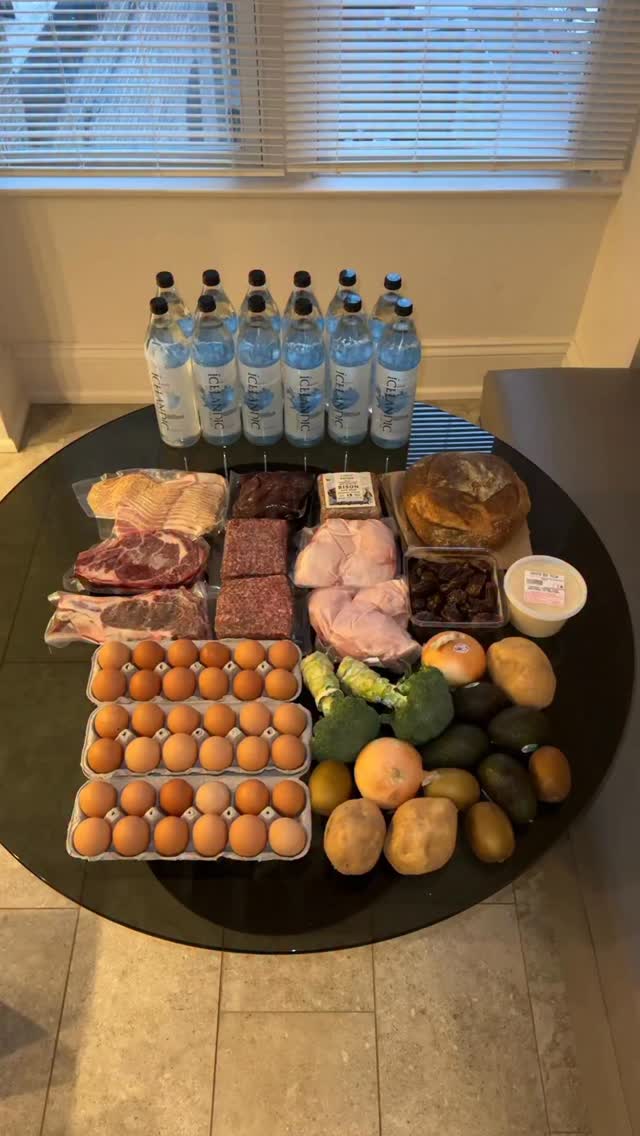 3.9M4×Creator itemizes weekly food haul@jared1s · Lifestyle Showcase
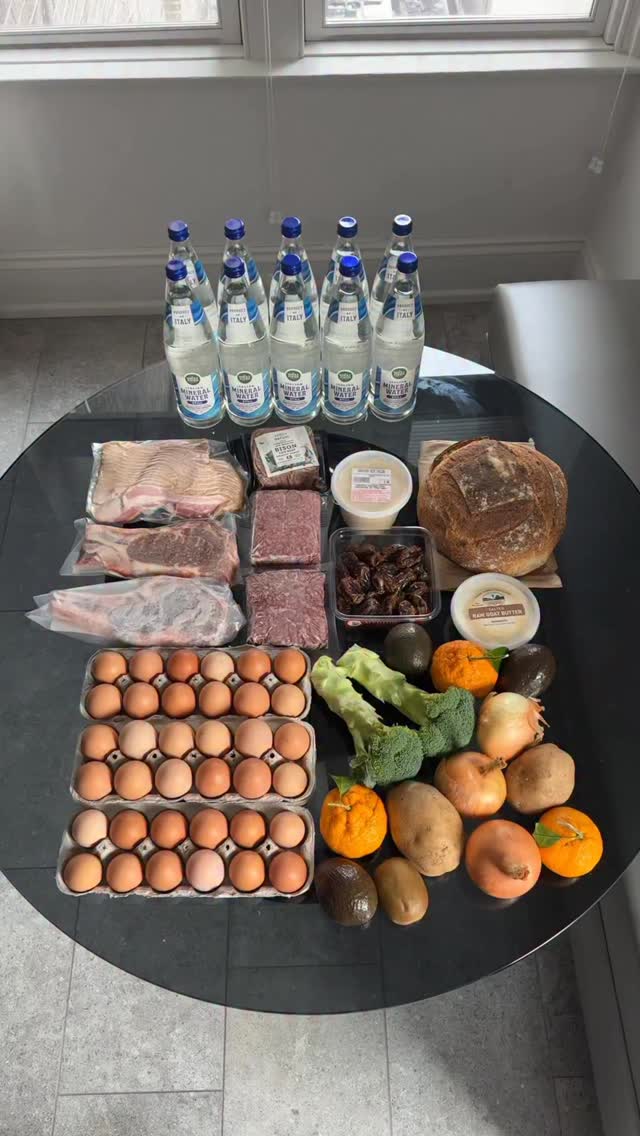 356.7K3.7×Creator showcases weekly grocery haul@jared1s · Lifestyle Showcase
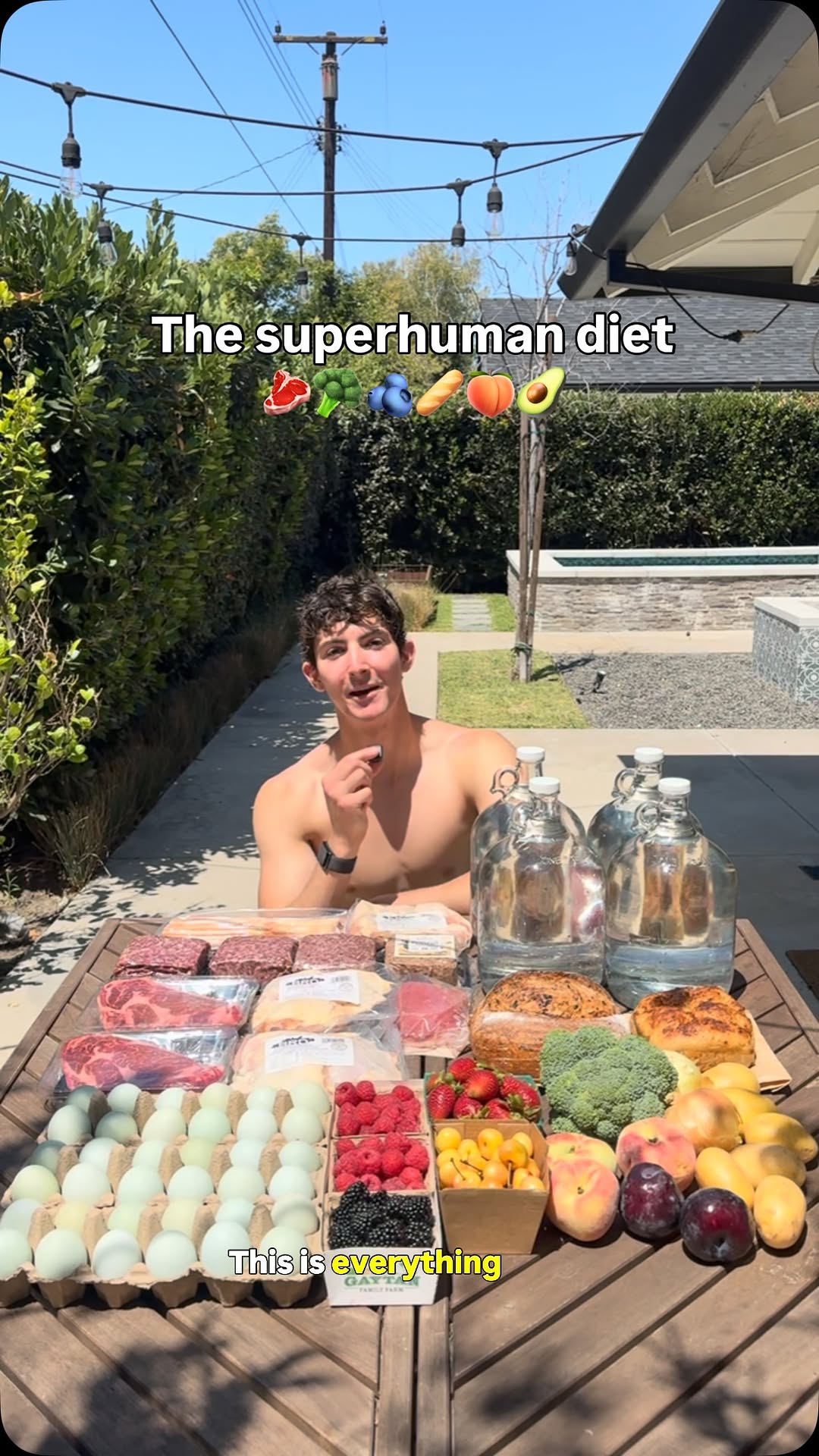 1M21.9×Creator showcases his weekly diet@jared1s · Showcase
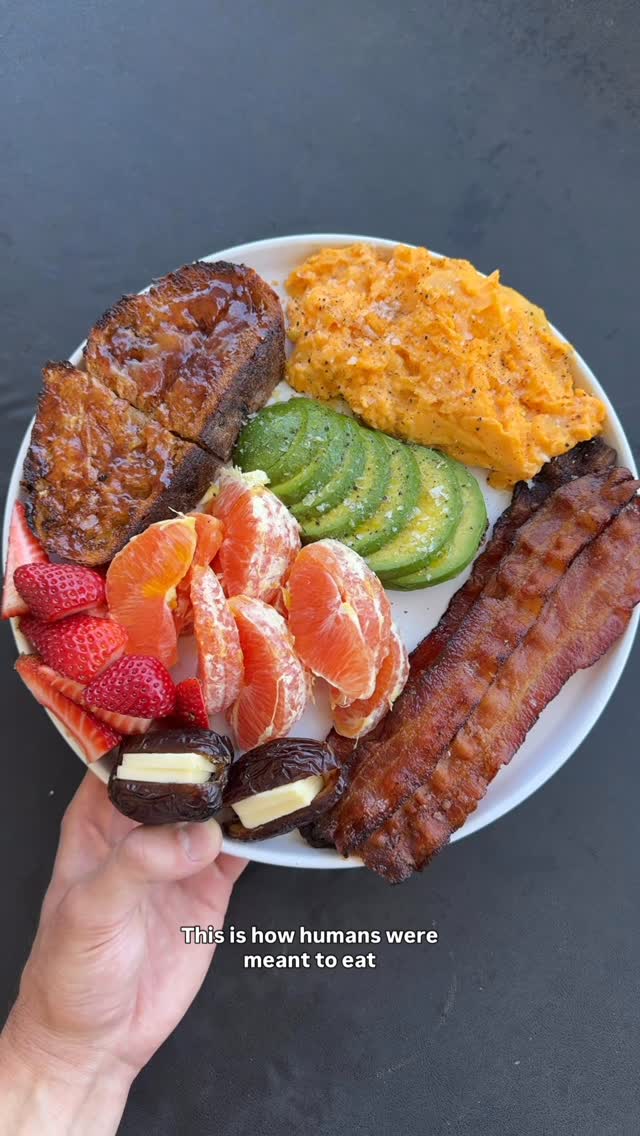 220.1K7×POV meal ingredient breakdown@jared1s · Lifestyle Showcase
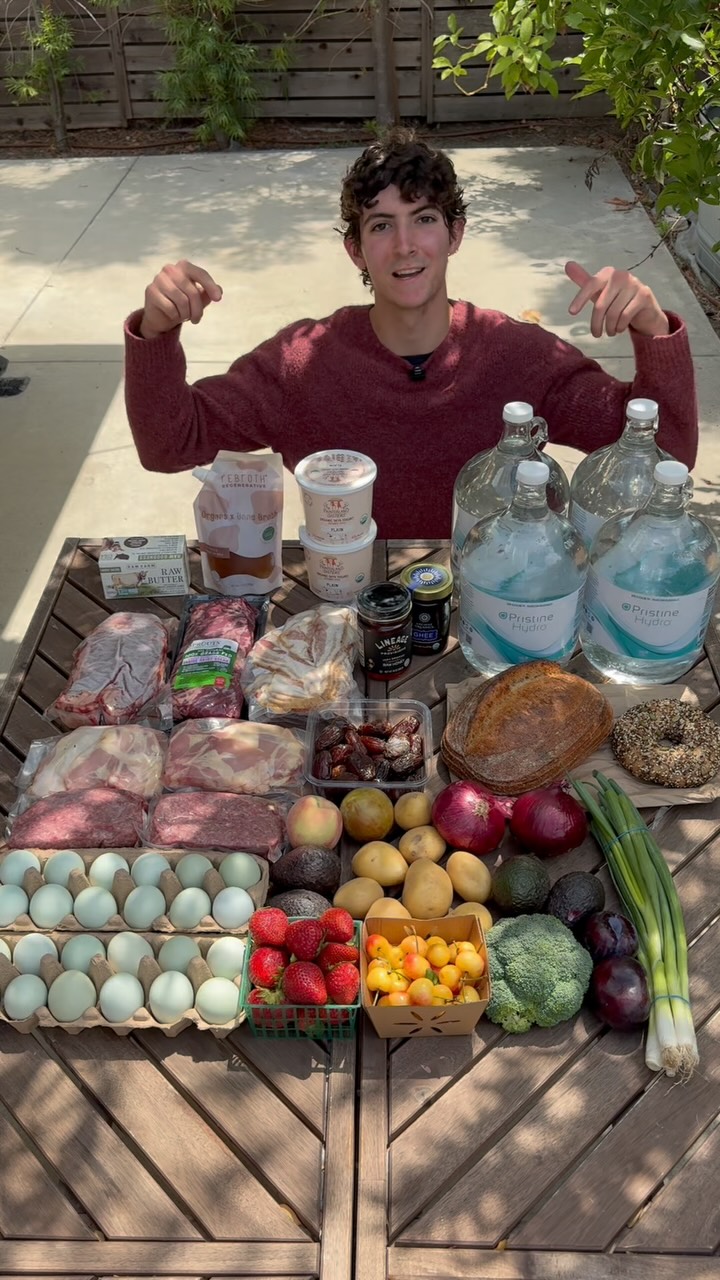 208K4.4×Creator showcases a healthy grocery haul@jared1s · Buying List
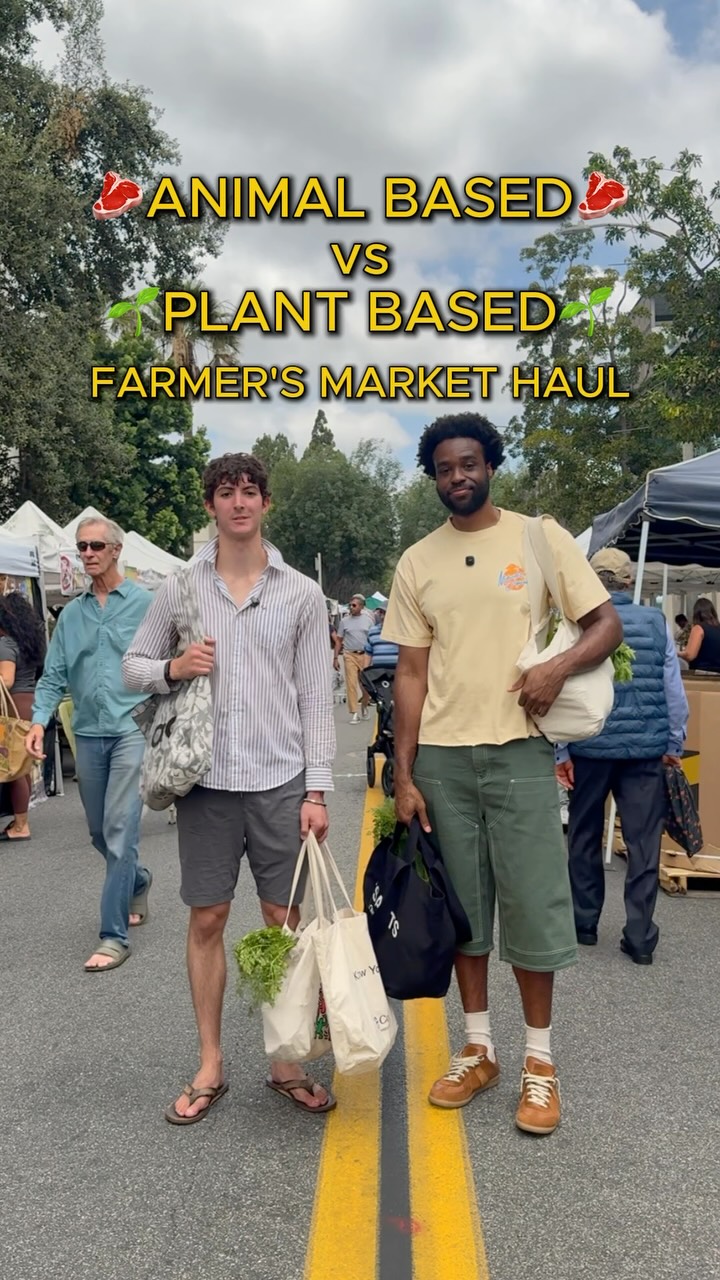 376.2K11.7×Comparing diets to find similarities@tappedinwellness
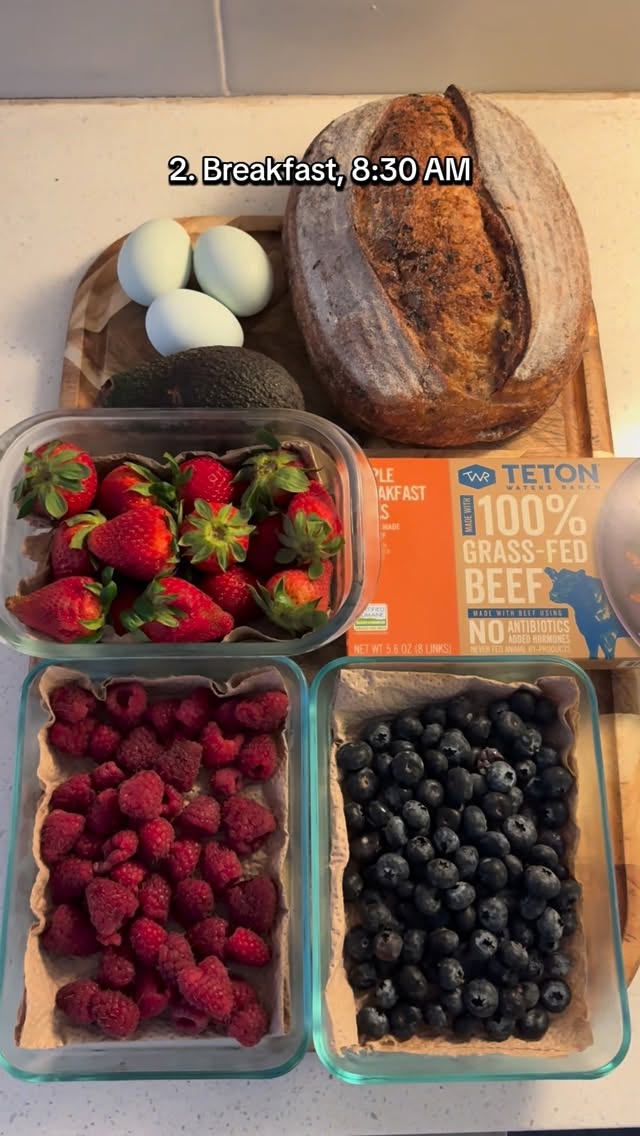 1.1M34.7×Chronological daily diet meal montage@jared1s · Day In The Life
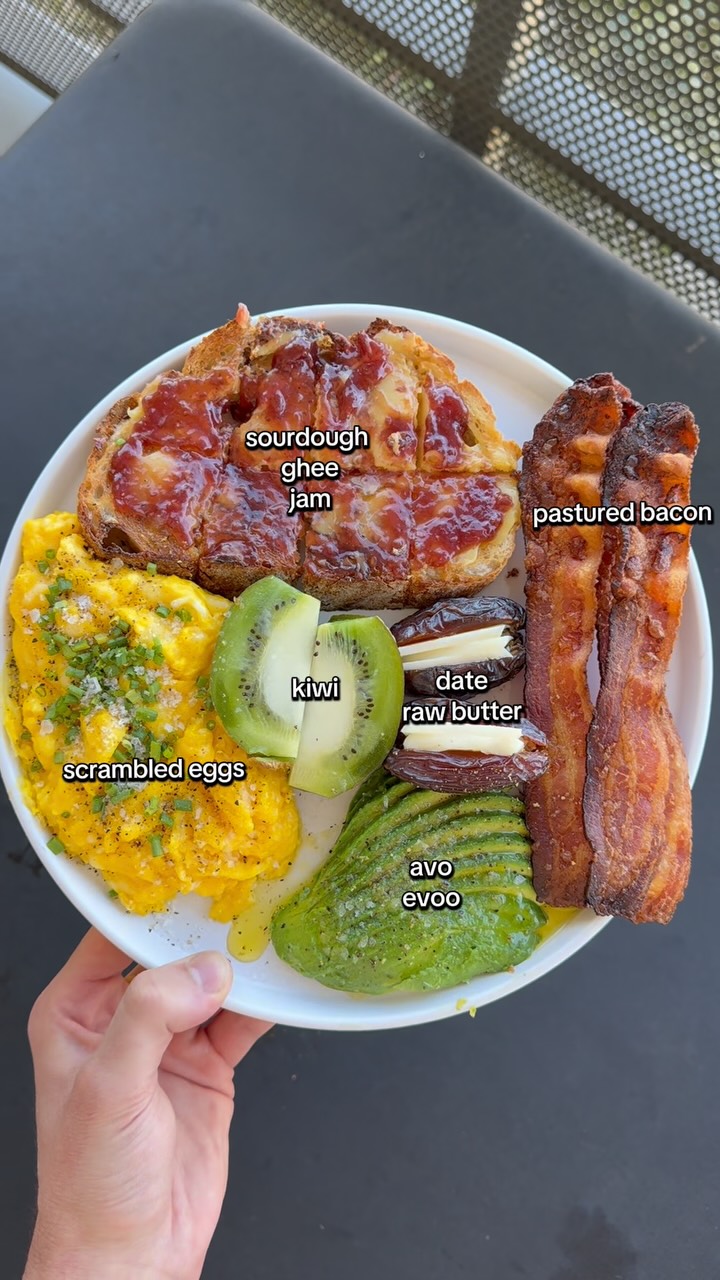 590.6K19.5×Showcasing a full day's meals@jared1s · Day In The Life
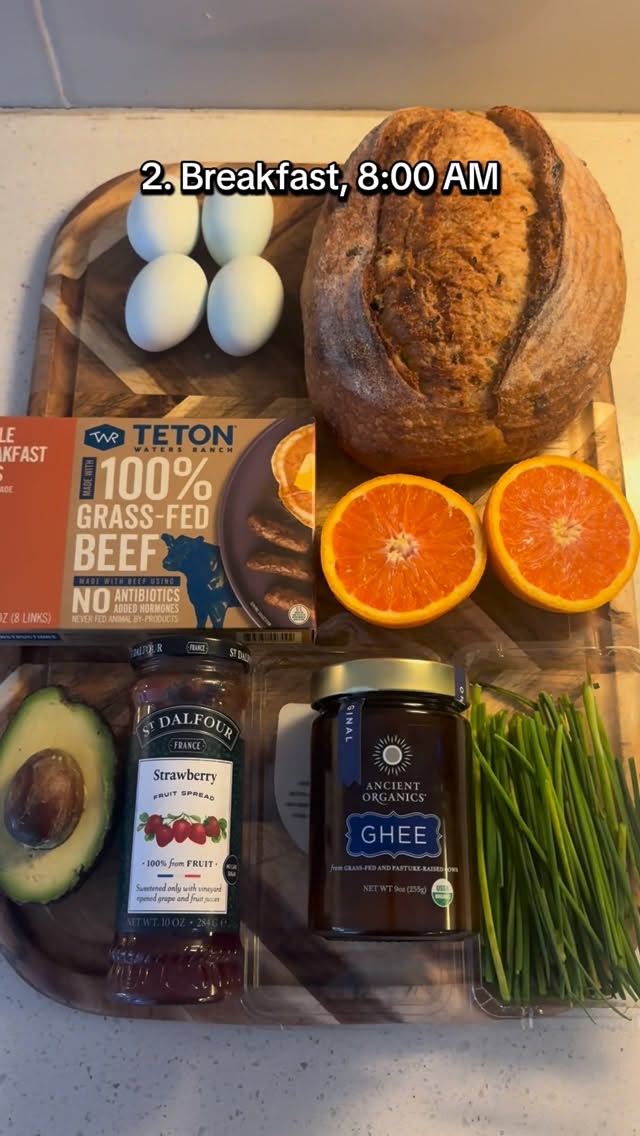 1M38.3×Full day of eating montage@jared1s · Day In The Life
[04]
[05]
What stops the scroll in the first 3 seconds
Title hook
IN MONGOLIA MEAT IS EVEN CHEAPER THAN A CUP OF COFFEE
Verbal hook
In Mongolia, meat is even cheaper than a cup of coffee
Visual hook
An engaging close-up shot of a man in a traditional-style yurt enthusiastically eating a large piece of boiled meat directly from the bone.
[07]
The promise the opener makes, and how the video pays it back
Hook
A startling economic or cultural comparison that defies the viewer's expectations and creates an immediate question that the video promises to answer.
Payoff
A concise, memorable philosophical statement that summarizes the entire argument and reframes the subject as a fundamental life principle, not a mere commodity or form of entertainment.
[08]
The structural pattern this video runs on
Framework
The Cultural Inversion Blueprint
To explain a counter-intuitive cultural phenomenon by systematically deconstructing its environmental and historical origins, culminating in a powerful philosophical statement.
The Surprising Economic Hook
Present a counter-intuitive fact that juxtaposes a core cultural element with a common, everyday item from the viewer's world (e.g., 'meat is cheaper than coffee').
The Environmental Premise
Immediately frame the subject within a harsh or unique environmental context that hints at the reason for the surprising fact (e.g., 'a land devoted solely to survival').
The Scale of Abundance
Use hard data (population vs. resources) to quantify the subject's importance and establish its overwhelming presence in the culture.
The Foundational Thesis
State the core argument directly, declaring the subject as the fundamental pillar of the society being examined (e.g., 'the true foundation of life').
The Rejection of Norms
Define the culture by what it lacks or rejects compared to mainstream norms, sharpening the contrast and highlighting its uniqueness (e.g., 'no bread, no pizza, no sugar').
The Historical Justification
Explain that the current cultural state is not a lifestyle choice but a necessary adaptation shaped by historical and environmental pressures like climate, geography, and scarcity.
The Process Showcase
Visually demonstrate the traditional methods and processes associated with the subject, adding authenticity, sensory detail, and cultural texture.
The Symbolic Elevation
Re-frame the subject from a practical item to a symbol of a core cultural value, such as survival, energy, or resilience.
Why Meat Is Cheaper Than Coffee in Mongolia.
title · beginning
IN MONGOLIA MEAT IS EVEN CHEAPER THAN A CUP OF COFFEE
informational · beginning
UNFAMILIAR WITH CONVENIENCE AND DEVOTED SOLELY TO SURVIVAL
informational · beginning
WITH A POPULATION OF BARELY THREE MILLION PEOPLE YET OVER 185 MILLION LIVESTOCK
informational · middle
HERE THE VAST SPACE HAS TURNED LIVESTOCK INTO THE TRUE FOUNDATION OF LIFE
informational · middle
MEAT IS NOT A LUXURY BUT A DAILY NECESSITY
informational · middle
NO DOUGH NO SUGAR JUST MEAT AND FAT
informational · middle
A STRICT DIET SHAPED BY CENTURIES OF COLD, HUNGER AND DISTANCE
informational · end
HERE FOOD IS NOT FOR ENTERTAINMENT BUT FUEL FOR LIFE
In Mongolia, meat is even cheaper than a cup of coffee in a land unfamiliar with convenience and devoted solely to survival. With a population of nearly 3,000,000 people, yet over 185,000,000 livestock roam the endless steppes. Here, the vast space has turned livestock into the true foundation of life. In this unique balance, meat is not a luxury, but a daily necessity. Mongolians do not build their cuisine around bread, nor do they care for pizza, burgers, or fast food. No dough, no sugar, just meat and fat. It is a strict diet shaped by centuries of cold, hunger, and distance. Meat is steamed for preservation, roasted over dry dung fires, or slowly boiled in large pots. Each piece of meat carries the energy needed to survive the better, and every meal is a preparation against an unforgiving nature. Here, food is not for entertainment, but fuel for life.