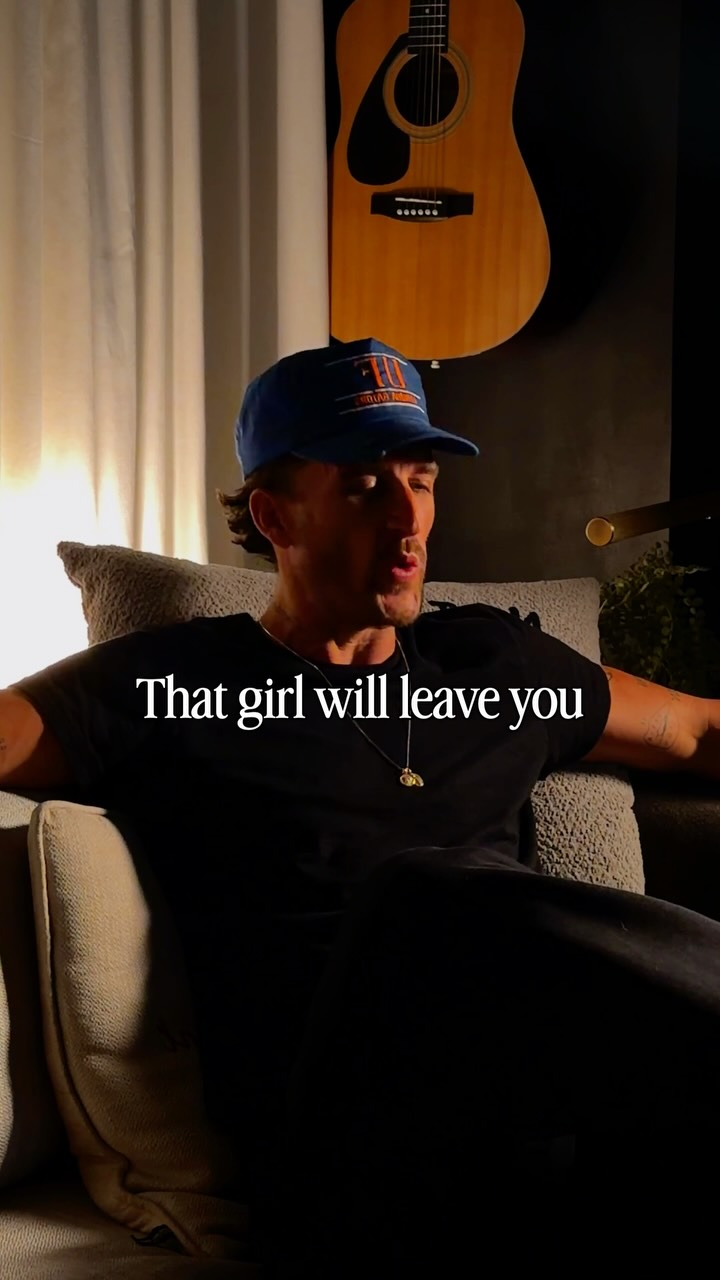
To establish a non-obvious, counter-intuitive rule for judgment by revealing that a person's true character is not defined by their behavior during good times, but by their behavior under pressure or during conflict.
- 1
The Preemptive Rebuttal
Immediately dismisses the most common counter-argument or justification for ignoring the upcoming advice, strengthening the speaker's authority and disarming viewer skepticism.
- 2
The Red Flag Reveal
Directly answers the question posed by the hook, revealing the specific negative behavior that serves as the central theme of the argument.
- 3
The Behavioral Evidence List
Provides a rapid-fire list of concrete, relatable examples of the negative behavior, making the abstract concept tangible and emotionally resonant for the audience.
- 4
The 'Good Behavior' Credit Invalidation
Explicitly states that positive behavior at other times does not excuse or 'cancel out' the critical negative behavior, reinforcing the core thesis.
- 5
The Flawed Judgment Protocol
Shifts focus by identifying a widespread but flawed method of judgment that the audience likely uses, positioning the speaker's advice as a superior alternative.
- 6
The True Character Framework
Presents a new, counter-intuitive principle for evaluation, instructing the audience to judge based on behavior during adversity, not prosperity.
- 7
The Respect-Under-Fire Gauntlet
Poses a series of rhetorical questions that function as a practical checklist, allowing the audience to apply the new judgment framework to their own situations.
- 8
The Perfection Myth Debunk
Tempers the absolute nature of the advice by acknowledging that perfection is unattainable, which adds credibility and prevents the advice from seeming unrealistic.