@shannonleonard
Instagram · Talking Head Edit
@shannonleonard I love Portland - episode 33

@shannonleonard
Instagram · Talking Head Edit
@shannonleonard I love Portland - episode 33
Performance
Video #48686 · Talking Head Edit
[01]
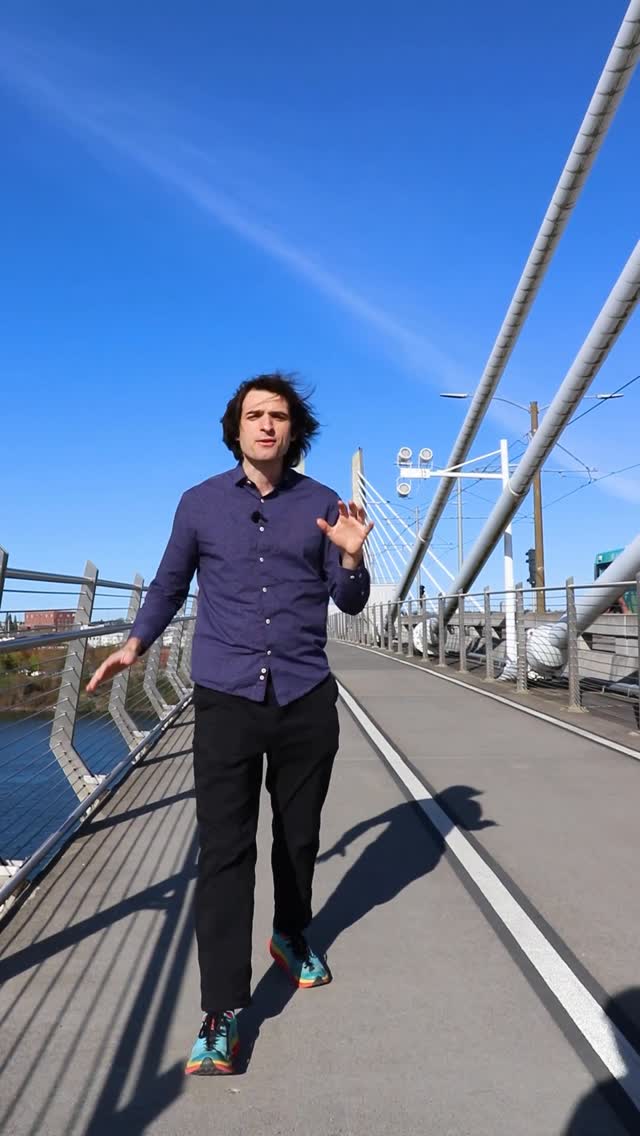
The creator stands on and near the Tilikum Crossing bridge in Portland, Oregon, explaining its unique secret. He details how USGS sensors in the Willamette River measure water temperature, current speed, and height, and how that data is used to control the bridge's LED light display at night, effectively visualizing the river's state through light and color.
[02]
[03]
 97K2.4×Walking tour of forgotten history@shannonleonard · Strange but True
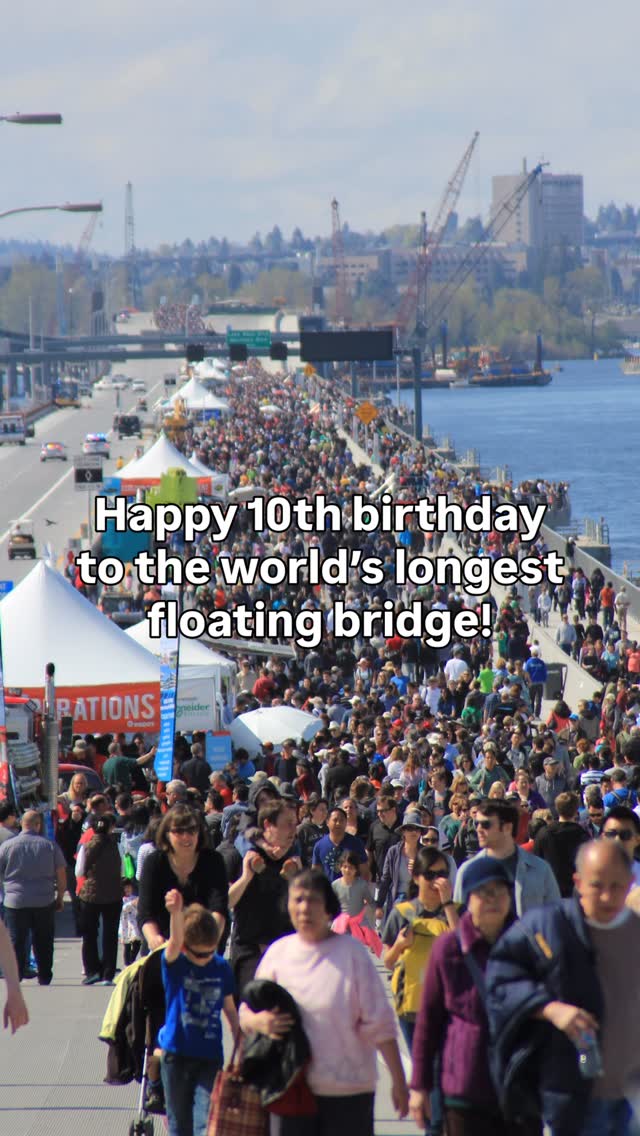 295.5K3.8×Nostalgic infrastructure construction timeline montage@wsdot · Evolution Showcase
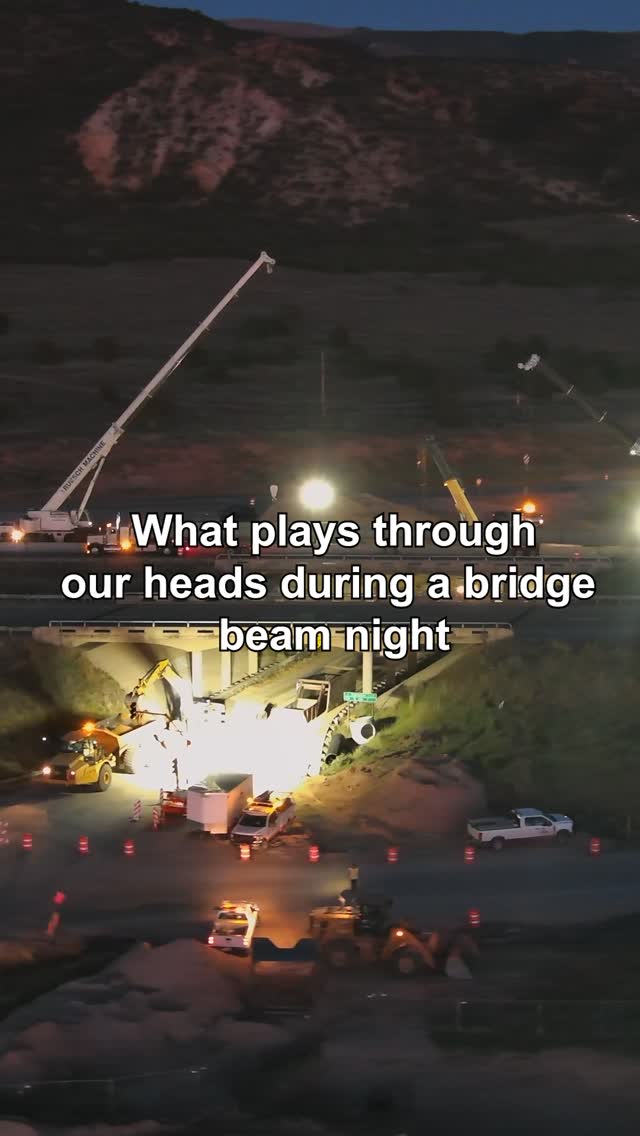 295.1K9×Energetic montage of bridge building@utahtransportation · Process
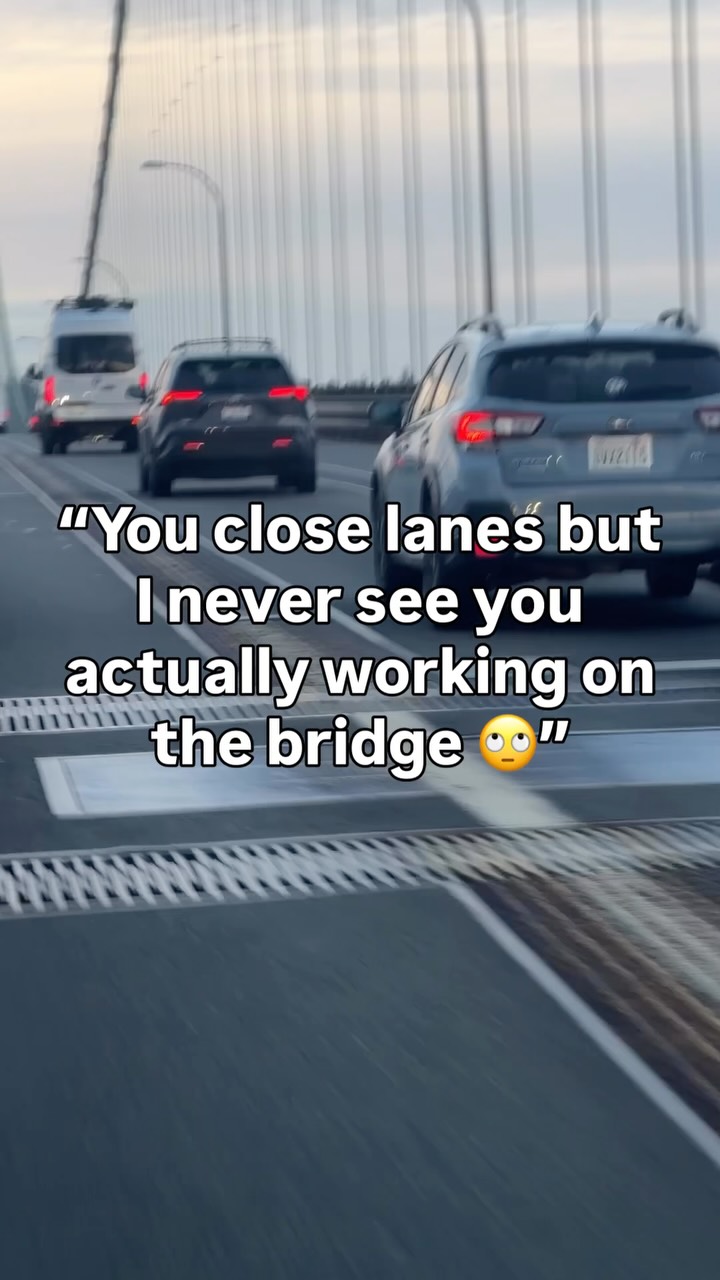 724.8K10.1×Explaining bridge work under the road@wsdot · Public Service Announcement
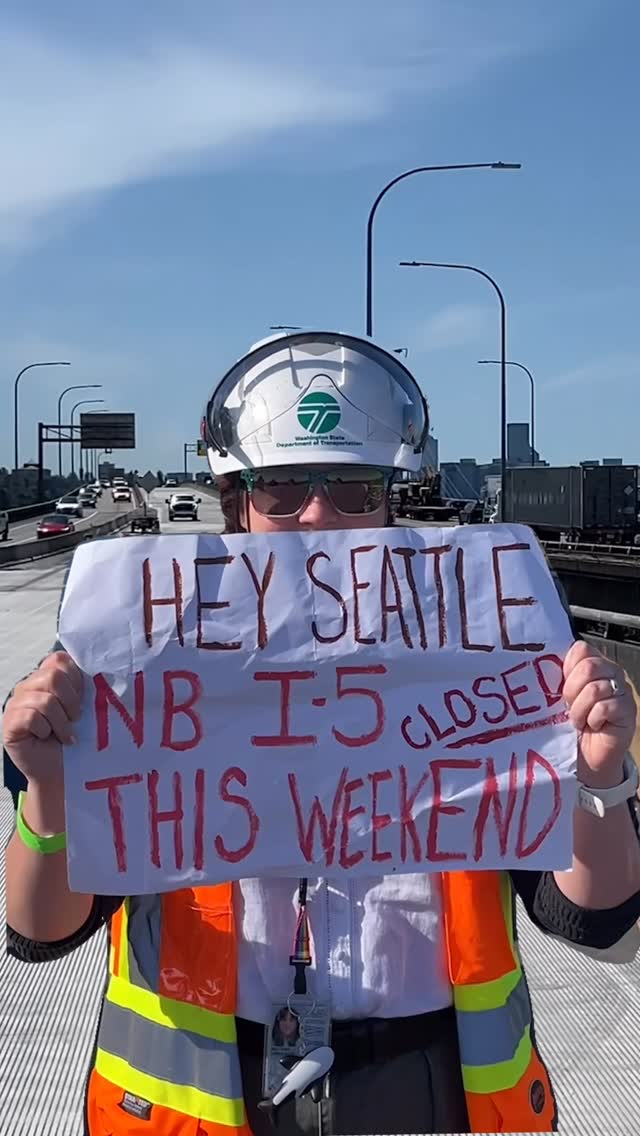 1.8M32.4×Meme-style public service announcement@wsdot · Themed Announcement
 585.4K13.3×Explaining a two-year bridge rebuild@utahtransportation · Explainer
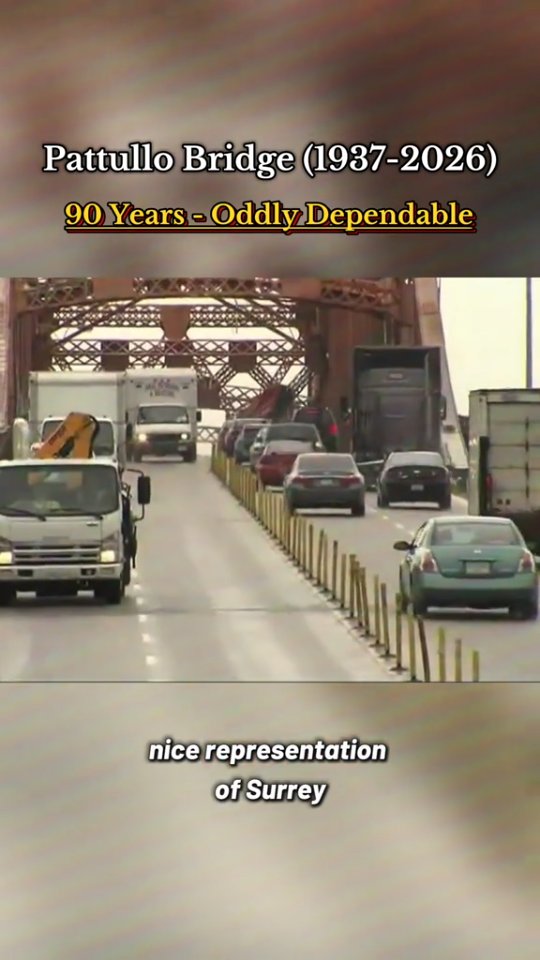 103.7K7.5×Satirical tribute to local landmark@uncouver_ · Nostalgia Highlight
 288.9K36.6×One shot city wildlife sighting@sharmedlife · Candid Spectacle
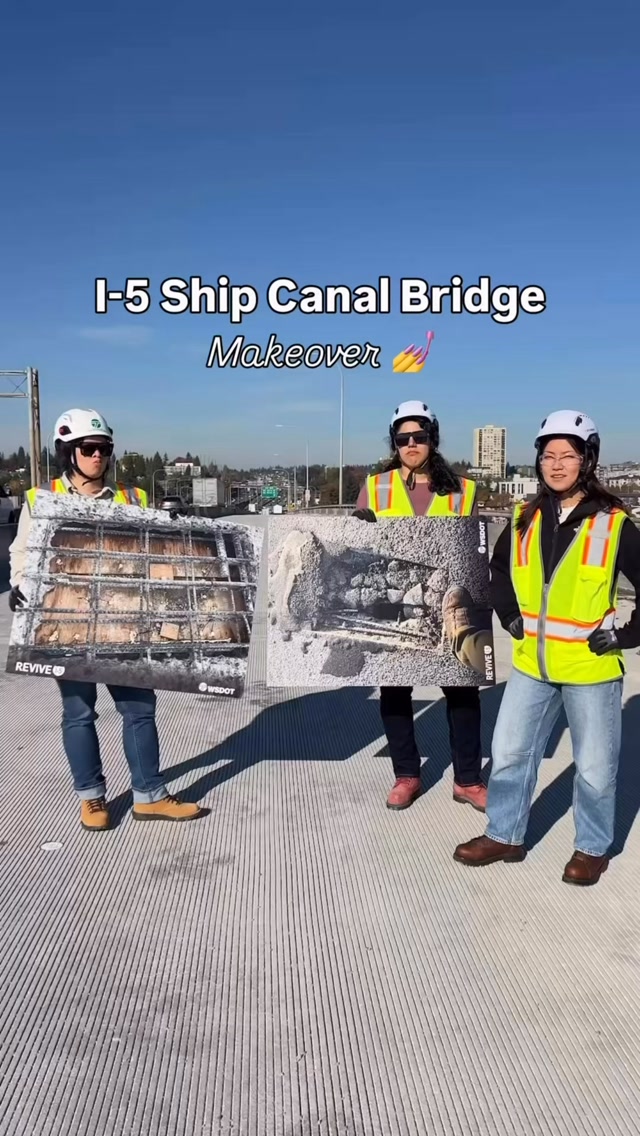 295.7K5×Bridge makeover before and after@wsdot · Before/After Transformation
 284K5.3×City project case study video@nyc_dot · Case Study Breakdown
 543.5K6×Relatable memes explain highway closures@wsdot · Themed Announcement
 354K4.4×Cinematic vlog of personal journey@alexwhoisalex · Journey Documentation
[04]
[05]
What stops the scroll in the first 3 seconds
Verbal hook
Absolutely love Portland, Oregon, but it has a secret that not many people know about.
Visual hook
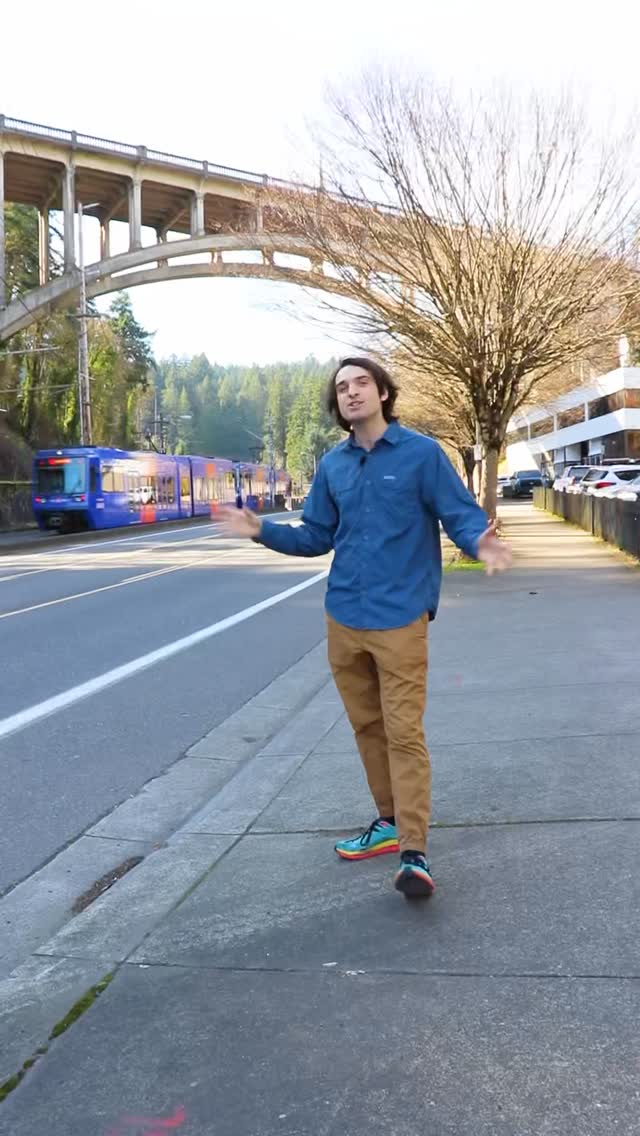
A wide shot of the creator standing on a sidewalk with a blue train moving across the background, establishing a dynamic urban environment with a bridge visible in the distance.
[07]
The promise the opener makes, and how the video pays it back
Hook
An extraordinary claim about an ordinary object. The video opens by stating that a familiar object (a bridge) is performing an impossible, human-like action ('having a conversation'), creating an immediate curiosity gap.
Payoff
The narrative provides a full payoff for the initial hook (the 'conversation') but intentionally withholds the payoff for the secondary, larger hook ('first in America'), leaving the viewer in a state of unresolved curiosity.
[08]
The structural pattern this video runs on
Framework
The Layered Secret Reveal
To present an intriguing, almost unbelievable claim about a familiar subject, then systematically deconstruct the 'how' and 'why' behind it, while strategically withholding a secondary, even bigger claim to maximize viewer retention and engagement.
The Uniqueness Escalation
Establishes the subject's local uniqueness before escalating to a much larger claim of national significance. This creates a second, more powerful open loop for the viewer.
The Payoff Deferral
Explicitly acknowledges the larger claim but deliberately postpones the explanation ('I'll get to that later'). This focuses the viewer's attention on the initial mystery while promising a bigger reward for staying.
The Mechanism Reveal
Breaks down the technical process behind the initial extraordinary claim. It answers the 'how' by explaining the inputs (sensors, data) and the system that processes them (software).
The Data-to-Art Translation
Translates the technical explanation into a simple, cause-and-effect visual guide. It explains what each piece of data looks like in the final output (e.g., temperature = color, speed = pulse), making the complex concept easily digestible.
The Poetic Summary
Provides a satisfying, conceptual payoff for the initial hook. It reframes the technical explanation into a simple, elegant summary of the experience ('you're watching the river without even looking at the water').
The Final Hook & Pivot
Reintroduces the second, larger claim but immediately pivots to a related but different point of interest just before the video ends. This leaves the main secondary hook unresolved, creating a powerful cliffhanger designed to drive comments and follow-up views.
I love Portland - episode 33
contextual · middle
*water temperature
Absolutely love Portland, Oregon, but it has a secret that not many people know about. This bridge right here is having a conversation with the river underneath it right now. Let me show you what I mean. Portland has 12 bridges across the Willamette River through the middle of this city, but not a single one of them does what this one does, and there's something else that actually makes this bridge one of its kind in the entire country. But I'll get to that later. First, here's what makes this bridge unlike any other bridge in Portland. Right now, a sensor from the US Geological Survey is sitting upstream near the Morrison Bridge, geating the Willamette's water texture, the speed of the current, and the height of the river. That data then gets sent to custom software that controls a 178 LED lights spread across 40 cables on this bridge. The water temperature sets the base color, so the colder the river, the cooler the color. The speed of the current controls how fast these lights pulse and move. And the river's height pushes a second color up and down the towers and cables. So if you're looking at this bridge at night, you're watching the river without even looking at the water. Tell you why it's a first in America in a second. But good, I have this book written by the architect who designed this bridge with 98 original drawings about the