@shannonleonard
Instagram · Talking Head Edit
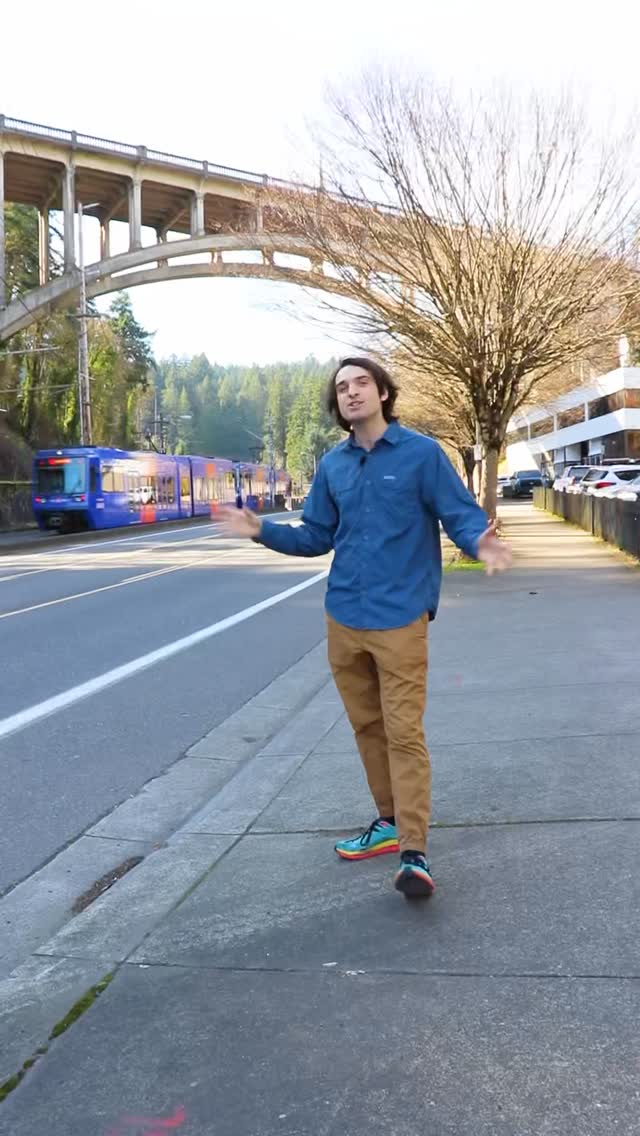
@shannonleonard I love Portland - episode 30

@shannonleonard
Instagram · Talking Head Edit
@shannonleonard I love Portland - episode 30
Performance
Video #49378 · Talking Head Edit
[01]
The creator walks through a residential neighborhood in Portland, Oregon, revealing its hidden history as the site of a massive, 1000-foot wooden trestle for cable cars. He uses the street name 'SW Cable Ave' as a clue, contrasts the present-day location with archival photos of the past, and begins to explain the historical context of why the trestle was built in the 1880s.
[02]
[03]
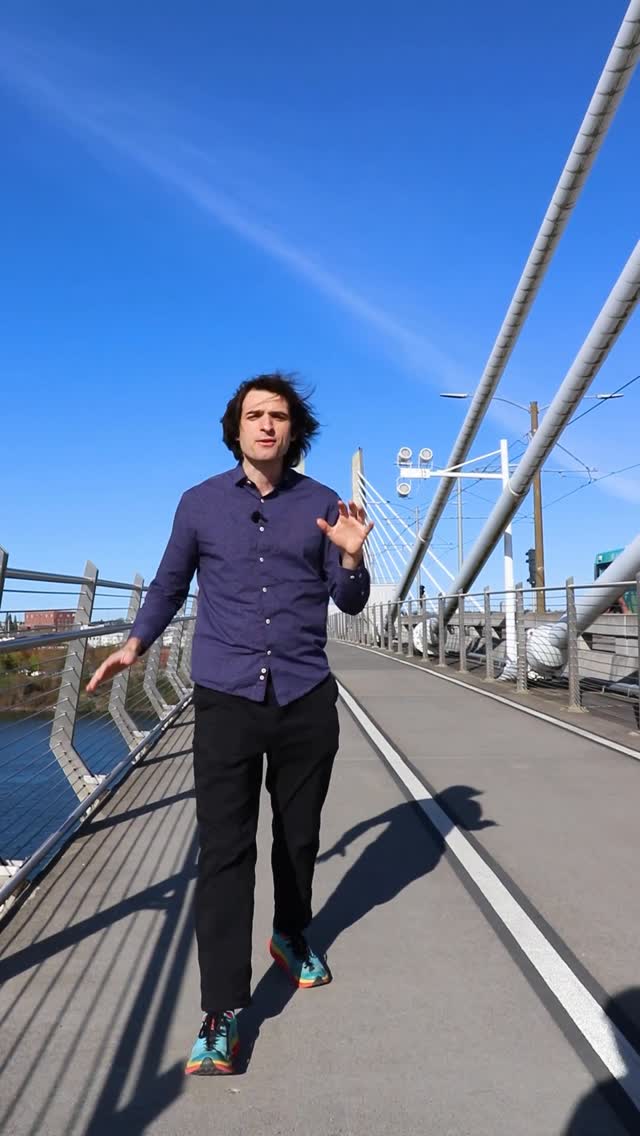 241.7K7.5×Explaining a bridge's hidden secret@shannonleonard · Strange but True
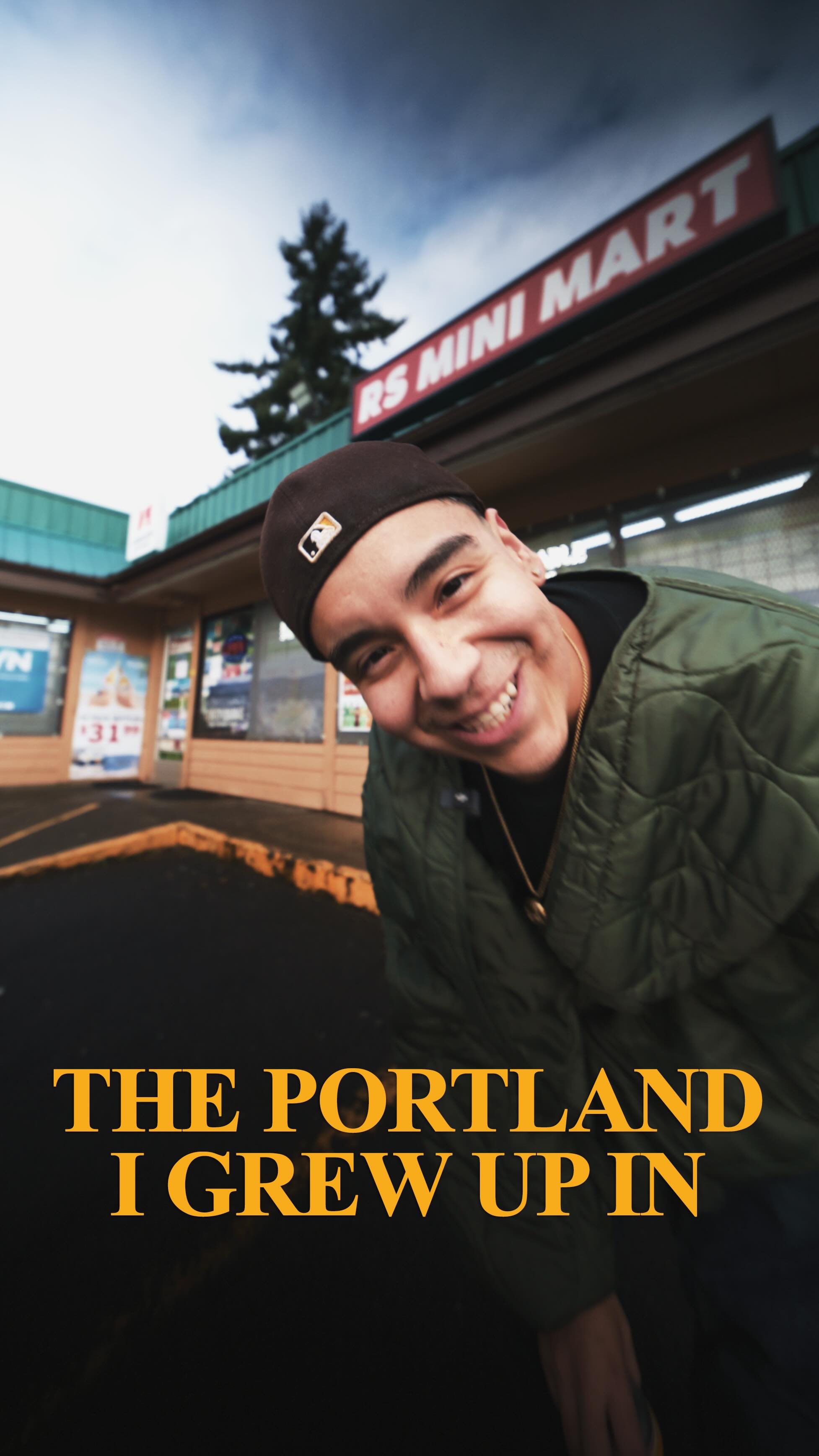 75K3×Creator shows his real hometown@lovecertt · Origin Story
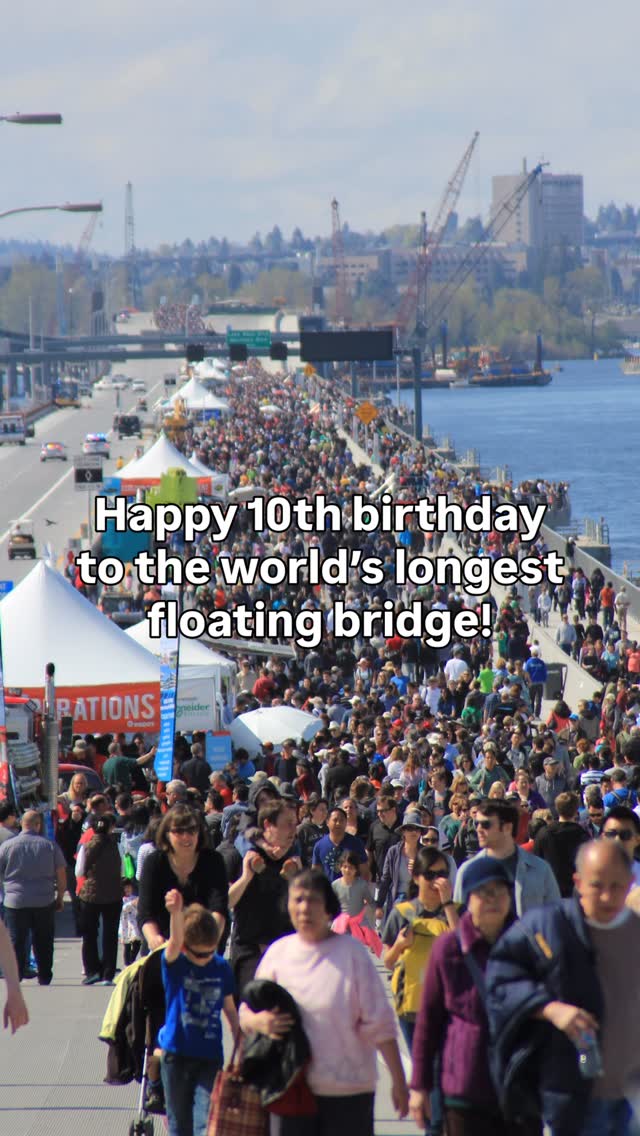 295.5K3.8×Nostalgic infrastructure construction timeline montage@wsdot · Evolution Showcase
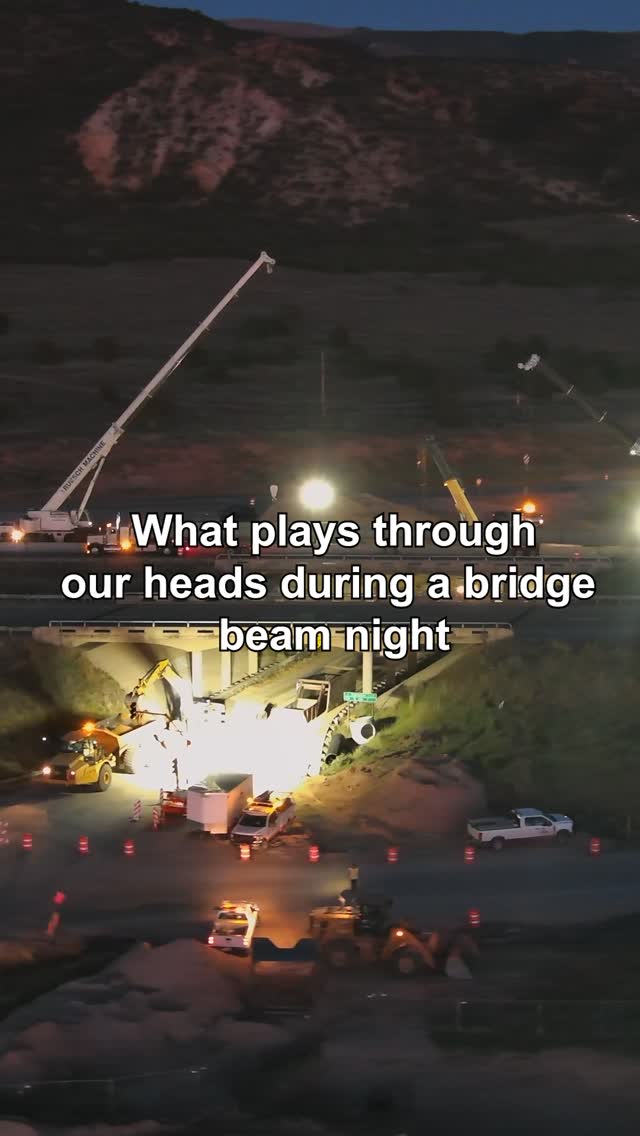 295.1K9×Energetic montage of bridge building@utahtransportation · Process
 585.4K13.3×Explaining a two-year bridge rebuild@utahtransportation · Explainer
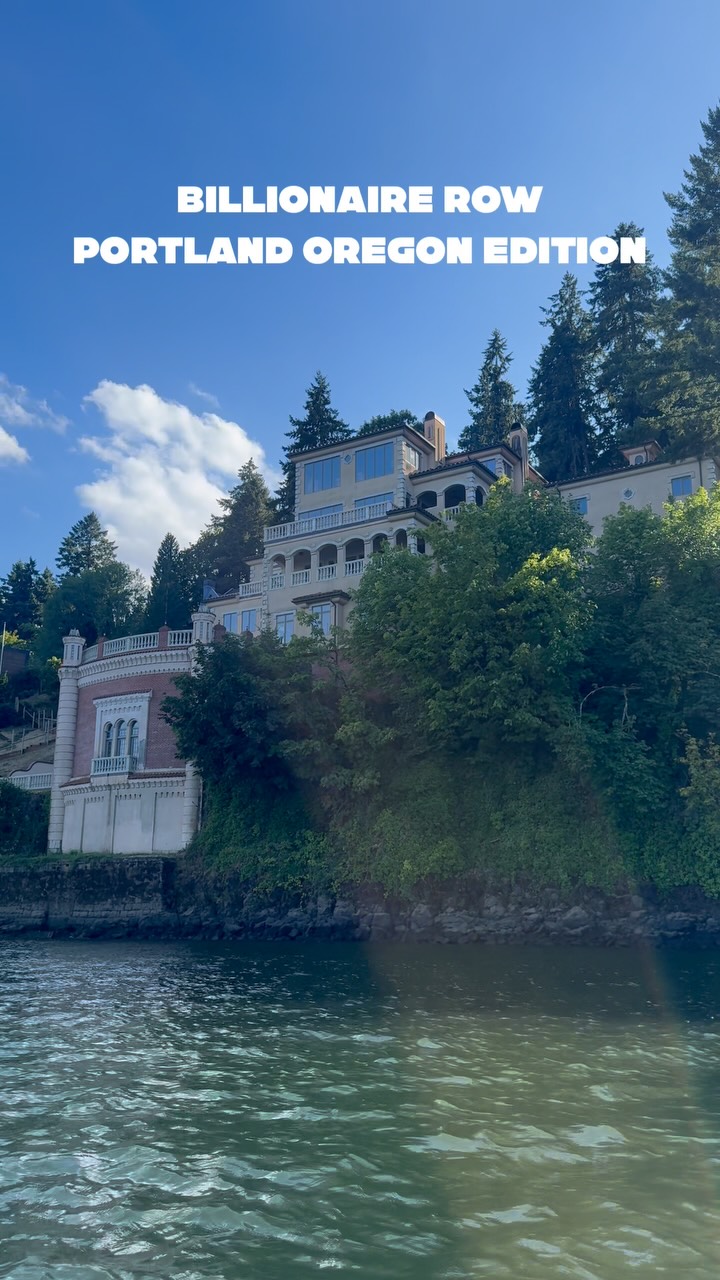 217.3K216.6×Boat tour of billionaire homes@theevanrealtor · Location Showcase
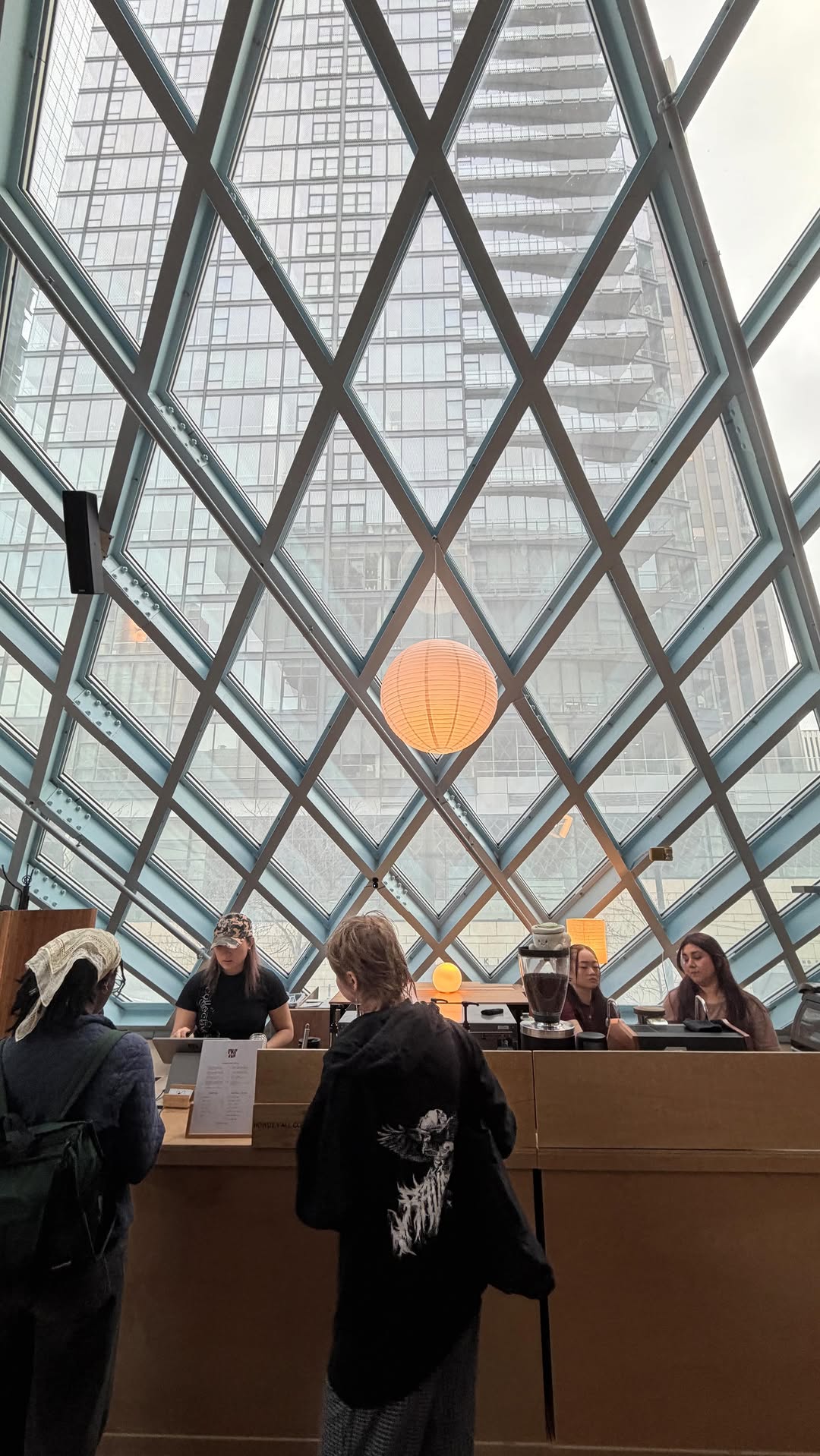 130K12.6×Seattle weekend exploration vlog@destinyfrith · Day In The Life
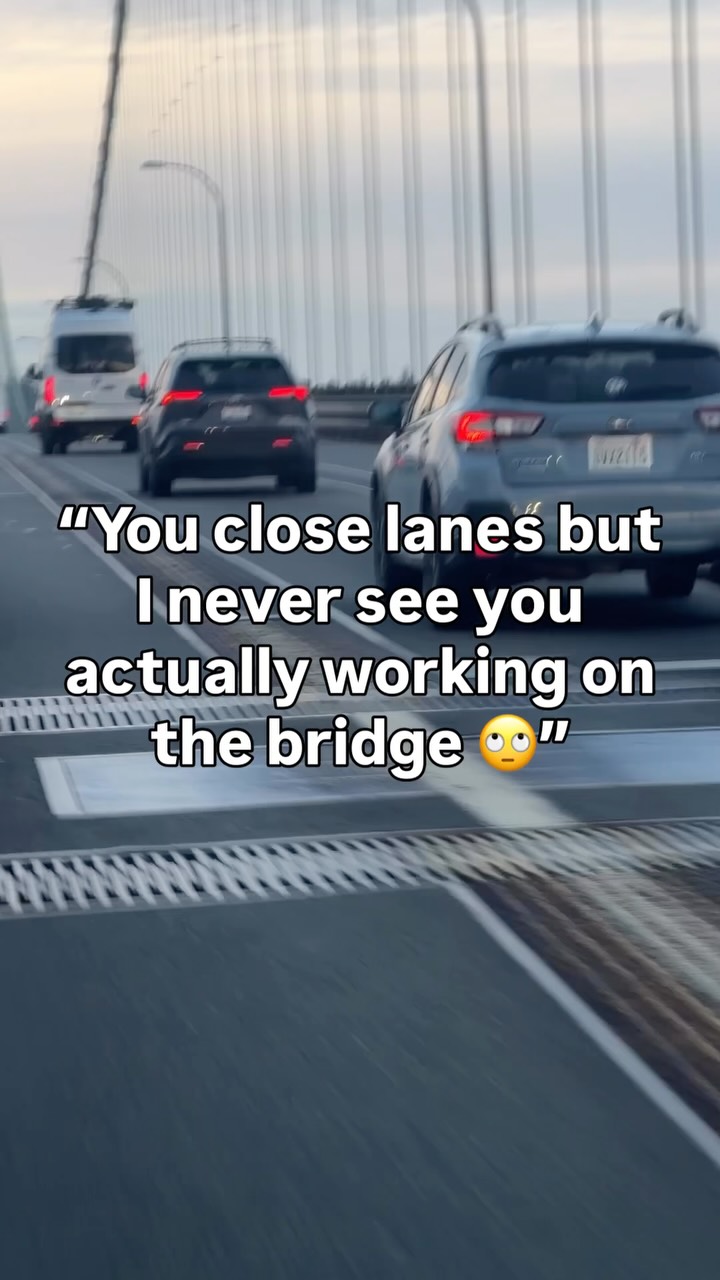 724.8K10.1×Explaining bridge work under the road@wsdot · Public Service Announcement
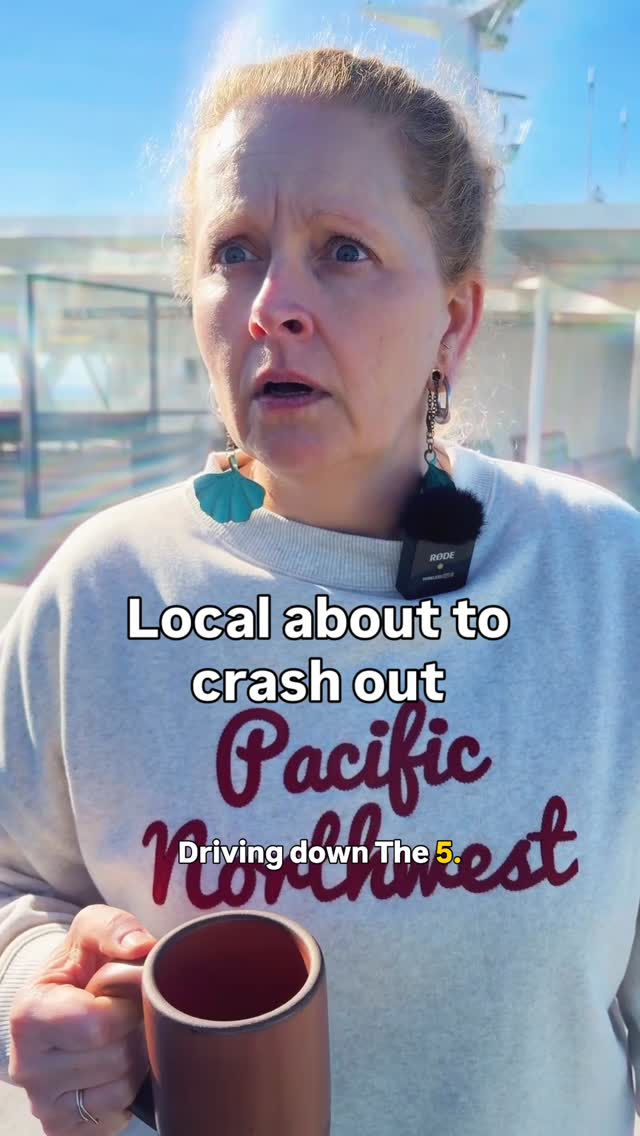 241.9K2.7×Comedic skit pitches transportation survey@wsdot · Stereotype Satire
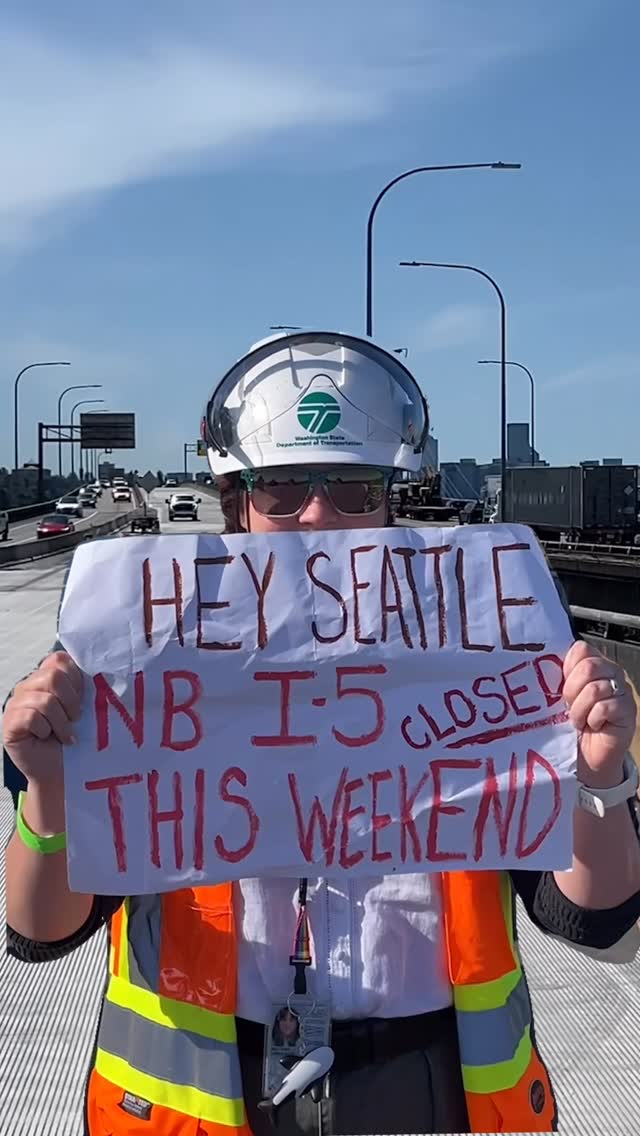 1.8M32.4×Meme-style public service announcement@wsdot · Themed Announcement
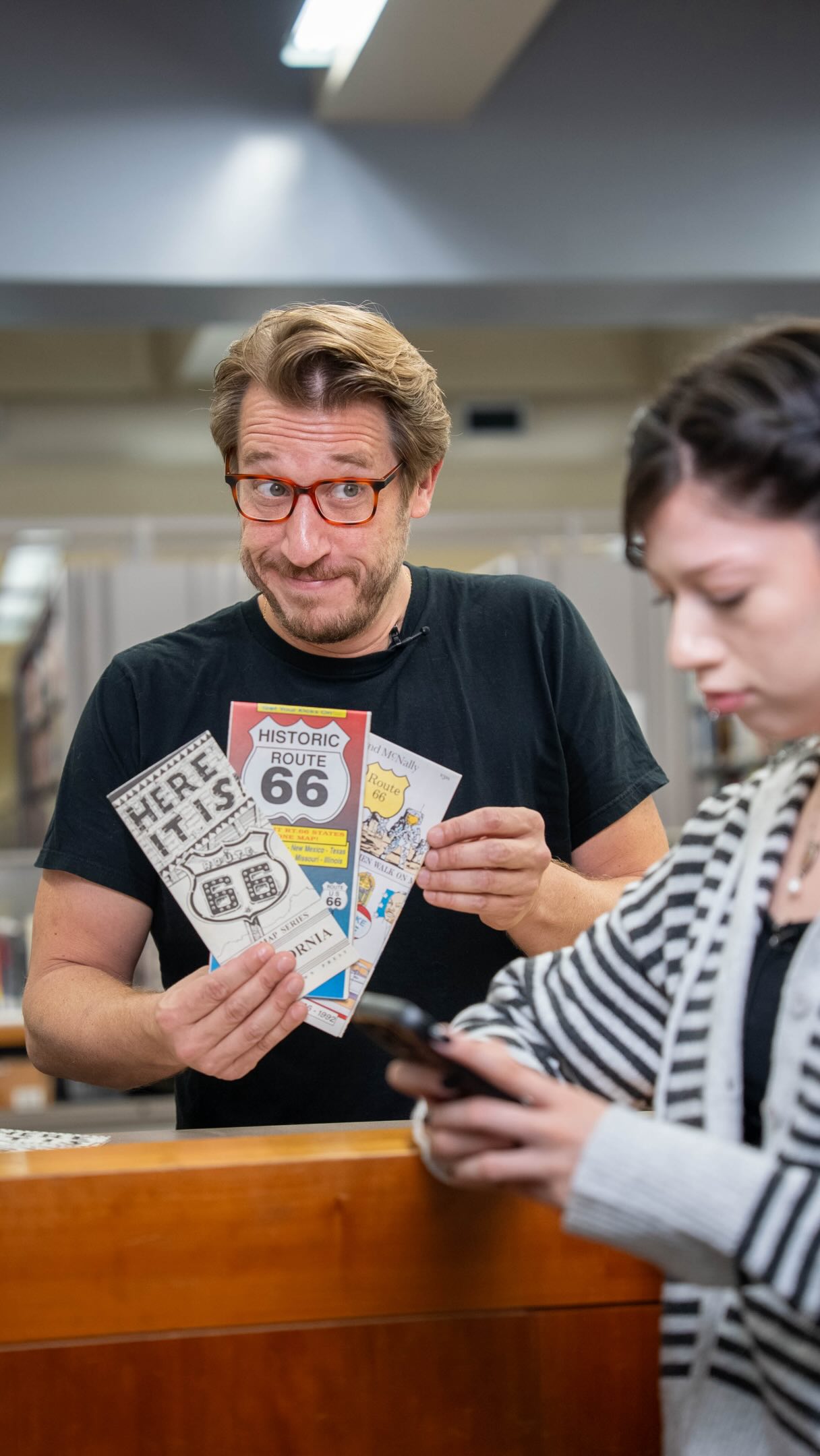 221K45.8×Expert explains Route 66 history@lapubliclibrary · Opportunity Explainer
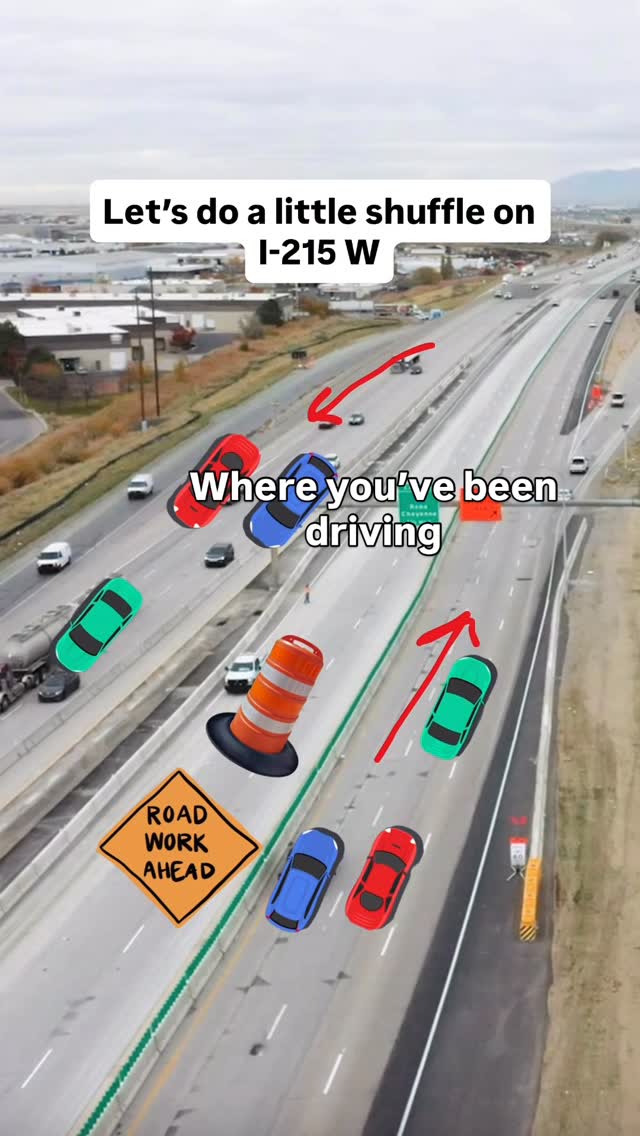 824.9K6.5×Animated highway traffic shuffle explainer@utahtransportation · Breakdown
[04]
[05]
What stops the scroll in the first 3 seconds
Verbal hook
Absolutely love Portland, Oregon, but it has a secret that not many people know about and it has to do with a thousand foot trestle that used to climb up this mountain carrying San Francisco style cable cars.
Visual hook
The video opens with a dynamic, low-angle shot of the creator walking energetically towards the moving camera on a steep, tree-lined street, creating immediate motion and a sense of being on a journey.
[07]
The promise the opener makes, and how the video pays it back
Hook
A dual-layered hook that presents a general 'secret' about a place, immediately followed by a more specific, intriguing event (like an accidental discovery) to create two layers of curiosity.
Payoff
The payoff is intentionally withheld. The narrative concludes by setting up the next chapter of the story, creating an unresolved tension that encourages further engagement (e.g., watching Part 2, following the creator).
[08]
The structural pattern this video runs on
Framework
The Buried History Blueprint
Uncovering a forgotten or hidden story tied to a specific physical location by contrasting the past with the present, using a physical journey and lingering clues to build intrigue.
The Geographic Anchor
The narrator physically places themselves in the modern-day location, using a tangible clue (like a street name, a plaque, or an architectural remnant) to prove the story is real and has a specific setting.
The Historical Vision
The narrative flashes back to the past, using archival imagery or vivid descriptions to reveal what the location used to be, focusing on dramatic or impressive details.
The Then-vs-Now Contrast
The narrative returns to the present, explicitly contrasting the dramatic past with the mundane present to emphasize how the history has been lost or buried.
The Enduring Clue
The narrator points out a final, subtle piece of evidence from the past that still exists today, reinforcing the story's authenticity and transitioning to the next phase.
The Origin Problem
The narrator sets the stage for a deeper explanation by outlining the original problem or challenge that led to the creation of the historical subject, creating a cliffhanger that promises a 'how it happened' story.
I love Portland - episode 30
contextual · beginning
Portland City Archives
contextual · beginning
2004-002.92
contextual · middle
Portland City Archives, A2004-002.2531
Absolutely love Portland, Oregon, but it has a secret that not many people know no, and it has to do with a thousand foot trestle that used to climb up this mountain carrying San Francisco style cable cars. Plus how a hundred years later, construction workers accidentally uncovered something buried in the ground that surprised everyone. To show you where, I'll have to walk just a few blocks away. Right no, I'm at Southwest Cable Avenue, and there's a reason that it has that name. Right here in this canyon, there used to be a massive wooden trestle over a thousand feet long carrying open air cable cars up to Portland Heights. It had no guardrails and a grade of over 20%. I'm standing in the canyon where it rank, but today it's just apartments and trees. But the street name, it never changed. Here's the wild story of how all of this happened. In 1887, Portland's Best Hills were practically cut off from the city. The slopes were too steep for horses to reliably climb. So a group of