@neighborhoodartsupply
Instagram · Talking Head Edit
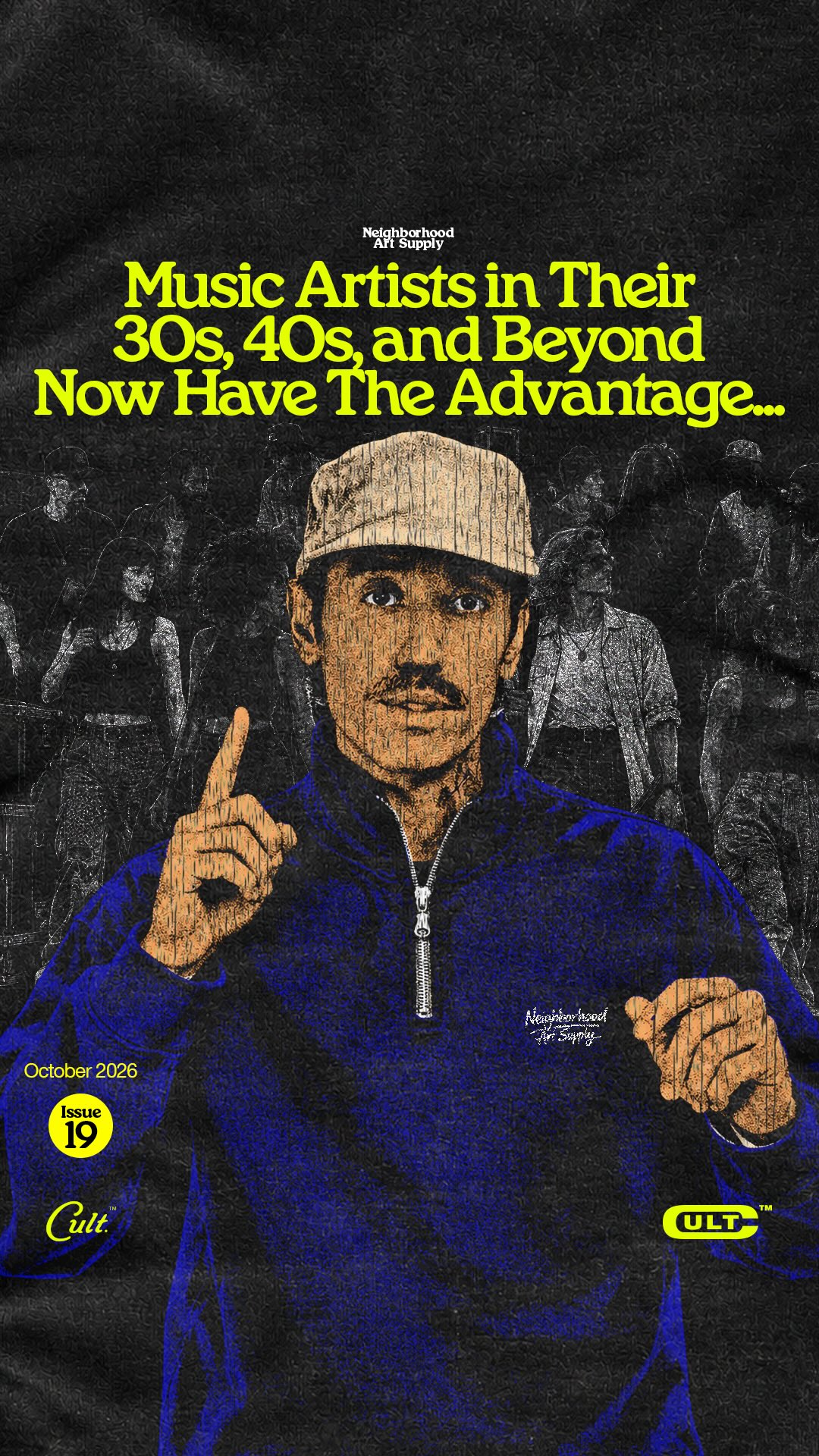
@neighborhoodartsupply Music Artists In Their 30s, 40s and Beyond Now Have The Advantage…

@neighborhoodartsupply
Instagram · Talking Head Edit
@neighborhoodartsupply Music Artists In Their 30s, 40s and Beyond Now Have The Advantage…
Performance
Video #48764 · Talking Head Edit
[01]
The creator presents a theory that music artists in their 30s, 40s, and beyond have a new advantage, using a psychological concept from Carl Jung to support his claim. He explains Jung's idea of life's two halves, detailing the first half as a period of outward exploration and research, setting the stage for a later discussion on the second half.
[02]
[03]
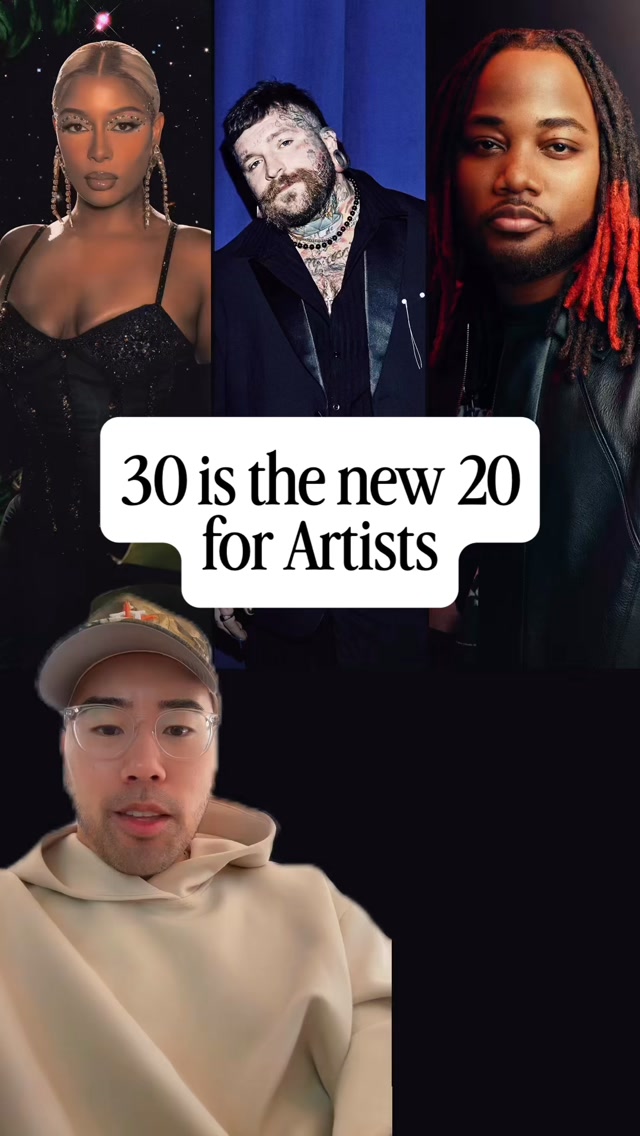 587.4KThesis on artist career timelines@katoproducer · Breakdown
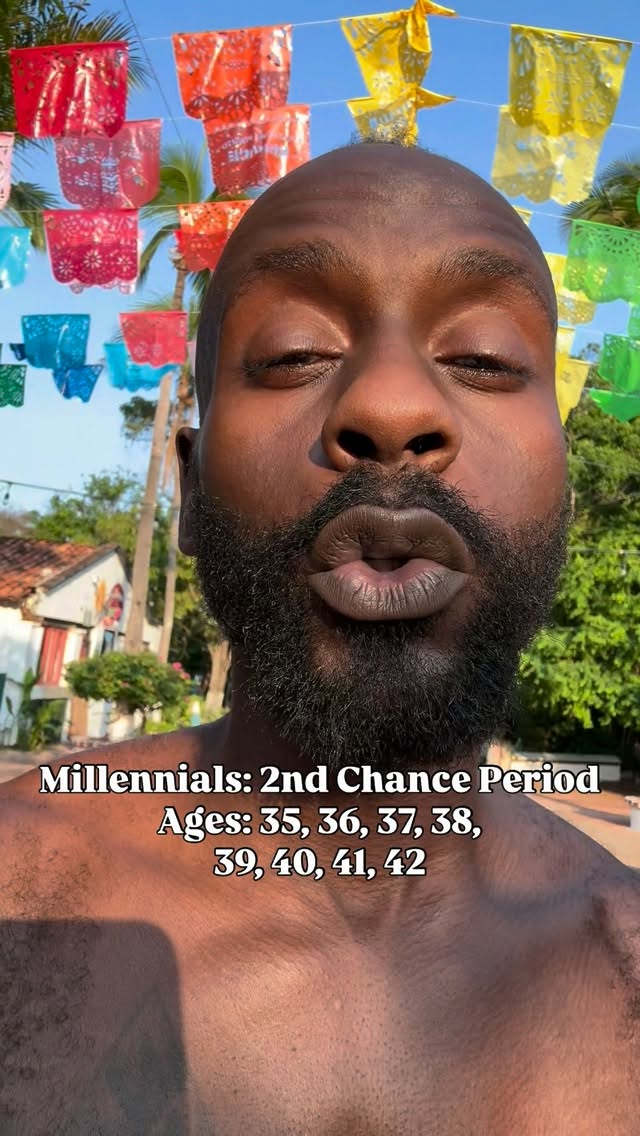 173.9KMotivational advice for millennial age group@oluwatosin.the.oracle · Motivational Mantra
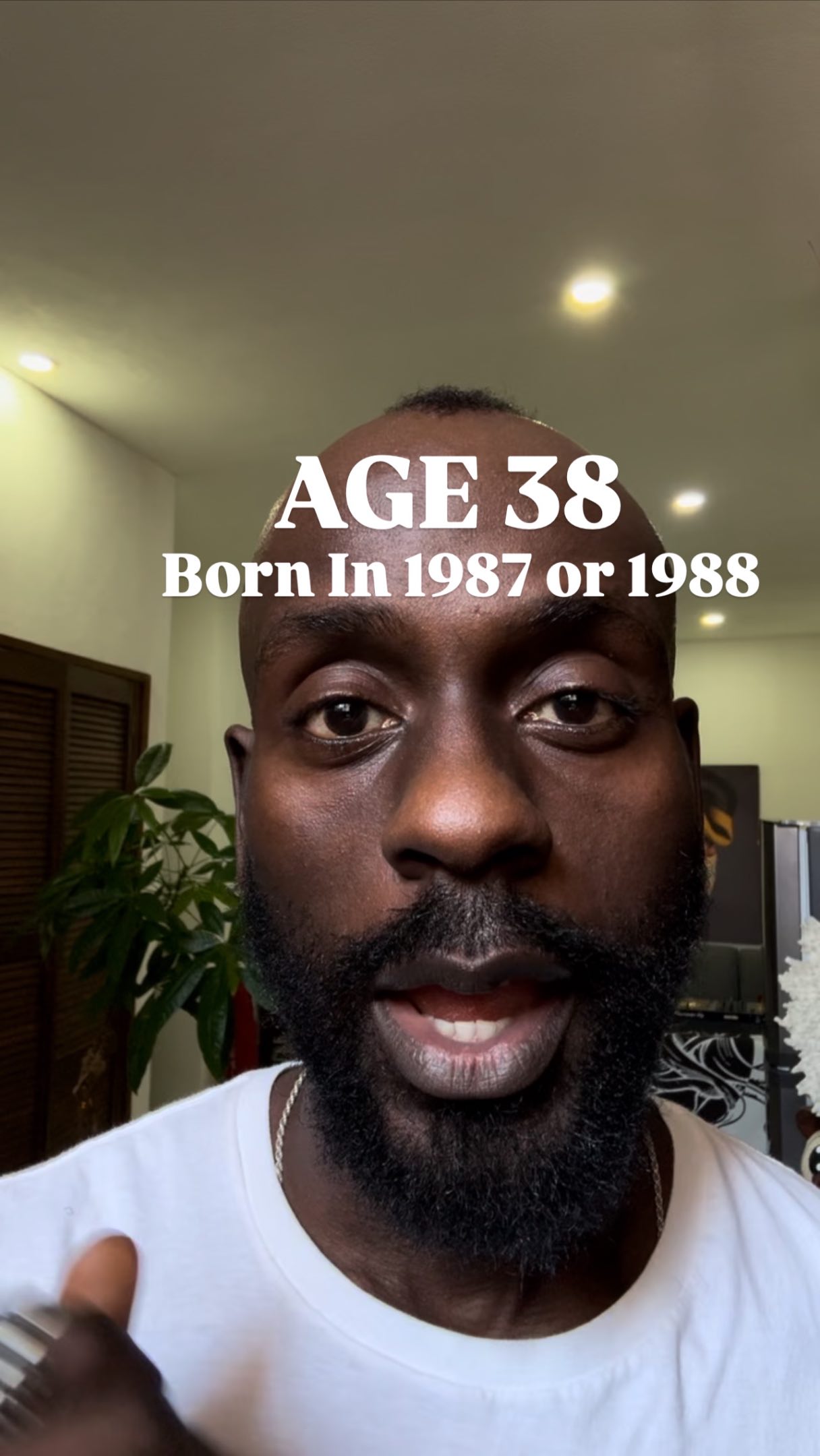 413.3K2.7×Explaining the meaning of age 38@oluwatosin.the.oracle · Opportunity Explainer
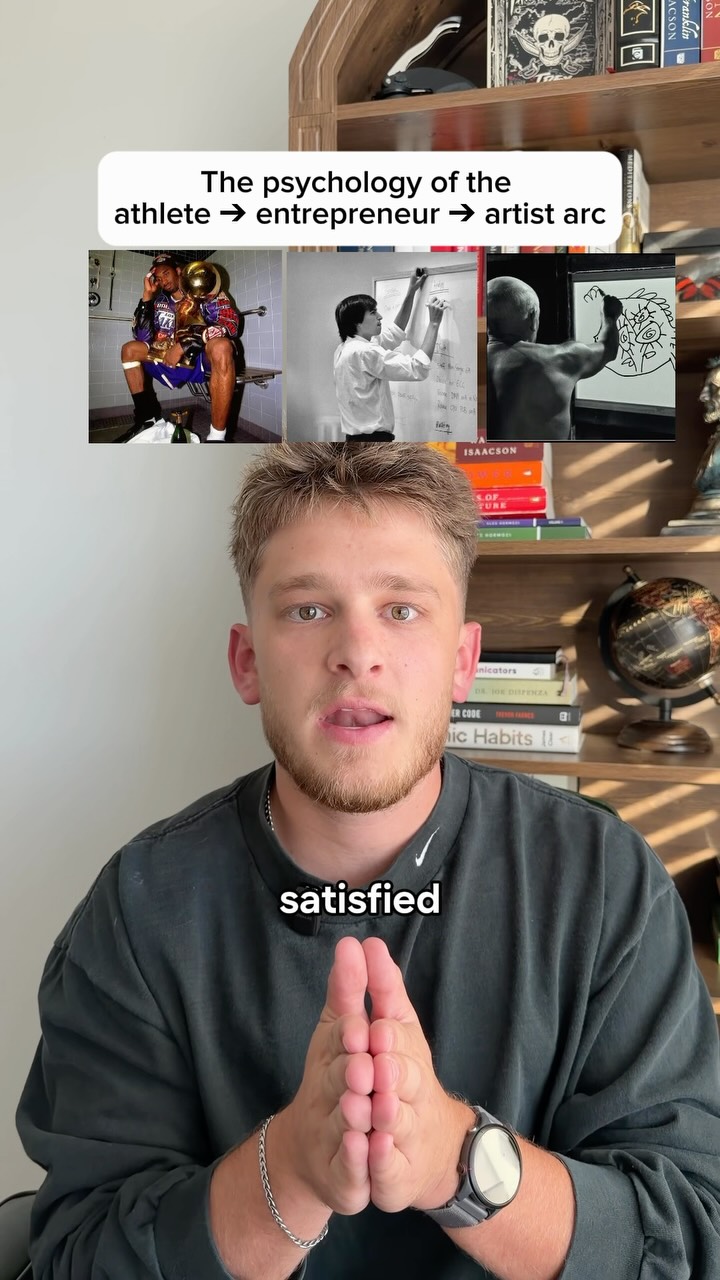 954.4K199.3×Explaining the athlete-entrepreneur-artist personality arc@kolbykirschner
 233.8KExplaining the significance of age 28@oluwatosin.the.oracle · Breakdown
 181.7K1.1×Explaining life changes at age 35@oluwatosin.the.oracle · Opportunity Explainer
 426.2K4×Quote introduces personal growth story@bitterbuilds · Anecdotal Philosophy
 237.7K5.5×Stop chasing status, build skills@kolbykirschner · Opportunity Explainer
 336.5K1.9×Explaining spiritual meaning of age 42@oluwatosin.the.oracle · Opportunity Explainer
 1.3M123.1×Man explains dating perspective shift@thejaunt_ · Vulnerable Monologue
 1.5M78.3×Comparing dating motivations by age@thejaunt_ · Hot Take
 131.7K88.6×Podcast story about career longevity@lucasabreuu · Anecdotal Philosophy
[04]
[05]
What stops the scroll in the first 3 seconds
Title hook · 50%
Music Artists In Their 30s, 40s & Beyond
Verbal hook · 50%
Music artists in their thirties, forties, and beyond just gained an insane advantage over the entire music industry.
Visual hook
The video opens with a direct-to-camera shot of the speaker making an engaging expression, combined with large, high-contrast title text overlays that immediately state the video's bold premise.
[06]
Steal this for your own video
in their just gained an insane advantage over the entire .
[07]
The promise the opener makes, and how the video pays it back
Hook
Make a bold, contrarian claim that empowers a specific niche audience by telling them they have an 'insane advantage' over the mainstream.
Payoff
The payoff is intentionally deferred. By explaining only the first half of a two-part concept, the video creates a structural cliffhanger, compelling the viewer to seek out the conclusion.
[08]
The structural pattern this video runs on
Framework
The Borrowed Wisdom Framework
Present a counter-intuitive thesis for a specific audience, then validate it by revealing a 'secret' insight borrowed from a respected, external field of knowledge, and finally, begin to unpack that insight in a way that creates a cliffhanger.
The Contrarian Proclamation
State a surprising thesis that challenges a common belief and directly targets a specific demographic, promising a significant, newly-gained advantage.
The Authority Signal
Briefly establish personal credibility and experience related to the topic to justify the bold opening claim.
The Mystery Prerequisite
Reiterate the thesis but introduce a single, crucial 'secret' or 'key component' that is required for success, framing it as non-obvious and unrelated to the core topic.
The Intellectual Anchor
Reveal that the secret comes from a respected, often unrelated, field or historical figure, lending the argument intellectual weight and gravitas.
The Distilled Aphorism
Present the core concept from the external source as a simple, memorable, and powerful quote or paraphrased idea that is easy to understand.
The Foundational Setup
Begin to explain the first part of the borrowed concept, providing context and setting the stage for the main argument, but intentionally withholding the final payoff.
Music Artists In Their 30s, 40s and Beyond Now Have The Advantage…
title · beginning
Music Artists In Their 30s, 40s & Beyond
title · beginning
JUST GAINED AN INSANE ADVANTAGE
informational · middle
A Young Person's Game
informational · middle
One Key Component
contextual · middle
Carl Jung
Music artists in their thirties, forties, and beyond just gained an insane advantage over the entire music industry. A shift is happening right now that could drastically change the trajectory of their careers going forward. I've worked directly with some of the biggest music artists in the world ranging in all ages. And while many people think that music is a young person's game, from what I'm seeing right now and the current changes to this landscape, it's you, the artists in their thirties, forties, and beyond, who are now at a crazy advantage. But there's one key component that you'll need to understand to reach peak success that has little to do with music and everything to do with an observation from Swiss psychiatrist, Carl Jung. And it's not a direct quote, but basically what Jung says is this, life really does begin at 40. Up until then, you're just doing research. Jung thought human life had two very different halves. One when you're young and most of your energy is pointed outward. You're trying to find your place, who you are, what you can contribute. You're trying to build a career, find your people, figure out where you fit. You're experimenting with identities, relationships, jobs, tier, styles, and