@fmsmith319
Instagram · Yap
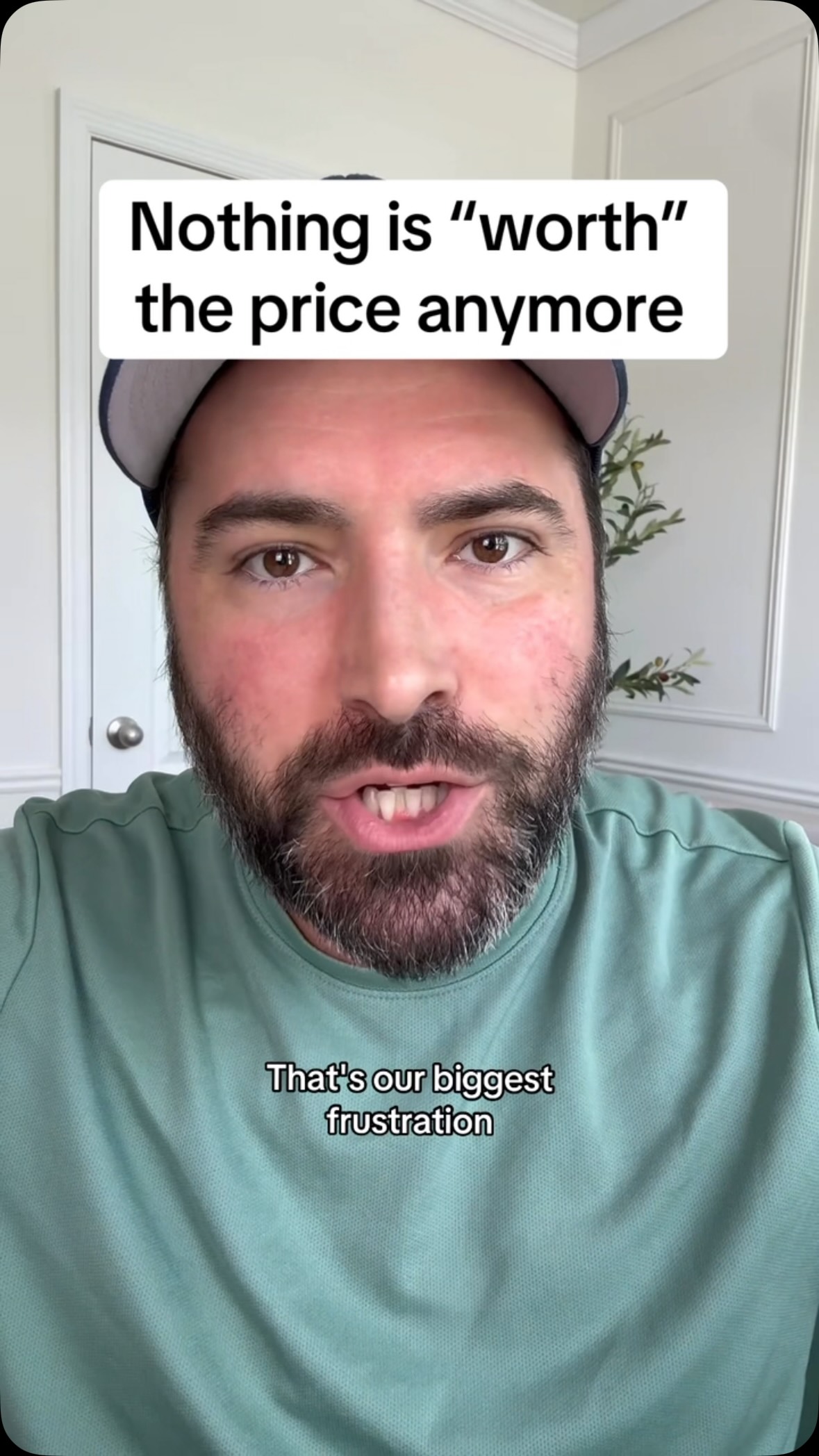
@fmsmith319 Nothing is “worth” the price anymore

@fmsmith319
Instagram · Yap
@fmsmith319 Nothing is “worth” the price anymore
Performance
Video #48821 · Yap
[01]
The creator delivers a passionate monologue explaining his frustration with the current cost of living, arguing that nothing is 'worth' its price anymore. He provides two detailed hypothetical examples—buying the cheapest, most rundown house in town and renting a subpar apartment—to demonstrate that even the most basic options require a financial sacrifice that far outweighs their value. He extends this logic to other expenses like dining out and concludes by asking the audience when they last felt they got a real 'deal,' suggesting that the feeling itself has disappeared.
[02]
[03]
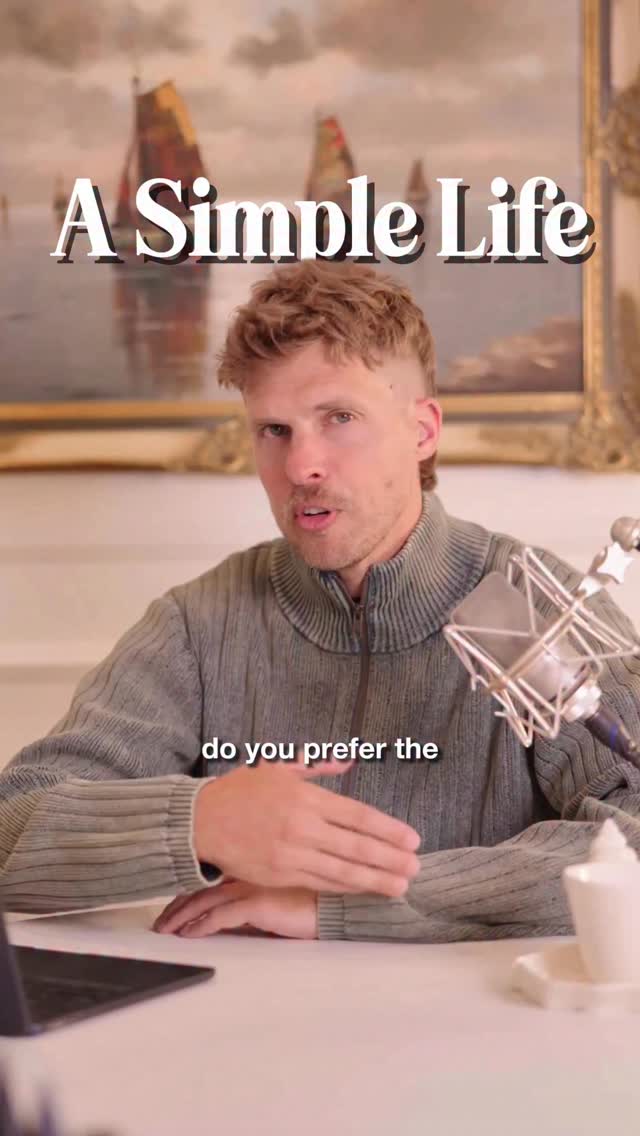 310.2KDeconstructs the simple life fantasy@orenmeetsworld · Breakdown
 593.9K3×Deadpan monologue about high living costs@couldbaret
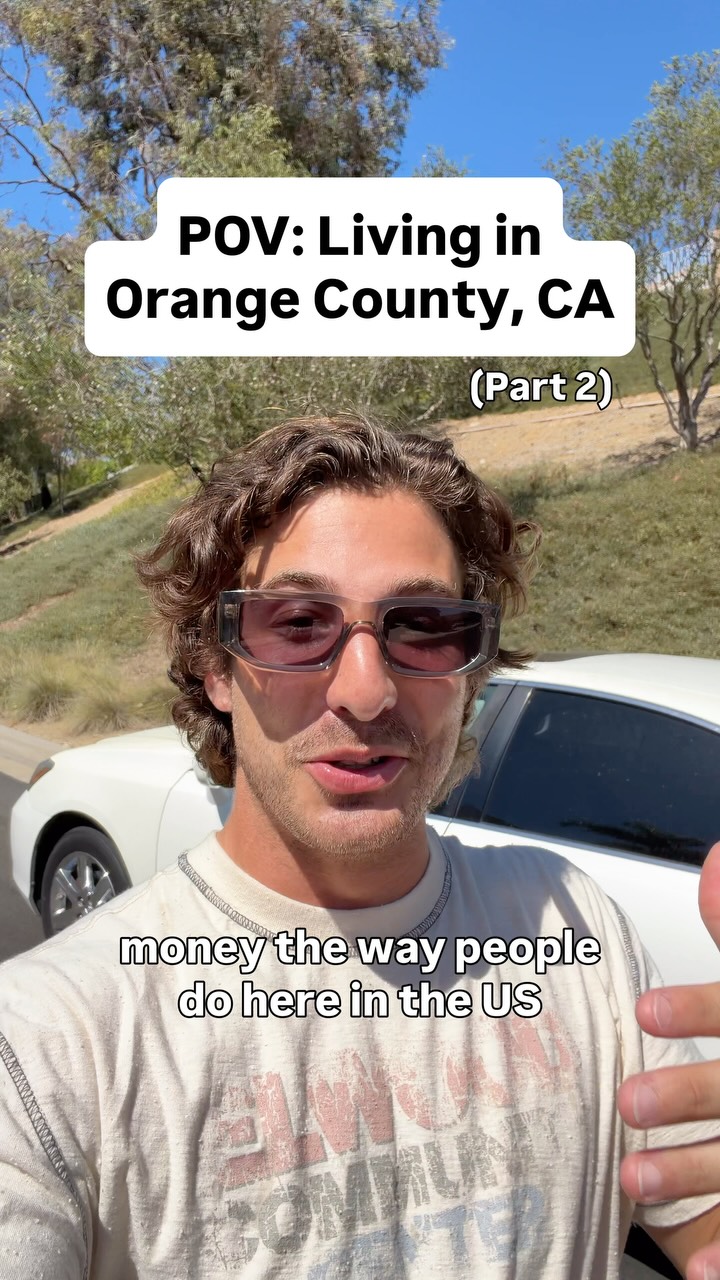 423.1KWalking monologue on lifestyle values@atfrenchies · Anecdotal Philosophy
 1.7M4.1×Comedic monologue on financial irresponsibility@davi87dp · Storytime
 274K1.4×Creator rants on housing market@fmsmith319 · Cultural Rant
 1.6M5.2×Creator gives direct travel advice@cbwritescopy · Hot Take
 2M10.1×Aspirational montage arguing for using possessions@gstaadguy · Brand Manifesto
 318.3K1.2×Rant about technology ruining society@willeygoat · Cultural Rant
 335.5K17.8×Water price analogy for self-worth@thomasmalucelli · Analogical Definition
 1M19.4×Creator shares opinionated price list@leightonwrites · Rapid Fire Listicle
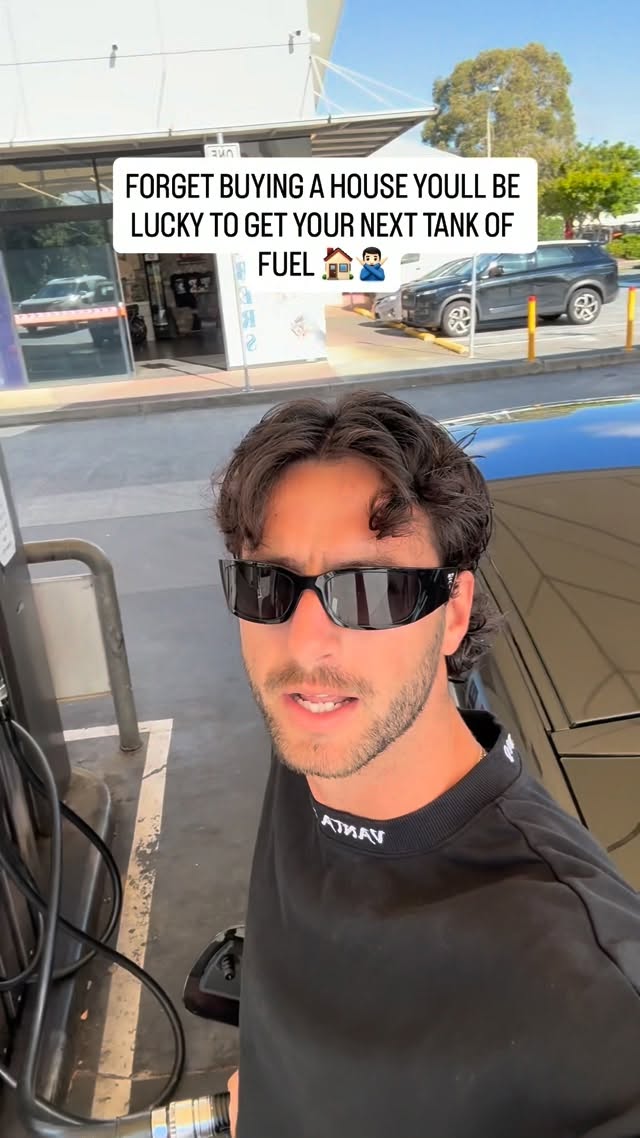 185.9K6.7×Creator rants about high gas prices@oikirkybruz · Cultural Rant
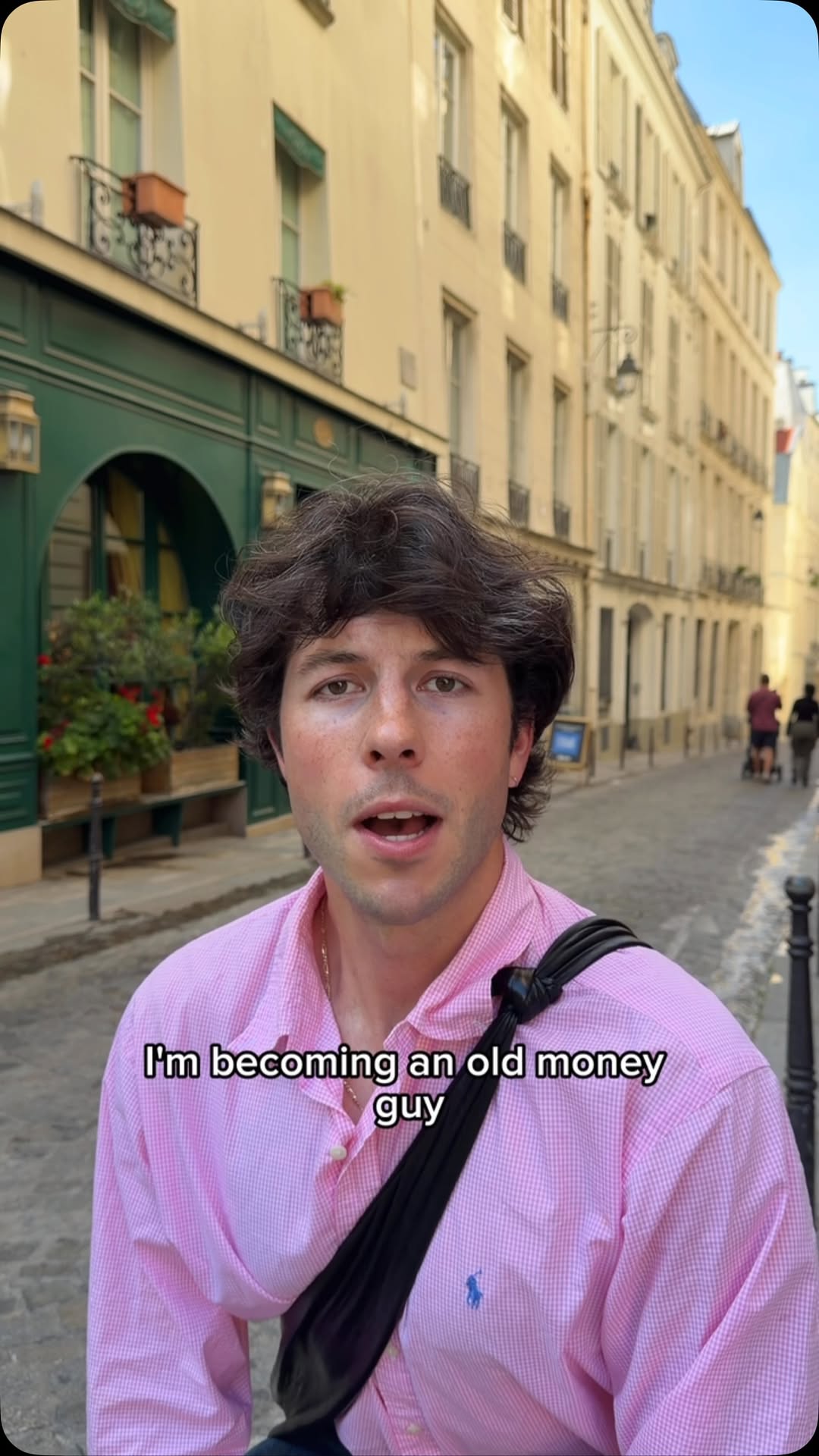 523.9K5.2×Satirical monologue on old money@wyattderman · Anecdotal Philosophy
[04]
[05]
What stops the scroll in the first 3 seconds
Title hook
Nothing is “worth” the price anymore
Verbal hook
The most frustrating part about the cost of living is that nothing is worth the price.
Visual hook
A direct, close-up shot of the speaker's expressive face as he speaks passionately to the camera. His intense eye contact and animated expressions create immediate human interest and convey strong emotion.
[07]
The promise the opener makes, and how the video pays it back
Hook
A bold, on-screen text statement that articulates a common but often unstated frustration, immediately hooking viewers who share that sentiment.
Payoff
A direct question to the audience that validates their feelings and transforms passive viewing into active participation by prompting them to share their own examples in the comments.
[08]
The structural pattern this video runs on
Framework
The Value Threshold Argument
To validate a widespread feeling of frustration by establishing a clear 'value vs. sacrifice' principle, proving it with two detailed, relatable examples, and then prompting the audience to share their own experiences.
The Universal Thesis
State the core problem or frustration as a universal truth that the audience is likely to agree with.
The First Case Study
Present a detailed, hypothetical scenario involving a high-stakes decision. Describe the 'sensible' but undesirable option, detailing its specific negative attributes to build empathy.
The Unacceptable Cost Reveal
Quantify the negative outcome of the case study with a specific, surprisingly high cost, creating a feeling of injustice for the viewer.
The Value Threshold Principle
Explicitly define the logic of the argument. Contrast the unacceptable current cost with a hypothetical lower cost that *would* make the sacrifice worthwhile, thereby codifying the 'worth it' calculation.
The Second Case Study
Apply the same narrative structure to a second, different but equally relatable scenario to demonstrate the widespread nature of the problem. Detail its specific negative attributes.
The Principle Reinforced
Re-apply the Value Threshold logic to the second case study, again contrasting the unacceptable real-world price with a hypothetical 'worth it' price to solidify the argument.
The Scope Expansion
Generalize the principle beyond the specific case studies to common, everyday experiences, making the problem feel pervasive and inescapable.
The Conversational Pivot
Directly address the audience with an open-ended question that invites them to validate the thesis with their own personal experiences, effectively turning a monologue into a community discussion.
The Final Solidarity Statement
Conclude by expressing personal inability to solve or escape the problem, cementing a bond of shared frustration with the viewer and leaving a powerful, memorable final thought.
Nothing is “worth” the price anymore
title · throughout
Nothing is “worth” the price anymore
Most frustrating part about the cost of living is that nothing is worth the price. That's our biggest frustration. If you're trying to buy a house in a town where the average house is 450,000, but you wanna be financially responsible, so you go find the cheapest rundown house in all of the town, which is $3.20. But it's forty five minutes away from worse, it's on a busy street, and it needs a lot of worse. That house is still $2,600 a month with today's interest rates. It is not worth the sacrifice of buying that for 2,600. If it was only $1,200 because the house was cheap, well, that's worth the sacrifice. 2,600 to not get anything you want is not worth it. Same thing with apartments. Let's say you wanna save money and pay off debt. You find this one bedroom in an old building, carpet's a little dirty, kinda smells musty, communal laundry, and there's a wall air conditioning unit that runs so slow that it never even gets to the bedroom. So your better, like, 85 degrees. If that apartment was only $700, it's worth waking up and sweating because you're saving so much money. But if that apartment is 15 to $1,800, it's not worth the sacrifice. Who the fuck is gonna spend $1,800 for that? 700? Hey, I'll deal with it because it's so cheap. It's the same thing going out to eat. You look at the prices, even some of the specialty rank, if you wanna grab a drink or two, it's just not worth it. I don't know. Do you... What is the last thing that you bought that you felt like this is kind of a deal? I don't even know what the feeling of a deal is anymore.