@fmsmith319
Instagram · Graphic Yap
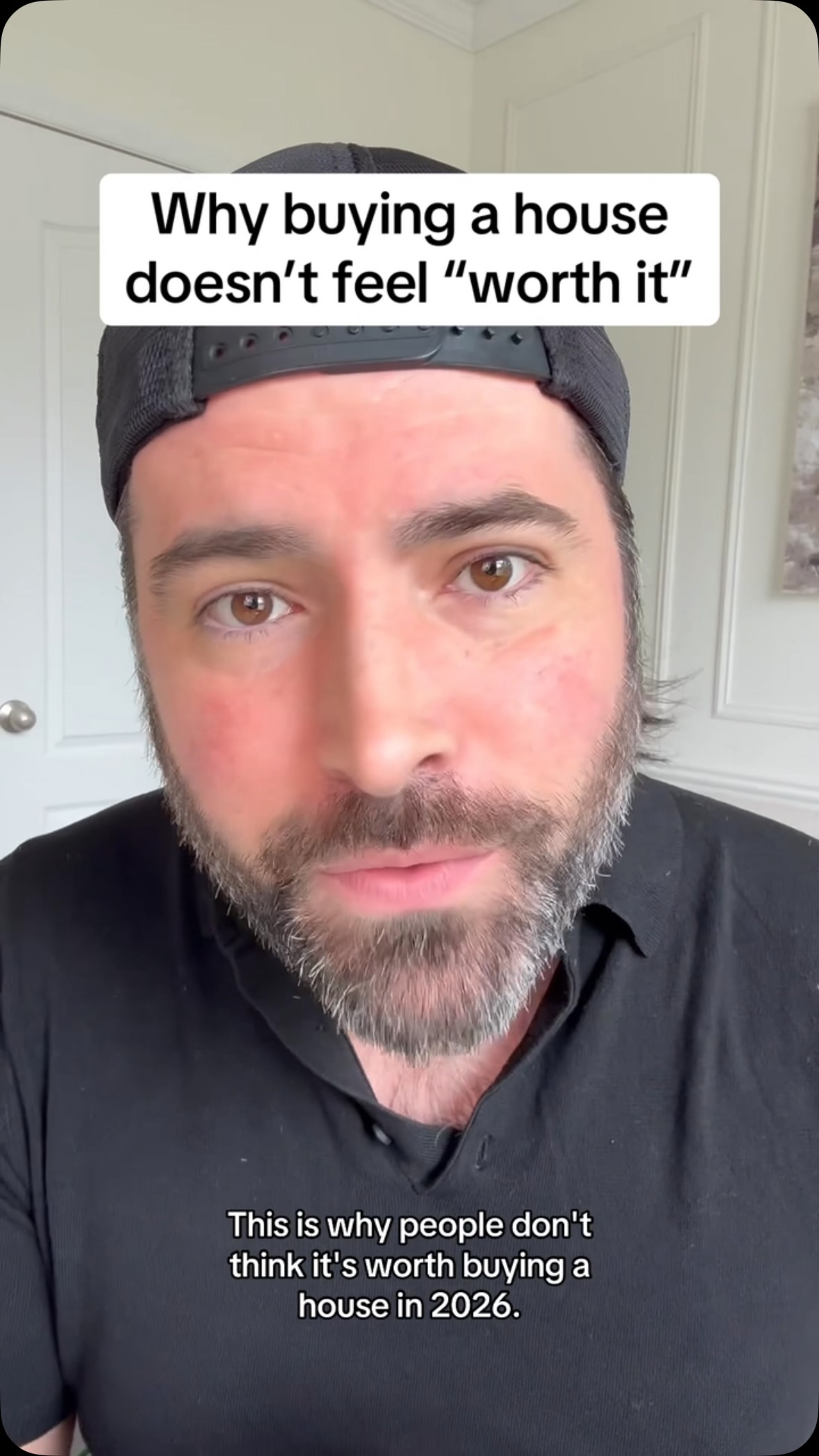
@fmsmith319 Why buying a house doesn’t feel “worth it” in 2026

@fmsmith319
Instagram · Graphic Yap
@fmsmith319 Why buying a house doesn’t feel “worth it” in 2026
Performance
Video #49114 · Graphic Yap
[01]
The creator compares the cost and value of two different houses—a large, desirable one from 2020 and a smaller starter home today—to argue that the drastic decline in affordability is why buying a house no longer feels 'worth it.' He uses their identical monthly payments ($3100) to highlight the disparity, provides historical sales data for context, and contrasts the income required to purchase these homes then versus now to solidify his point.
[02]
[03]
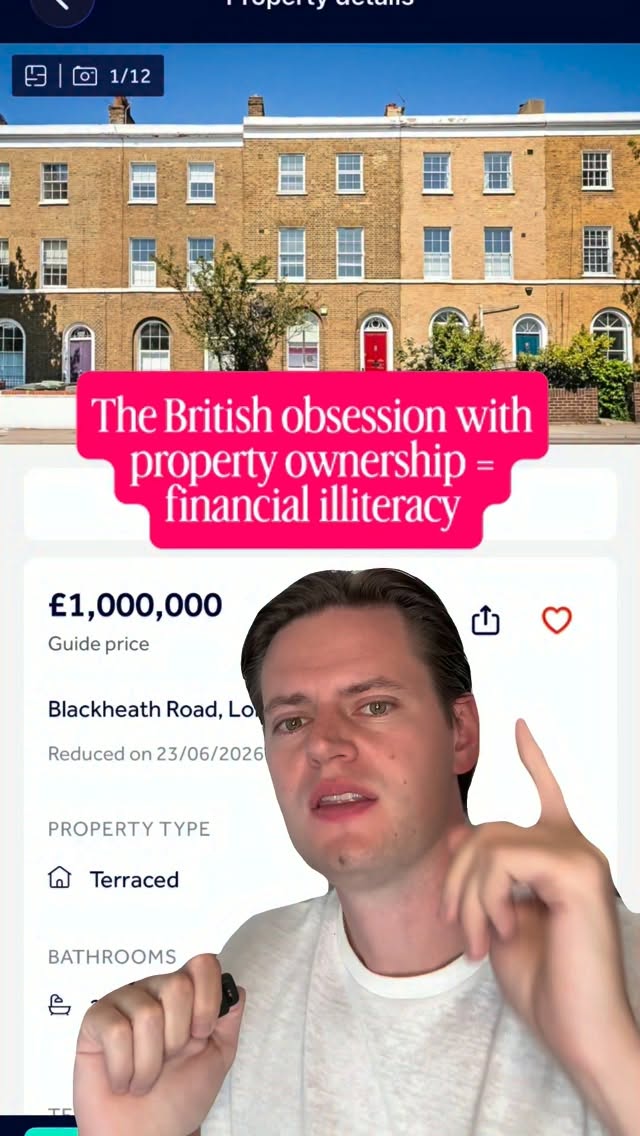 184.8K81.6×Rent vs buy financial comparison@thealexbranford · Breakdown
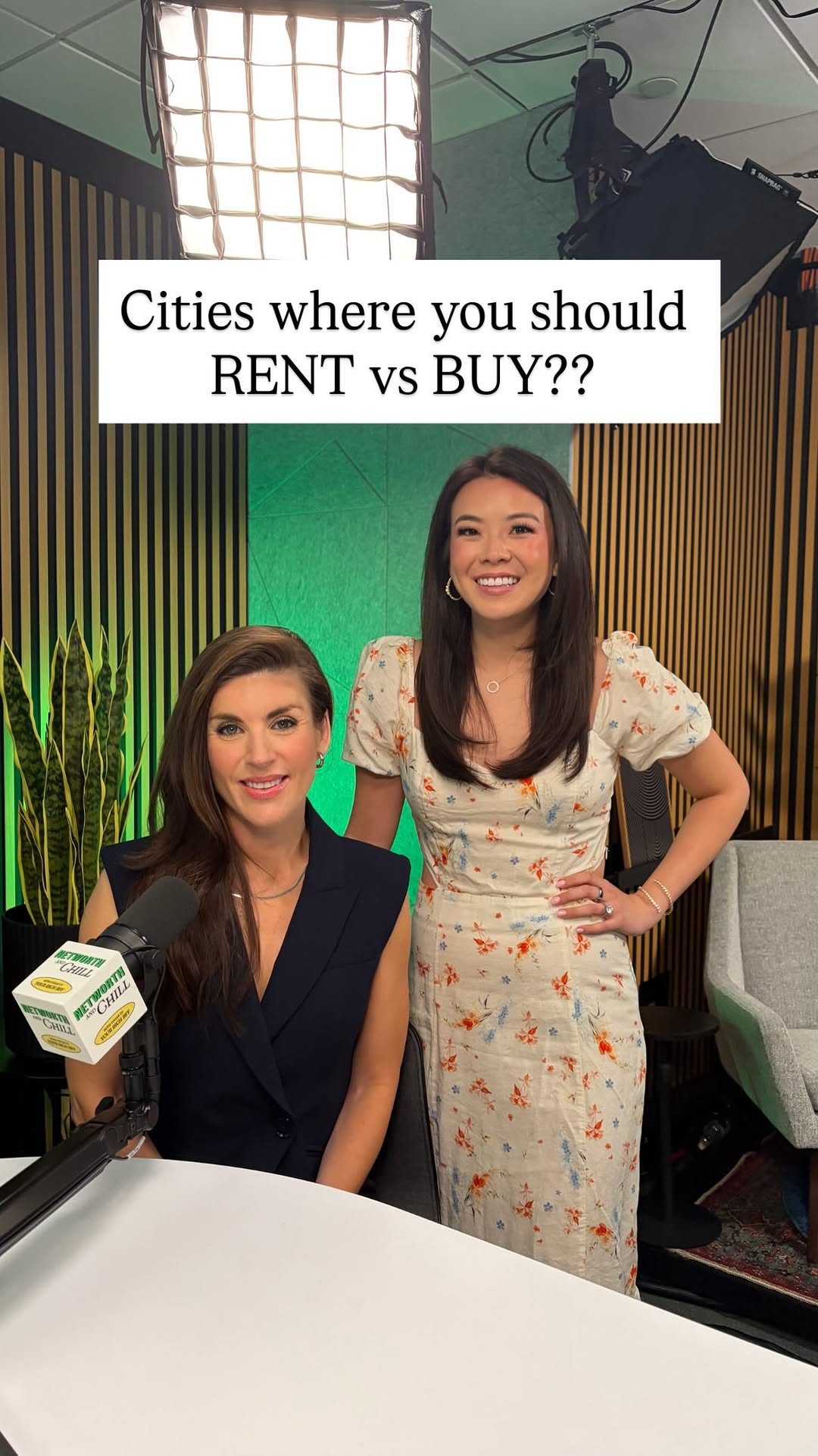 663.7K325.2×Comparing cities to buy vs rent@your.richbff · Breakdown
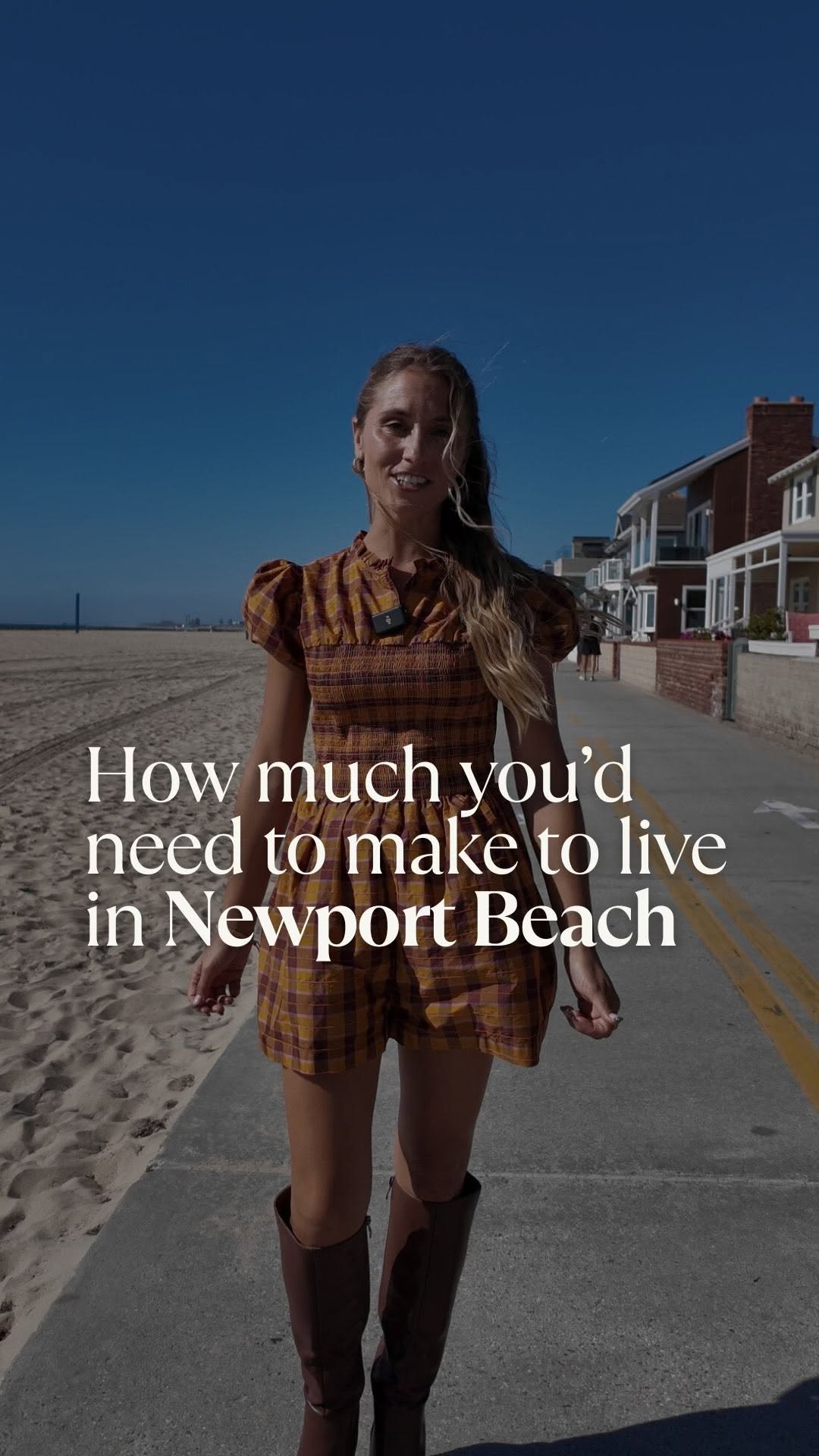 310.1K27.6×Cost breakdown for beach home@thenetwork.realestate · Breakdown
 572.9K11.8×Asking rent, gets $23M house tour@sandiegotalks
 319.6K70.7×Explaining the decline of Airbnb@theoparisi__ · Breakdown
 61.6K35×Case study on buying hotels@david_kijlstra · Case Study Breakdown
 851.9K17.7×Explaining the 'Nowhere-Maxxing' cultural trend@orenmeetsworld · Breakdown
 100K11.6×Speaker explains investment with B-roll@davidkijlstra · Opportunity Explainer
 444.9KComparing US vs. Germany tech salaries@dalilasvlog · Anecdotal Philosophy
 939.4KExplainer on third places@paulwillstout · Breakdown
 3.1M85.3×Creator explains mid-tier business decline@the.ryanexperience · Breakdown
 158.1K17.6×Hotel vs villa investment breakdown@davidkijlstra · Opportunity Explainer
[04]
[05]
What stops the scroll in the first 3 seconds
Title hook
Why buying a house doesn’t feel “worth it”
Verbal hook
This is why people don't think it's worth buying a house in 2026.
Visual hook
A medium close-up of the creator speaking directly to the camera with a serious and engaging facial expression, creating a direct human connection.
[07]
The promise the opener makes, and how the video pays it back
Hook
A bold, future-facing thesis statement that frames a common frustration and promises a clear explanation (e.g., 'This is why X doesn't feel worth it in [Future Year]').
Payoff
Summarize the consequences of the value collapse in practical terms (e.g., required income, percentage of budget), explicitly stating the conclusion that it 'doesn't feel worth it' and validating the viewer's initial frustration.
[08]
The structural pattern this video runs on
Framework
The Value Collapse Framework
To prove a decline in value over time by anchoring a past 'ideal' state, contrasting it with a degraded 'current' state, and revealing a shocking price parity between the two. The argument is then amplified by revealing the even lower historical cost of the degraded item.
The 'Golden Era' Anchor
Introduce a highly desirable example from the recent past and establish its specific cost. This sets a high-value baseline in the viewer's mind for a specific price point.
The Value Affirmation
Directly ask the audience to agree that the past example was a good value for its price, then immediately and emphatically agree with them. This builds rapport and aligns the creator with the viewer's perspective.
The 'New Normal' Contrast
Introduce a clearly inferior, less desirable example from the present day that serves as a direct comparison to the 'Golden Era' anchor.
The Price Parity Shock
Reveal that the new, inferior item costs the exact same amount as the old, superior one. This is the core argumentative pivot that generates tension and a sense of injustice.
The 'Gut-Feel' Valuation
State what the inferior item *should* cost to feel like a fair deal. This validates the audience's feeling of being overcharged and positions the creator as their advocate.
The Historical Dagger
To maximize the sense of loss, reveal the historical price of the *inferior* item from an even earlier time, showing it was once incredibly affordable. This dramatically illustrates the rate of value collapse.
Why buying a house doesn’t feel “worth it” in 2026
title · beginning
Why buying a house doesn’t feel “worth it”
contextual · beginning
12/08/2020 $580K
contextual · end
07/14/2016 Sold $185K
Is why people don't think it's worth buying a house in 2026. This house right here in 2020 sold for $580,000 And with the low interest rates in 2020, with property taxes and everything out the door with a 10% down payment, this house was $3,100 a month. Do you feel this house is worth 3,100? Absolutely. You reach that 6 figure threshold with your family, you have your debt paid off, and you buy this beautiful house. But if you fast forward to today, just six years later, this house is eight minutes down the street, and this house is now $3,100 a month. And people say, well, millennials and gen z's are just too bougie. No. This is a great house, but not for $3,100. This house, I feel, would be a great deal for around 1,700 a month. And I know that's not the reality, but that's what would feel good. That's what millennials and gen z's would pay for this starter home. Because when you look back just five, six years ago when that could have got you the house for 3,100 rank now this is what you get for 3,100, that's why it just doesn't feel worth the money. And the crazy thing is that this house in 2016 sold for a $185,000 You were looking at $1,100 a month. Worth it. You could qualify potentially making $40,000 a year best ten years ago. Now you need about a 100,000 for this house with all your debt paid off. And even then, it's probably gonna take up 50 percent of your take home pay for this house. Doesn't feel worth it.