@marcotrunzo
Instagram · Graphic Yap
@marcotrunzo Follow for more hidden truths

@marcotrunzo
Instagram · Graphic Yap
@marcotrunzo Follow for more hidden truths
Performance
Video #49141 · Graphic Yap
[01]
The creator presents a conspiracy theory arguing that the sinking of the Titanic was an orchestrated event. He claims it was a "coordinated hit" to eliminate wealthy opponents of the Federal Reserve, such as John Jacob Astor and Benjamin Guggenheim, clearing the way for its establishment a year later. The creator uses a series of "coincidences" and connections, like JP Morgan's last-minute cancellation and the subsequent passing of the Federal Reserve Act, to build his case.
[02]
[03]
 5.5MConnecting events to form conspiracy@jarodsheppard · Conspiracy Breakdown
 1.1M2.8×Explaining conspiracy theory on golf course@swaggylaggygolfdaddy · Conspiracy Breakdown
 4.6M11.3×Conspiracy theory framed as a joke@swaggylaggygolfdaddy · Conspiracy Breakdown
 221.3K5.3×Creator debunks viral conspiracy theory.@davejorgenson1 · Conspiracy Breakdown
 726K1.7×Golf course conspiracy theory breakdown@swaggylaggygolfdaddy · Breakdown
 2.6M6.9×Golf course political conspiracy breakdown@swaggylaggygolfdaddy · Conspiracy Breakdown
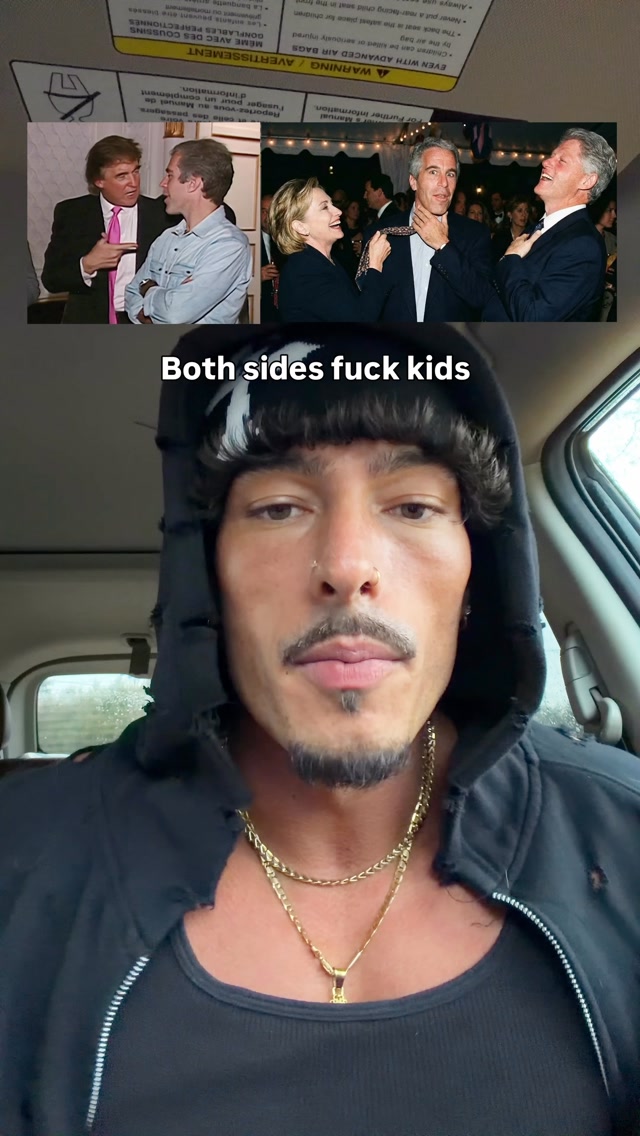 1.9MExplaining political conspiracy with overlays@marcotrunzo · Conspiracy Breakdown
 837.9K2.1×Explaining conspiracy while on golf course@swaggylaggygolfdaddy · Conspiracy Breakdown
 209.6K6.4×Exposing MrBeast's corporate partnerships@zephzoid · Advocacy Journalism
 117.1KPolitical analysis with B-roll cutaways@wired · Breakdown
 64.9KInvestigative breakdown of soccer scandal@maxxrosenblum · Breakdown
 774.2K1.9×Conspiracy theories on the fairway@swaggylaggygolfdaddy · Explainer
[04]
[05]
What stops the scroll in the first 3 seconds
Title hook
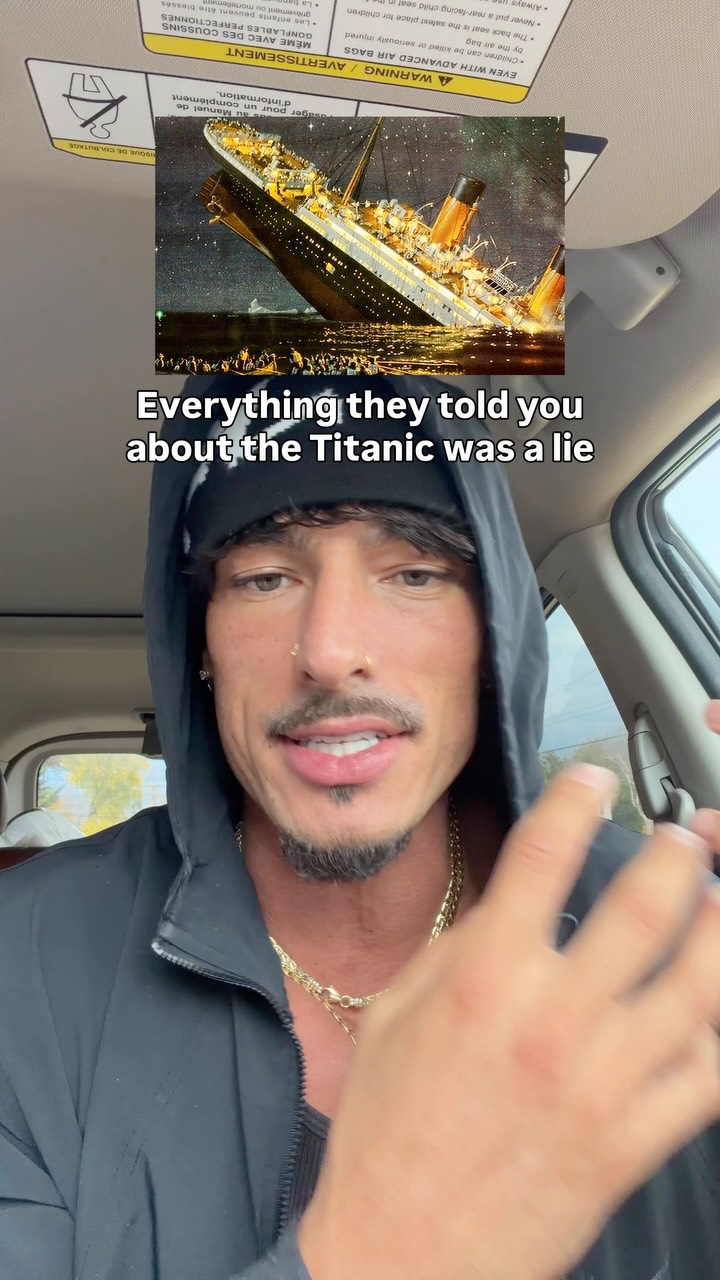
Everything they told you about the Titanic was a lie
Verbal hook
Everything they told you about the Titanic was a lie.
Visual hook
A speaker addresses the camera directly from inside a car, with a dramatic image of the Titanic sinking and a bold text overlay appearing above his head within the first second.
[07]
The promise the opener makes, and how the video pays it back
Hook
A bold, contrarian statement that invalidates the commonly accepted narrative of a well-known event.
Payoff
The final revelation that a seemingly unrelated major event was the direct, intended consequence of the initial incident, solidifying the conspiracy and explaining its lasting negative impact on society.
[08]
The structural pattern this video runs on
Framework
The Hidden Timeline Conspiracy
To reframe a well-known historical or public event as a deliberate act by a shadowy group to eliminate opposition and achieve a hidden objective. The narrative builds a case by connecting a series of 'coincidences' that culminate in a major societal shift that benefited the conspirators.
The Reframe
Immediately dismisses the mainstream explanation and proposes a more sinister, deliberate alternative (e.g., 'It wasn't an accident, it was an assassination').
The Skeptic's Gambit
Preemptively acknowledges audience skepticism ('I know this sounds crazy, but...') to build rapport and lower their defenses.
The Convenient Anomaly
Presents the first piece of 'evidence' – a key figure who suspiciously benefited from or avoided the event.
The Sacrificial Pawns
Introduces the key figures who were the victims of the event, framing them as specific targets.
The Motive Reveal
Explains why the victims were a threat to the conspirators' larger plan, establishing them as obstacles that needed to be removed.
The Timeline Pivot
Explicitly states that the event was a turning point, marking the beginning of the conspirators' 'real' plan.
The Smoking Gun
Connects the event directly to a subsequent, major societal or political change that served the conspirators' agenda, presenting it as the ultimate proof.
Follow for more hidden truths
informational · middle
Wealth: Widely considered the richest passenger on board the Titanic.
informational · middle
Central Bank [‘sen-trəl ‘bæŋk] A financial institution given privileged control over the production and distribution of money and credit for a nation or a group of nations.
informational · middle
Wealth: Heir to a massive industrial and mining fortune.
informational · middle
The Guggenheim family built their vast fortune through a global mining and smelting empire centered on silver, gold, lead, and copper. - Wikipedia
informational · end
PHASE 1 (1912): Eliminate the Opposition (Titanic) PHASE 2 (1913): Take Control of the Money (Federal Reserve) PHASE 3 (1914): Fund the Global Conflict (World War I)
informational · end
ON THIS DAY IN HISTORY DEC. 23, 1913 Woodrow Wilson signed the Federal Reserve Act into law.
Everything they told you about the Titanic was a lie. It wasn't just a tragic love story like Hollywood portrayed it. It was a coordinated hit. I know what you're thinking. Not everything has to be a conspiracy. It's just a weird coincidence that JP Morgan, the owner of the Titanic, decided not to board the ship at the last second. And it wasn't because boats make him seasick. He went to meet the Rothschilds in Europe. Now look who did board. Mister Astor and mister Guggenheim. They were the final wall standing between the elite and the complete control over America's wealth. Better was funding Nikola Tesla's free energy and fighting centralized banking. Guggenheim's empire was directly threatening the banking cartel's monopoly. Together, they had the money, the power, and the influence to shut down the elite's master plan before it even started. But they both went down with the ship that night, and that's when the real timeline begins. Because exactly one year after their opposition was wiped out, the Federal Reserve Act was signed into law. And just like that, America's currency was no no backed by physical gold or silver, but by a bank printing