@benhbader
TikTok · Yap

@benhbader follow on ig @ benhbader

@benhbader
TikTok · Yap
@benhbader follow on ig @ benhbader
Performance
Video #6037 · Yap
[01]
The creator delivers a direct-to-camera monologue arguing that over-analyzing and intellectualizing decisions ruins one's natural charisma and authenticity. He explains how this habit leads to missed opportunities in social and professional life by causing self-doubt and inaction. He concludes by challenging the idea that this is 'deep thinking,' bluntly stating it's foolish behavior.
[02]
[03]
 628.5K61.5×Car monologue about losing respect@sensei.nick · Anecdotal Philosophy
 2.4M8.9×Monologue on not settling in life@benhbader · Motivational Mantra
 128.4KHigh-energy creative mindset breakdown@johnbucog · Breakdown
 2.4M38.6×Passionate rant about dumb people@cayydences · Cultural Rant
 189.7K6.5×Direct to camera friendship philosophy@couldbaret · Anecdotal Philosophy
 169.2K4.2×Raw motivational talk from car@gregcolbeck · Motivational Mantra
 8.5MMoody outdoor mindset advice monologue@tonito.rt · Motivational Mantra
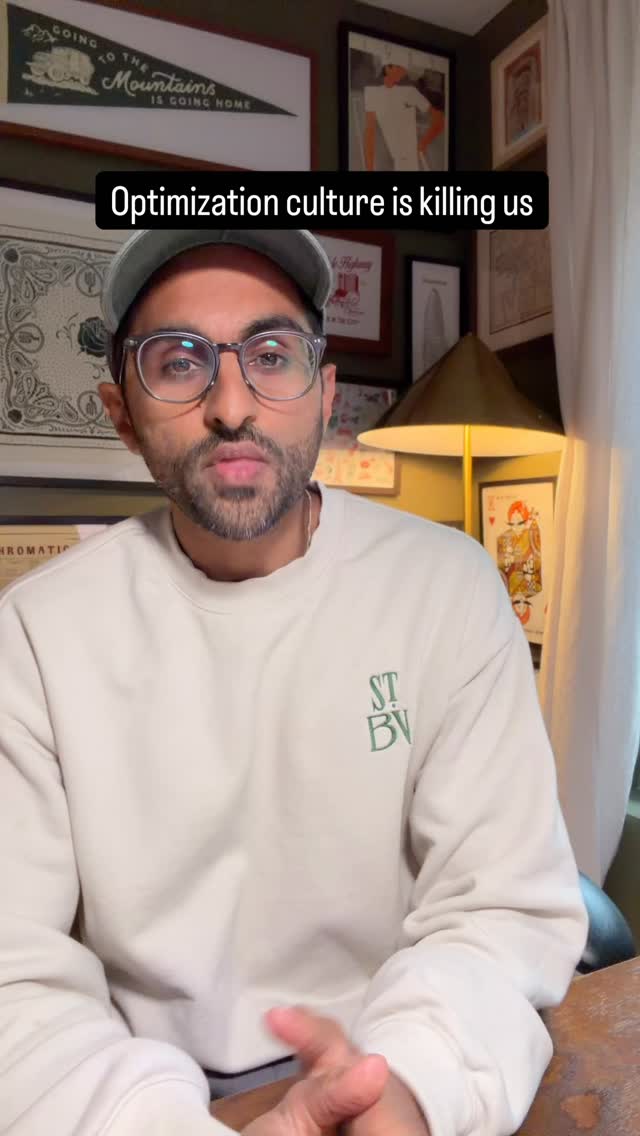 8.1M481.1×Critiquing optimization culture with evidence@shwinnabegobrand · Cultural Rant
 81.1KDirect talk on personal responsibility@sensei.nick · Hot Take
 1.2MDirect motivational talk about identity@tysonnek · Motivational Mantra
 113.5K3.4×Passionate monologue reframing humility@bellasolanot · Motivational Mantra
 196.7K7.5×Tough love motivational rant@higherupwellness · Motivational Mantra
[04]
[05]
What stops the scroll in the first 3 seconds
Verbal hook · 75%
You ruin your natural charisma and authenticity when you convince yourself that analyzation makes you mentally superior...
Visual hook · 25%
A medium close-up shot of the speaker looking directly into the camera, creating an immediate and personal connection with the viewer. The natural lighting and unstyled appearance contribute to an authentic, raw feel.
[06]
Steal this for your own video
You ruin your natural when you convince yourself that makes you .
[07]
The promise the opener makes, and how the video pays it back
Hook
A direct, accusatory statement that identifies a common psychological flaw, immediately engaging the viewer's self-perception.
Payoff
The video concludes by exposing the ultimate self-deception the viewer uses to feel superior (e.g., 'I'm a deep thinker') and then demolishes it with a blunt, simple, and often insulting label that is memorable and shareable.
[08]
The structural pattern this video runs on
Framework
The Brutal Reframe
To identify a common self-sabotaging behavior, illustrate its negative consequences, dismantle the user's internal justifications for it, and then deliver a shocking, memorable punchline that reframes the behavior as a simple flaw rather than a complex strength.
The Accusatory Premise
The video opens by defining a specific self-defeating mindset (over-analysis) that the viewer likely engages in, framing it as a loss of a positive quality (authenticity, charisma).
The Consequence Cascade
The narrative provides a series of concrete, highly relatable examples of how this mindset negatively impacts different areas of life (social, professional, romantic), making the abstract problem feel tangible.
The Flawed Alibi
The speaker articulates and then debunks the common internal excuse or rationalization the viewer uses to justify their inaction, showing they understand the viewer's thought process.
The Identity Corruption
The argument escalates to describe the deeper, negative transformation of the self that results from this behavior, contrasting the authentic self with an artificial, calculated version.
follow on ig @ benhbader
You ruin your natural charisma and authenticity when you convince yourself that analyzation makes you mentally superior, and you second guess that gut feeling that just knows when it's time to take a chance or let it fly. This makes you hold in any joke or comment that could lead to a real connection. It makes you overthink the business idea or what to say to the pretty girl. And you tell yourself it didn't feel right, but you know you just talked yourself out of taking your natural instinctive action. And when you do this, you expel the carefree, true version of yourself and replace it with this robotic calculation of who you think you should be. But then you do these mental gymnastics to justify it to yourself and say, oh, I'm a deep thinker, when really you're not a deep thinker, you're just an idiot.