@wyndlyteam Three things to know about anaphylaxis. Anaphylaxis is a life-threatening reaction that happens when you're exposed to something you're allergic to, like a peanut if you have a peanut allergy or a bee sting or even allergy shots. So one, anaphylaxis can happen anywhere between the immediate exposure or 30 minutes. That's why you have to be watched for 30 minutes after an allergy shot. Two, what are the symptoms of anaphylaxis? Well, it can be your throat starts closing so you have trouble breathing. You can get hives and rashes of your skin. Your blood pressure can get low and you can get dizziness. And three, how do you treat anaphylaxis? You wanna use an EpiPen. If you think you're having anaphylaxis, you wanna pull the pin, put the orange side down, and inject it into your thigh. You also wanna make sure you call 911 because anaphylaxis can actually come back even after the epinephrine wears off. If you think you've had anaphylaxis or you've had to go to the hospital for anaphylaxis, you should see an allergist or an ENT to start figuring out the best way to treat this in the future. #allergies #allergyrelief #allergy #allergic #allergicreactions #allergymedicine #allergymedication #allergens #petallergens #pollenallergy #petallergy #dustallergy #allergytreatments #sinushealth #healthyliving #livingwell #livinghealthy #allergycare #allergysymptoms #immunotherapy #petallergies #seasonalallergies #allergytest #wyndly #allergicreaction #anaphylaxis
Doctor explains three facts about anaphylaxisfrom @wyndlyteam
[01]
Overview
A doctor explains three key things about anaphylaxis. He first defines it as a life-threatening allergic reaction, then explains that it can happen within 30 minutes of exposure. Next, he lists the symptoms, including throat closing, hives, and low blood pressure, and finally, he demonstrates how to use an EpiPen and stresses the importance of calling 911.
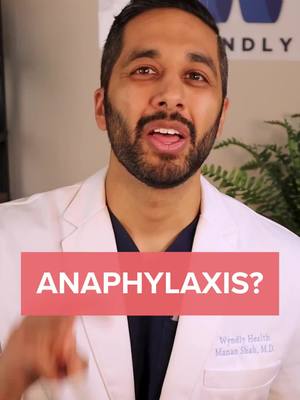
A doctor in a white coat holds up three fingers to the camera while holding an EpiPen, visually reinforcing the verbal hook and establishing expertise.
[07]
Hook and payoff
The promise the opener makes, and how the video pays it back
Hook
A direct, numerical promise that clearly states the video's value proposition (e.g., 'Three things you need to know about X').
Payoff
A long-term strategic recommendation that advises the viewer on how to prevent or manage the issue in the future, often serving as a soft call-to-action for professional services.
[08]
Narrative framework
The structural pattern this video runs on
Framework
The 1-2-3 Emergency Protocol
A numbered list format that educates the viewer on a high-stakes topic by systematically breaking it down into context, identification, and an actionable, multi-step solution.
1
The High-Stakes Definition
Defines the topic, establishes its importance, and provides relatable examples to ground the concept for the viewer.
2
The First Rule: Context & Timing
Presents the first key piece of information, often focusing on the conditions, environment, or timeframe in which the problem occurs.
3
The Second Rule: Symptom Checklist
Presents the second key piece of information, providing a list of observable signs or symptoms that allow the viewer to identify the problem in real-time.
4
The Third Rule: The Actionable Solution
Introduces the primary tool or method for solving the problem, shifting from identification to action.
5
The Lifesaving Procedure
Provides a step-by-step physical demonstration of how to use the tool or apply the solution, making the instructions clear and memorable.
6
The Secondary Protocol
Adds a critical, non-obvious follow-up step that must be taken after the initial solution is applied, reinforcing the creator's authority and the topic's seriousness.
Themes
Health & Safety
Medical Education
Emergency Preparedness
Techniques
Direct address
Numbered list
Product demonstration
Post caption
Three things to know about anaphylaxis. Anaphylaxis is a life-threatening reaction that happens when you're exposed to something you're allergic to, like a peanut if you have a peanut allergy or a bee sting or even allergy shots. So one, anaphylaxis can happen anywhere between the immediate exposure or 30 minutes. That's why you have to be watched for 30 minutes after an allergy shot. Two, what are the symptoms of anaphylaxis? Well, it can be your throat starts closing so you have trouble breathing. You can get hives and rashes of your skin. Your blood pressure can get low and you can get dizziness. And three, how do you treat anaphylaxis? You wanna use an EpiPen. If you think you're having anaphylaxis, you wanna pull the pin, put the orange side down, and inject it into your thigh. You also wanna make sure you call 911 because anaphylaxis can actually come back even after the epinephrine wears off. If you think you've had anaphylaxis or you've had to go to the hospital for anaphylaxis, you should see an allergist or an ENT to start figuring out the best way to treat this in the future. #allergies #allergyrelief #allergy #allergic #allergicreactions #allergymedicine #allergymedication #allergens #petallergens #pollenallergy #petallergy #dustallergy #allergytreatments #sinushealth #healthyliving #livingwell #livinghealthy #allergycare #allergysymptoms #immunotherapy #petallergies #seasonalallergies #allergytest #wyndly #allergicreaction #anaphylaxis
Text overlays
informational · beginning
Three things to know about anaphylaxis.
title · beginning
ANAPHYLAXIS?
branding · beginning
Wyndly Health Manan Shah, M.D.
branding · beginning
DR. MANAN SHAH, MD
ENT, Allergist, & Founder, Wyndly Health
call-to-action · middle
FOLLOW IF YOU HATE YOUR ALLERGIES
call-to-action · middle
ASK QUESTIONS IN THE COMMENTS
call-to-action · end
WANT TO FIX YOUR ALLERGIES FOREVER? CHECK OUT MY PROFILE!
Transcript
Three things to know about anaphylaxis. Anaphylaxis is a life threatening reaction that happens when you're exposed to something you're allergic to, like a peanut if you have a peanut allergy or bee sting or even allergy shots. So one, anaphylaxis can happen anywhere between the immediate exposure or thirty minutes. That's why you have to be watched for thirty minutes after an allergy shot. Two, what are the symptoms of anaphylaxis? Well, it can be your throat starts closing no you have trouble breathing, you can get hives and rashes of your skin, your blood pressure can get low, and you can get dizziness. And three, how do you treat anaphylaxis? You You want to use an EpiPen. If you think you're having anaphylaxis, you want to pull the pin, put the arm side down and inject it into your thigh. You also want to make sure you call 911 because anaphylaxis can actually come back even after the epinephrine wears off. If you think you've had anaphylaxis or you've had to go to the hospital for anaphylaxis, you should see an allergist or an ENT to start figuring out the best way to treat this in the future.