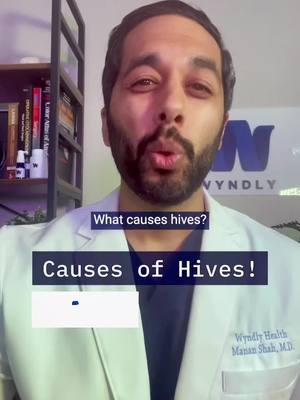
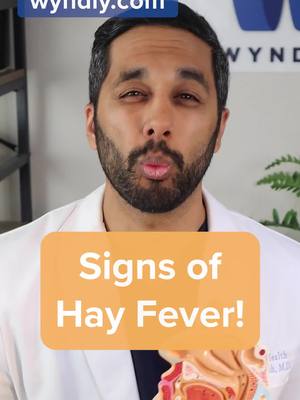
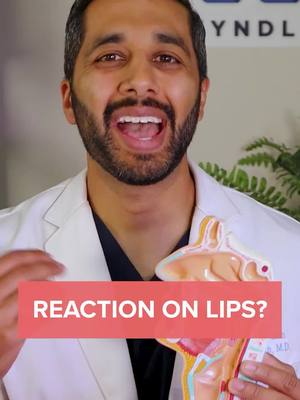
@wyndlyteam What causes hives? When your body is exposed to something, either through breathing it in or eating or drinking it, or having it touch your skin, there are cells called mast cells. These cells release histamine, and that histamine causes your skin to cause hives, essentially welts. And what happens is histamine causes your blood vessels to go from being small to being big, in that sense, blood to the area, and cause the swelling. Now, if the hives are really bad, you can try something like Zyrtec, Claritin, or antihistamines that can make the hives go down. If the hives are also associated with throat closing or symptoms that are scary, you may want to take what's called an EpiPen. And if they keep happening, you might want to go see an allergist or get an allergy test. If you'd like to learn more, please subscribe. #allergies #allergyrelief #allergy #allergic #allergicreactions #allergymedicine #allergymedication #allergens #petallergens #pollenallergy #petallergy #dustallergy #allergytreatments #sinushealth #healthyliving #livingwell #livinghealthy #allergycare #allergysymptoms #immunotherapy #petallergies #seasonalallergies #allergytest #wyndly
Doctor explains hives and treatmentsfrom @wyndlyteam
[01]
Overview
The creator, a doctor, explains the biological causes of hives, detailing how allergens trigger mast cells to release histamine, which in turn causes skin welts. He uses an anatomical model to illustrate exposure points and then provides a tiered list of solutions, from over-the-counter antihistamines for mild cases to using an EpiPen for severe reactions and seeing an allergist for recurring issues.
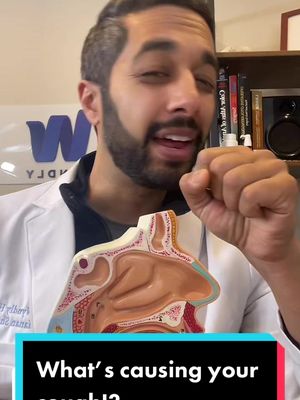
A doctor in a white lab coat makes direct eye contact with the camera, establishing immediate authority. He quickly introduces a large, colorful anatomical model of a human head, which serves as an interesting and unusual visual prop.
[07]
Hook and payoff
The promise the opener makes, and how the video pays it back
Hook
A direct, relatable question that frames a common problem the target audience faces, immediately establishing relevance.
Payoff
A call to action that positions the creator as a continued source of valuable information, encouraging a follow or subscription to learn more.
[08]
Narrative framework
The structural pattern this video runs on
Framework
The Tiered Solution Funnel
Answering a common user question by first explaining the underlying mechanism, then providing a tiered set of solutions that escalate in intensity, and finally directing the user to expert help for persistent issues.
1
The Foundational 'Why'
A concise explanation of the root cause or underlying biological/mechanical process behind the problem. This establishes authority and provides essential context for the solutions that follow.
2
The First-Tier Solution
Presents the most accessible, low-stakes solution for mild or common instances of the problem, offering an immediate and easy action for the viewer.
3
The High-Stakes Escalation
Introduces a more severe version of the problem and pairs it with a more urgent or powerful solution. This addresses the audience's worst-case fears and provides critical safety information.
4
The Pro-Level Path
A recommendation for seeking professional or expert help if the problem is chronic or recurring, providing a clear long-term strategy and next step.
Themes
Health education
Allergy management
Medical information
Self-care
Techniques
Expert authority
Visual aids
Problem-solution framework
Post caption
What causes hives? When your body is exposed to something, either through breathing it in or eating or drinking it, or having it touch your skin, there are cells called mast cells. These cells release histamine, and that histamine causes your skin to cause hives, essentially welts. And what happens is histamine causes your blood vessels to go from being small to being big, in that sense, blood to the area, and cause the swelling. Now, if the hives are really bad, you can try something like Zyrtec, Claritin, or antihistamines that can make the hives go down. If the hives are also associated with throat closing or symptoms that are scary, you may want to take what's called an EpiPen. And if they keep happening, you might want to go see an allergist or get an allergy test. If you'd like to learn more, please subscribe. #allergies #allergyrelief #allergy #allergic #allergicreactions #allergymedicine #allergymedication #allergens #petallergens #pollenallergy #petallergy #dustallergy #allergytreatments #sinushealth #healthyliving #livingwell #livinghealthy #allergycare #allergysymptoms #immunotherapy #petallergies #seasonalallergies #allergytest #wyndly
Text overlays
informational · beginning
What causes hives?
title · beginning
Causes of Hives!
branding · beginning
W WYNDLY
contextual · beginning
DR. MANAN SHAH, MD
ENT, Allergist, & Founder, Wyndly Health
call-to-action · middle
FOLLOW IF YOU HATE YOUR ALLERGIES
call-to-action · middle
ASK QUESTIONS IN THE COMMENTS
call-to-action · end
WANT TO FIX YOUR ALLERGIES FOREVER? CHECK OUT MY PROFILE!
Transcript
What causes hives? When your body is exposed to something, either through breathing it in or eating or drinking it or having it touch your skin, there are cells called best cells. These cells release histamine, and that histamine causes your your skin to cause hives, essentially welts. And what happens is histamine causes your blood vessels to go from being small to being big, and that sends blood to the area and causes swelling. Now if the hives are really bad, you can try something like Zyrtec, Claritin, or antihistamines. That can make the hives go down. If the hives are also associated with throat closing or symptoms that are scary, you may wanna take what's called an EpiPen. And if they keep happening, you might wanna go see an allergist or get an allergy test. If you'd like to learn more, please subscribe.
Doctor explains hives and treatments | Viral Hooks