@yougottatrythis
Instagram · Clip
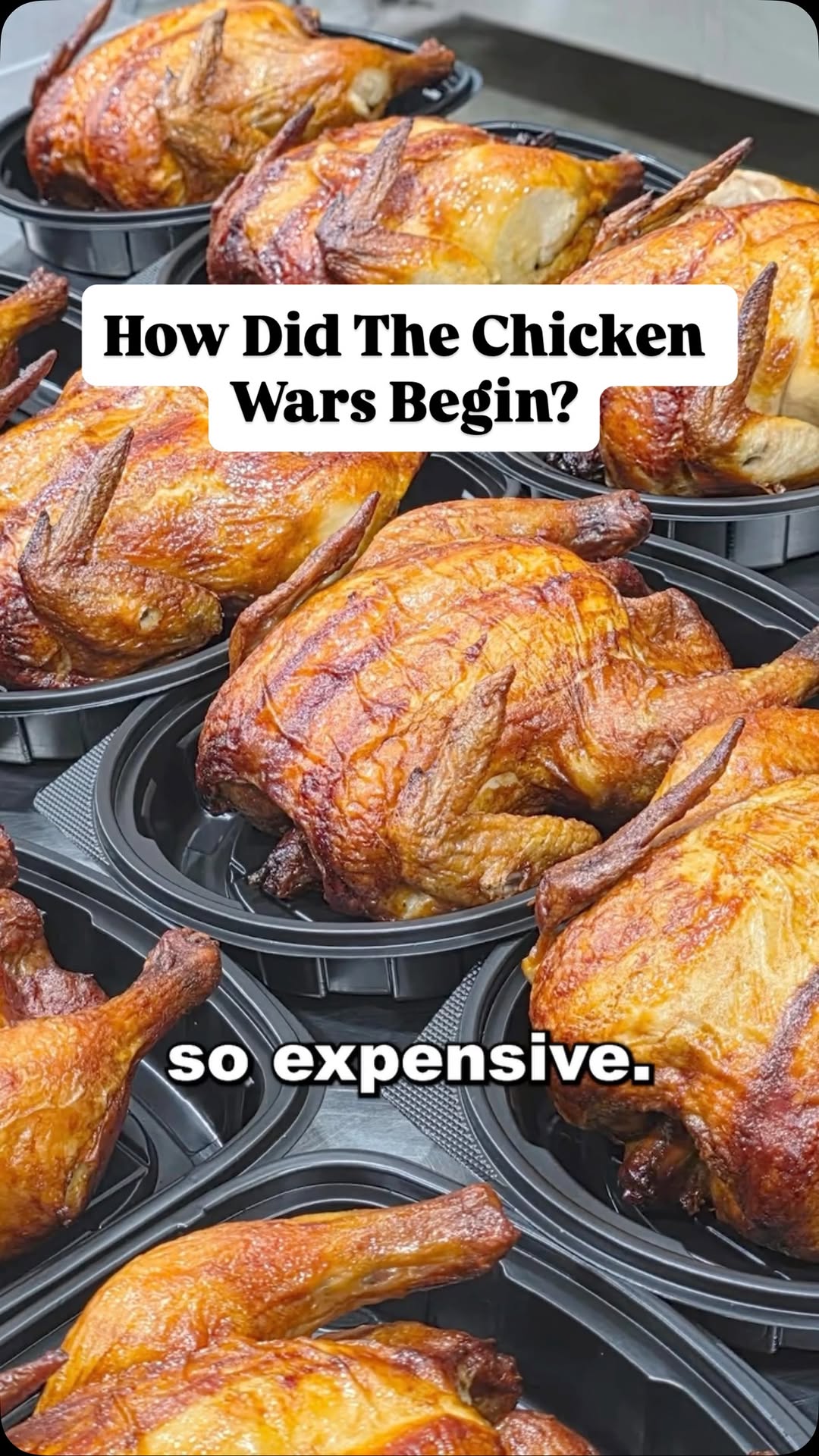
@yougottatrythis @johnny.novo explains how the chicken wars began

@yougottatrythis
Instagram · Clip
@yougottatrythis @johnny.novo explains how the chicken wars began
Performance
Video #14333 · Clip
[01]
The speaker recounts the origin story of his viral rotisserie chicken review series, explaining how it began with a passionate dinner argument among friends about which grocery store has the best chicken. He describes his initial decision to review a few, the unexpected viral success of his second video, and how it became his main content focus, concluding by defending rotisserie chicken as a cost-effective "people's food."
[02]
[03]
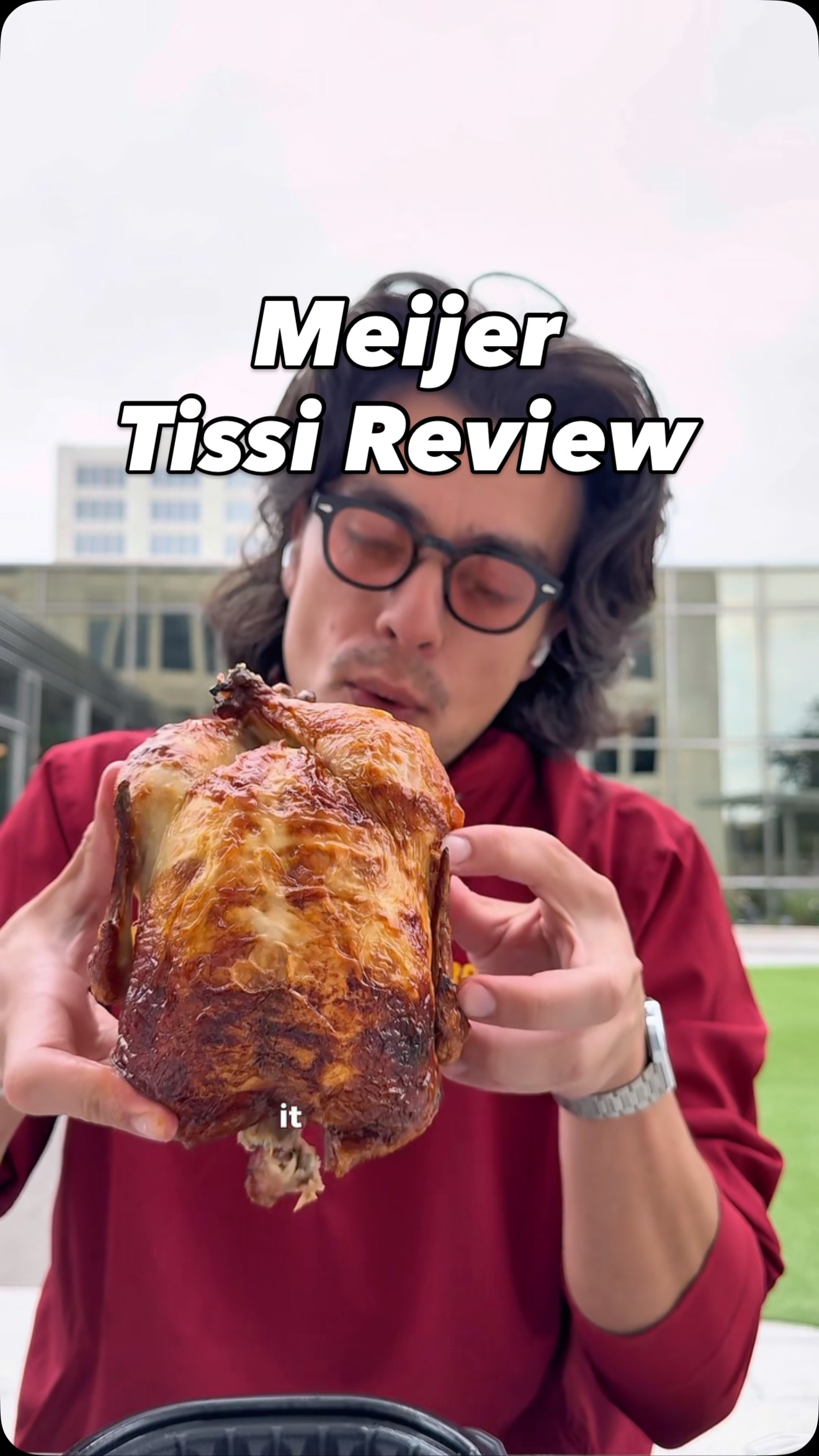 204.7KCreator reviews highly requested chicken@johnny.novo · Review
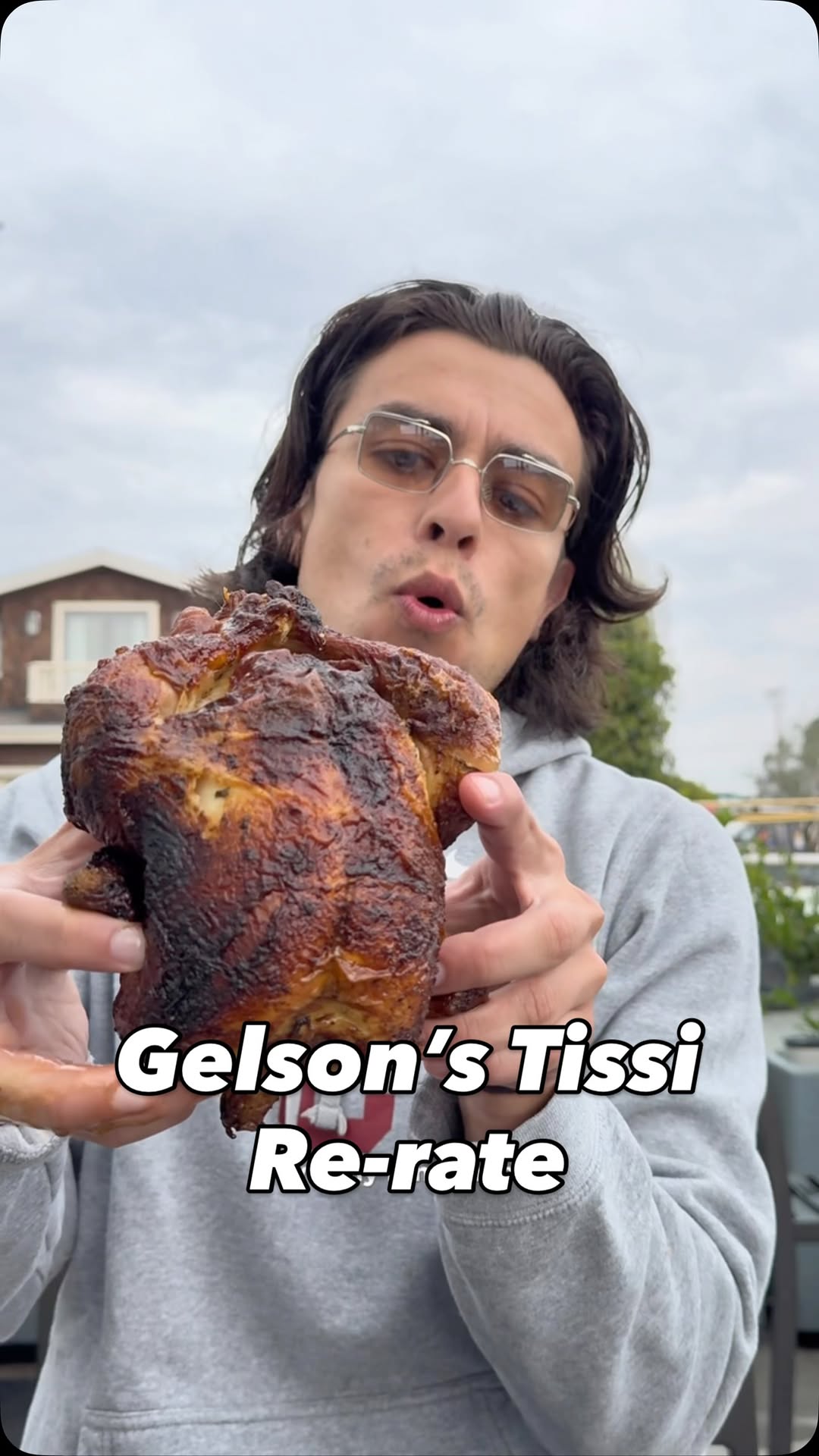 153.6KFood reviewer rates rotisserie chicken@johnny.novo · Review
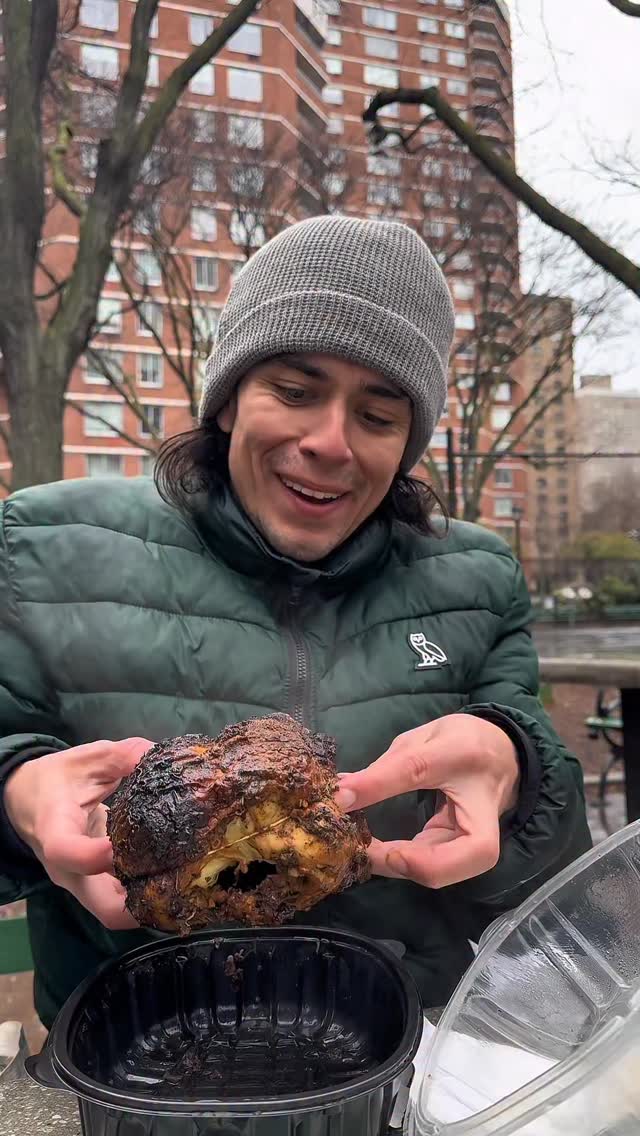 900.7K4.9×Rapid fire grocery chicken facts@johnny.novo · Rapid Fire Listicle
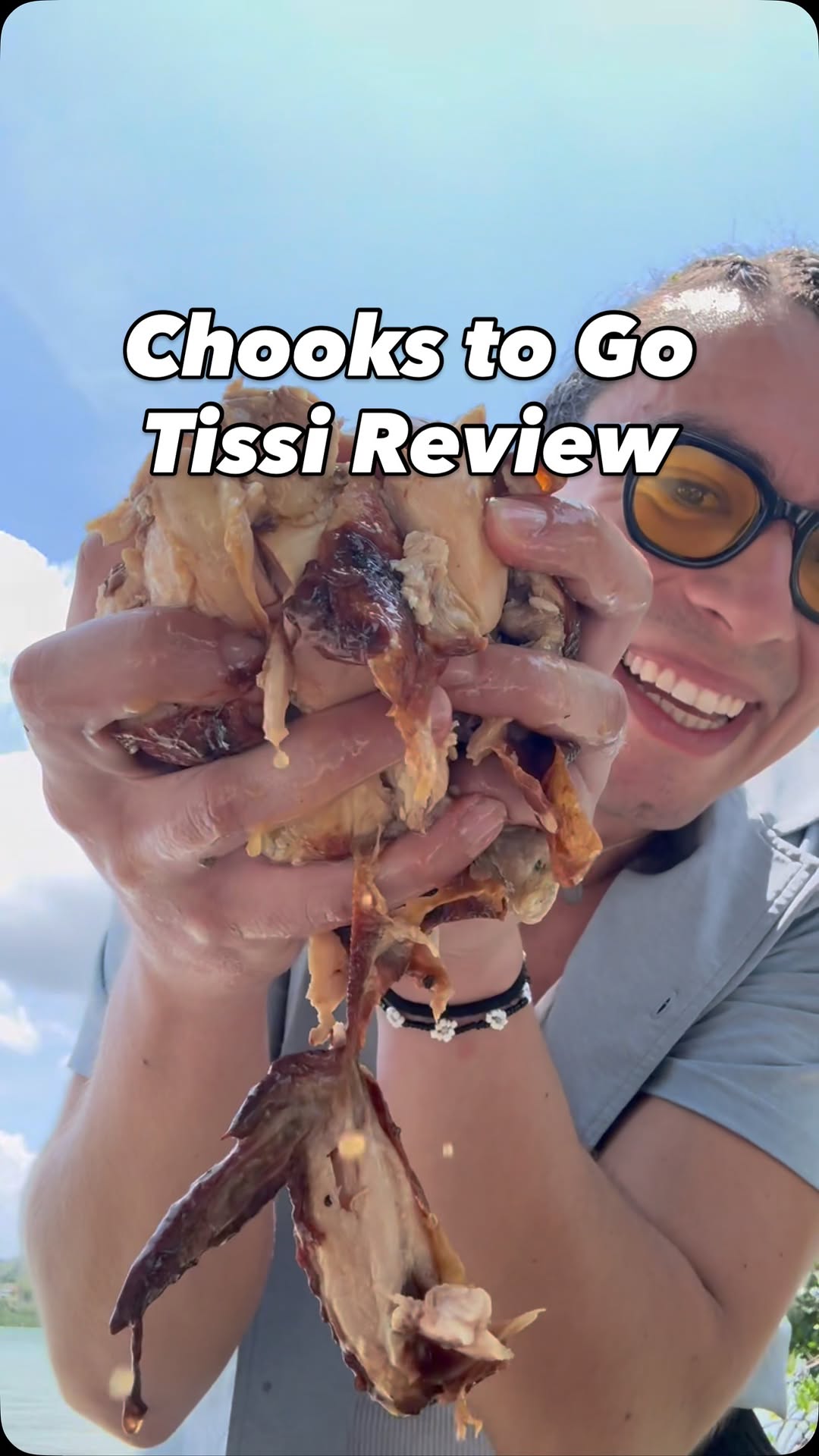 700.2K14.3×Creator's energetic on-the-go chicken review@johnny.novo · Review
 156.6K1.1×Creator gives on-the-street food review@johnny.novo · Review
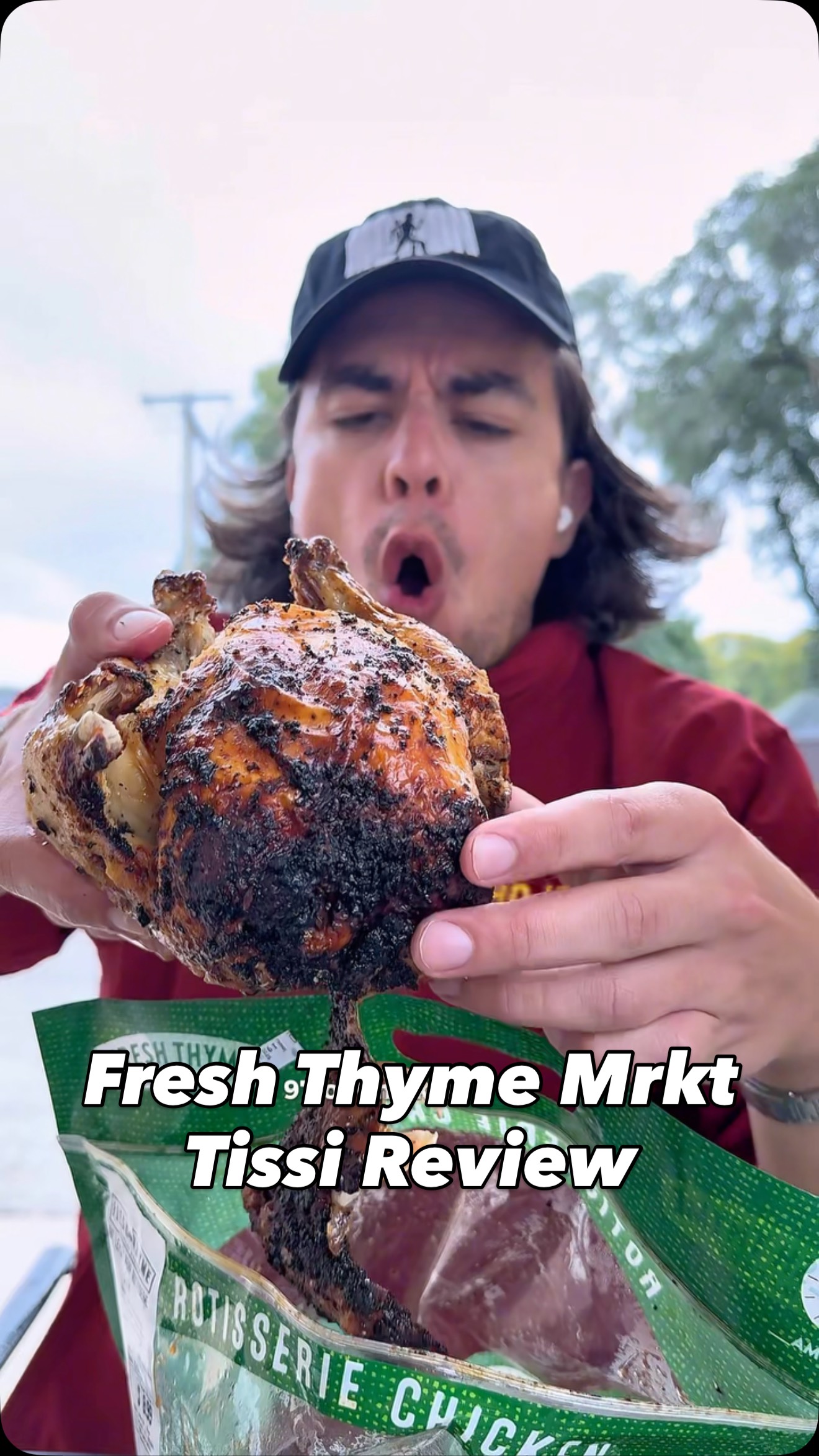 671.6K2.9×Creator reviews rotisserie chicken passionately@johnny.novo · Review
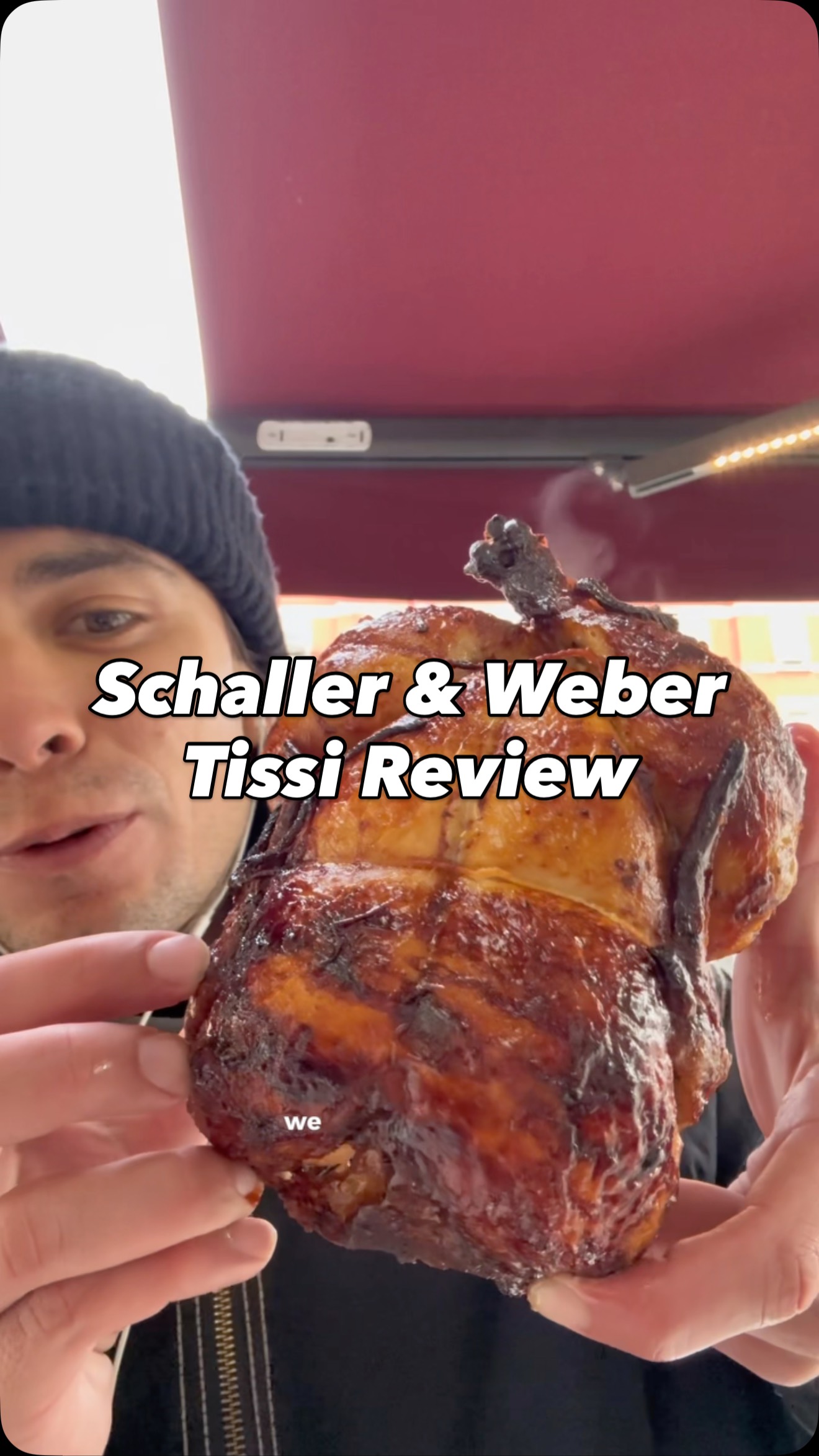 129.4KOn-site rotisserie chicken review@johnny.novo · Review
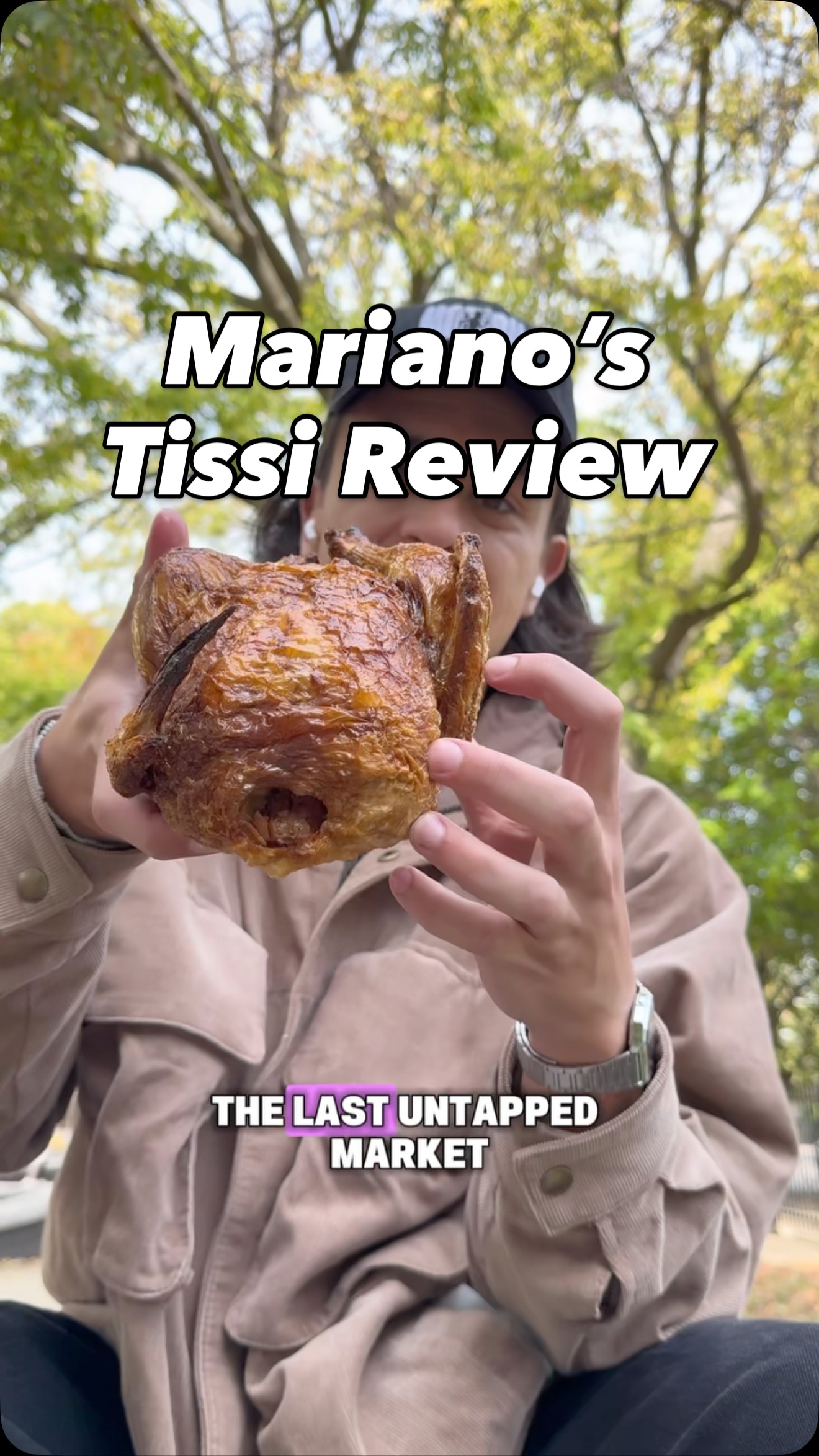 113.3KGrocery store chicken review series@johnny.novo · Review
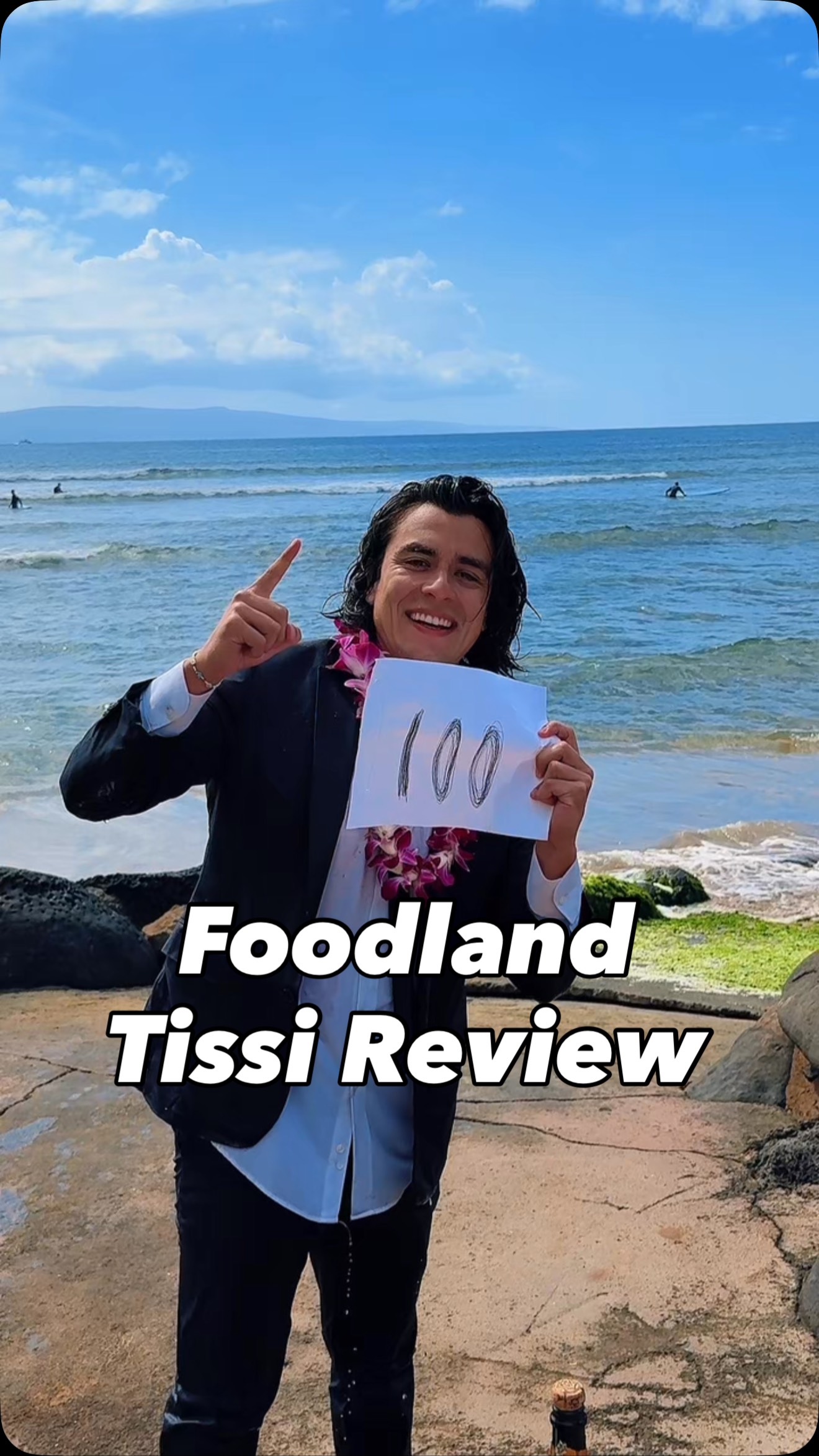 253K1.1×Man reviews 100th rotisserie chicken@johnny.novo · Novel Review
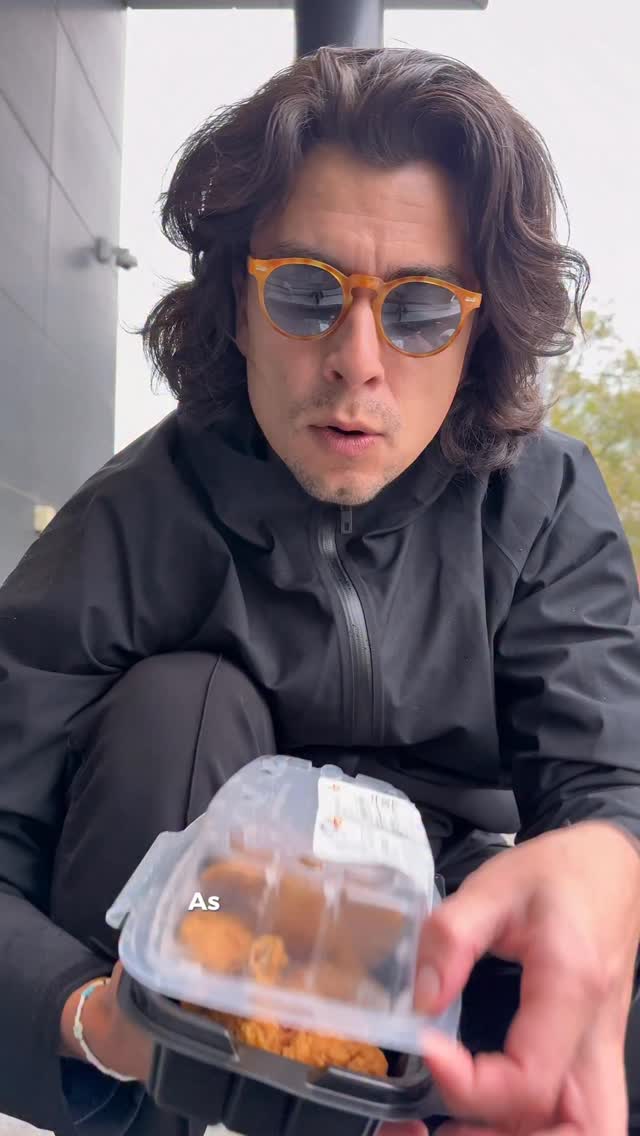 146.6KCreator reviews grocery store chicken@johnny.novo · Review
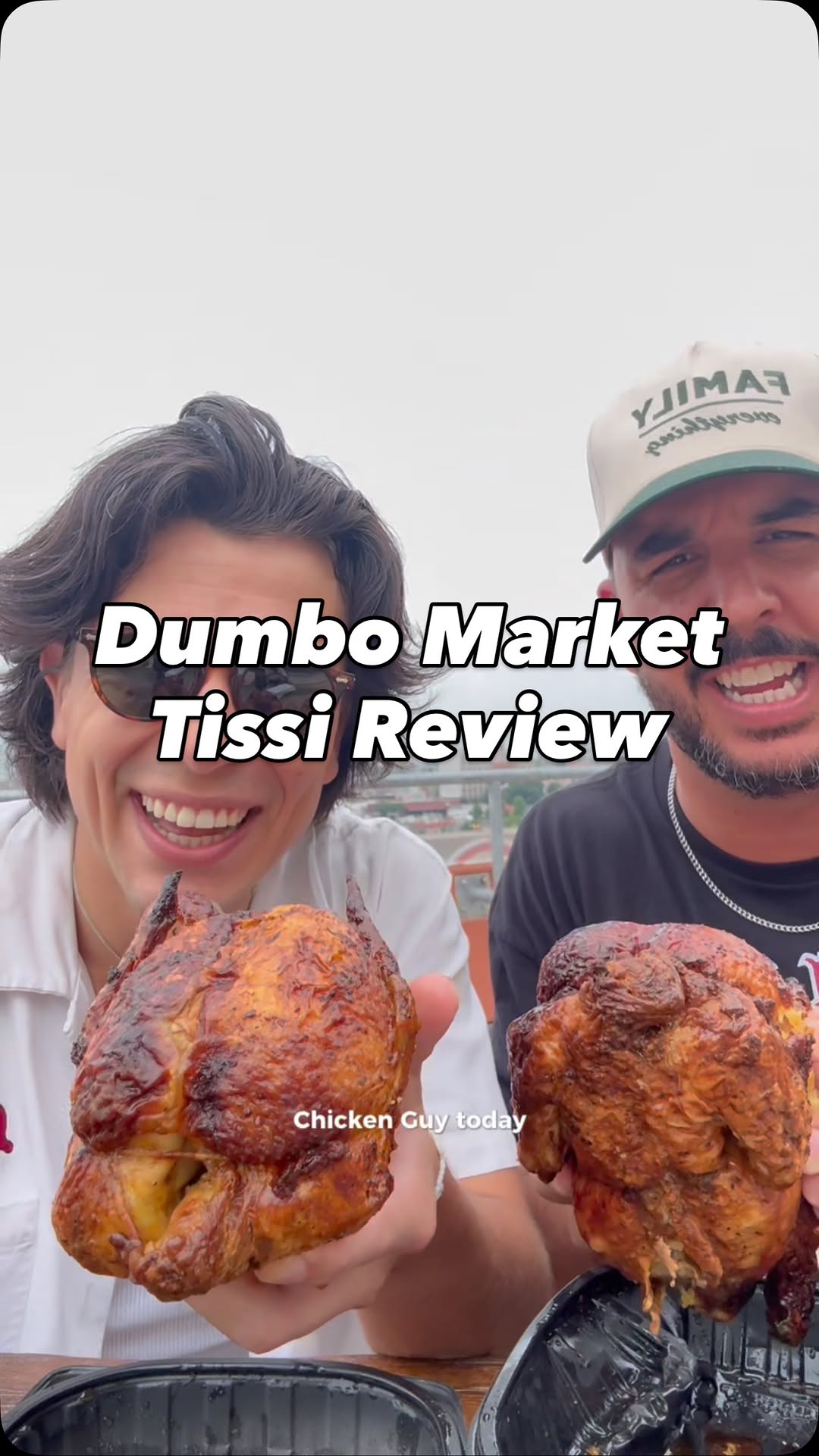 247.1KComedic rotisserie chicken food review@johnny.novo · Review
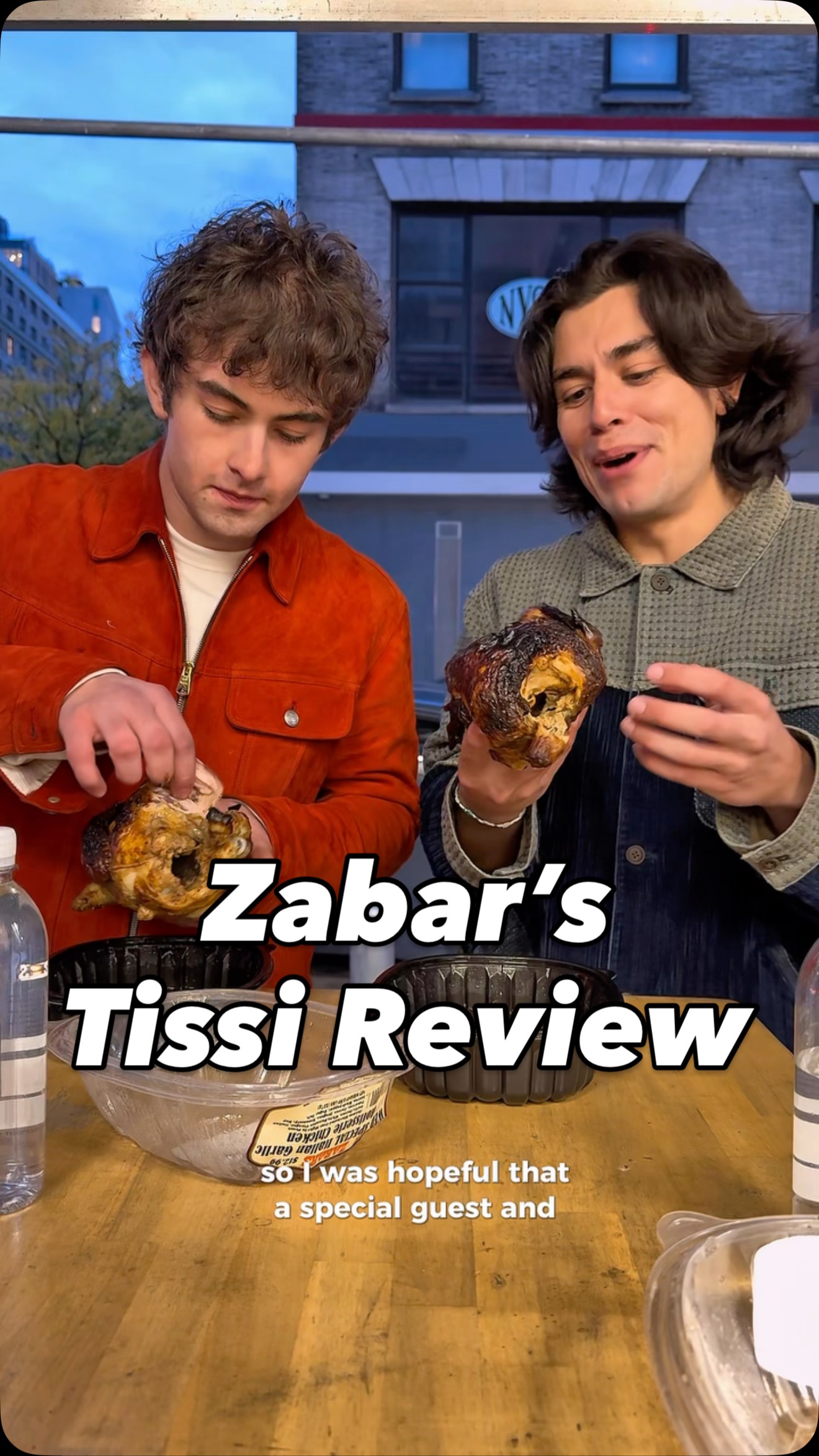 214.1KGuest reviews rotisserie chicken outdoors@johnny.novo · Review
[04]
[05]
What stops the scroll in the first 3 seconds
Title hook · 55%
How Did The Chicken Wars Begin?
Verbal hook · 40%
And some friends were just at dinner arguing about which grocery store has the best rotisserie chicken.
Visual hook · 5%
Medium shot of a speaker in a professional podcast studio, wearing a suit and headphones, speaking into a high-quality microphone.
[07]
The promise the opener makes, and how the video pays it back
Hook
An on-screen text question poses a mystery about the origin of a known concept ('The Chicken Wars'), immediately creating a curiosity gap and promising a story.
Payoff
The narrator concludes by directly addressing and dismantling a common criticism of the topic, reinforcing its value and solidifying their position as a passionate, authoritative voice in the niche.
[08]
The structural pattern this video runs on
Framework
The Accidental Authority Blueprint
This framework tells an origin story that transforms a niche, relatable observation into a viral content identity. It works by showcasing how a mundane argument revealed a deep, untapped well of public passion, leading to unexpected success and the creator's acceptance of a new, specialized role.
The Relatable Premise
Establishes a common, low-stakes social scenario (e.g., a dinner conversation) where a surprisingly passionate debate emerges over a trivial topic.
The Passionate Disagreement
Escalates the conflict by quoting the extreme, almost absurdly strong opinions of the participants, highlighting the contrast between the topic's simplicity and the emotion it evokes.
The Niche Realization
The narrator has an 'aha' moment, recognizing that the intense passion observed is a signal of a powerful, untapped content opportunity.
The Modest Experiment
The creator formulates an initial, small-scale plan to test their hypothesis, showing they didn't initially grasp the full potential.
The Scope Revelation
The narrator expresses surprise at discovering the topic is far deeper and more complex than originally anticipated, adding a sense of scale and challenge to the journey.
The Explosive Validation
Describes the moment the content went viral ('went f*cking nuclear'), providing a dramatic climax that proves the initial observation was correct on a massive scale.
The Niche Acceptance
The creator formally accepts their new, unexpected identity, framing it as a destiny or calling that resulted from the viral success.
The Authentic Justification
Connects the new niche to the creator's genuine personal passion and a broader, relatable value proposition (e.g., 'the people's food'), grounding the viral success in authenticity.
@johnny.novo explains how the chicken wars began
title · beginning
How Did The Chicken Wars Begin?
And some friends tier just at dinner arguing about which grocery store has the best rotisserie chicken. Right. And one dude is like, it's Whole Foods. You think it's key foods? You're smoking crack. It's Whole Foods. Another dude is like, Whole Foods is trash. Right. And I'm like, oh, wow. Fuck. Like, people really feel some type of way about this. Right. So So I was like, I'll just review chicken. Like, I'll probably do seven, eight. I had no idea how many grocery stores sold rotisserie chicken. I had no fucking clue. Yeah. So then I did the first two. The second one went fucking nuclear, and then I was like, I guess I'm I'm doing rotisserie chickens now. I guess that's my thing. And I genuinely love rotisserie chicken. Worst efficient, the people's food. People are like, oh, $12 for a whole chicken? That's so expensive. I'm like, if you really sit back and think about that comment Right. It's really not. $12 for a whole fucking bird?