The creator presents a case study on the decline of the Fairmont hotel brand. He begins by establishing its former prestige, then pinpoints the 2016 acquisition by Accor as the turning point. He explains how Accor's 'asset-light' business model, focus on spreadsheets over guest experience, and changes to the loyalty program eroded the brand's soul. The creator uses screenshots of articles and customer complaints as evidence to support his claims about new fees, declining room quality, and a shift in staff from helpful 'agents' to restrictive 'gatekeepers,' concluding that prioritizing efficiency metrics over brand soul is a losing strategy.
Post caption
Fairmont Hotels is a case study in the slow decay of the customer experience. Not immediately noticeable, but over time small cracks begin to surface. In pursuit of optimization, efficiency, they’ve slipped in the areas which matter; guest experience, decor, quality, and soul.
I missed a bunch of things in this video but I could’ve made it a 30 minute deep dive there are so many issues.
#hospitality #brand #hotel #hotels #fairmonthotels
Transcript
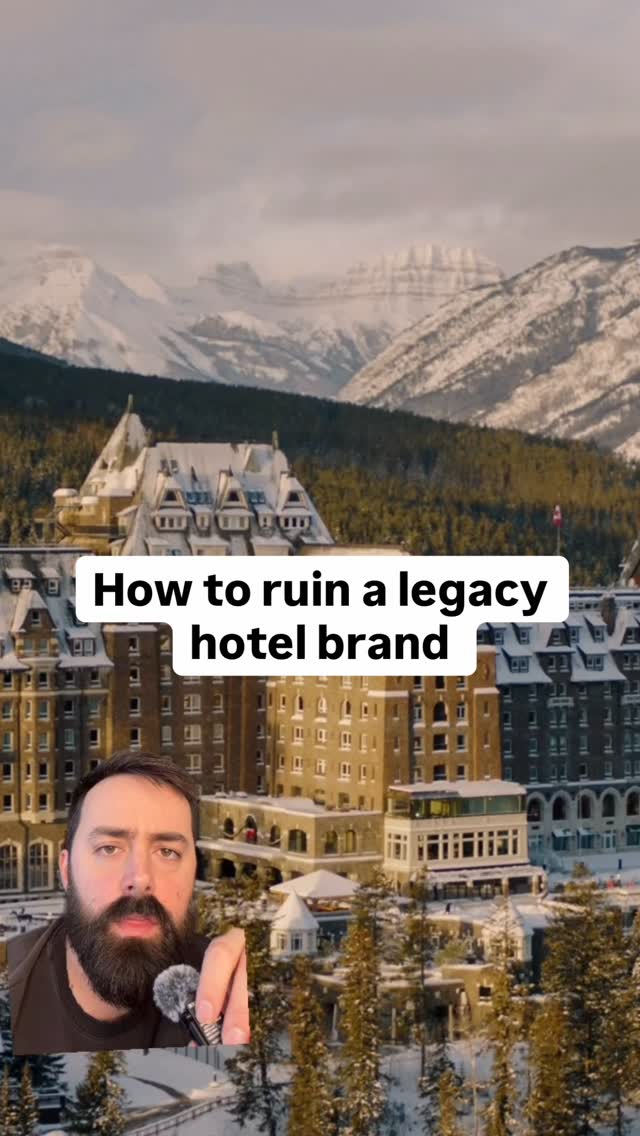
The Fairmont brand was once world class. They had iconic properties like Banff Springs, legendary afternoon teas, and guest experiences that felt both luxurious and local. But around 2016, something changed. While these rituals weren't gutted overnight, something began to change. The brand started to lose its soul. That's when global hospitality tier, Accor, purchased Fairmont to expand its luxury portfolio. And on paper, the deal looks smart. tier hotels, global reach, and an entry into the North American market. But the problem wasn't expansion. It was what a core deprioritized to get there. Core embraced an asset light model, which meant selling the real estate better keeping the management contract. Choices shifted from does this enhance the world for our guests to does this add a zero to the spreadsheet. World building, which was once Fairmont's superpower, began to fade. The much loved Fairmont's President's Loyalty Club was about personalization, recognition, and access. Accor replaced it with Accor Live limitless, a points based transactional reward system that feels more like a better, and it's the industry's least favorite rewards program. Accor turned emotional loyalty into rational math. You don't stay for the identity or the loyalty. You just stay for the points. And then came the urban experience fees or mandatory charges for Wi Fi and bottled water. These once rare fees became standard and mandatory at all Fairmont properties. And then there's the rooms which are increasingly feeling cheap and dated. And then to add to that, there's been a noted drop in the staff's ability to help you. As Danny Better says, in hospitality, there are two types of employees. There are the agents who are on your side and make things happen for the guests, and there are gatekeepers who spew out company SOPs and put up barriers. Fairmont staff who used to be incredible are acting more like gatekeepers no. And I don't blame them because the employees are operating under something called the efficiency trap, which just means that the pursuit of operational metrics tends to erode the spirit and the soul of the brand. The Fairmont is a case study in what happens when you let the bean counters control a rank. Because when you trade the soul of your brand for spreadsheets, in the interim things look good, but slowly and slowly, you start to lose the things that made you great. Fairmont isn't going away anytime soon. It has incredible real estate, good locations. But slowly by slowly, they're losing what once made them great, and they're losing customer loyalty by the year.