@loewe
TikTok · Skit

@loewe Who sold him this?💀 @Brian Park #LOEWE

@loewe
TikTok · Skit
@loewe Who sold him this?💀 @Brian Park #LOEWE
Performance
Video #1537 · Skit
[01]
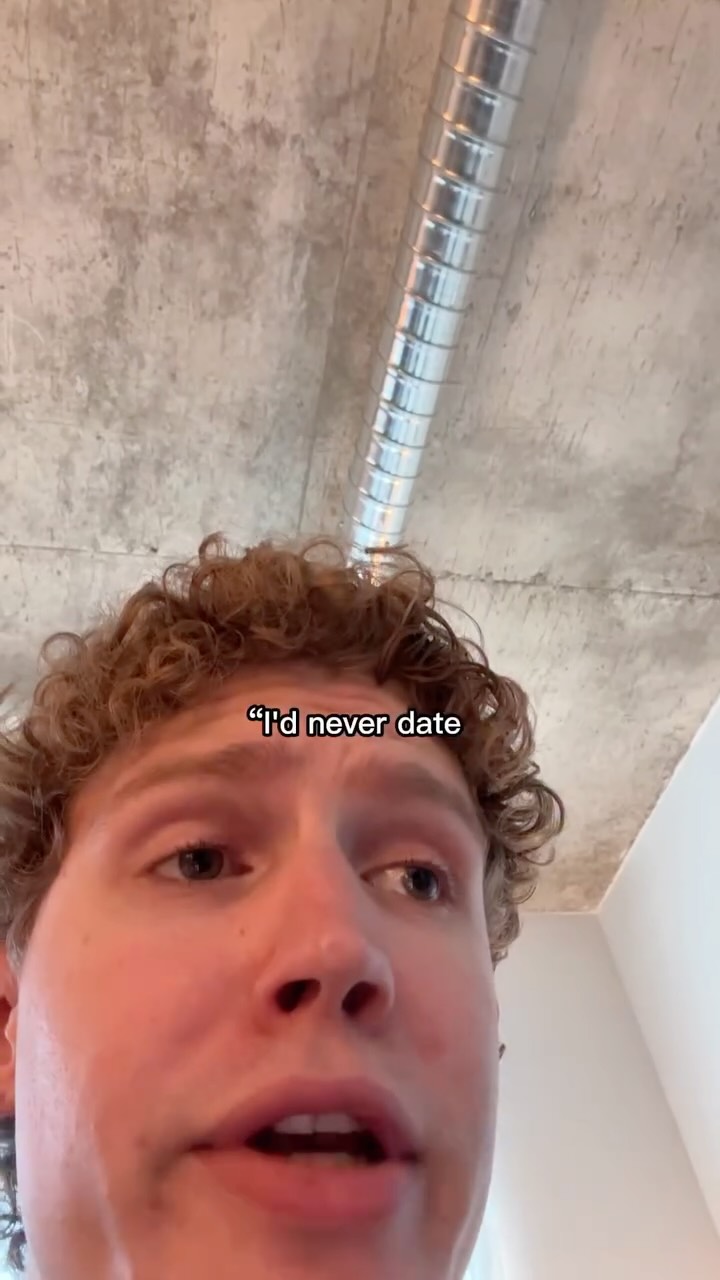
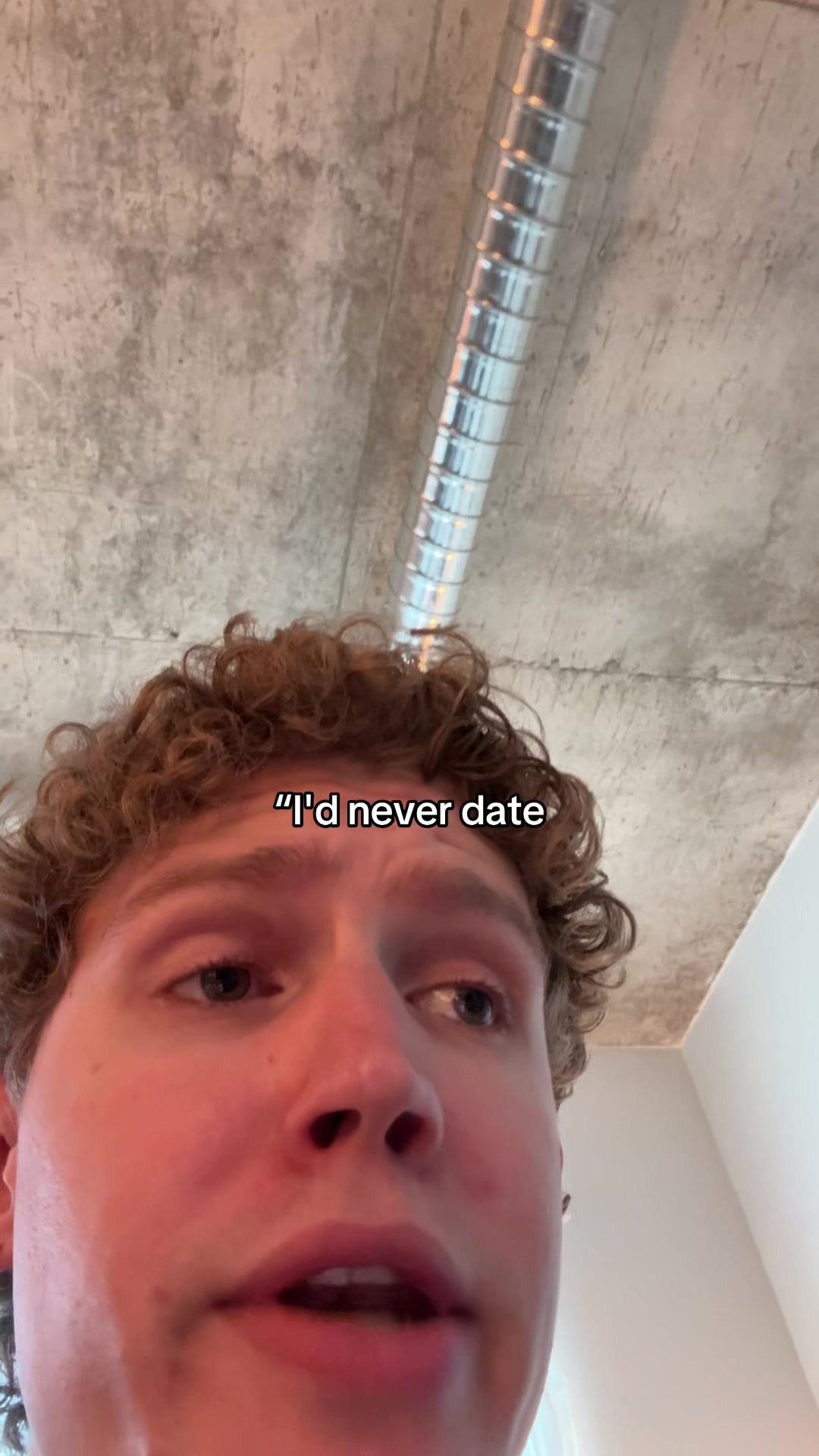
The creator portrays a pretentious man on a date, filmed from the date's point-of-view. He begins by correcting the pronunciation of the brand 'LOEWE' on his shirt, then launches into a series of unsolicited explanations on topics like fragrance terminology ('sillage') and architectural philosophy. Throughout the monologue, he dismisses his date's experiences and preferences, positioning himself as a problem-solver and intellectual, ultimately embodying a comically insufferable dating archetype.
[03]
 116K5.7×Comedic monologue about dating preferences@couldbaret · Hot Take
 980.2K4.8×POV skit satirizing Miami dating@benhbader · Stereotype Satire
 749.6K40×Comedic skit of a toxic date@thejeanluc · Relatable Skit
 1.3M4.7×Relatable NYC dating comedy skit@roomiesroomiesroomies · Social Show
 3.6M26.6×Comedic skit reveals date's lie@austinnasso · Skit
 348.4K2×Comedic POV about dating attractive people@couldbaret · Hot Take
 751.4K2.1×Comedic skit satirizing dating stereotypes.@benhbader · Skit
 1.8M10.5×Skit where boyfriend knows everything@benhbader · Skit
 587.9K2.7×Friend spies on first date@roomiesroomiesroomies · Skit
 594.8KRelatable pre-date internal monologue skit@julia.dicesare · Relatable Skit
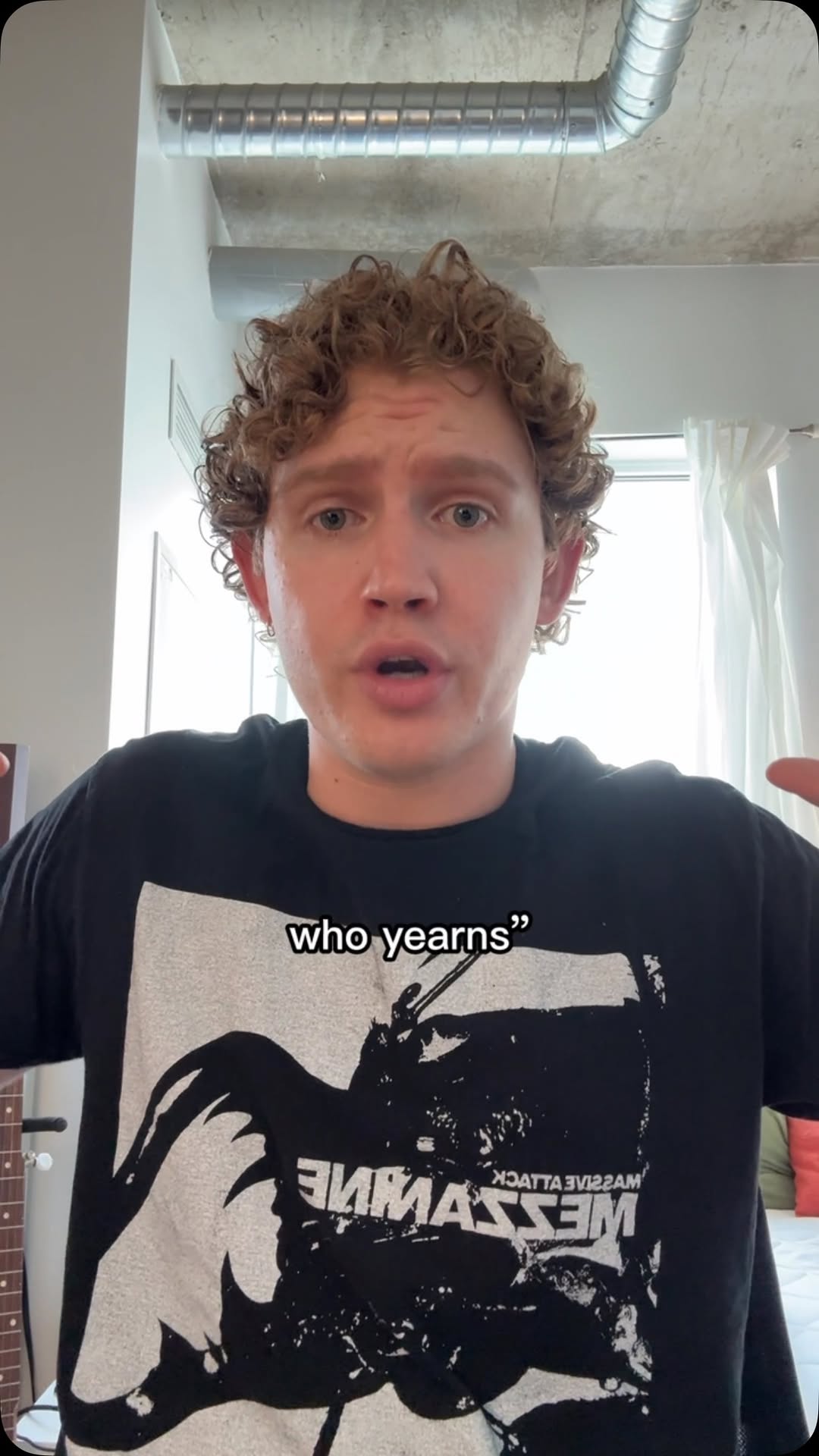 451.5K45.1×Funny rant about relationship expectations@couldbaret · Relatable Skit
 231.4K3.2×Comedic skit about dating standards@milkytran · Skit
[04]
[05]
What stops the scroll in the first 3 seconds
Title hook · 55%
You're on a date with a guy who knows how to pronounce LOEWE
Verbal hook · 40%
Thank you. Yeah. It's actually pronounced Loewe, though.
Visual hook · 5%
The video opens with a medium close-up of a man from a first-person POV, immediately establishing the viewer as his date. He runs his hand through his hair in a self-aware gesture, creating immediate character interest and setting a slightly awkward, intimate tone.
[06]
Steal this for your own video
You're on a date with
[07]
The promise the opener makes, and how the video pays it back
Hook
A text overlay defines a relatable scenario and introduces a specific character archetype, immediately setting the viewer's expectations for the type of person they are about to encounter (e.g., 'You're on a date with a guy who...').
Payoff
The payoff is not a plot resolution but the complete and satisfying confirmation of the character archetype introduced in the hook. The viewer's initial judgment is validated through the escalating series of statements, providing a sense of comedic closure.
[08]
The structural pattern this video runs on
Framework
The Escalating Archetype Sketch
To present a comedic sketch from a first-person POV, where a specific, recognizable character archetype reveals their flaws through a series of escalating, self-aggrandizing, or out-of-touch statements, leading to a complete and damning comedic portrait.
The Niche Correction
The character makes an initial, unsolicited correction on a niche, high-status topic, immediately establishing their self-perceived superiority and setting the tone for the interaction.
The Unnecessary Elaboration
The character expands on their correction with esoteric details, demonstrating a need to prove expertise beyond the initial point and turning a simple comment into a lecture.
The Philosophical Pivot
The character pivots from the specific topic to a broad, pseudo-philosophical principle or quote, attempting to frame their niche knowledge as a sign of deeper, universal wisdom.
The Jargon Interjection
The character introduces a technical or obscure term for a common concept, further gatekeeping the conversation and reinforcing their expert status by correcting the viewer's implied vocabulary.
The High-Culture Reference
The character drops a name or concept from high culture (e.g., art, architecture, literature) and links it to their personal philosophy, signaling their refined taste and intellectual status.
The Self-Serving Confession
The character uses the language of vulnerability or therapy to confess a flaw, but immediately reframes it as a strength or a noble trait (e.g., 'I'm a bad listener, but my love language is providing solutions').
The Flaw-in-Action Demonstration
The character immediately and ironically demonstrates the negative aspect of their confessed 'flaw' by offering an unempathetic, dismissive, or simplistic take on an emotional issue, proving the viewer's negative assumptions correct.
The Final Affectation
The character makes a final statement that perfectly encapsulates their entire persona, often using pretentious language to describe a simple preference, solidifying the comedic archetype.
Who sold him this?💀 @Brian Park #LOEWE
title · throughout
You're on a date with a guy who knows how to pronounce LOEWE
Thank you. Yeah. It's actually pronounced Loewe, though. It's a German name, but it's said with a Spanish pronunciation. Just to piggyback off of that last point, though, like, if you can't explain something complex in a simple way, then that means that you don't really understand it. You know what I mean? Sorry. I don't mean to be super annoying or anything, but that wind down smell of fragrances that you're describing, yeah, there's a term for that. It's actually called sillage. Yeah. S I l l a g. That's super interesting that you bring that up. You no, there's this really famous architect who goes by Le Crochet. He said that the machine is a home for living, and that's my guiding principle day to day. Since this is a safe space, I'm gonna be radically honest here. I'm not the best listener, but my love language is providing solutions. No. I get it. It really sucks, but, like, I don't get why her parents just can't buy her a new one. I can't do an e better. I've tried. You know, I really tried. It's just there's something about handling physical ephemera in our digital age. You know what I mean?