@nycdivorcelawyer
Instagram · Greenscreen Talking Head

@nycdivorcelawyer Does James agree?! #crossexamination #lawyersoftiktok #lawyer #marriage #dating

@nycdivorcelawyer
Instagram · Greenscreen Talking Head
@nycdivorcelawyer Does James agree?! #crossexamination #lawyersoftiktok #lawyer #marriage #dating
Performance
Video #15400 · Greenscreen Talking Head
[01]
The speaker introduces a video clip where a woman advises cutting off friends who make a partner uncomfortable. He then systematically refutes this advice, labeling it as a sign of insecurity, uses a satirical hypothetical to mock the logic, and concludes that managing one's own insecurity is a personal responsibility, not a demand to be placed on a partner.
[02]
[03]
 1.2M19.3×Satirical TED talk on relationships@thatzonaguy · Breakdown
 304.9K1.2×Satirical TED Talk on relationships@thatzonaguy · Breakdown
 799.7K12.9×Satirical TED talk on relationships@thatzonaguy · Hot Take
 303.9K5.2×Satirical TED Talk on relationships@thatzonaguy · Satirical Expertise
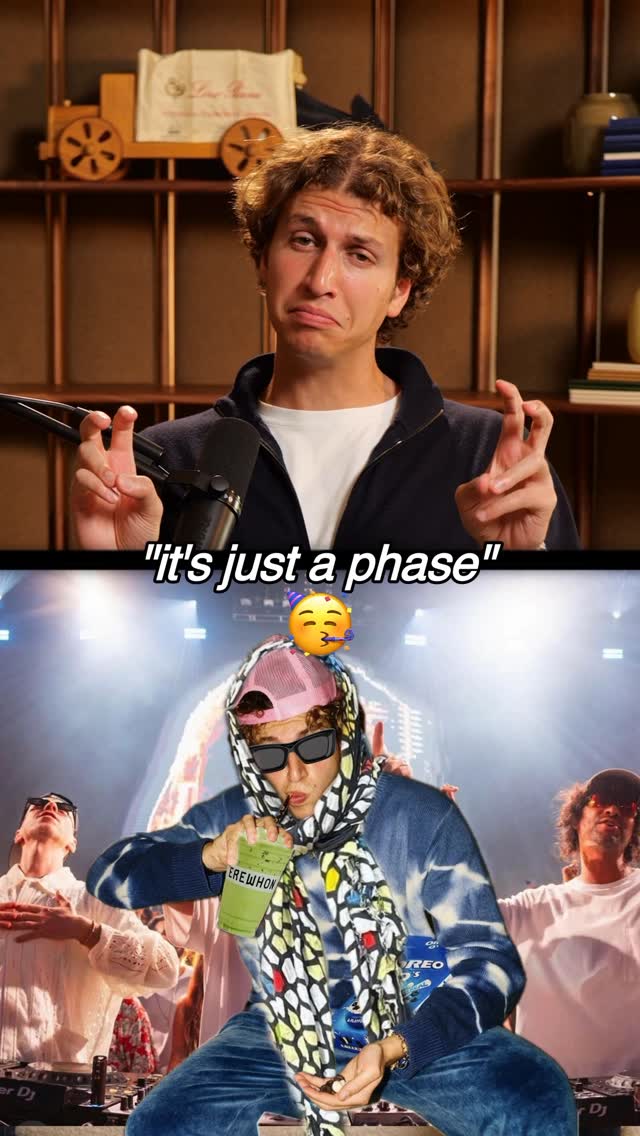 1.5MAdvice on dating patterns vs potential@gstaadguy · Hot Take
 465.7K33.3×Man reacts to bad advice.@mikeinprogress_ · Hot Take
 335.5KDirect address on relationship truths@quinlanwalther · Vulnerable Monologue
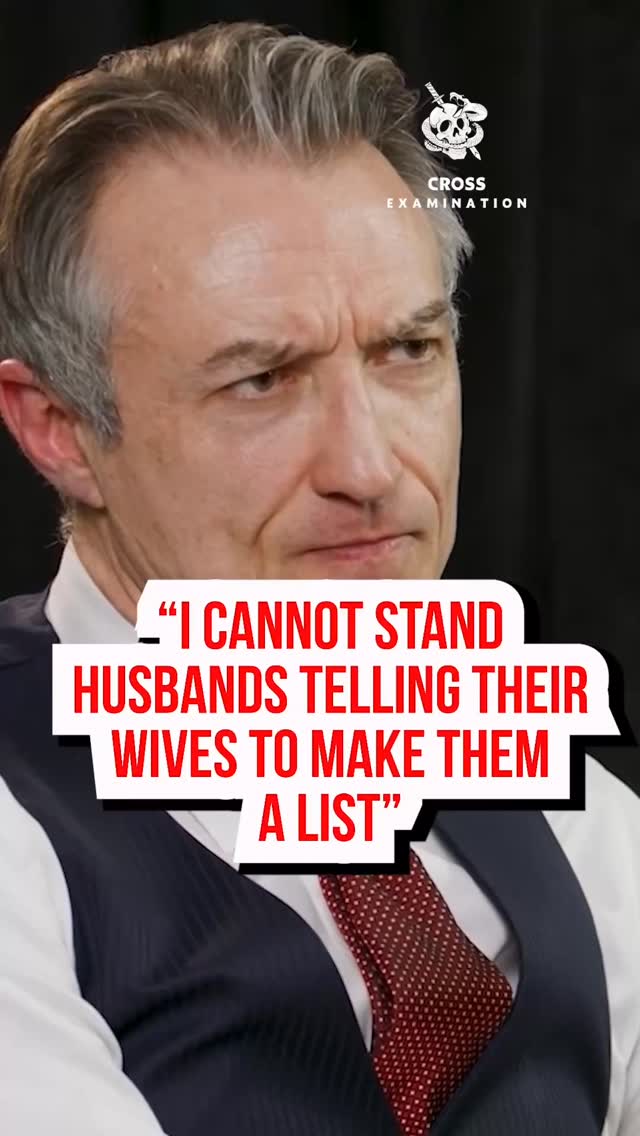 2M27×Man debates woman's relationship take.@nycdivorcelawyer · Hot Take
 345.5K25.5×Direct address dating red flag@jondavisdtx · Hot Take
 863.3KDating advice about judging friends@gstaadguy · Hot Take5.2M379.7×Monologue on choosing a partner@jrp.co · Vulnerable Monologue
 558.2K12.4×Monologue on relationship as business@aspirewithemmagrede · Vulnerable Monologue
[04]
[05]
What stops the scroll in the first 3 seconds
Title hook · 55%
“YOU NEED TO GIVE UP PEOPLE WHO MAKE YOUR PARTNER UNCOMFORTABLE.”
Verbal hook · 30%
Next up, we have a music artist and podcaster talking about, uh, giving up people who your partner does not like.
Visual hook · 15%
A tight close-up on the speaker's face, showing a skeptical and disapproving facial expression as he looks off-camera, creating immediate intrigue about his opinion.
[07]
The promise the opener makes, and how the video pays it back
Hook
A host introduces a controversial topic and the third-party creator who will present it, using a bold text overlay to state the provocative thesis upfront.
Payoff
The host delivers a direct counter-thesis that reframes the problem and shifts the responsibility, offering the audience a clear, alternative perspective to adopt as the final takeaway.
[08]
The structural pattern this video runs on
Framework
The Rebuttal Escalation
To deconstruct a controversial piece of content by first rejecting it viscerally, then satirizing its perceived motive, and finally offering a more reasoned, authoritative counter-argument.
The Asserted Dogma
The original creator's content is played, allowing them to present their controversial viewpoint as an undeniable truth or a piece of sage advice.
The Immediate Veto
The host begins their response with a swift, unambiguous rejection of the premise, instantly validating the audience's potential skepticism.
The Satirical Extrapolation
The host humorously speculates on the specific, personal, and flawed motivations behind the original creator's generalized advice, using hyper-specific, comical examples to expose its absurdity.
The Diagnostic Label
The host shifts from humor to analysis by applying a psychological or logical label (e.g., 'insecurity,' 'fallacy') to the original argument, thereby claiming intellectual high ground.
Does James agree?! #crossexamination #lawyersoftiktok #lawyer #marriage #dating
branding · throughout
CROSS EXAMINATION
title · beginning
“YOU NEED TO GIVE UP PEOPLE WHO MAKE YOUR PARTNER UNCOMFORTABLE.”
call-to-action · end
AVAILABLE ON YOUTUBE
informational · end
NEW SHOW
Next up, we have a music artist and podcaster talking about, giving up people who your partner does not like. If you want your relationship to last, you need to be willing to give up other people that make your partner uncomfortable. It's called respecting your partner. It's not controlling. It's not toxic. It's called growing up. Yeah. No. I'm gonna disagree with you on this one. Also the artifact. Best drives me nuts every time. Yeah. I don't think this is good advice at all. You know, this is, this is, her in her, you know, TikTok or Instagram story trying to convince her boyfriend to stop following his ex girlfriend. That's what that is. Like, making it extrapolating it to a broader audience. I mean, like, listen. If you're a guy who's about five foot eleven and named Brian, there's absolutely no reason why you need to follow someone. And that's just basic respect, and that's just math and science. It's not that I'm insecure at all at all. I'm not. No, yeah, I mean, I think that that's best, that reeks of insecurity. It it absolutely, you no, I think what you're doing is just, like, throwing out a a solution to a problem you're having and you're proposing and presenting it like it's a prescription for people generally in their relationships. I think that's way too much of an overgeneralization. I think that there are times where your insecurity towards a connection that your partner has to someone else, may be something you need to work on, not something they need to work on.