Viral Hooks
Trending short videosCreator critiques predatory fitness influencers
S

@sensei.nick

Instagram · Yap

@sensei.nick long video. on purpose. this isn’t something you can explain in a quick clip without missing the point. a lot of fitness content isn’t built to help you get better. it’s built to keep you buying. generic plans. useless supplements. “empowerment” language that quietly removes discipline and responsibility. shortcuts sold as self care. real progress is slow, boring, and repetitive. that doesn’t scale well. confusion does. and when nothing changes, the blame slides to you instead of the system that was never designed to work. good coaching makes you more capable over time. bad coaching keeps you dependent and chasing the next fix. if someone’s success depends on you staying insecure, overwhelmed, and confused, it is not empowerment. it’s a trap. if this video feels uncomfortable, good. that usually means it hit something real. watch it when you have the attention span. this one wasn’t made for scrolling.

View original on Instagram

The edit1 shot · 1 text
Shots Text

Performance

Views
67.4K
Likes
2.1K
Comments
200
Engagement
3.4%

Video #15549 · Yap

Creator critiques predatory fitness influencersfrom @sensei.nick

[01]

Overview

The creator delivers a critical monologue arguing that many female fitness influencers engage in predatory practices. He claims they build audiences of insecure women and monetize that insecurity by selling generic workout plans and useless supplements like detox teas and fat burners. He deconstructs how they frame these products as 'empowerment' to avoid teaching the real, slow, and unsexy work of fitness, ultimately creating dependency instead of strength and self-trust.

[02]

Simple outline

  1. 1State a controversial industry secret
  2. 2Expose the predatory tactics
  3. 3Reveal the psychological manipulation
  4. 4Deliver a damning final verdict

[03]

Related videos

[04]

Classification

Format
Concepts
Hot TakeBreakdownVulnerable Monologue
Elements
Text OverlayJump Cut

[05]

Hook analysis

What stops the scroll in the first 3 seconds

Title hook · 55%

Some female fitness influencers don't want you to succeed.

Verbal hook · 40%

Okay. I am gonna say it.

Visual hook · 5%

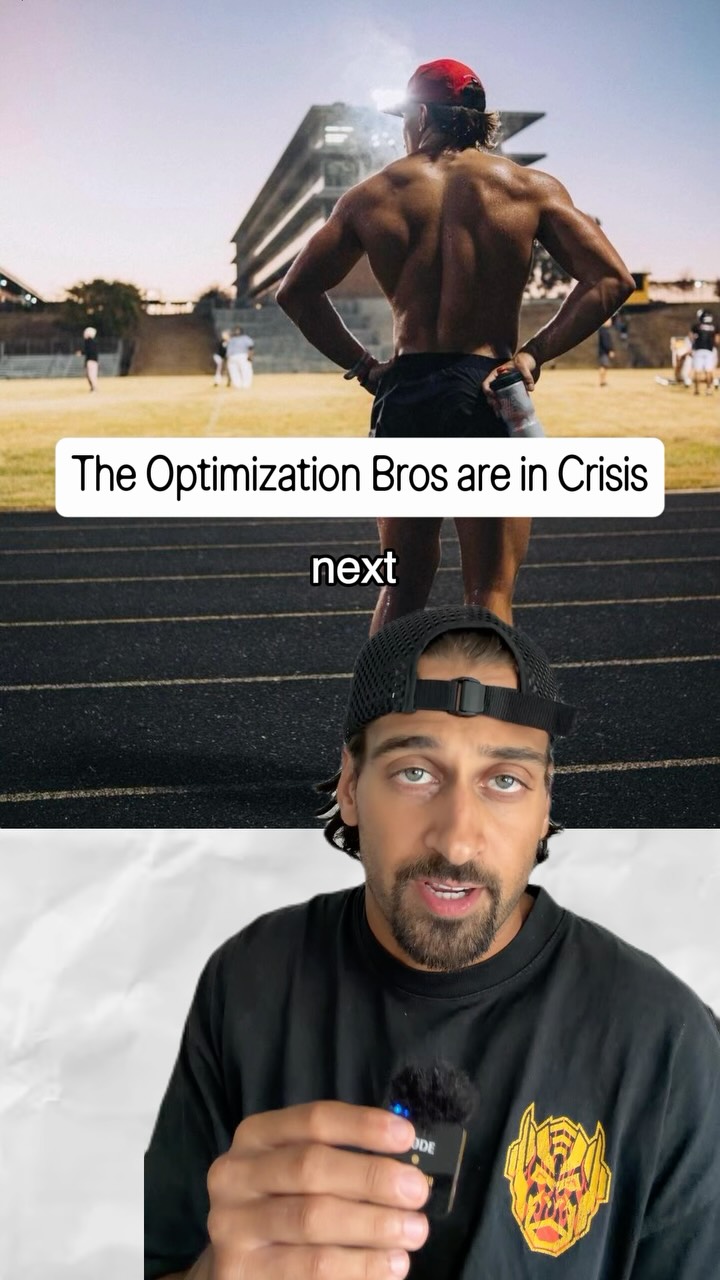
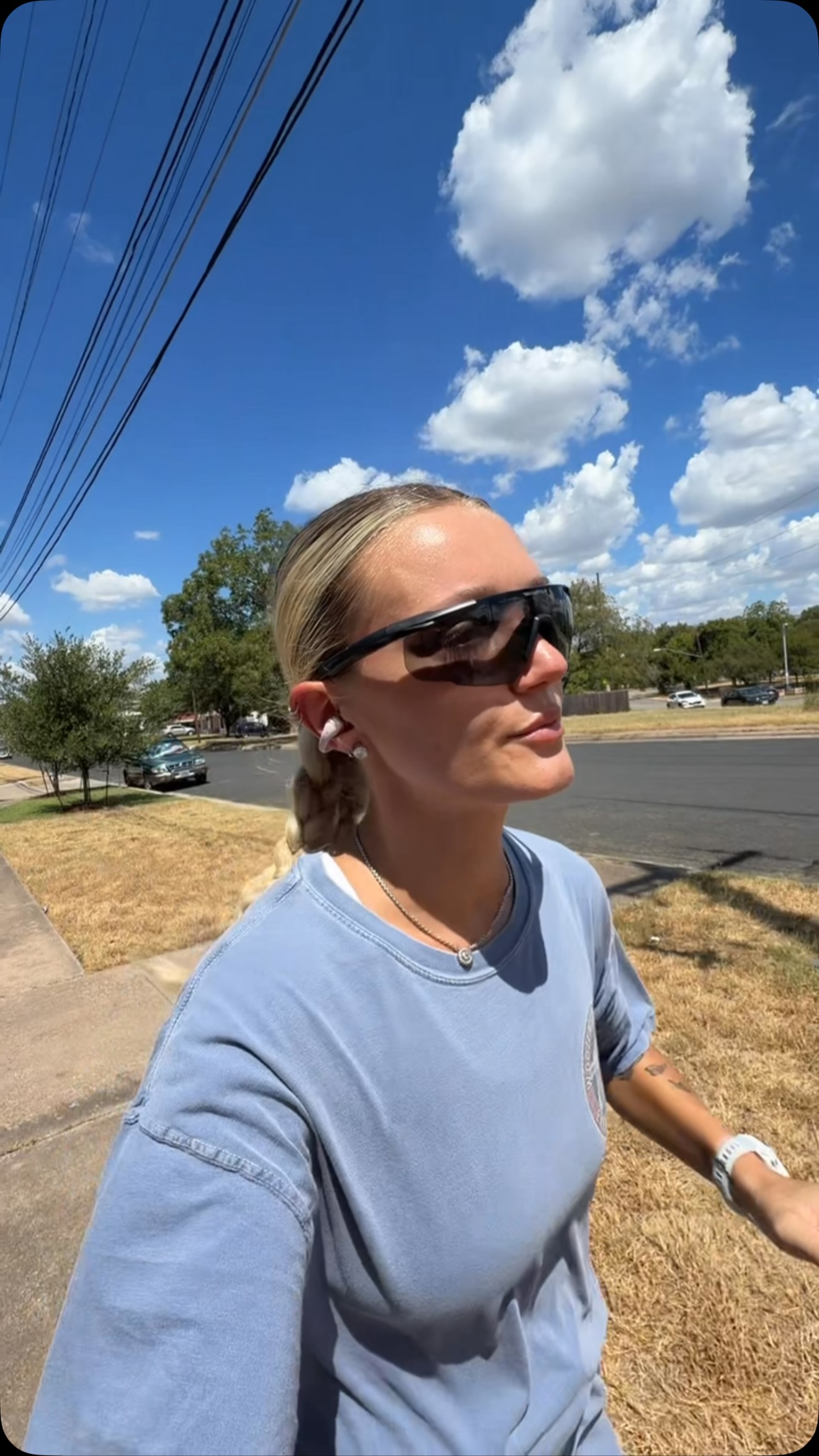
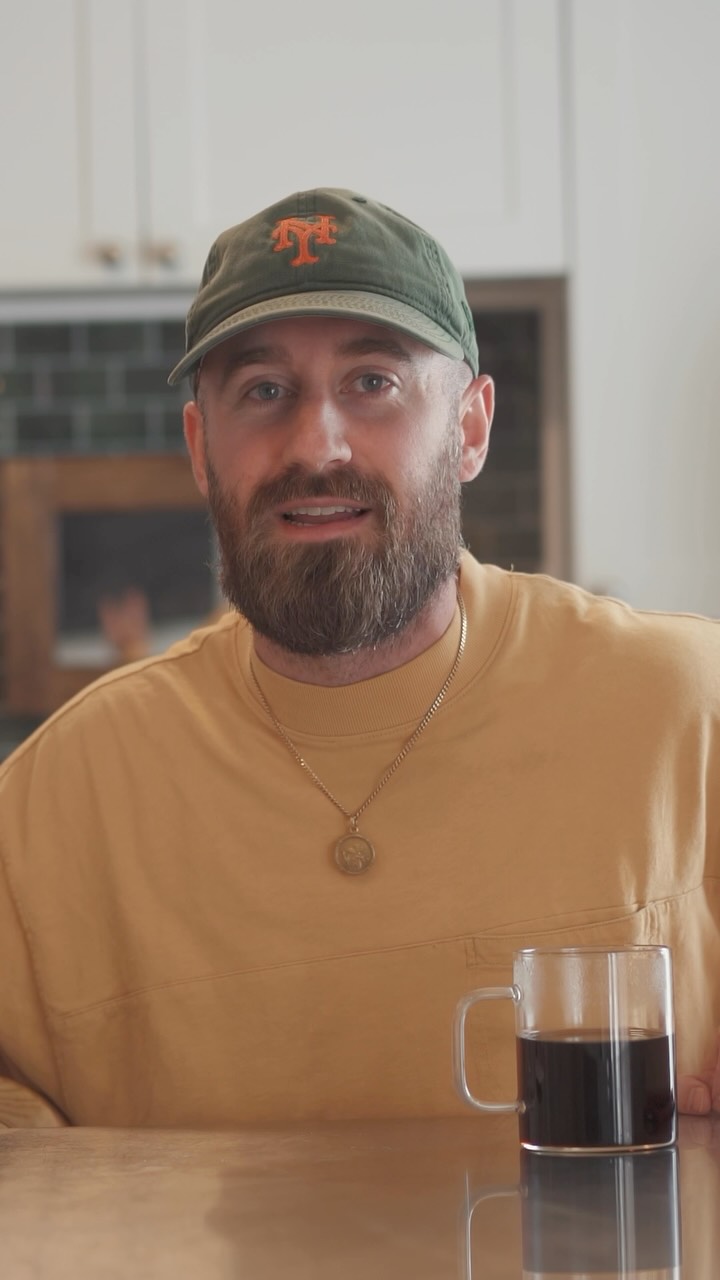
A direct-to-camera, medium close-up shot of the speaker with a serious expression, creating an immediate sense of confrontation and personal address.

[07]

Hook and payoff

The promise the opener makes, and how the video pays it back

Hook

A bold, contrarian accusation against a recognized group or practice within a niche, signaling that a taboo is about to be broken.

Payoff

Delivers a powerful, memorable, and damning summary statement that labels the entire system as a trap, providing a clear and emotionally resonant takeaway for the viewer.

[08]

Narrative framework

The structural pattern this video runs on

Framework

The Industry Exposé

To deconstruct a common but harmful practice within a specific industry by exposing its predatory mechanics, the psychological manipulation it relies on, and contrasting it with the 'hard truth' alternative, thereby empowering the viewer with insider knowledge.

  1. 1

    The Contrarian Accusation

    States a provocative thesis that challenges a popular belief or group, immediately establishing an 'us vs. them' dynamic and creating intrigue.

  2. 2

    The Victim Profile

    Defines the vulnerable audience being exploited, creating empathy and allowing the viewer to self-identify with the problem.

  3. 3

    The Predatory Mechanism

    Explains the specific business model or system used to monetize the audience's vulnerability, moving from accusation to explanation.

  4. 4

    The Evidence List

    Provides a rapid-fire list of concrete, recognizable examples of the predatory tools, products, or tactics, grounding the argument in reality and validating viewer suspicions.

  5. 5

    The Deceptive Framing

    Exposes how the harmful practice is cloaked in positive or empowering language to mask its true intent.

  6. 6

    The 'Hard Truth' Contrast

    Juxtaposes the difficult, unsexy reality of achieving genuine success with the easy, appealing lie being sold, establishing the speaker's credibility and authority.

  7. 7

    The Psychological Trap

    Explains the psychological vulnerability or desire (e.g., 'hope without confrontation') that makes the target audience susceptible to the deception, shifting the focus to the viewer's mindset.

  8. 8

    The True Cost Reveal

    Re-frames the negative impact, elevating it from a simple problem (e.g., lost money) to a more profound form of damage (e.g., misdirection, dependency, lost hope).

Themes

  • Exploitation
  • Authenticity
  • Consumerism
  • Misinformation
  • Self-Improvement

Techniques

  • Direct address
  • Monologue
  • Critical analysis

Trends

  • Industry critique
  • Calling out bad practices

Post caption

long video. on purpose. this isn’t something you can explain in a quick clip without missing the point. a lot of fitness content isn’t built to help you get better. it’s built to keep you buying. generic plans. useless supplements. “empowerment” language that quietly removes discipline and responsibility. shortcuts sold as self care. real progress is slow, boring, and repetitive. that doesn’t scale well. confusion does. and when nothing changes, the blame slides to you instead of the system that was never designed to work. good coaching makes you more capable over time. bad coaching keeps you dependent and chasing the next fix. if someone’s success depends on you staying insecure, overwhelmed, and confused, it is not empowerment. it’s a trap. if this video feels uncomfortable, good. that usually means it hit something real. watch it when you have the attention span. this one wasn’t made for scrolling.

Text overlays

  • title · throughout

    Some female fitness influencers don't want you to succeed.

Transcript

Okay. I am gonna say it. A lot of female fitness influencers are insanely predatory towards their own audience, their own followers, their community, the people that trust them. Alright? They build an audience of women who are insecure, overwhelmed, and desperate for change, and then they monetize that insecurity as hard as possible. Okay? They sell generic workout plans, recycle for the thousandth tier, PDFs that do not account for experience level, injuries, hormones, or lifestyle. Supplements that have the fancy labels that do fuck all. Okay? Like fat burners, detoxes, teas, hormone balancing bullshit with zero evidence. And it's always framed as empowerment. They'll say things like, oh, you don't need discipline. Just buy the plan. Or you don't need consistency. Just this product. And that's the grift, okay? Because real progress doesn't sell well at scale. Real fitness is very slow, it is unsexy, it is repetitive, and it is built on habits and not hacks. So instead of teaching that, they sell shortcuts. They promise the results without discomfort, and here's why it works. Their audience doesn't want the truth. They want hope without confrontation. So the influencer becomes a permission slip. A way to feel like you're doing something without doing the thing. And the most predatory part isn't even the money. It's the misdirection. Because these women could be teaching strength, self trust, patience, consistency. Instead, they teach dependency. Buy the next plan. Try the next supplement. Wait for the next launch. Meanwhile, the influencer keeps posting progress that came from years of discipline, genetics, sometimes enhancements, or coaches they don't even mention. Okay? And this is not empowerment. It is exploitation. So if someone's entire business model relies on you staying confused, insecure, and chasing the next solution, it is not help. It's a fucking trap.

Creator critiques predatory fitness influencers | Viral Hooks