@nickalexcomedy
Instagram · Talking Head Edit
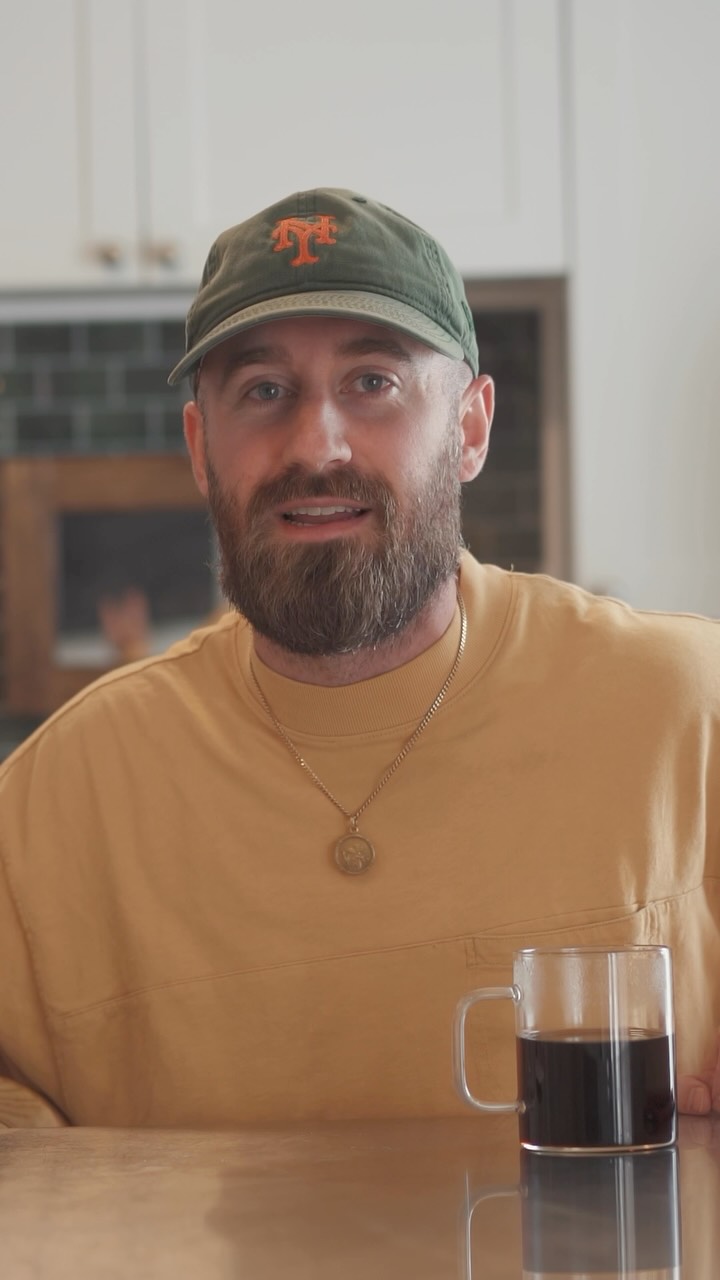
@nickalexcomedy Shows: Portland, ME - 10/1 Springfield, MA -10/2 Boston - 10/3 West Bend, WI - 10/9 Denver - 10/18 Philly - 10/30

@nickalexcomedy
Instagram · Talking Head Edit
@nickalexcomedy Shows: Portland, ME - 10/1 Springfield, MA -10/2 Boston - 10/3 West Bend, WI - 10/9 Denver - 10/18 Philly - 10/30
Performance
Video #49017 · Talking Head Edit
[01]
The creator delivers a passionate monologue critiquing the social media trend of 'fake podcasts.' He begins by introducing the trend and showing two examples of creators delivering monologues in a podcast setting without an interviewer. He then analyzes why this is happening, concluding it's a strategy to manipulate the algorithm by simulating an authentic conversation, which he argues is dystopian and blurs the line between reality and performance.
[02]
[03]
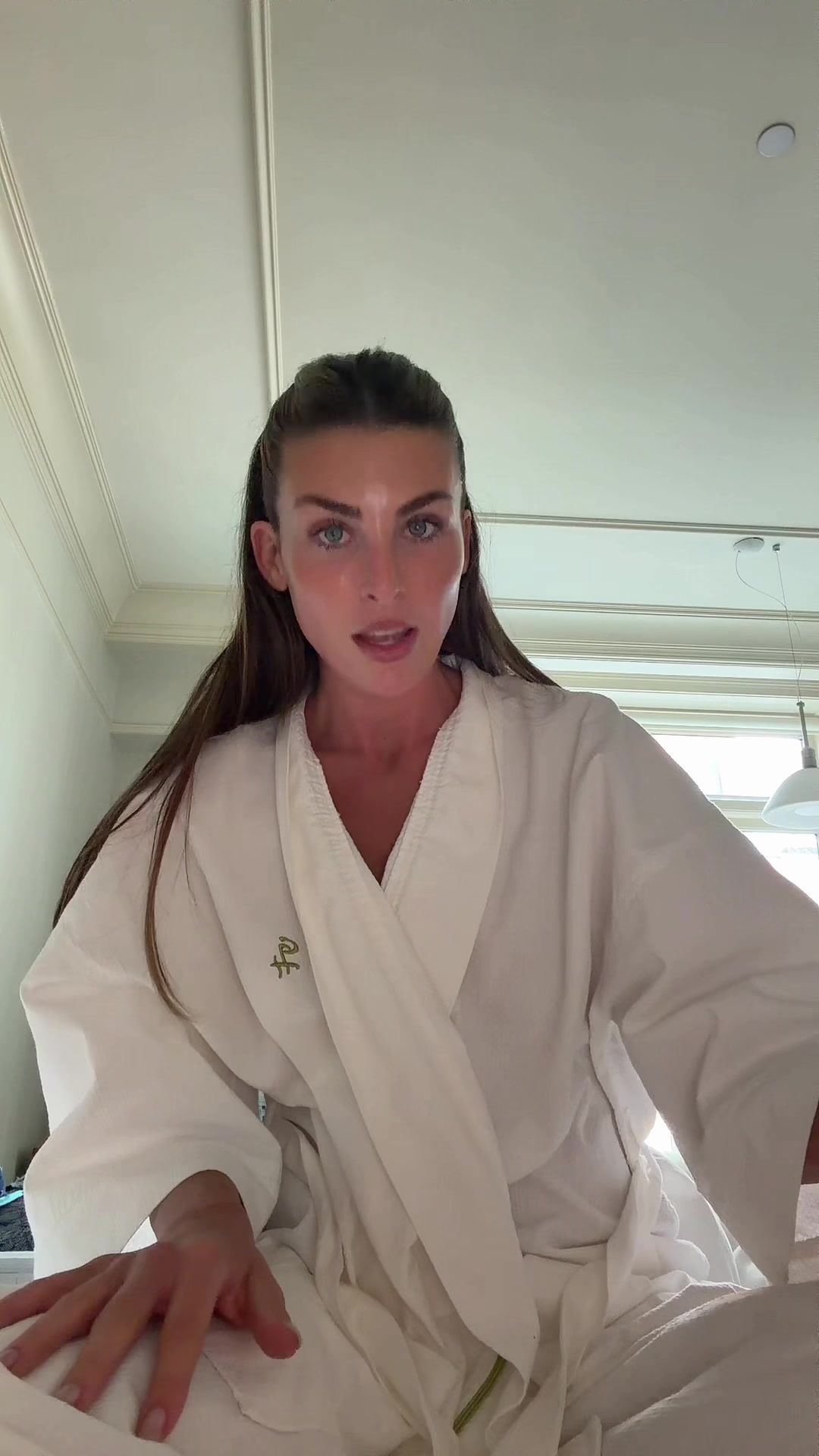 1.6M8.7×Raw monologue on internet culture@paigelorenze · Vulnerable Monologue
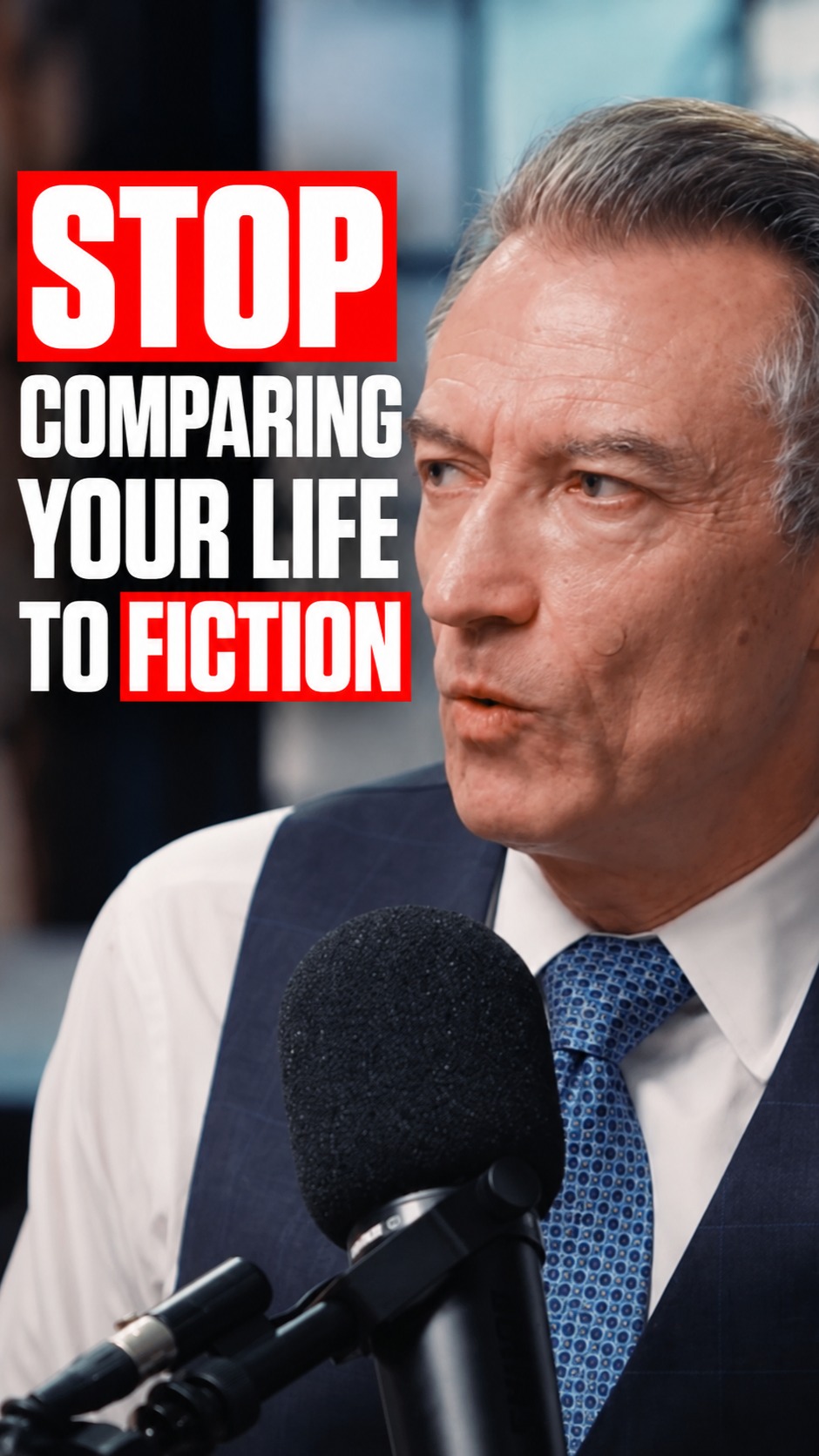 736.8K9.7×Passionate rant about social media@nycdivorcelawyer · Cultural Rant
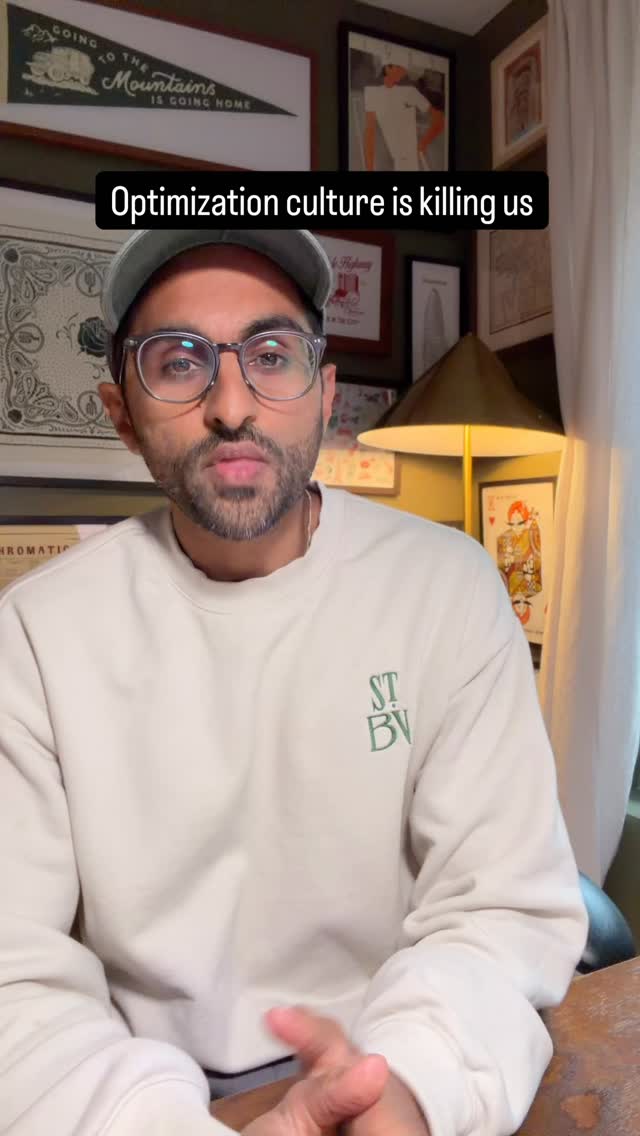 8.1M481.1×Critiquing optimization culture with evidence@shwinnabegobrand · Cultural Rant
 390.1K8.1×Creator's motivational speech on creativity.@johnbucog · Brand Manifesto
 2.1M6.6×Explains psychology of social media lurking@sensei.nick · Breakdown
 1.1M45.8×Man in car rants passionately@higherupwellness · Vulnerable Monologue
 392K3.9×Fake podcaster gives circular advice@_devontewest · Satirical Expertise
 58.5KWalking monologue on dating problems@cbwritescopy · Hot Take
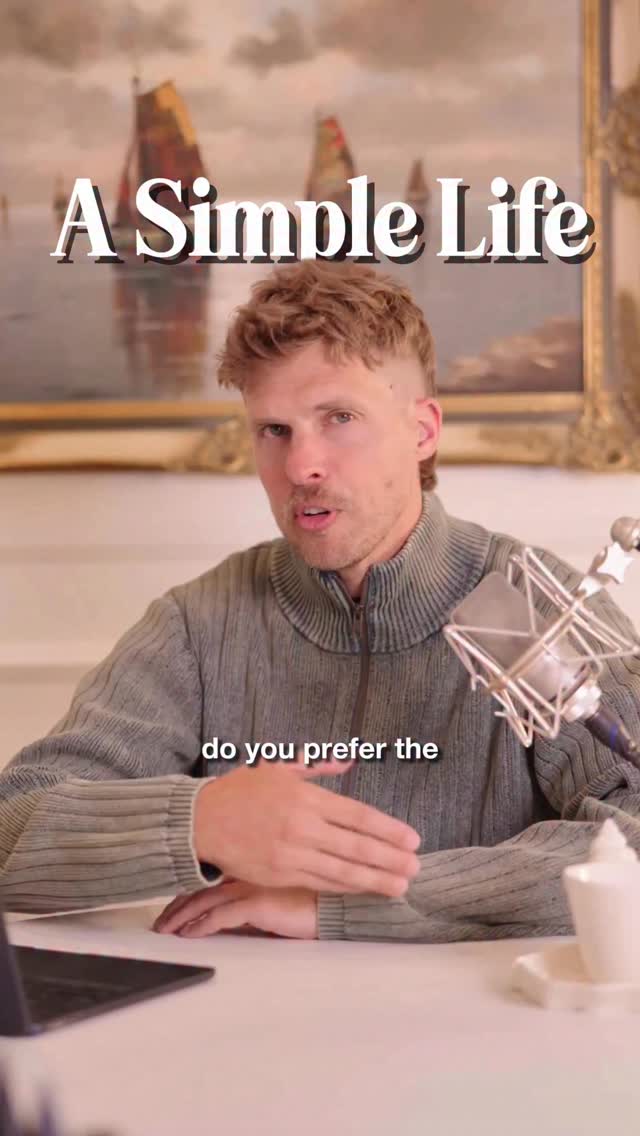 310.2KDeconstructs the simple life fantasy@orenmeetsworld · Breakdown
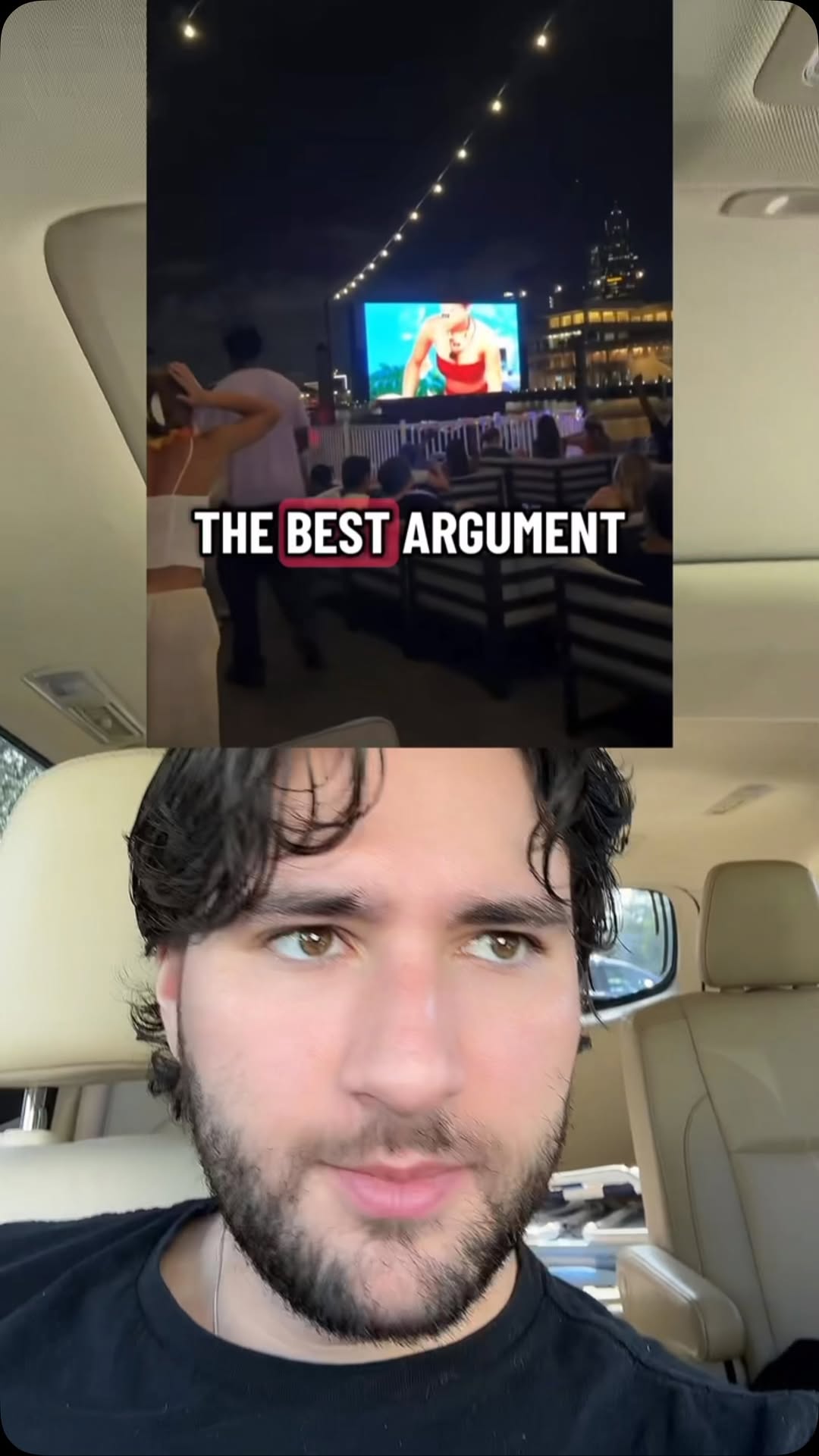 335.2K10.1×Split-screen social commentary rant@womp_tomp · Hot Take
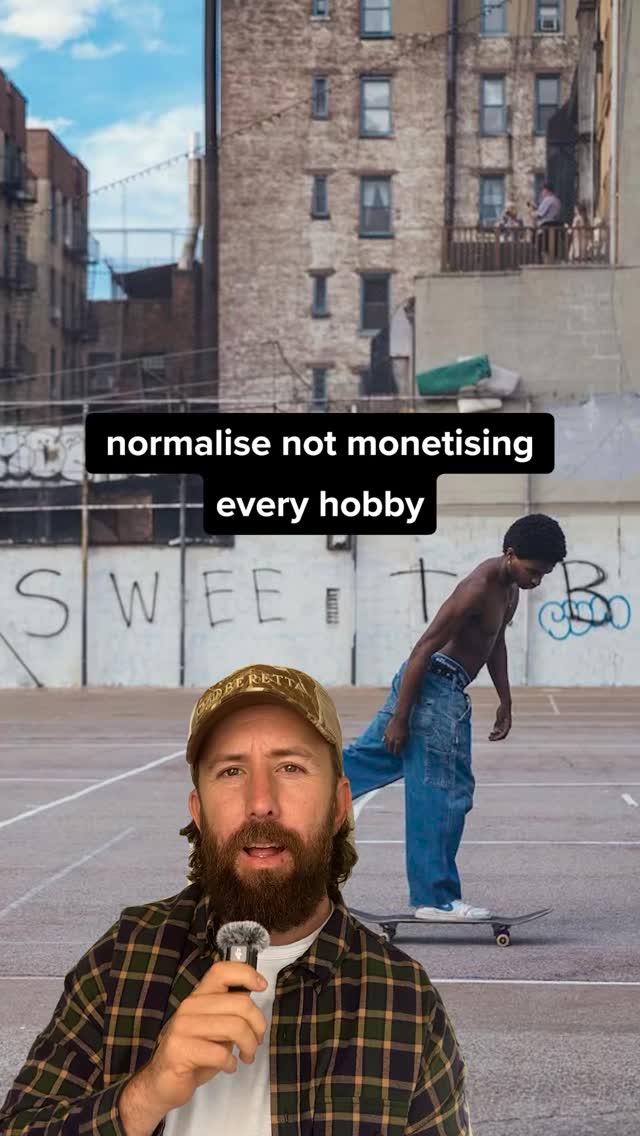 1M55.6×Monologue over B-roll montage@wearecalamity_ · Cultural Rant
 1.2M9.8×Monologue on overthinking's pitfalls@benhbader · Hot Take
[04]
[05]
What stops the scroll in the first 3 seconds
Title hook
Am I the only that finds this concerning?
Verbal hook
There's a new trend going on on social media where people are staging fake podcasts.
Visual hook
A medium close-up of the creator with a concerned facial expression, resting his head on his hand, which immediately establishes a serious and questioning tone.
[07]
The promise the opener makes, and how the video pays it back
Hook
The creator poses a direct, relatable question to the audience ('Am I the only one...?'), framing a new social media trend as personally concerning to create immediate intrigue and a sense of shared discovery.
Payoff
The creator delivers a moment of meta-commentary, acknowledging their own participation in the very system they are critiquing. This act of self-awareness creates a final, relatable bond with the audience over a shared sense of entrapment and frustration.
[08]
The structural pattern this video runs on
Framework
The Dystopian Trend Report
The framework identifies a niche, concerning cultural trend, presents evidence, analyzes the underlying systemic cause (often algorithmic), and escalates the analysis to a broader, dystopian societal critique.
The Troubling Observation
The creator introduces a new, specific cultural phenomenon and explicitly states their negative emotional reaction to it, setting the video's critical tone.
The Exhibit A
The creator presents a clear, unambiguous piece of evidence (a video clip) that demonstrates the existence and nature of the trend, grounding the abstract claim in concrete reality.
The Deconstruction
The creator analyzes the evidence, pointing out its core absurdity and establishing that the example is not an isolated incident but part of a wider pattern.
The Escalation to Thesis
The creator pivots from the specific trend to a broad, philosophical thesis statement, reframing the initial observation as a symptom of a much larger, more profound societal problem.
The Reinforcing Evidence
A second piece of evidence is briefly shown to solidify the trend's prevalence and reinforce the validity of the creator's thesis.
The Root Cause Analysis
The creator explains the 'why' behind the trend, attributing the behavior to the pressures of a non-human system (e.g., 'the algorithm') rather than simple human choice.
The Psychological Mechanism
The creator explains the feedback loop that powers the trend, detailing why the tactic is effective on both human psychology and the system it's designed to manipulate.
The Dystopian Conclusion
The creator summarizes the grim, philosophical implications of the trend, concluding that the simulation of an act has become more valuable than the act itself.
Shows: Portland, ME - 10/1 Springfield, MA -10/2 Boston - 10/3 West Bend, WI - 10/9 Denver - 10/18 Philly - 10/30
title · beginning
Am I the only that finds this concerning?
There's a new trend going on on social media where people are staging fake podcasts. They're pretending to have conversations with people who aren't actually tier, and it's freaking me out. Here's an example. I don't ever want a problem, but But if they want a problem, no problem. I'm a peaceful man. I choose peace every single day. I don't look for conflict. I don't chase... There's nobody else on the other side of that podcast. It never cuts to another person. There's no long form version of this thing. And mad people are doing this. Am I overreacting or is this absolute lunacy? And we should all be concerned that the representation of reality is replacing reality. People buy tier, poor people buy things, middle class people buy the appearance of being rich. That's why they stay middle class. Think about where your money good, not where you say it goes. It wasn't enough that we bad to worry about the media and the government deceiving us on a daily best, but now our fellow human being is just... They're fucking taking part in it as well. Just talk to the camera. Make your points at the camera. Talk to us as an audience. But that doesn't work as well for the algorithm. Human beings are more inclined to engage with a video if it seems like a genuine, authentic conversation is being listened into better than one that's been prepared and delivered to them through the camera. Meaning human beings, we're just the traffic on the way for a person proving to a robot that the performance was successful. Is this not dark and dystopian to anybody else? This dude has amassed 3,000,000 followers doing that. That's in like the top 1% of social media. And what goes on on social media now fully bleeds into what goes on in the real worse, which almost means that the appearance of having a conversation is almost more useful and valuable than actually having one. And the fact that I'm even making a video to criticize this video and put it on social media is contributing to this entire spectacle, but it's it's freaking me out, tier. And I had to talk about it.