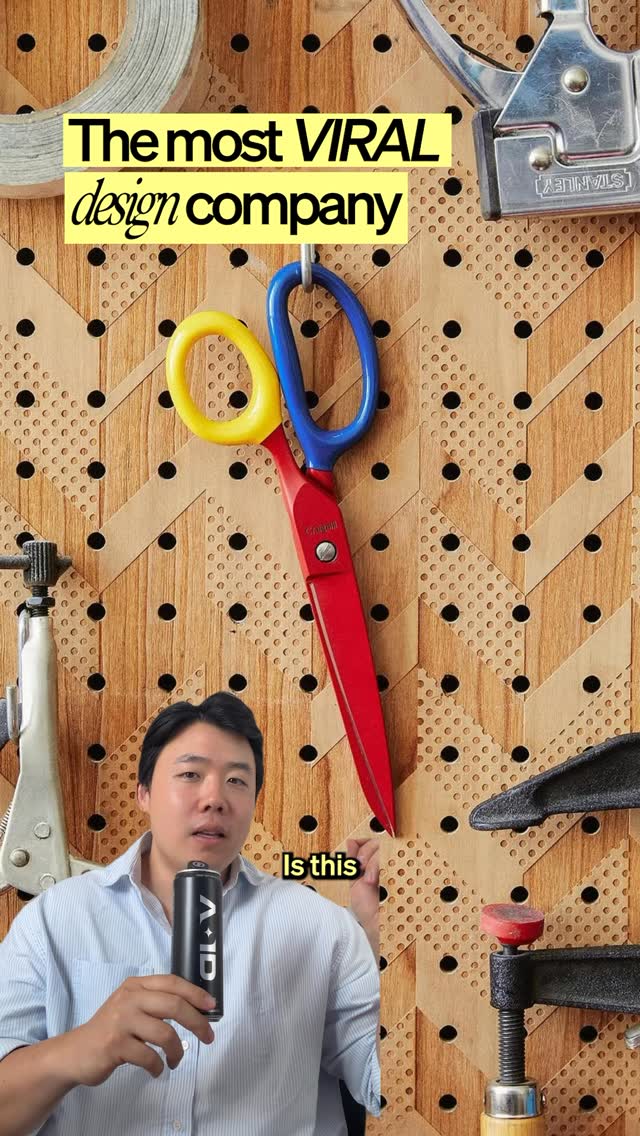
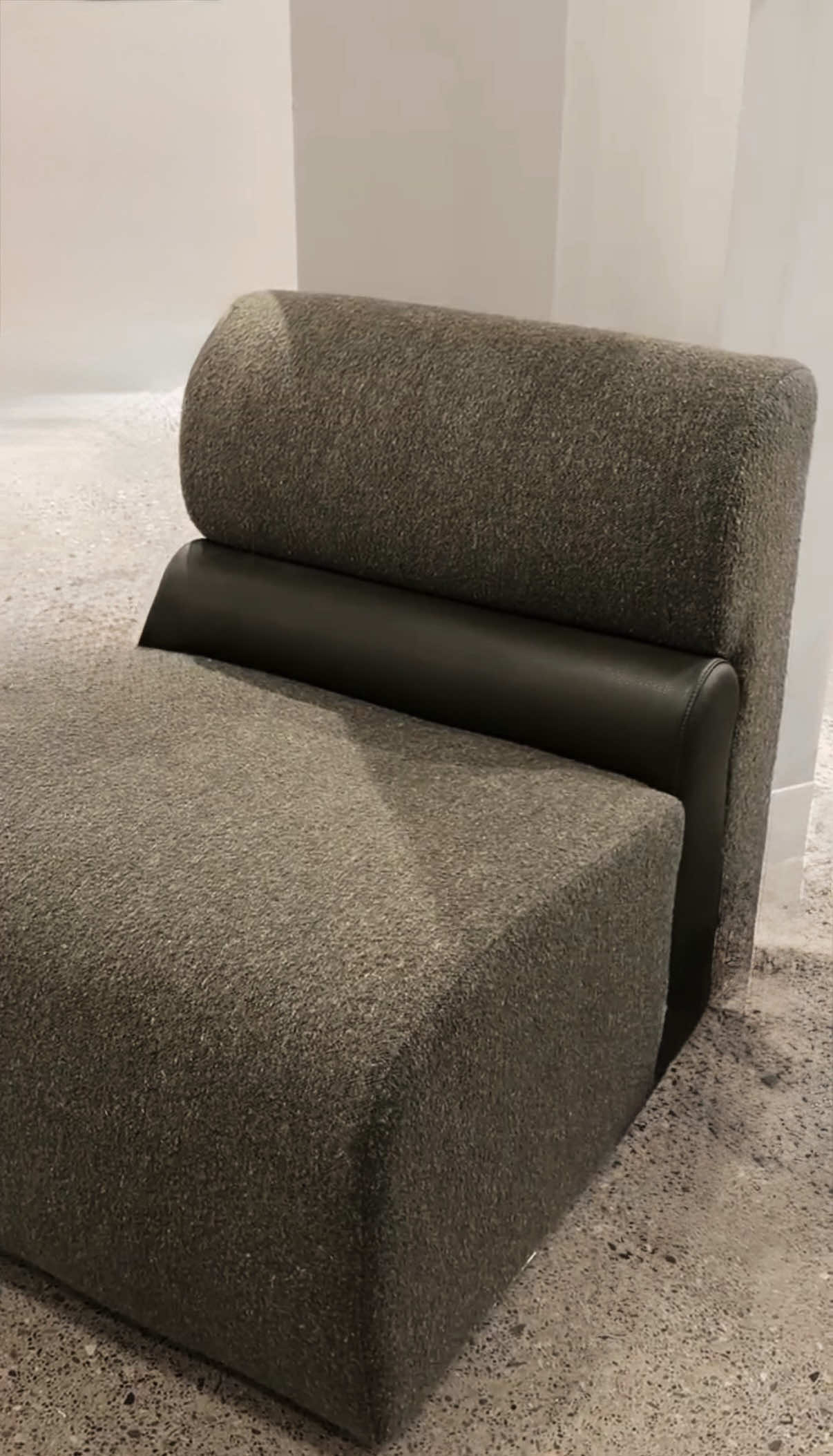
The creator, an industrial designer, breaks down the three main ways designers make money. She explains the pros and cons of working in-house for a company, licensing designs to brands for royalties, and starting your own business to design, manufacture, and sell your own products, using her own studio as an example of the third path.
Post caption
Money? I’m a designer I’ve never heard of that (laughing, crying)
But seriously, I know it’s basic but these are things I didn’t really understand in design school, sometimes you just need it laid out in super basic terms.
#design #industrialdesign #designstudio #designadvice #designcareers
Transcript
How the f do designers make money? This is the video I wish I had in design school. For context, I have a degree in industrial design and now have a studio slash business where I design home goods, decor, furniture, etcetera out of Vancouver, Canada. But that's definitely not the only route to take as a designer. I would say very broadly speaking, there are three categories of ways to make money if you want to design products, furniture, home goods, or lighting. The first and most risk averse is to work for someone else. Be an in house designer for an existing company. This could mean anything from a large household name like Ikea or Bad and Olufsen to a smaller local studio or even single designer. Say for you best a regular paycheck, but your designs are owned by that company and in many cases are launched under the name of the lead designer or founder. The second option is probably the most conventional system for designers to independent, which is licensing. In this setup, a designer comes up with a design and a brand or manufacturer will pick it up, paying the designer royalties every time it's sold. Sometimes the designer has a product that the brand sees and wants to produce or the designer pitches it to them, And sometimes, the brand comes to them with a product and they more or less commissioned the designer to come up with a few concepts. This has historically worked because the designer doesn't take on any of the risk of having to manufacture, market, or sell the product, and they tap into the brand's existing worse, but they also get a very small percentage of the profits. The trick with this though is that you have to get the brands to notice you and want to work with you, so it can be really hard to get your foot in the door of this system. The third broad category is to do it all yourself. Start a business, design, manufacture or make, sell, and market your own products. This is the most risky and stressful, no, of course, what I've chosen to do. But the pros are that you rely only on worse, and the cons are also that you rely only on yourself. Of course, there's way more complexity than this, so TikTok commenters don't come for me. But these are just some of the ways that I know that people have built careers or made money in design. And I wish I knew some of this when I left design school because I don't feel like it was very clear to me.