@jason_swet
TikTok · Speaker address
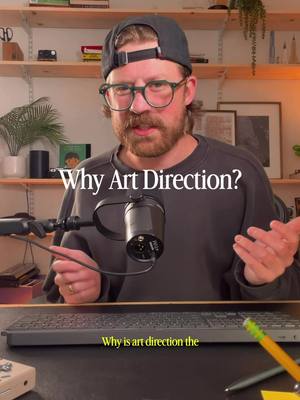
@jason_swet Why I’m teaching art direction?

@jason_swet
TikTok · Speaker address
@jason_swet Why I’m teaching art direction?
Performance
Video #16691 · Speaker address
[01]
The creator presents a numbered list of five reasons why art direction is a valuable and increasingly important skill. He argues that it adds meaning beyond aesthetics, is crucial for the maturing creator economy, offers a generalist career path, is the fastest way to communicate, and that he is creating resources to teach it due to a lack of existing educational paths.
[02]
[03]
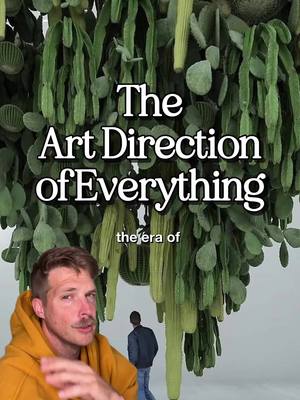 307.1K1.1×Explaining the art direction of everything@orenmeetsworld · Breakdown
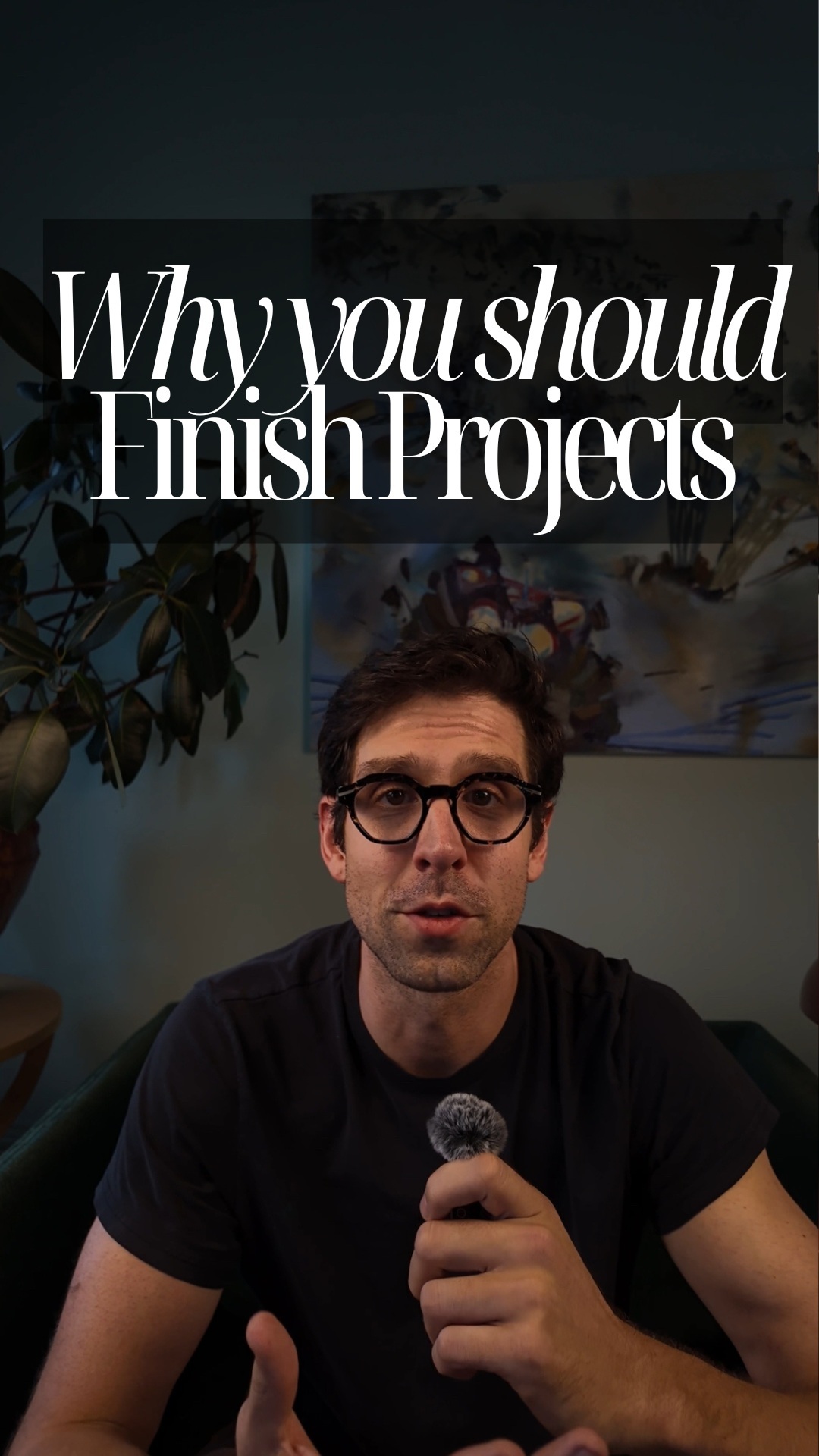 107.3KReasons to finish design projects@hansloreidesign · Breakdown
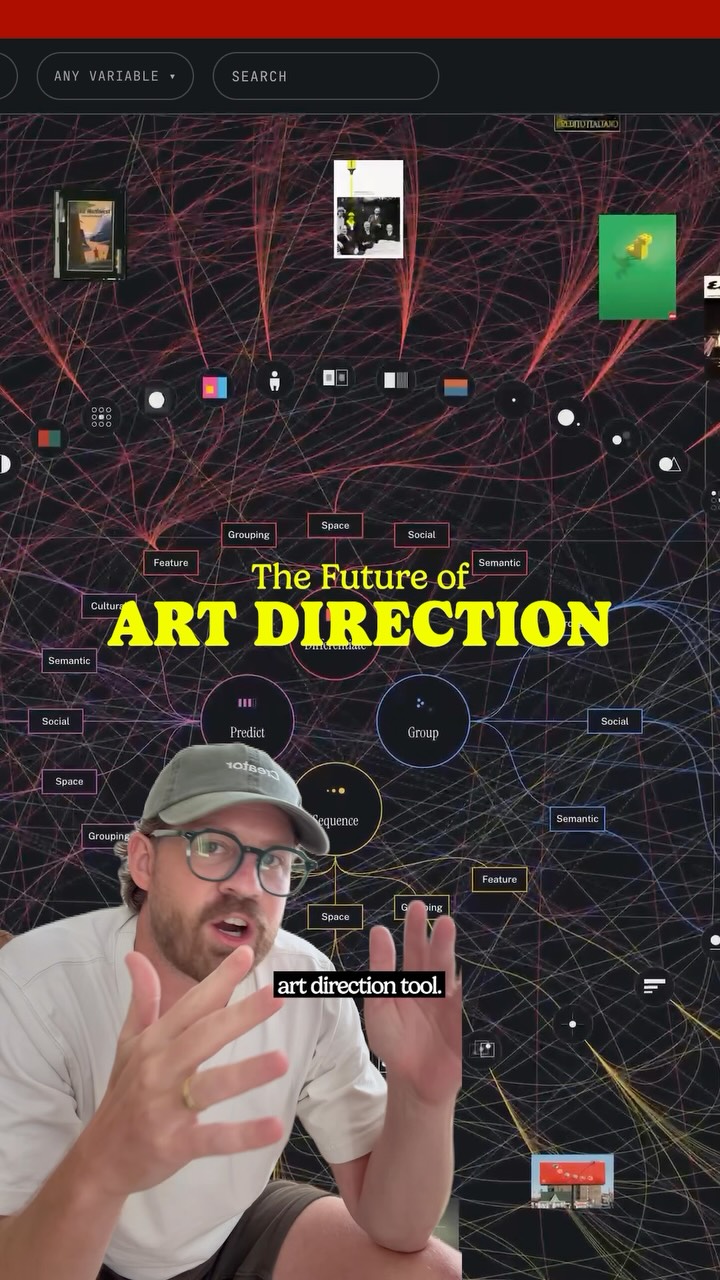 845.7K156.9×Creator promotes art direction course@jason_swet · Product Promo
 609.9K3.9×Rapid fire taste improvement tips@fakeplasticbrands · Rapid Fire Listicle
 238.1K48×Creator promotes his art direction course@jason_swet · Product Promo
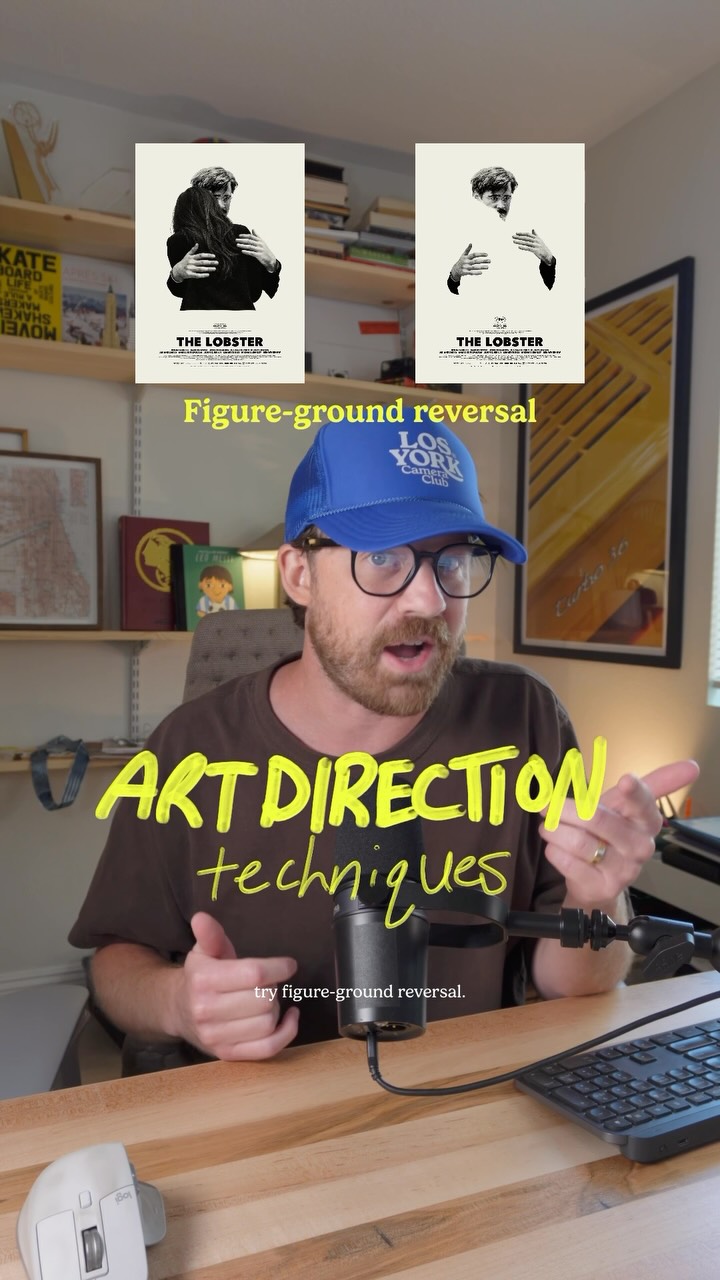 112.6K18.3×Explaining three art direction techniques@jason_swet · Rapid Fire Listicle
 142K48.8×Graphic yap role history breakdown@briarcochran · Breakdown
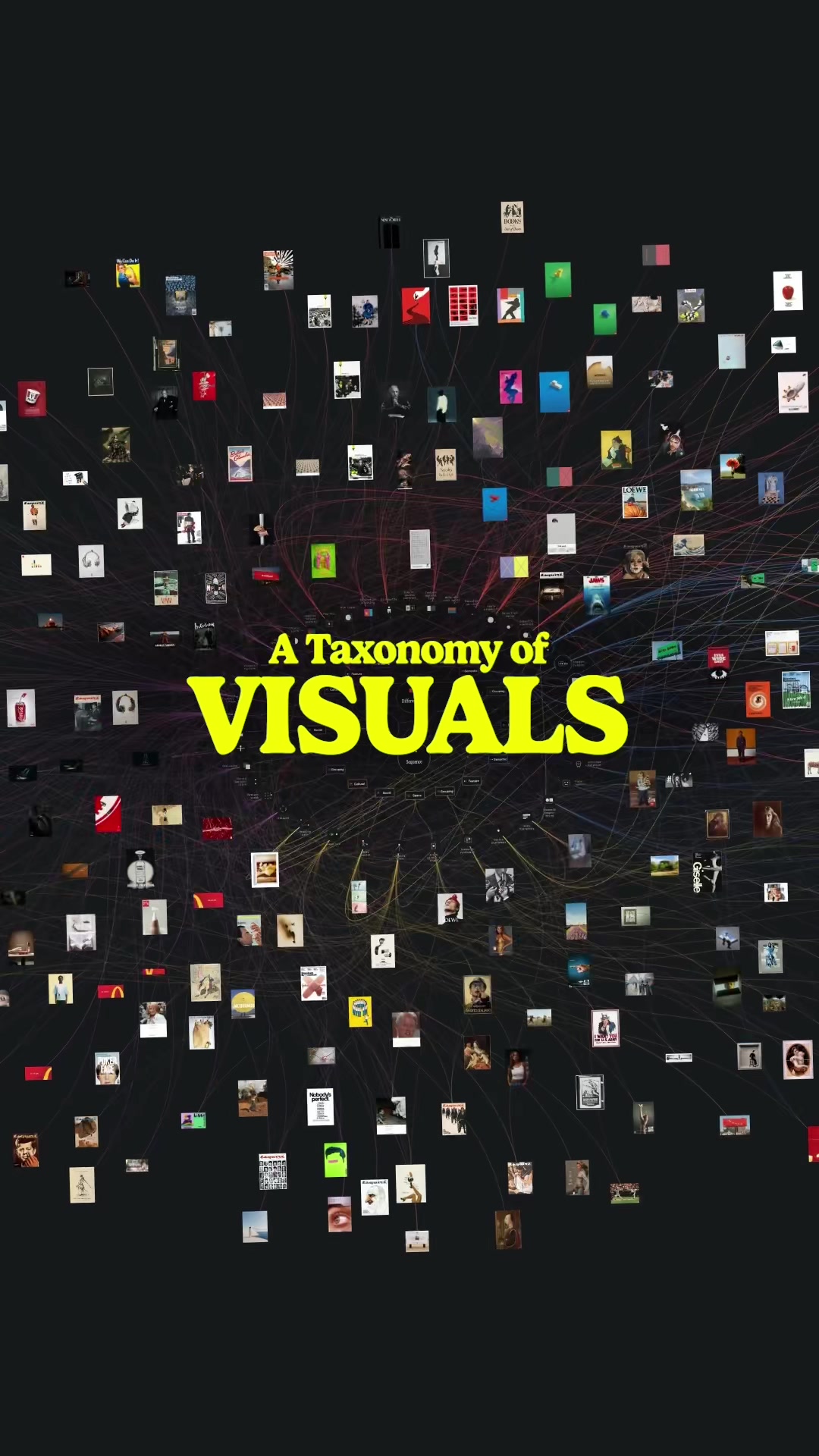 207.9K9.5×Creator explains visual ideas framework@jason_swet · Opportunity Explainer
 593.2K1.7×Create a signature style for content@jasoncooperson · Breakdown
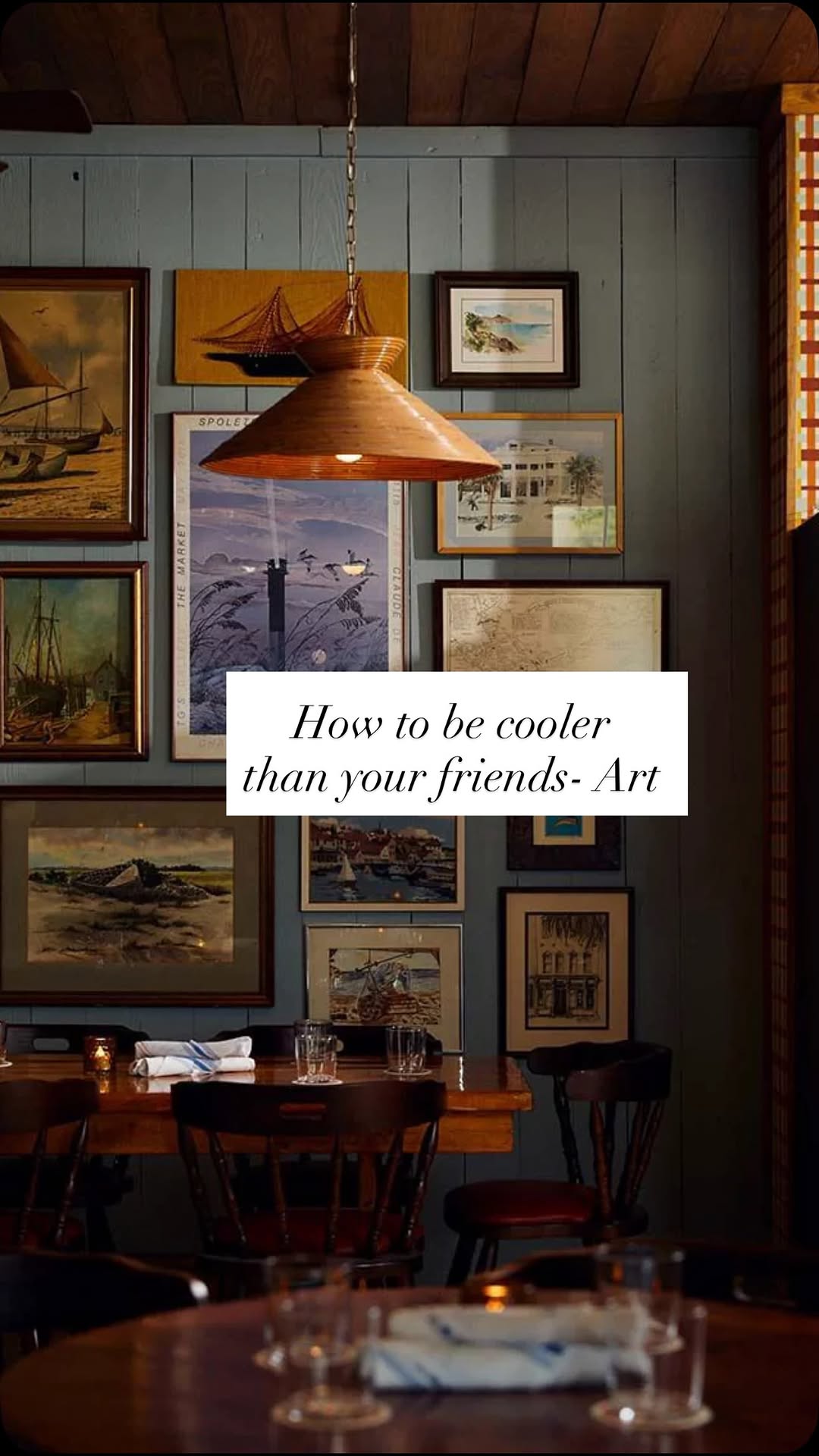 1.3M9.8×Categorizing wall art needs@lilswalty · Tutorial / How To
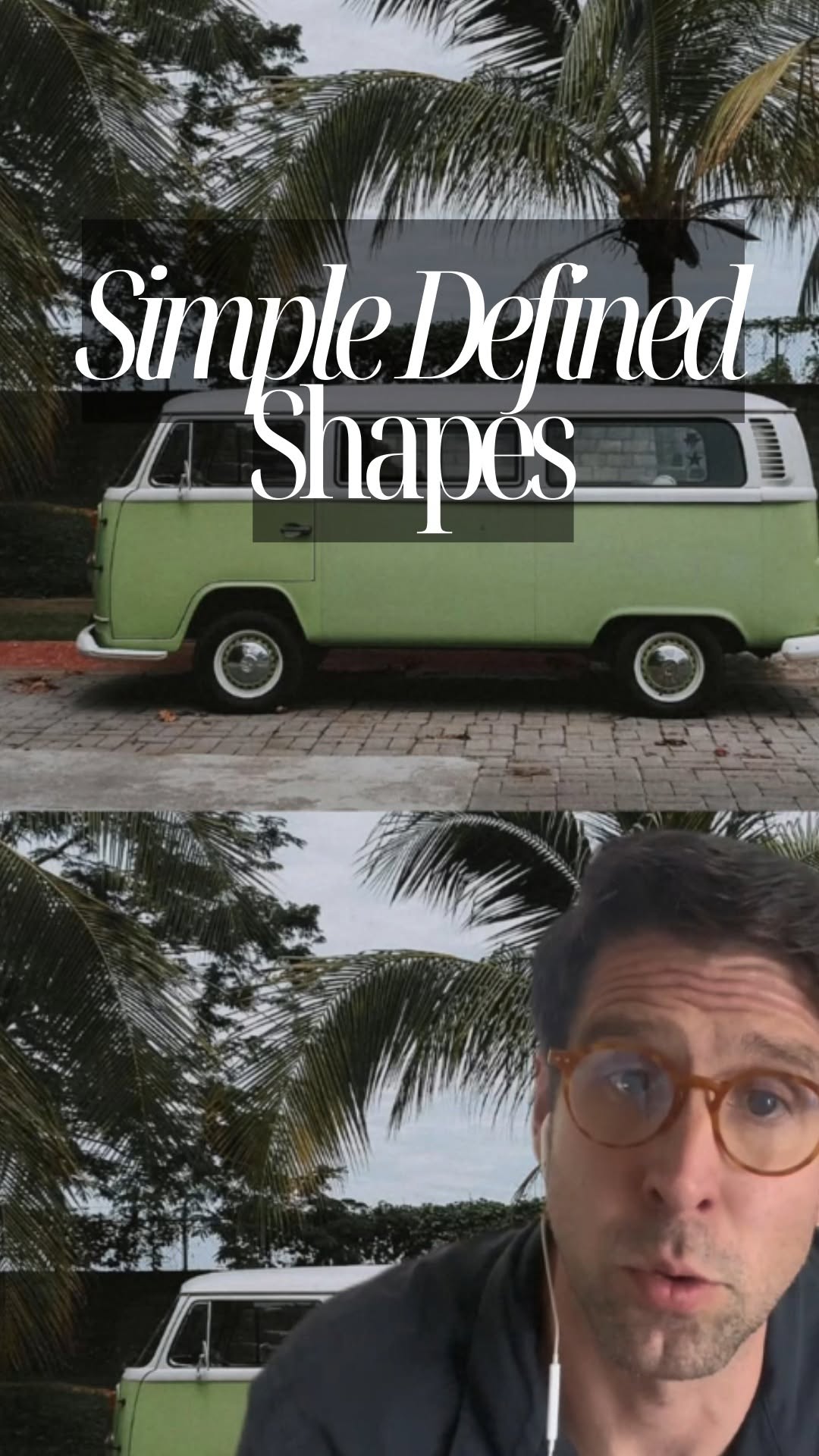 1.2M14.7×Argument that simple defined shapes make for better design@hansloreidesign · Breakdown
 350.4K5.2×Four practices for improving taste@curatingambiance · Breakdown
[04]
[05]
What stops the scroll in the first 3 seconds
Title hook · 35%
Why Art Direction?
Verbal hook · 60%
Why is art direction the hottest skill set of 2026?
Visual hook · 5%
Direct-to-camera address from a creator in a well-lit office setting, using a professional microphone which signals authority. The speaker uses expressive hand gestures to emphasize his points.
[06]
Steal this for your own video
Why is the hottest skill set for ?
[07]
The promise the opener makes, and how the video pays it back
Hook
The Provocative Prediction: Opens with a bold, forward-looking claim about the future importance of a niche topic, immediately followed by highlighting a common knowledge gap to create intrigue and establish authority.
Payoff
The Scarcity & Solution Pivot: The final point transitions from 'why this is important' to 'why it's hard to learn,' identifying a market gap in education and positioning the creator's own content or program as the accessible solution.
[08]
The structural pattern this video runs on
Framework
The Expert's Manifesto
To establish the value and timeliness of a specific skill or concept by presenting a numbered list of escalating arguments, transitioning from broad principles to specific market trends, and culminating in a direct call to action that positions the creator as the solution to a learning gap.
Beat 1: The Foundational Argument
Establishes the core philosophical value of the topic, differentiating it from a more superficial, common understanding (e.g., substance vs. style, strategy vs. tactics).
Beat 2: The Market Relevance Proof
Connects the abstract concept to a tangible, maturing industry or trend, demonstrating its growing demand and real-world application.
Beat 3: The Personal Benefit Angle
Shifts focus to the individual practitioner, outlining a key career advantage or lifestyle benefit that the skill provides (e.g., flexibility, versatility).
Beat 4: The Universal Principle
Elevates the topic's importance by framing it as a fundamental law of a larger field (e.g., communication, business), making it seem indispensable.
Why I’m teaching art direction?
title · beginning
Why Art Direction?
Why is art direction the hottest skill set of 2026? Even though most people don't even understand what it is or the role. What's funny in the best, that's kind of been the point. So why learn art direction? Number one, everything looks good. Everyone has taste. Do those things have meaning or substance? Is there an insight behind those visual decisions that will resonate more deeply with your audience and influence them? The Internet is full of pretty things that say nothing. Art direction values thinking. Your brain forces the idea to come first before aesthetics, before execution, and that is one of the more rare skills. Number two, the creator industry is maturing. It grew up in a silo in large part because it was sort of ostracized ostracized for years. I've noticed a lot of the same principles becoming more popular, and only now the language and vocabulary are starting to cross pollinate. The value of ideation, insights even, key visuals, packaging, attention, hooks. The next phase of that maturation is really our direction, sets, props, wardrobe, styling, graphics, type, motion. You're gonna see a lot more jobs there. Number three, you never have to pick a lane. It's usually a generalist role. You need to know a bit of every visual discipline, photography type, color, film, styling, wardrobe, spaces, culture, strategy. That's not to say you can't specialize. It's often in a specific industry, entertainment, or fashion. I started in Chicago, so I got pulled into the CPG worse, Mars, Yes Johnson. And since then, a lot more health products, snacks, food, and beverages. But it does pay to pull in your passions. Like, I worked in a lot of soccer, football briefs, or a bit in running. Number four, visuals are the fastest way to communicate. Every company should have an art director. That's why movies value production design, which is basically the same thing. I don't wanna dive down that rabbit hole. You know why visuals are important. It's crazy how we're almost coming full circle with all this. And number five, because I will teach you myself. Until recently, there have been very few ways to learn art direction. Ask almost any art director about how they became an art director, and they'll probably describe finding it by accident or falling into it after experience in another discipline. Even attending ad school or portfolio program is not an option for most. That's why I'm making these videos. That's why I started my own program. And make sure you're following along for more videos about our direction.