Post caption
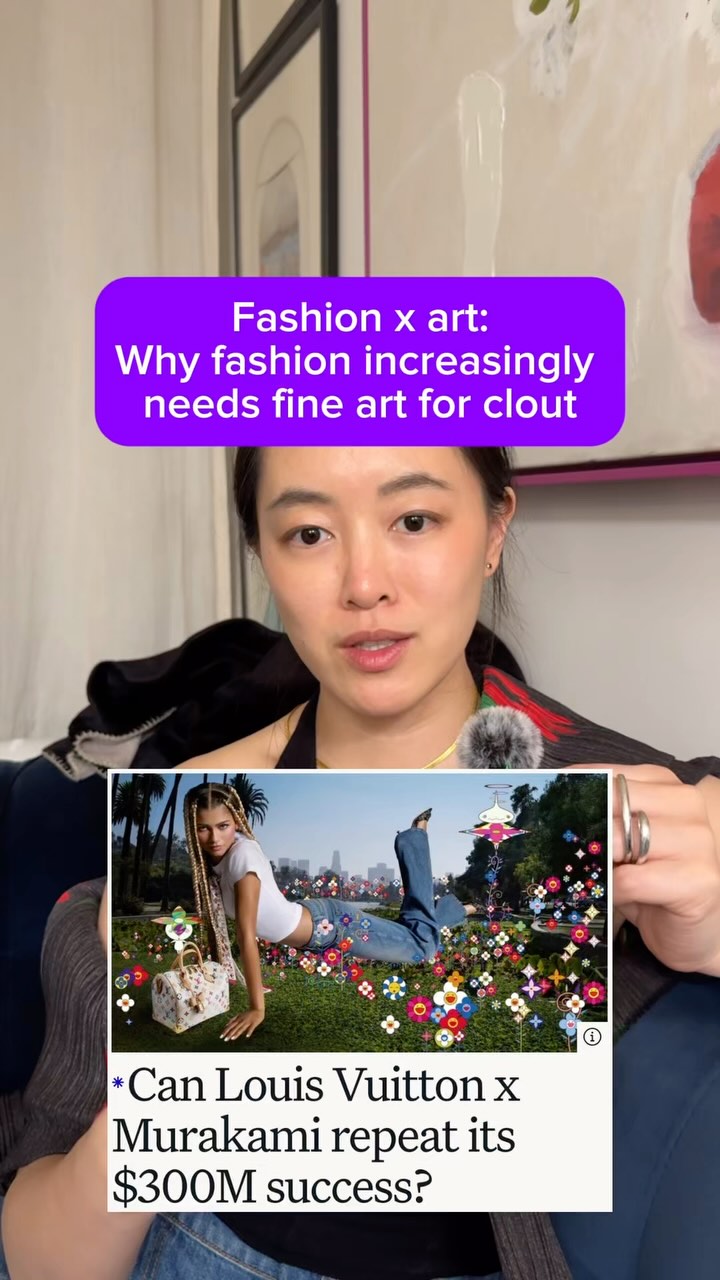
💭THINKING ABOUT: FASHION BORROWING CLOUT FROM FINE ART 💭 and how luxury fashion is increasingly reaching into adjacent spheres (fine art, film and tv, theater, literature) to buoy its cultural status amidst growing disillusionment. The fine art world seems to have embraced fashion’s presence at the major art fairs like Biennale, Art Basel and Frieze, and fashion x art collabs are often financial hits.
But how much cultural credibility can fashion borrow before the arts start to lose it? I’m not placing a value judgement on the customer that consumes this stuff (myself included). I’m also not saying genuine artistic partnerships are not possible; they definitely are. Rather, I’m wondering if popularizing this more direct line via fashion to mass appeal and popularity for one’s art could ultimately incentivize work that is less complicated & challenging.
If you’d like to read more in depth about the topics here beyond the articles cited I’m marrying lots of ideas from two books in particular: “Merchants of Style: Art and Fashion after Warhol” by Natasha Degen (she’s brilliant) and “Status & Culture” by W. David Marx. I swear between the two of these you won’t be able to see the world the same way.
#frieze #artfairs #fashionanalysis #artandfashion #takashimurakamilouisvuitton #yayoikusamalouisvuitton
Transcript
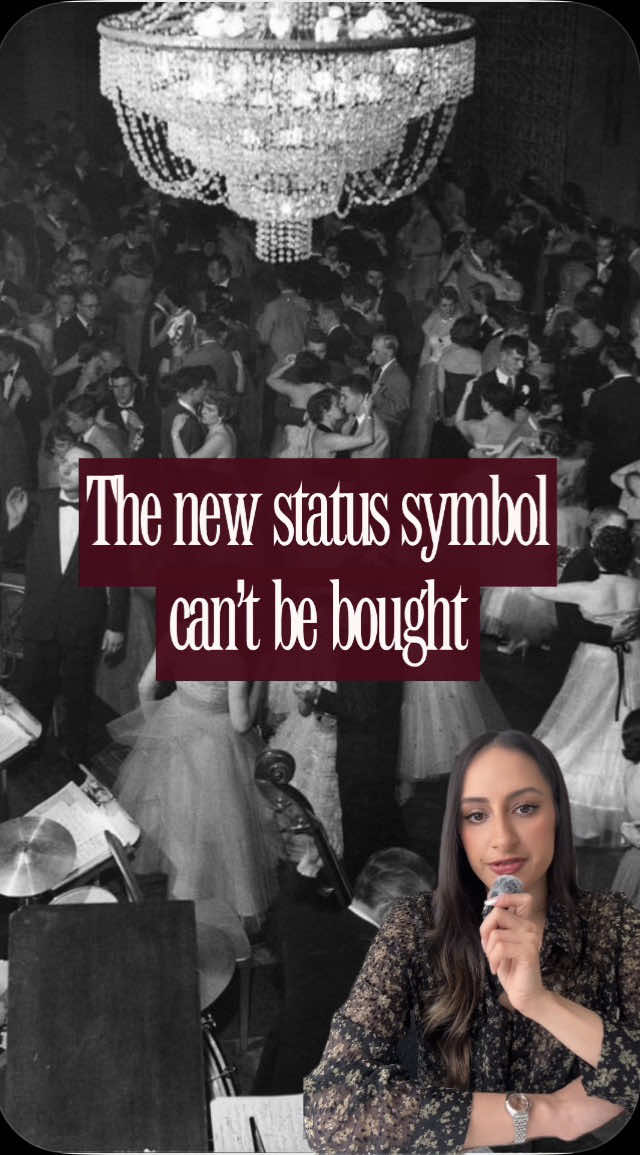
Luxury fashion is bleeding cultural capital and borrowing from the arts to survive. For the longest time, luxury meant rare materials, masterful craftsmanship, and steep barriers to entry. You weren't just buying product. You were buying a way to signal your taste, access, and belonging. Best that signal's gotten noisy. Quality is slipping. The resale market and dupe culture have made the visual codes of luxury widely accessible. So what do you do when product alone can't carry your brand? You borrow from something even more elusive, fine art, which retains that aura of authenticity and mystique that you've lost. This is why as the luxury market slows down, we've seen acceleration in fashion and art partnerships. Think the Murakami LV reissue, Gucci's multi year partnership with the Tate, to the way brands are pivoting away from aspirational luxury customers to high net worth collectors. But here's the tension. The more brands lean on art for cultural capital, the more that cultural capital erodes. Symbols can lose power when they're everywhere. Worse, it incentivizes artists to create work that is aesthetic and instantly legible better than something more difficult, ugly, or challenging. You can end up with art that focuses less on telling you something than selling you something. Moreover, in product form, art is often flattened and loses all independent meaning, becoming a reference at best and a garnish at worst. The point of even having it in that form is not to appreciate the art, but to showcase your taste. This is obviously nuanced, and I am not a purist. I don't think it's wrong to desire the signaling power of an art and fashion collab while genuinely loving the art behind it. But I think there's something dark about a world where fine art's best survival strategy is not to resist commodification, but lean into yes, essentially becoming another marketing channel.