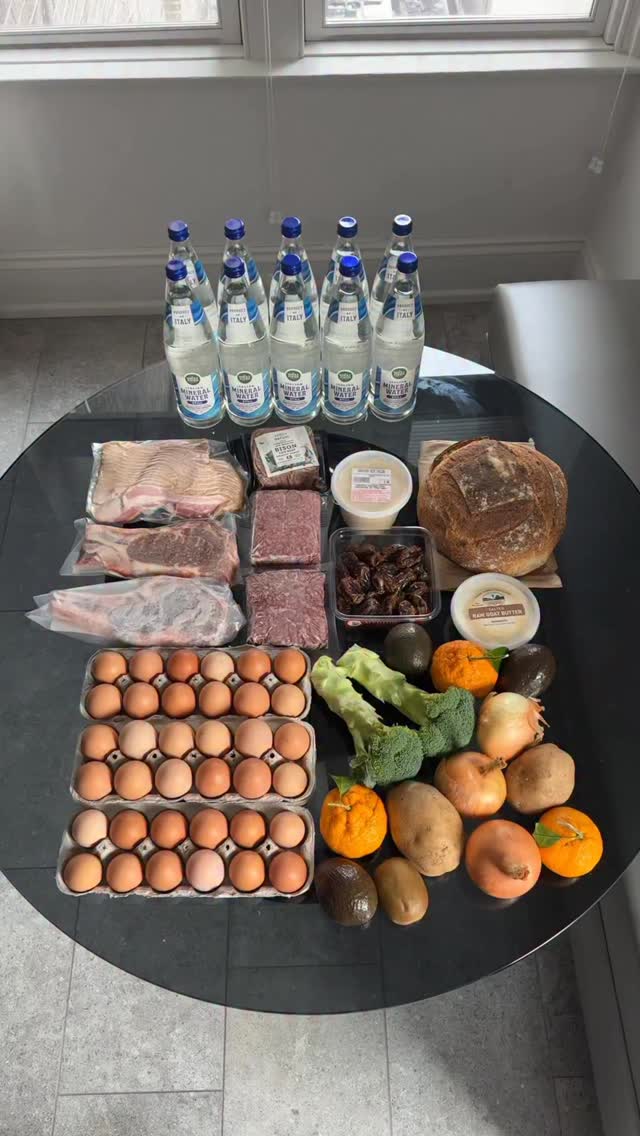
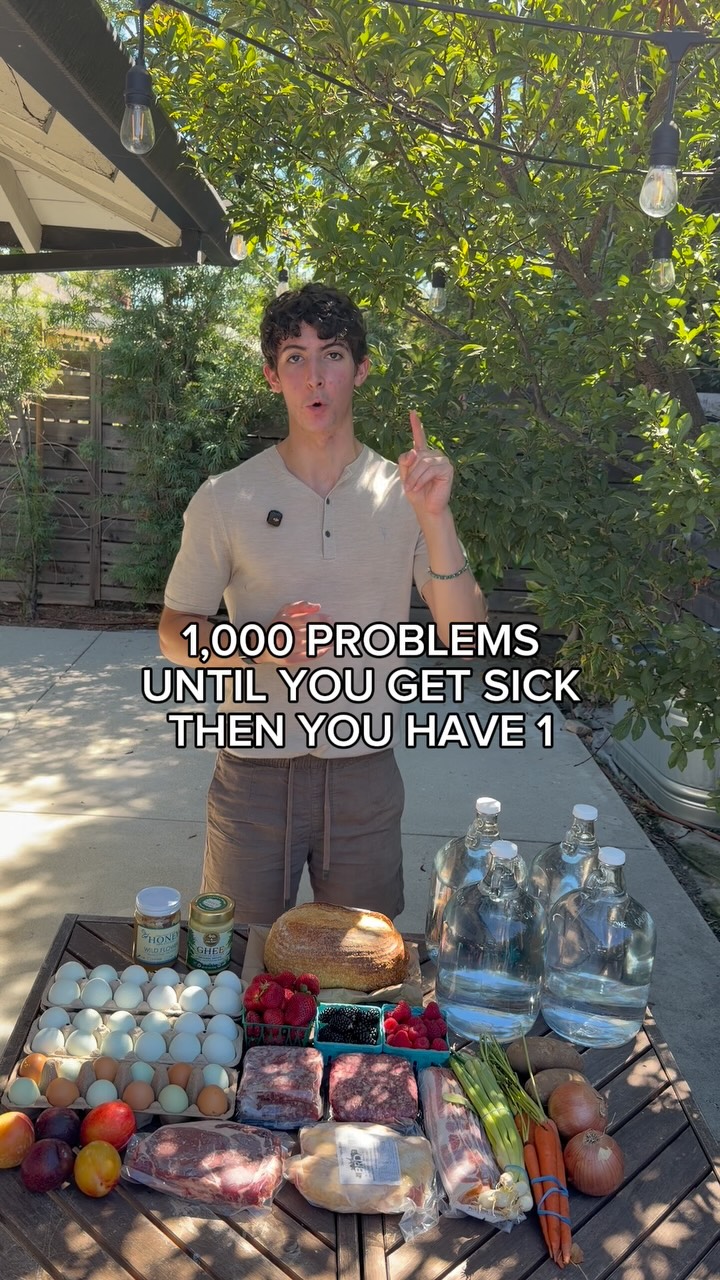
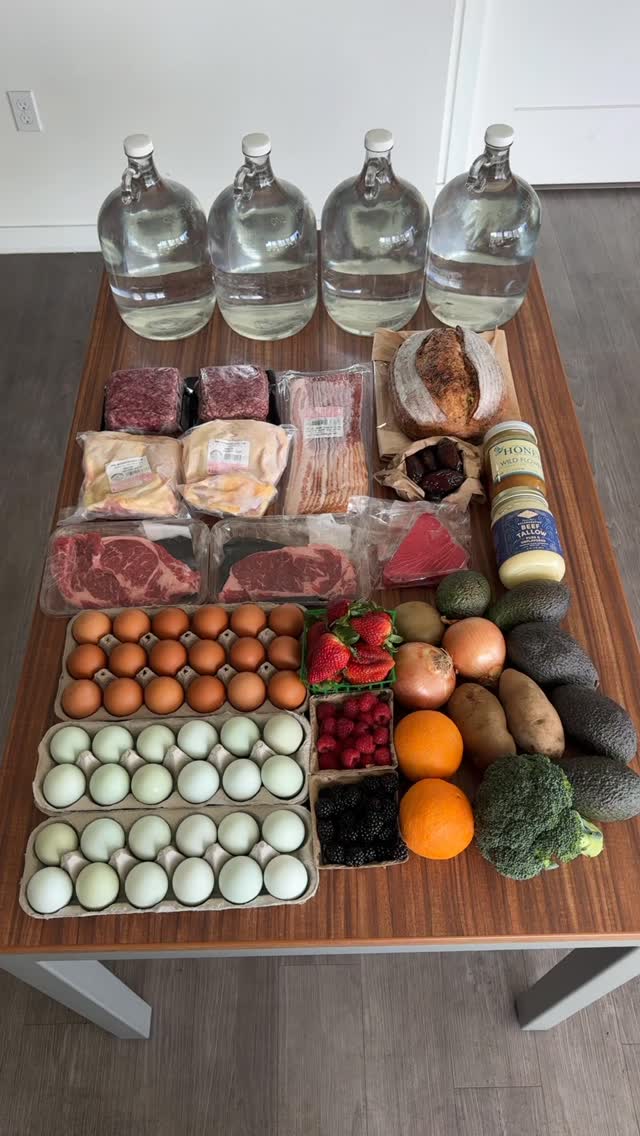
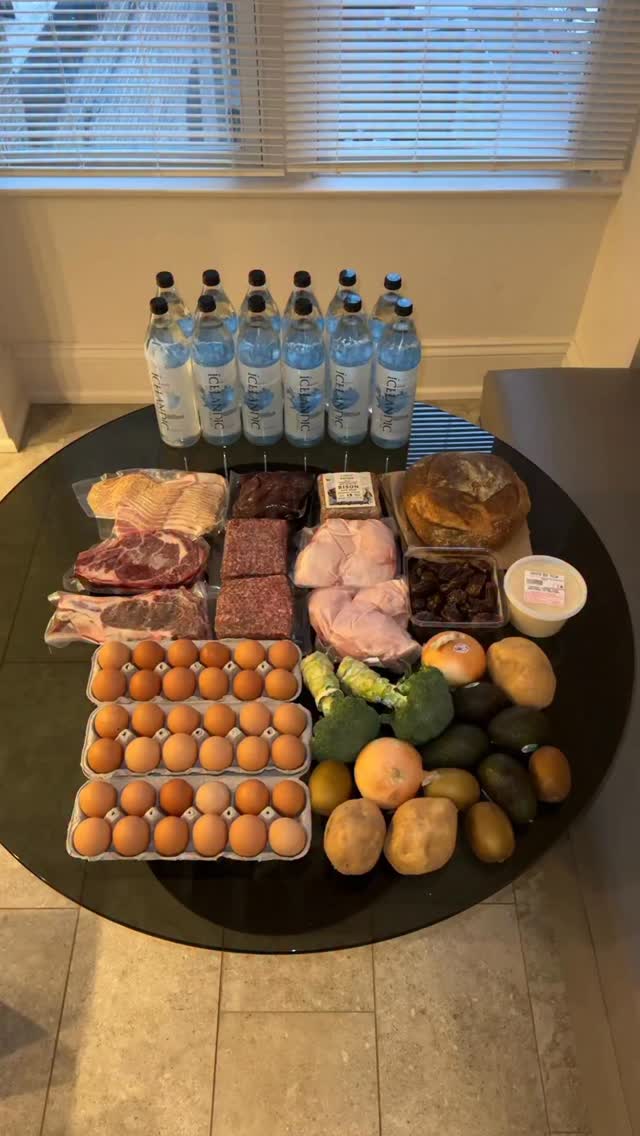
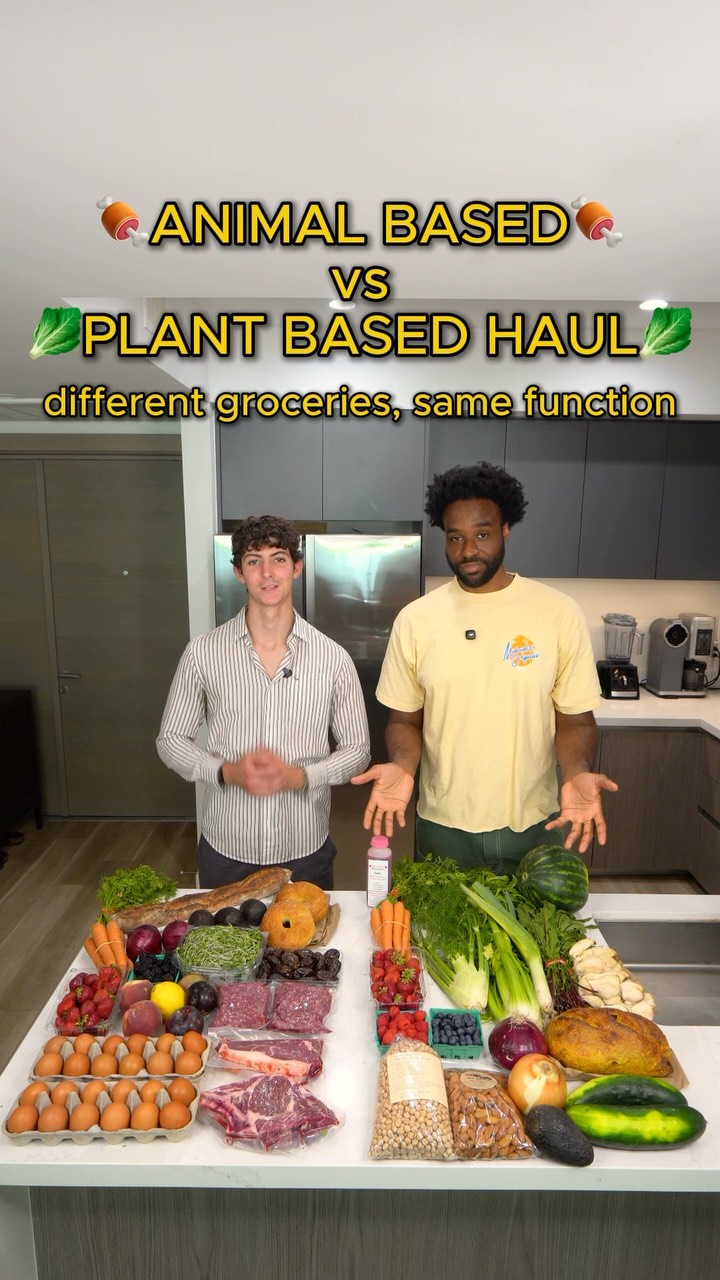
The creator exposes the widespread practice of feeding chickens corn and soy in the commercial egg industry, including premium brands like Vital Farms. He presents data comparing the unhealthy fat content in these eggs to canola oil, explains the economic incentives driven by government subsidies for corn and soy, and contrasts this industrial model with the historical, natural diet of chickens. He concludes by promoting a solution: buying from local farms that use pasture-raising methods, and showcases an app to help consumers find them.
Post caption
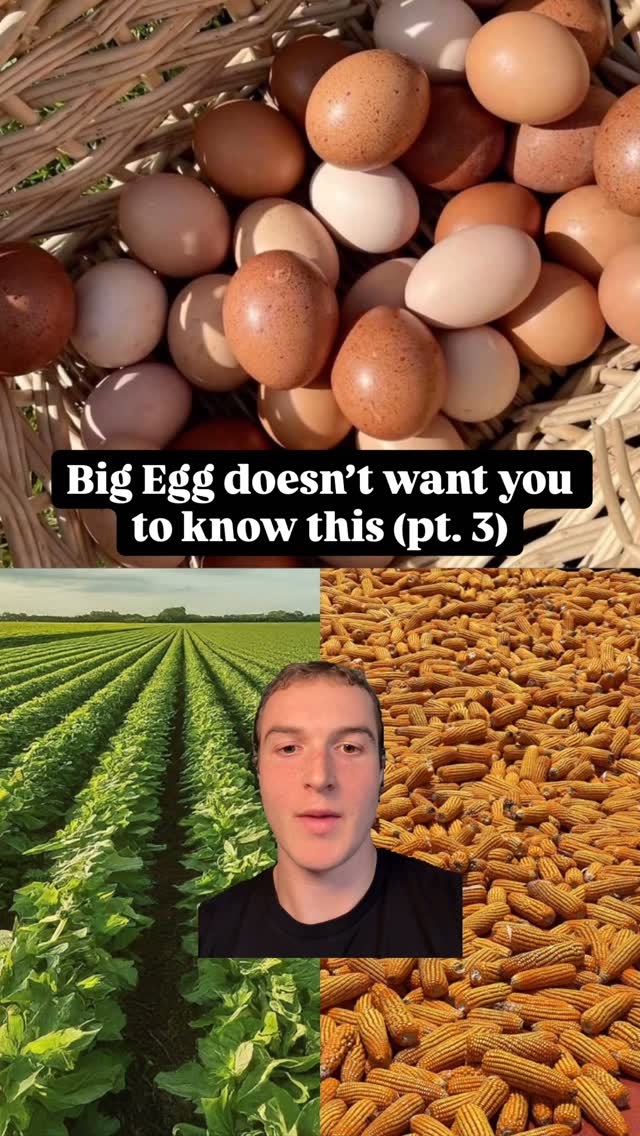
America runs on…corn and soy?
Many were shocked even the most premium of eggs at the grocery store, Vital Farms, is fed on corn and soy and third party tests detect high levels of PUFA.
But this is and industry wide problem:
- Happy Eggs: corn and soy
- Pete and Gerry’s: corn and soy
- Nellie’s Free Range: corn and soy
Why? Follow the money:
- 30.5% of all federal farm subsidies go to corn
- Soybean farmers have received $44.9 billion in direct Government payments since 1995
- 1996 “Wall Street Farm Bill” pushed us towards more corporate consolidation where Big Ag captures the federal subsidies and keeps the small farmer poor
Even for organic where subsidies are less, soy becomes the cheapest protein of them all and allows for consistency that is predictable for shareholders.
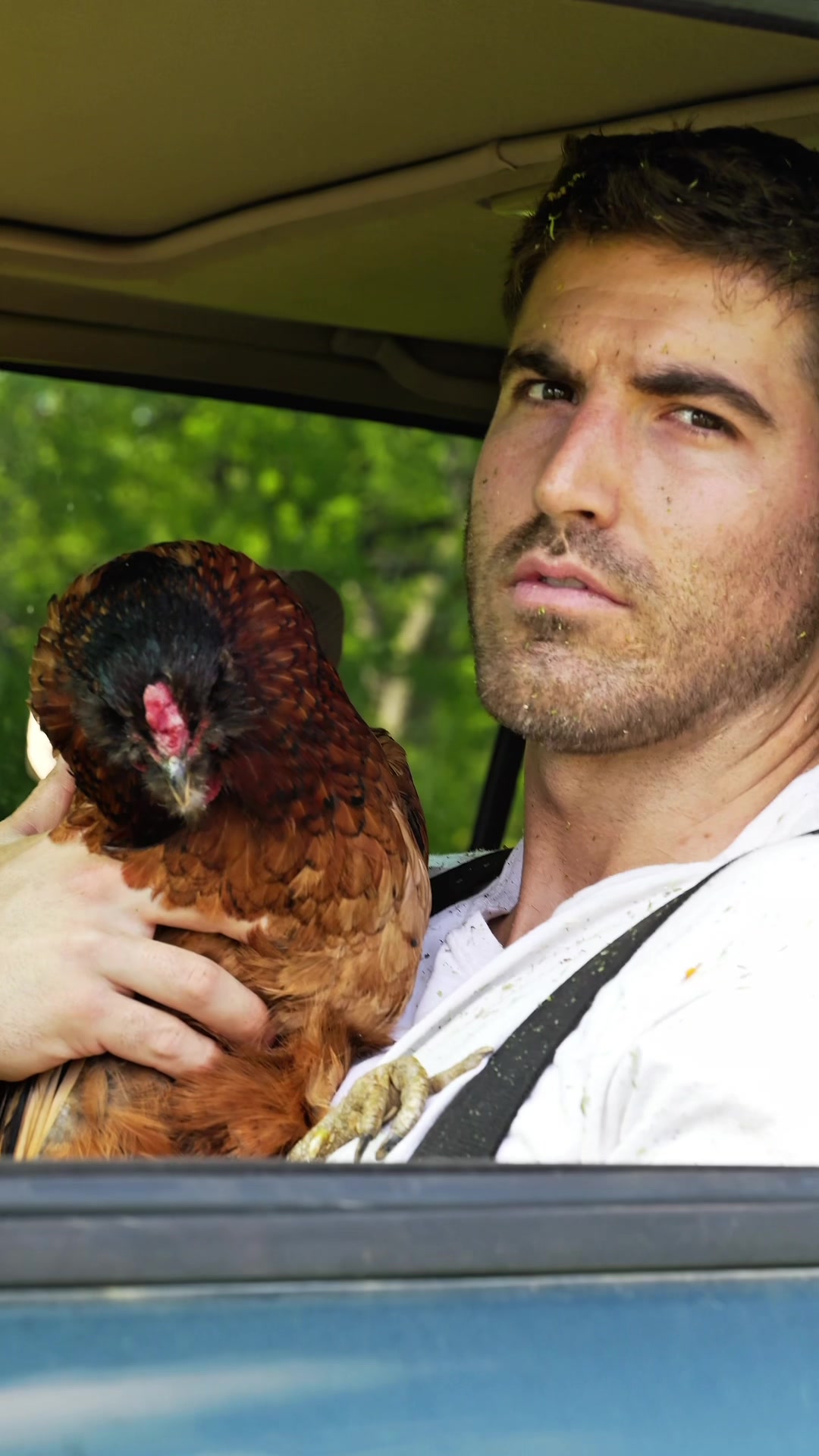
Historically, chickens foraged for bugs and grass as their primary nutrition.
But we chose scaling to an industrial model over regional networks of distribution.
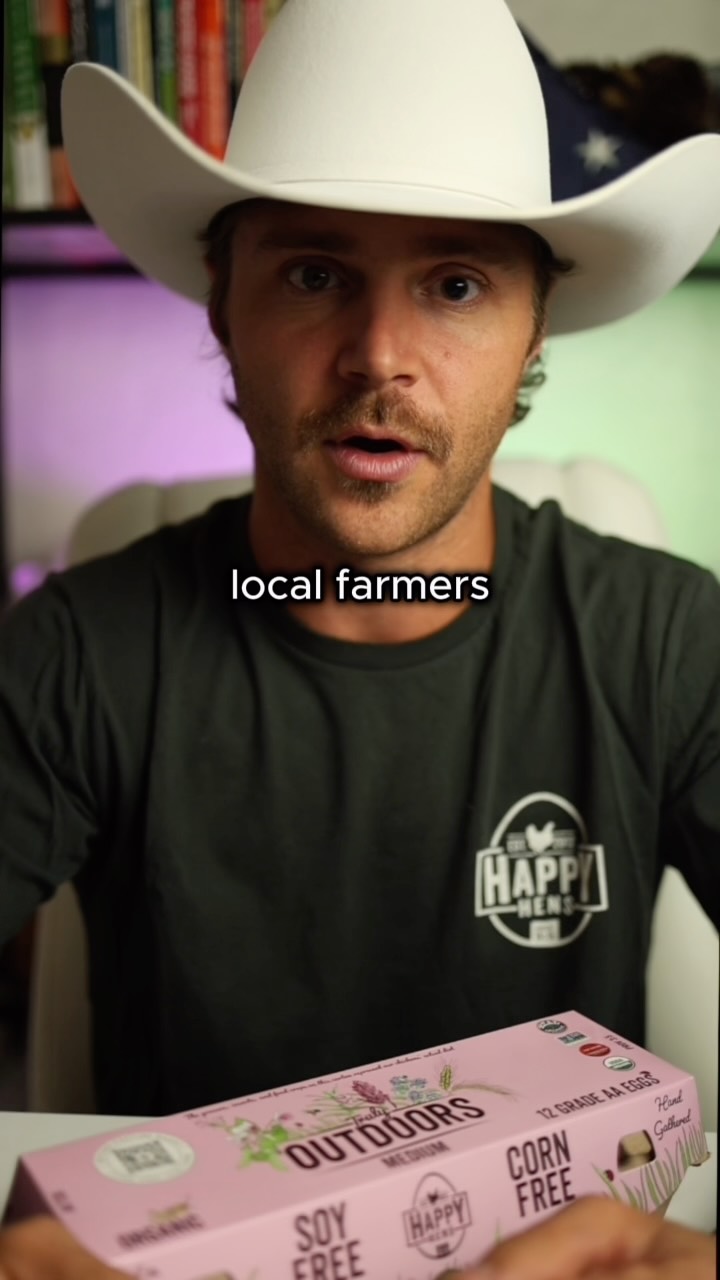
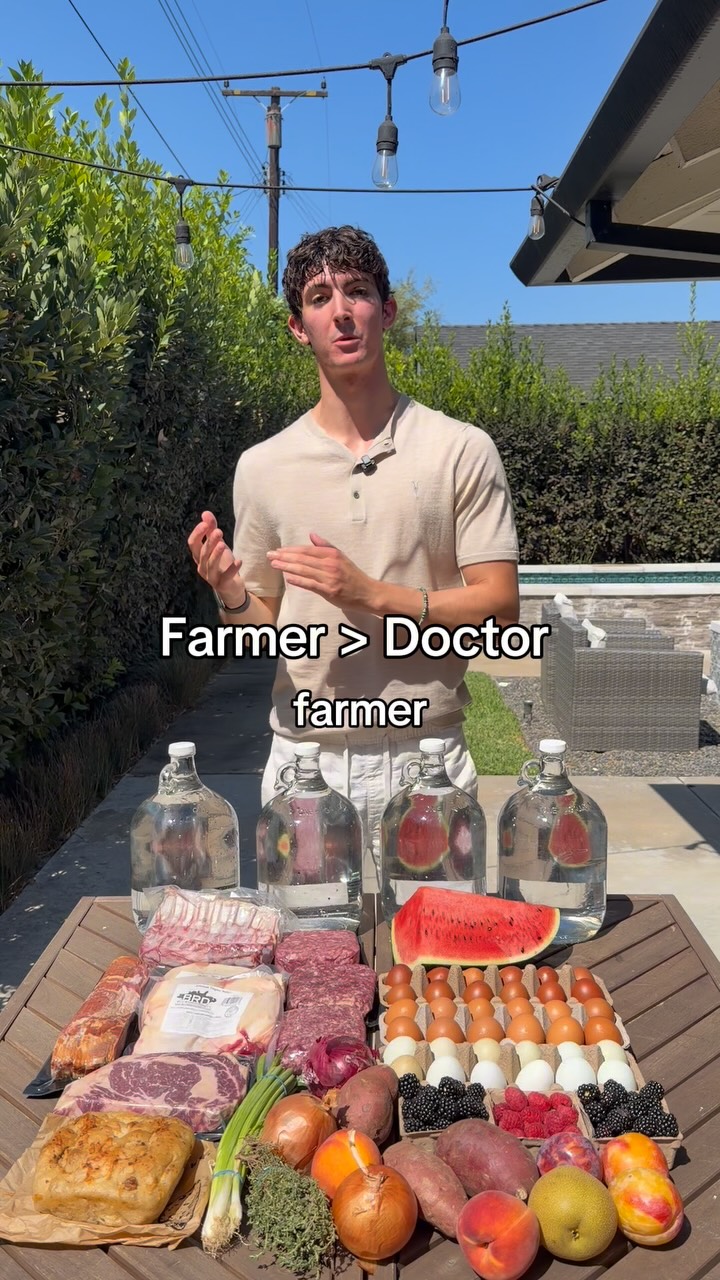
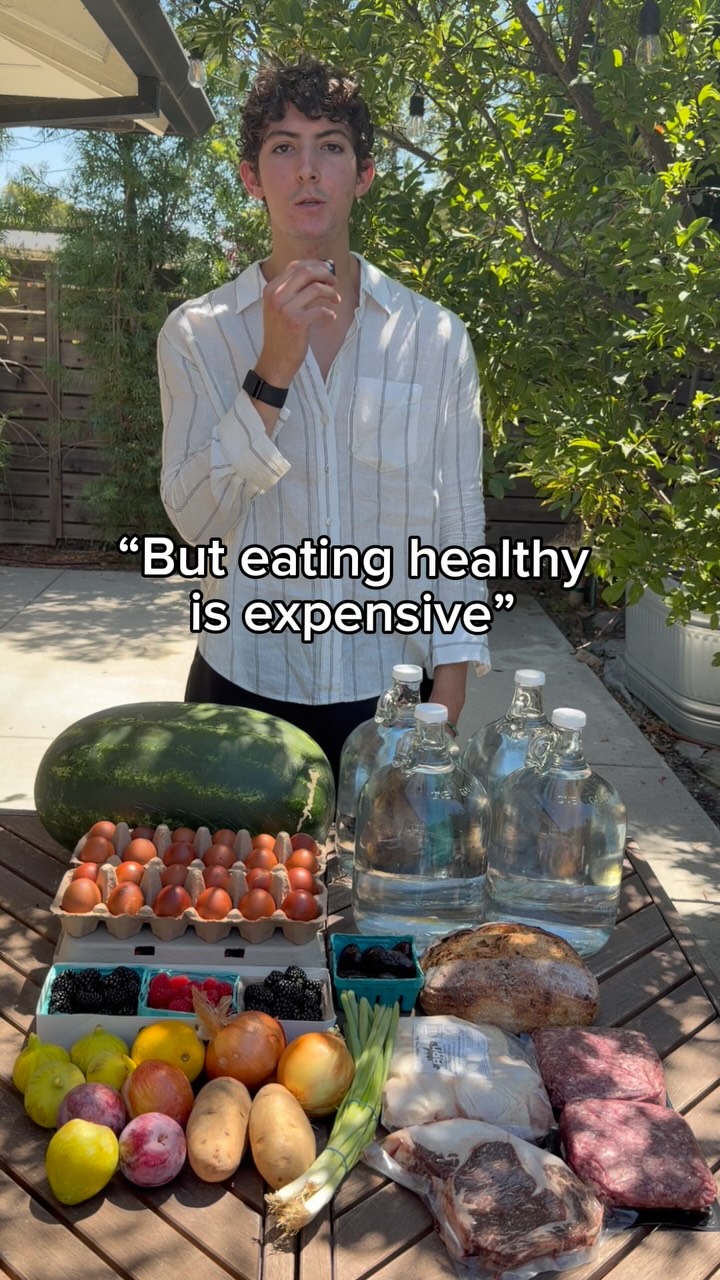
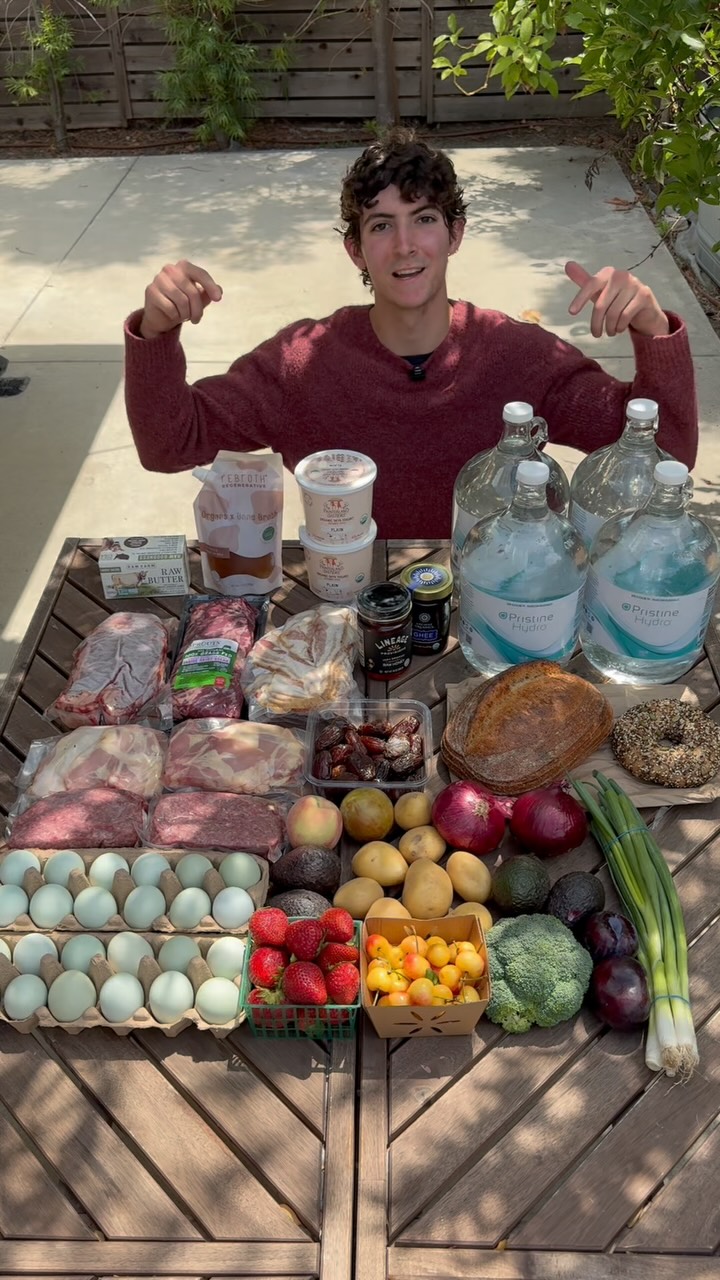
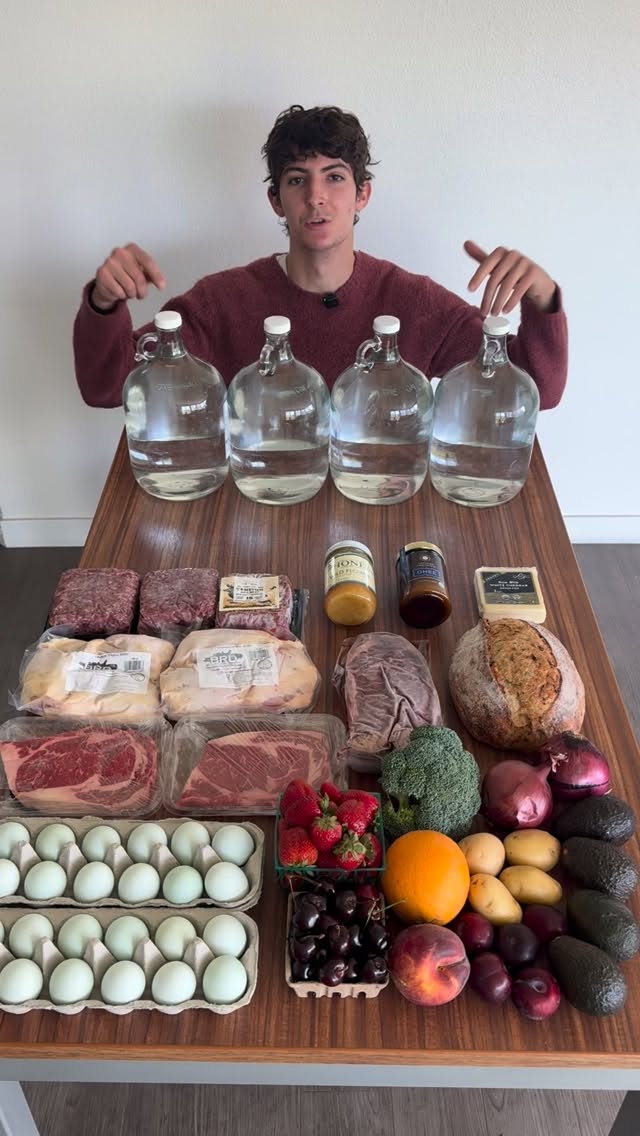
Buying local allows you to find corn & soy free still from chickens truly BASED on pasture, mobile coops, rotated frequently.
Transcript
America runs on corn and soy. Many were shocked when they heard this. You would get 2.5 grams of linoleic acid per four eggs of Vital Farms and 2.43 grams of linoleic acid rank cage free per four eggs. Compare that to just one tablespoon of canola oil, you get the same amount of linoleic acid in omega six PUFA in four Vital Farms eggs, four cage free eggs that you do in one tablespoon of canola oil. But this is actually an industry wide problem. Happy eggs, corn and soy. Pete and Jerry's, also corn and soy. Nellie's free range, corn and soy. Why? Follow the money. 30.5% of all federal farm subsidies go to corn, while soybean farmers have received $44,900,000,000 in direct government payments since 1995. Even for organic, where subsidies are less, soy becomes the cheapest protein of them all and allows for consistency that is predictable for shareholders. Historically, chickens forage for bugs and grass as their primary nutrition, but we chose scaling to an industrial model over regional networks of distribution. Buying local gives the consumer choice to find corn and soy free eggs from chickens truly based on pasture, mobile coops, and rotate it frequently.