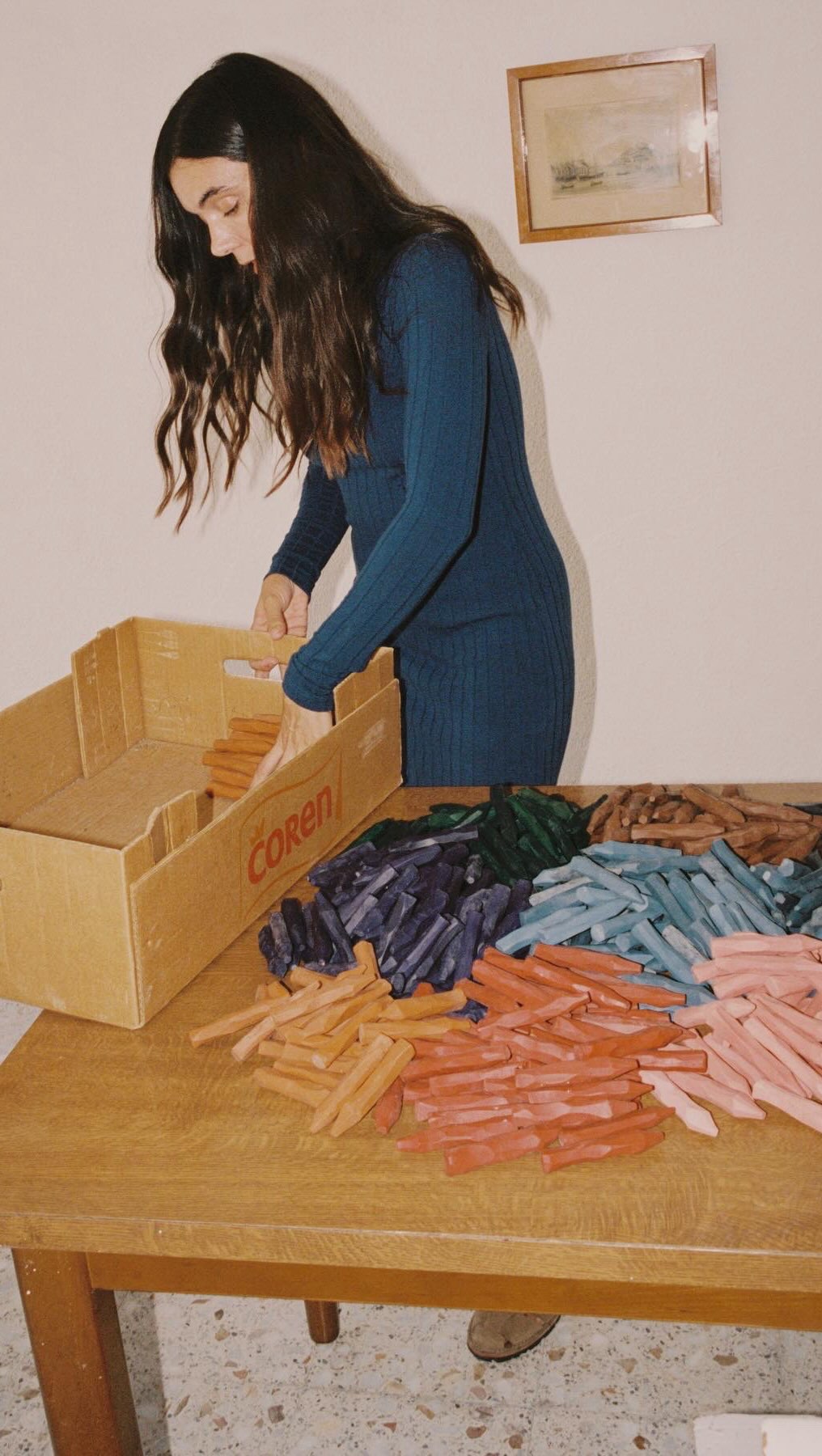
@clarainfante I’m finally ready to talk about it… all of my shortcomings as a former founder and small business owner. I’m putting this out there because I know I can’t be the only woman who decided new motherhood would be the perfect time to seek self-employment, that thought I would get the flexibility I so needed around my kids from it. I know I can’t be the only artist who decided to make a product rather than just focus on her art. I know I can’t be the only entrepreneur who learned the hard way that I wasn’t built for this type of work.
I started this work out of a love for working with my hands, and making something out of raw materials. Somewhere along the way, I decided I needed to build all of this structure around my creative work… probably because we needed money and I needed to go back to work. I made a lot of great designs but I also made a lot of bad decisions. People tell me I should’ve found a business partner to run the admin side of stuff… it’s easier said than done. And a year out of this business, I feel free. I’m happy I did it and even happier to have known when to quit.
Creator shares red flags of business failure.from @clarainfante
[01]
Overview
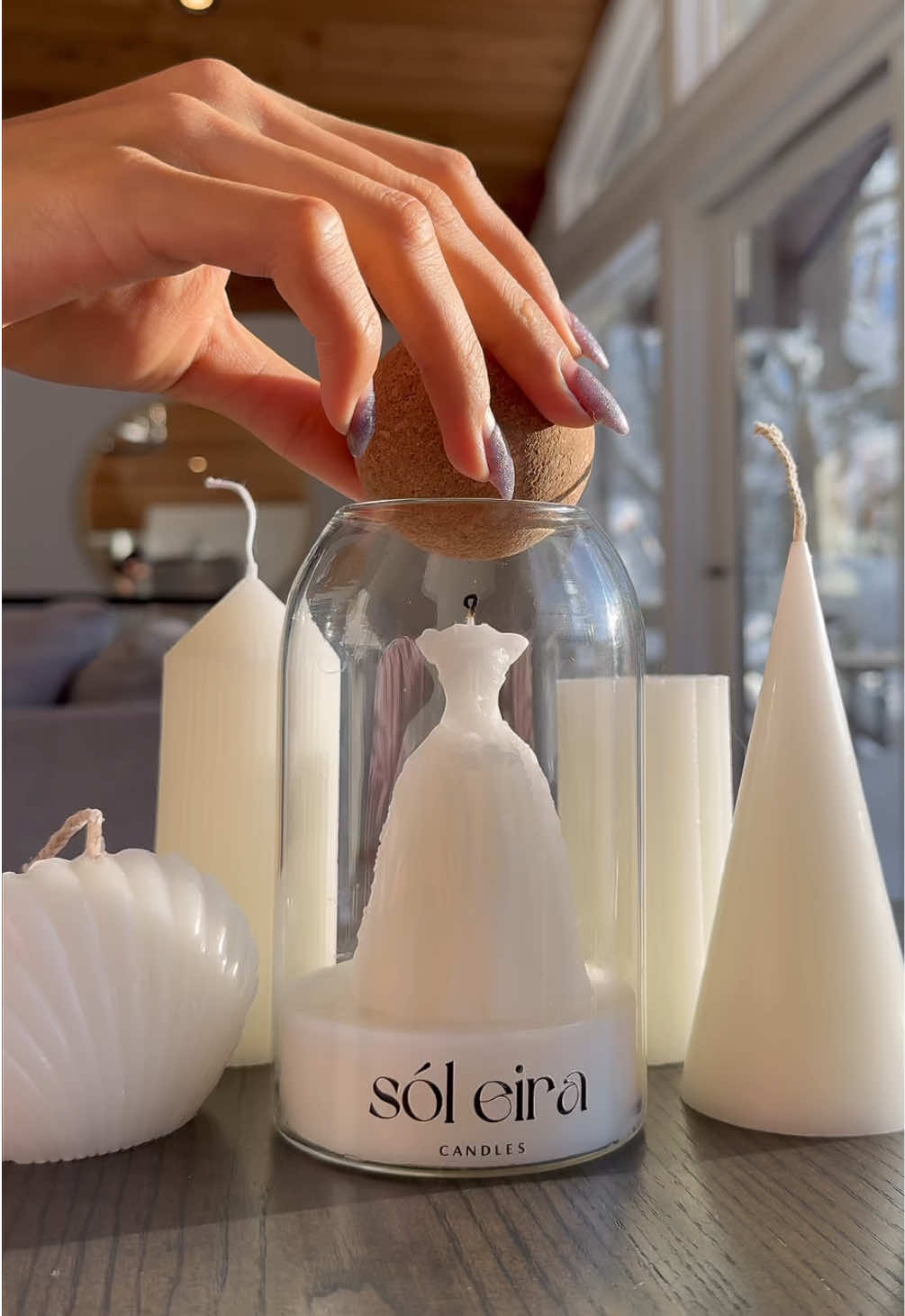
The creator reflects on the painful decision to shut down her artisanal candle business a year ago, systematically listing the red flags she ignored. She details mistakes such as prioritizing growth over profit, reinvesting all earnings, refusing to delegate, neglecting the administrative side of the business, and ultimately lacking a clear end game, driven by a desire for external validation.
A year ago, I made the really painful decision to shut down a business.
Visual hook · 35%
An intimate, direct-to-camera shot of the creator sitting on her bed, creating a personal and vulnerable atmosphere, immediately followed by a quick cut to an emotional shot of her in a car.
[06]
Hook template
Steal this for your own video
[timeframe] ago, I made the really painful decision to [difficult action you took].
— Six months ago, I made the really painful decision to pull my kid out of private school.
— Two years ago, I made the really painful decision to walk away from my six-figure salary.
— Eight months ago, I made the really painful decision to fire my entire team.
[07]
Hook and payoff
The promise the opener makes, and how the video pays it back
Hook
The Vulnerable Confession: The creator opens with a direct and emotionally charged admission of a significant failure, creating immediate empathy and intrigue.
Payoff
The Core Misalignment: The creator reveals the ultimate, underlying psychological or philosophical reason for the failure, often related to a misalignment of goals, ego, or motivation. This provides the deepest lesson and a satisfying conclusion.
[08]
Narrative framework
The structural pattern this video runs on
Framework
The Post-Mortem Confessional
A vulnerable retrospective that deconstructs a past failure into a list of 'red flags' or mistakes, offering hard-won wisdom to the audience. Each mistake is paired with visual evidence of the effort involved, creating a powerful emotional contrast.
1
The Premise Statement
The creator frames the subsequent content as a list of lessons or 'red flags' learned from the failure, promising valuable, actionable insight for the viewer.
2
The Cascade of Errors
A rapid-fire sequence where the creator lists specific mistakes. The list escalates, moving from strategic (growth, finance) to personal (work-life balance, delegation) to operational (avoiding admin tasks) errors.
3
The External Antagonist
The creator introduces a systemic or market-based challenge that contributed to the failure, broadening the scope from purely personal accountability to external reality.
Themes
Entrepreneurial burnout
Work-life balance
Business strategy
Vulnerability
Techniques
Personal storytelling
Montage
Voiceover narration
Trends
Transparent storytelling
Sharing failures
Post caption
I’m finally ready to talk about it… all of my shortcomings as a former founder and small business owner. I’m putting this out there because I know I can’t be the only woman who decided new motherhood would be the perfect time to seek self-employment, that thought I would get the flexibility I so needed around my kids from it. I know I can’t be the only artist who decided to make a product rather than just focus on her art. I know I can’t be the only entrepreneur who learned the hard way that I wasn’t built for this type of work.
I started this work out of a love for working with my hands, and making something out of raw materials. Somewhere along the way, I decided I needed to build all of this structure around my creative work… probably because we needed money and I needed to go back to work. I made a lot of great designs but I also made a lot of bad decisions. People tell me I should’ve found a business partner to run the admin side of stuff… it’s easier said than done. And a year out of this business, I feel free. I’m happy I did it and even happier to have known when to quit.
Text overlays
contextual · beginning
A year ago, I made the really painful decision to
contextual · beginning
shut down a business
contextual · beginning
And I wanted to tell you some of the red flags that I ignored that this business was not
informational · beginning
The first one is thinking that I had to grow this really big thing to make it successful
informational · middle
Also, whenever I had profit, I put it right back into the business so that I could scale
informational · middle
I spent more time at work than I did at home
informational · middle
And my home life revolved around working out how I could keep up my pace at work
informational · middle
I hired help, but I refused to delegate
informational · middle
I never paid myself
informational · middle
I avoided doing my accounting, my ordering, my fulfillment, and any other part of it that actually made this a business
informational · middle
And my profit margins were so slim that I was basically working for free
informational · end
artisanal businesses are up against is not being able to compete with the ability to drive your prices down through mass production
informational · end
But ultimately, I just never had a clear end game
informational · end
I wanted to make beautiful things, but I also wanted to make something big so that people could point at it and say, She did that
Transcript
A year ago, I made the really painful decision to shut down a business. And I wanted to tell you some of the red flags that I ignored that this business was not working. The first one is thinking that I had to grow this really big thing to make it successful. Also, whenever I had profit, I put it right back into the business so that I could scale. I spent more time at work than I did at home and my home life revolved around working out how I could keep up my pace at work. I hired help, but I refused to delegate. I never paid myself. I never paid myself. I avoided doing my accounting, my ordering, my fulfillment, and any other part of it that actually made this a business. And my profit margins were so slim that I was basically working for free. And if all that wasn't enough, what most artisanal businesses are up against is not being able to compete with the ability to drive your prices down through mass production. But ultimately, I just never had a clear end game. I wanted to make beautiful things, but I also wanted to make something big no that people could point at it and say, she did that.
Creator shares red flags of business failure. | Viral Hooks