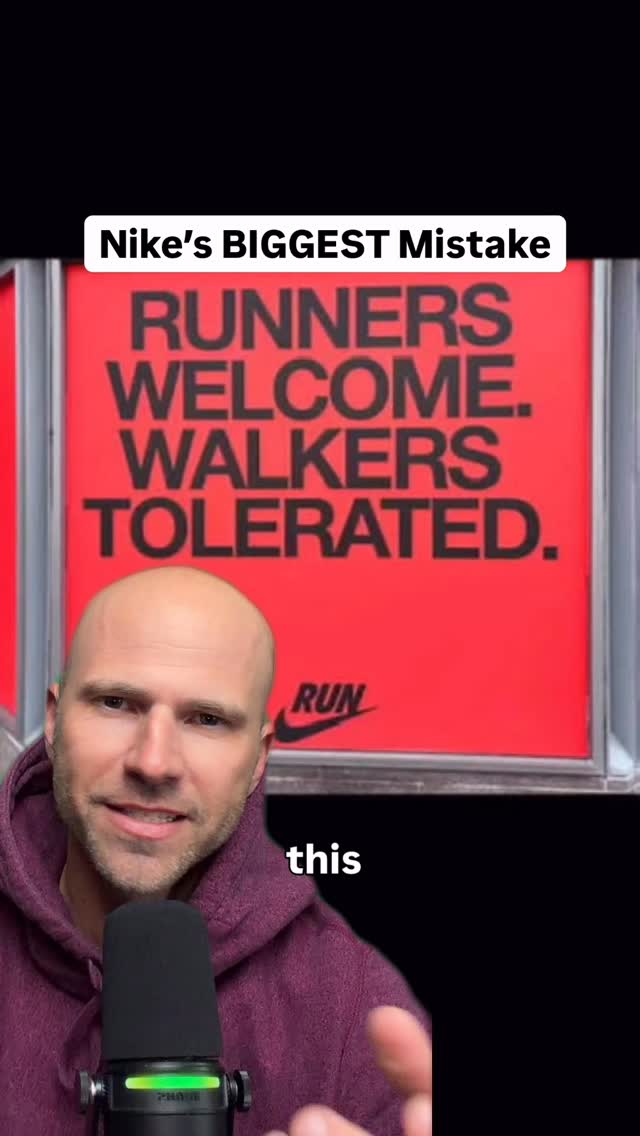
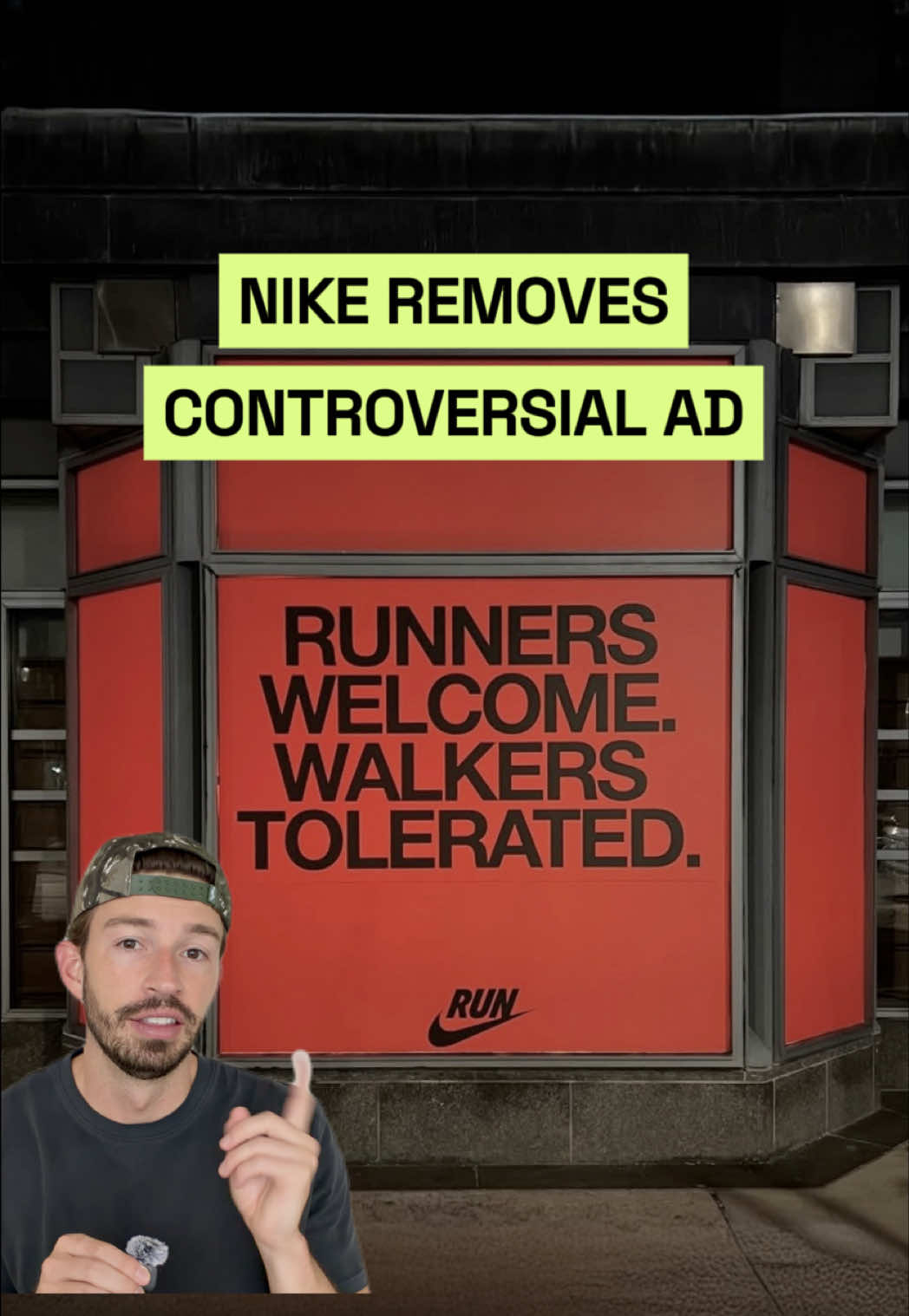
A former Nike brand marketer analyzes a controversial Nike ad ("Runners Welcome. Walkers Tolerated."), arguing that the company's mistake was deleting the ad, not creating it. He posits that the ad perfectly captured Nike's authentic, hardcore brand voice rooted in winning, supporting this with a montage of past campaigns and athletes. He contrasts this strong identity with the brand's current business need to appeal to a broader audience for growth, concluding that brands must pick a definitive position to build a strong connection, even if it alienates some people.
Post caption
Nike’s biggest mistake? Apologizing for their brand voice. But, it’s REALLY hard for Brands to maintain the Voice that made them great when Business Goals run counter to it. Nike needs Walkers of all types to grow their business. (Setting aside the fact that this ad is getting taken way out of context) There aren’t enough runners to grow like they need to. Tough predicament!
But just remember: the worst thing you can do is have people feel nothing about your brand. 💡
#Nike #BostonMarathon
Transcript
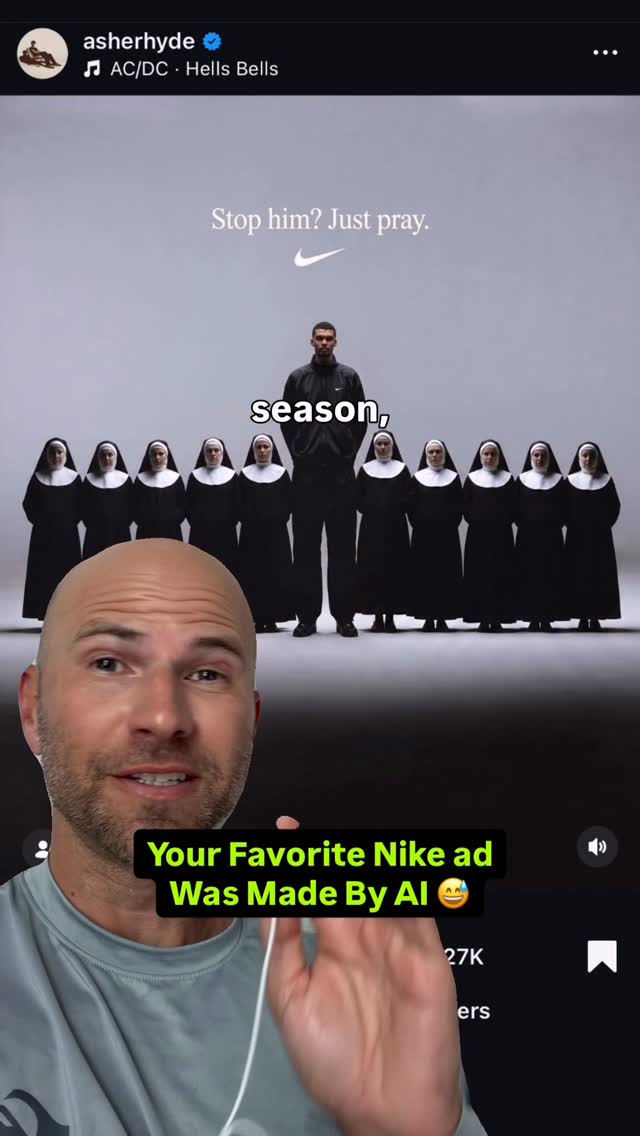
Nike's biggest mistake is deleting this ad, not creating it. Let me explain to you how branding worse, and then we can talk about the challenges that Nike has with its brand identity versus its business objectives. I worked in brand marketing at Nike for over a decade, and I would argue that this is way closer to Nike's actual brand voice than anything else they're doing. But Nike's business objectives in trying to reach more people and trying to sell more product put them fundamentally at odds with their brand voice. The closest Nike has gotten to their brand voice in a while is this Olympics campaign they did last year, winning isn't for everyone. It's very close to the Mamba mentality and unrelenting dominance from people like Serena Williams. Tiger Woods, Michael Jordan, Kobe Bryant, these athletes wanted to dominate you. All the way back to Prefontaine with the rebel spirit of Nike. Somebody may beat me, they're gonna have to bleed to do tier you lead from the front with guts. Or Bill Bowerman, Nike's cofounder, there's no such thing as bad weather, just soft people. But lastly, one of their old Olympics campaigns, you don't win silver, you lose gold. Is this hardcore? Perhaps, but it's an athlete's mentality who wants to win at all worst. Right or rank? Because as a brand, you have to serve a specific audience. And if you try to serve everyone, you can't serve anyone. So this is just branding one zero one. Nike is signaling that they want the runners, the fast runners for this Boston marathon, and they are tapping into that spirit. But we've lost context in today's social media era. This was supposed to be a sign on a strip in Boston specifically for the people who qualify for one of the hardest marathons to qualify for. You fundamentally have to run fast to run-in the Boston marathon. But in our modern day whataboutism culture, we have of course, there's 20% of people who run for charities and all that. Those are amazing things. Those are great. But a true brand says, we are for these people and the other people are not for us. It taps into human tribalism. And if you look at the response to this, you will see that people actually feel some type of way. And one of the biggest mistakes that brands make is they try to serve everyone and therefore no one feels anything about their brand. TrackSmith was the same thing just a couple of years ago. They created a singlet that only people who qualified for the Boston Marathon could get. They led with a quote about this is not a jogging race. The Internet got so better and they eventually had to take it all down. I also think that's a mistake. Just own it. Not everything has to be for everyone, but every other brand's gonna jump on the bandwagon now in position against Nike and show that, hey, we care about everybody. We love walkers. We want you to rank, jog, whatever. The big mistake is when brands go back and forth between these two identities. In any branding, pick a position and stick to it. The people who resonate will resonate deeply, and the people who don't will know that it's not for them. And that's why